Bently Nevada 330106-05-30-50-02-05 3300 XL 8 mm Reverse Mount Probe
Bently Nevada 330106-05-30-50-02-05 3300 XL 8 mm Reverse Mount Probe
0.0
Points
Brand:Bently Nevada PLC Item No.:330106-05-30-50-02-05 Product Origin:USA Product Dimensions:Total Length: 5 meters Product Weight:1.62 kg Payment:T/T, Western Union, Credit Card Goods_stock:15 Shipping Port:Xiamen, China Lead Time:1-3 Days Condition:Brand New And Original Warranty:1 Year Certificate:COO
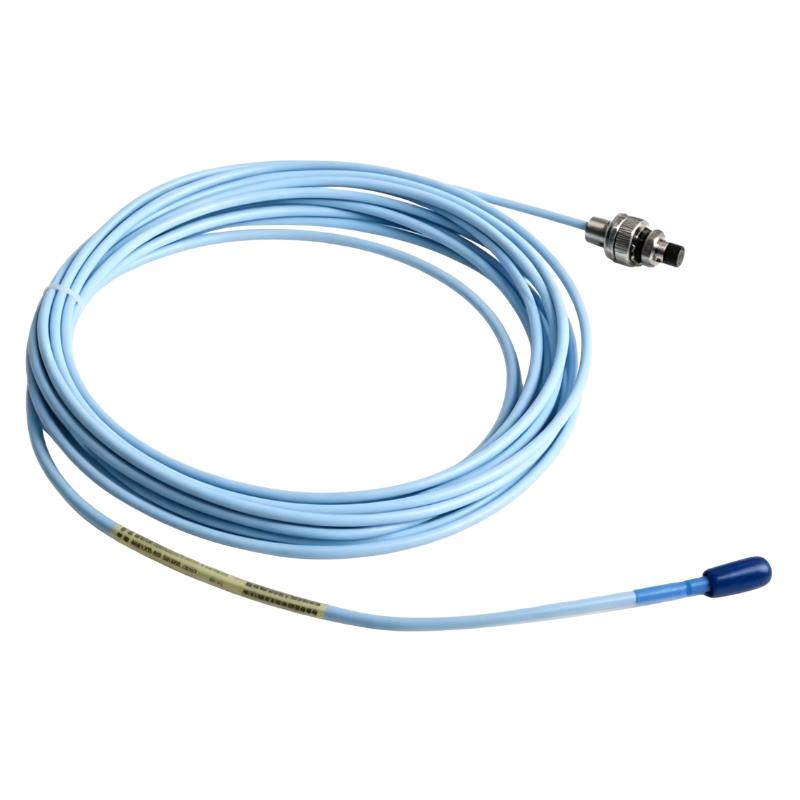
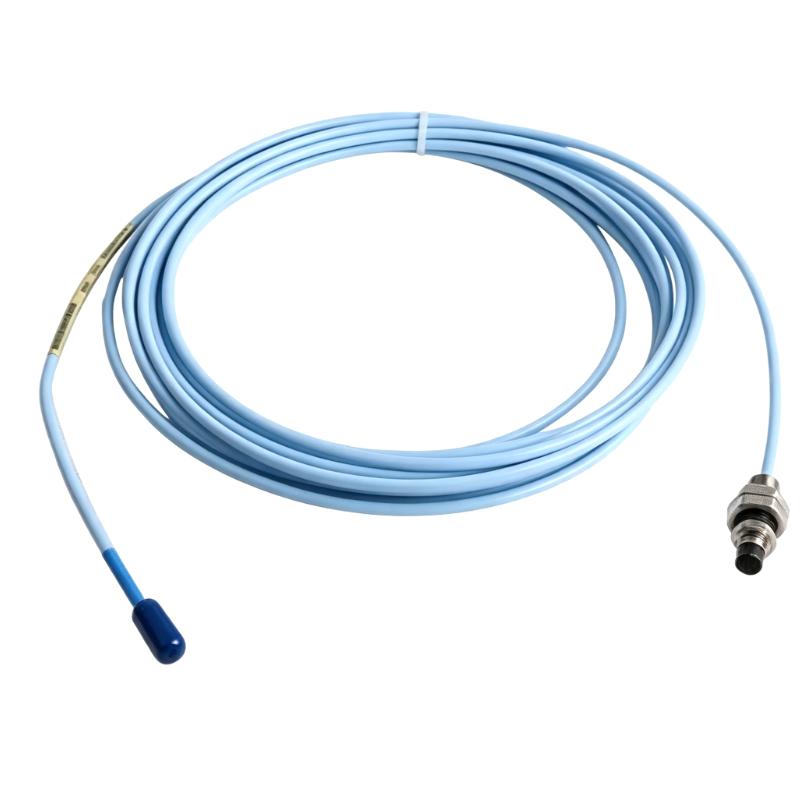
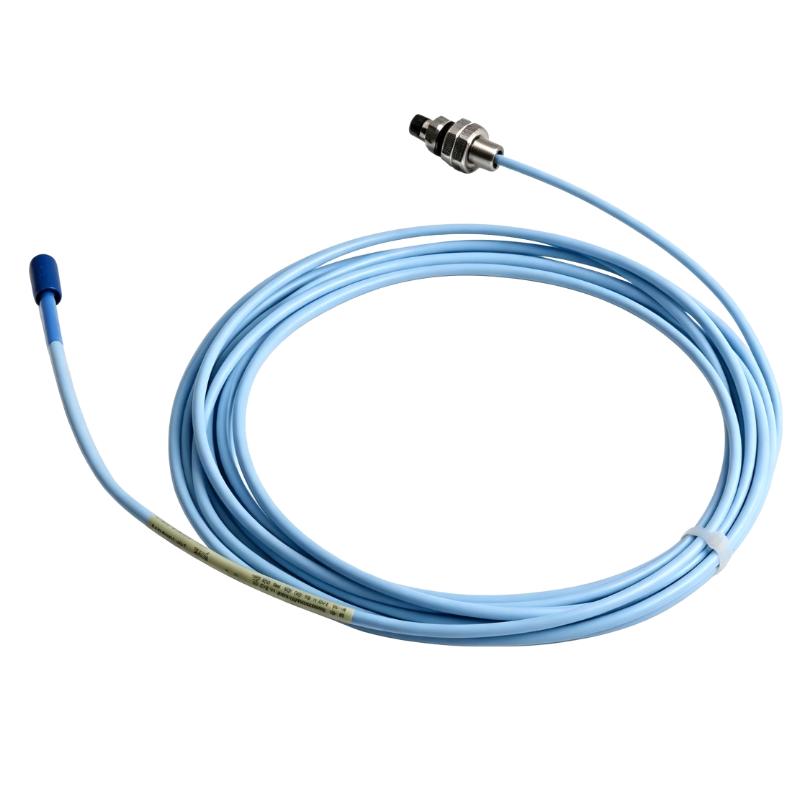
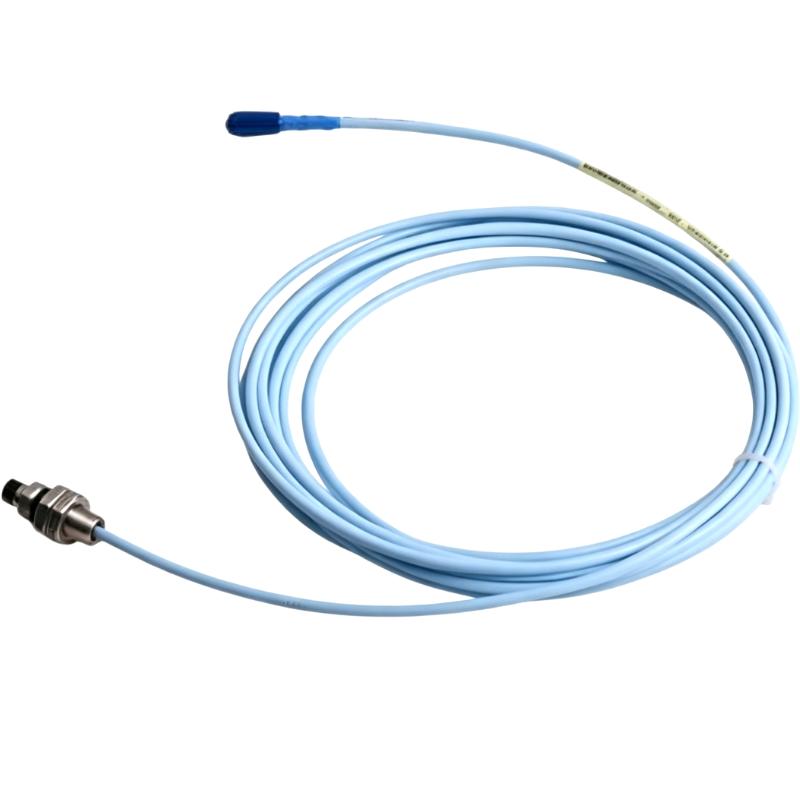
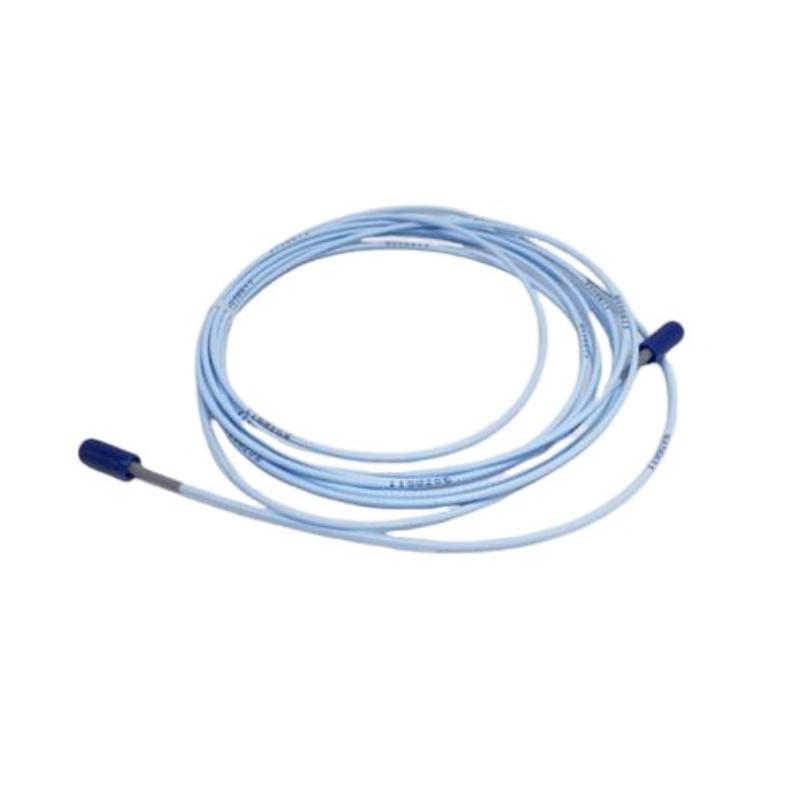
The Bently Nevada 3300 XL 8 mm Reverse Mount Probe 330106-05-30-50-02-05 is a high-precision non-contact vibration sensor designed for shaft displacement and vibration monitoring in critical rotating machinery. It is specifically engineered for reverse mounting applications where installation space or mechanical layout requires alternative probe orientation while maintaining accurate measurement performance.
Technical Specifications
Parameter
Specification
Model
330106-05-30-50-02-05
Series
3300 XL
Type
8 mm Reverse Mount Proximity Probe
Measurement Principle
Eddy current non-contact sensing
Total Length
5 meters
Installation Type
Reverse mount configuration
Construction
Stainless steel housing
Application
Rotating machinery monitoring
Operating Environment
Industrial condition monitoring systems
Weight
1.62 kg
Recommended Related Models
Model
Product Name
330106-00-05-10-02-00
Bently Nevada 3300 XL Reverse Mount Probe
330103-06-11-50-02-00
Bently Nevada 3300 XL Standard Probe (5 m cable)
330104-01-04-15-02-05
Bently Nevada 3300 XL Standard Probe
330130-080-00
Bently Nevada Proximitor Sensor System
Popular Related Models
Model
Product Name
330180-90-00
Bently Nevada 3300 XL Proximitor Sensor
330780-90-00
Bently Nevada Extension Cable Assembly
330103-00-08-10-02-00
Bently Nevada 3300 XL Proximity Probe
3500/42M
Bently Nevada Vibration Monitoring Module
Applications
• In turbomachinery protection systems, the reverse mount probe is used for non-contact measurement of shaft vibration and radial displacement in turbines, compressors, and high-speed rotating pumps where installation constraints require rear-side mounting configurations.
• It is deployed in condition monitoring systems for rotating equipment where continuous vibration tracking is required to detect early mechanical faults such as imbalance, misalignment, looseness, and bearing wear.
• In power generation plants, it is used in turbine supervisory systems to monitor shaft position and vibration trends under high-load and high-temperature operating conditions.
• It is applied in oil and gas facilities for critical rotating assets operating in harsh environments where reliable vibration data is essential for equipment protection and operational safety.
• It is suitable for predictive maintenance systems that rely on long-term trend analysis of vibration and displacement signals to optimize maintenance intervals and reduce unplanned downtime.
Key Advantages
• It supports reverse mount installation, allowing flexible mounting orientation in confined machinery spaces where standard probe positioning is not possible.
• It delivers high-precision eddy current non-contact measurement for accurate detection of shaft vibration and displacement.
• It ensures stable performance in harsh industrial environments with high vibration, temperature variation, and electromagnetic interference.
• It provides long-term signal stability, reducing drift and ensuring consistent measurement accuracy in continuous monitoring applications.
• It is fully compatible with the 3300 XL monitoring system, enabling standardized integration across machinery protection platforms.
Technical FAQs
1. What is the main function of this probe?
It measures shaft vibration and displacement in rotating machinery without physical contact.
2. What makes this model different from standard probes?
It supports reverse mount installation for restricted or rear-access mounting conditions.
3. What system is it part of?
It is part of the Bently Nevada 3300 XL proximity measurement system.
4. What measurement principle does it use?
It uses eddy current non-contact sensing technology.
5. Where is it commonly used?
It is used in turbines, compressors, pumps, and other rotating machinery.
6. Is it suitable for harsh environments?
Yes, it is designed for high vibration and industrial temperature conditions.
7. Does it require physical contact with the shaft?
No, it operates without contact.
8. Can it detect early mechanical faults?
Yes, it helps identify imbalance, misalignment, and bearing wear.
9. Is it used in power plants?
Yes, it is widely used in turbine monitoring systems.
10. Is it suitable for continuous operation?
Yes, it is designed for long-term continuous monitoring.