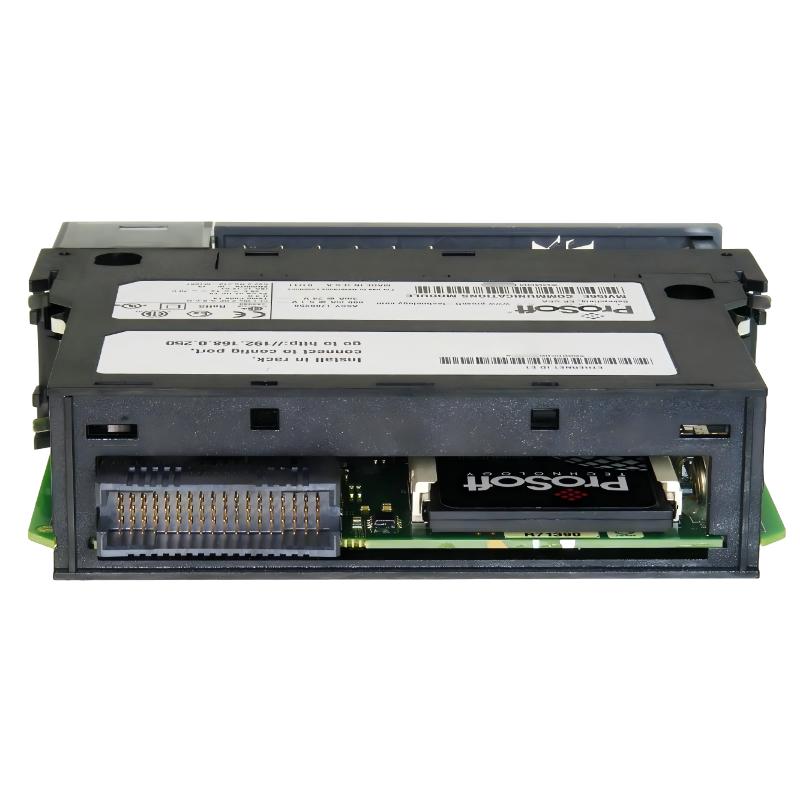
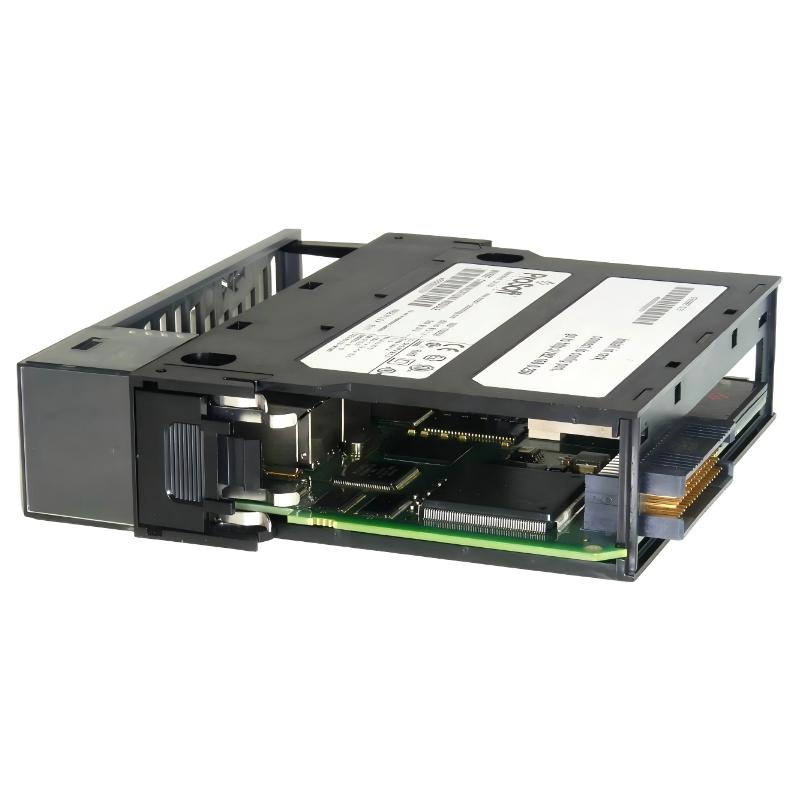
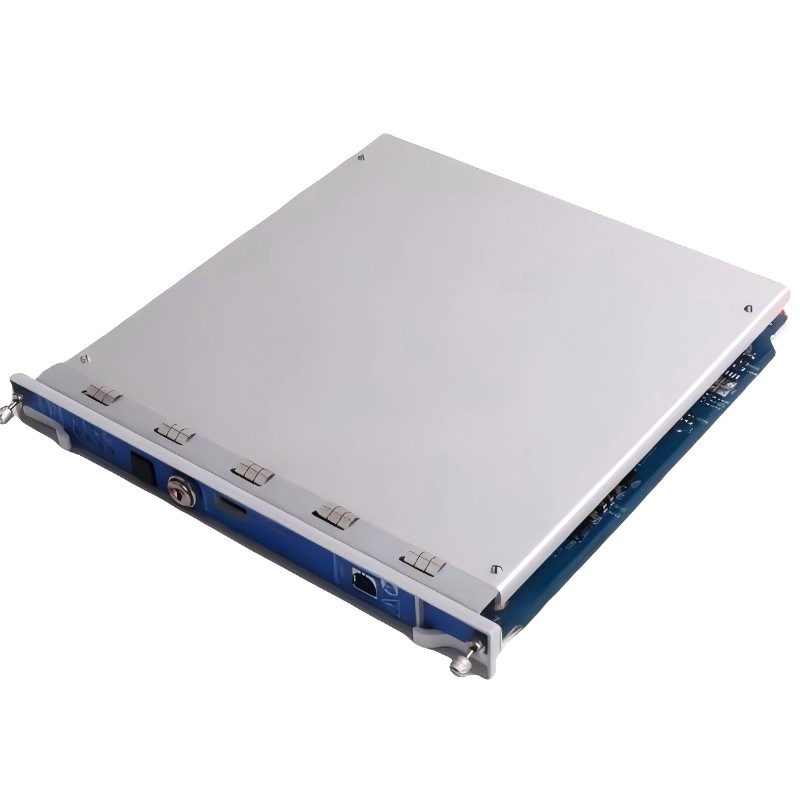
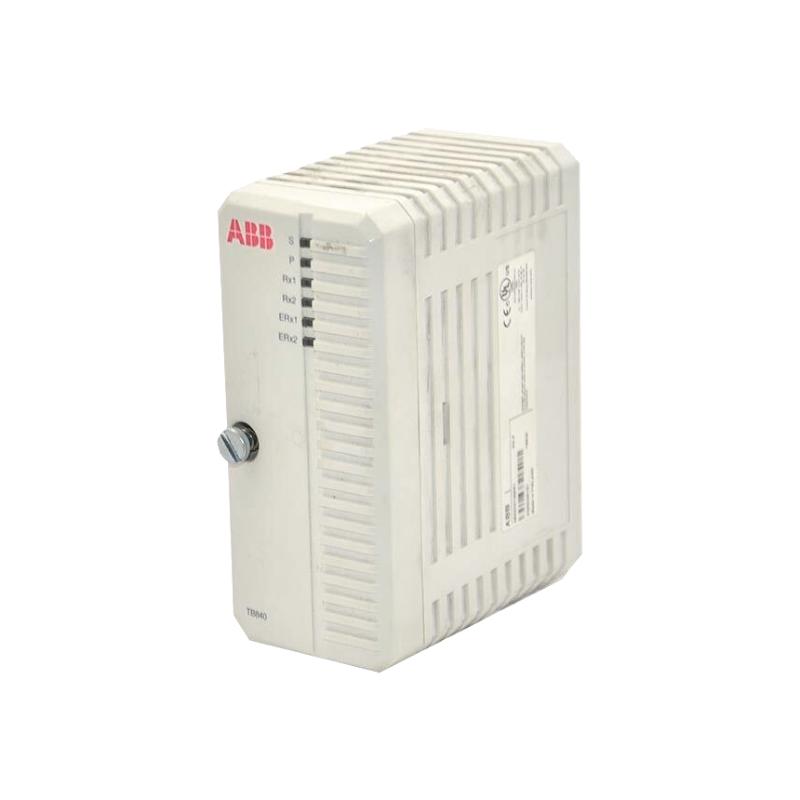
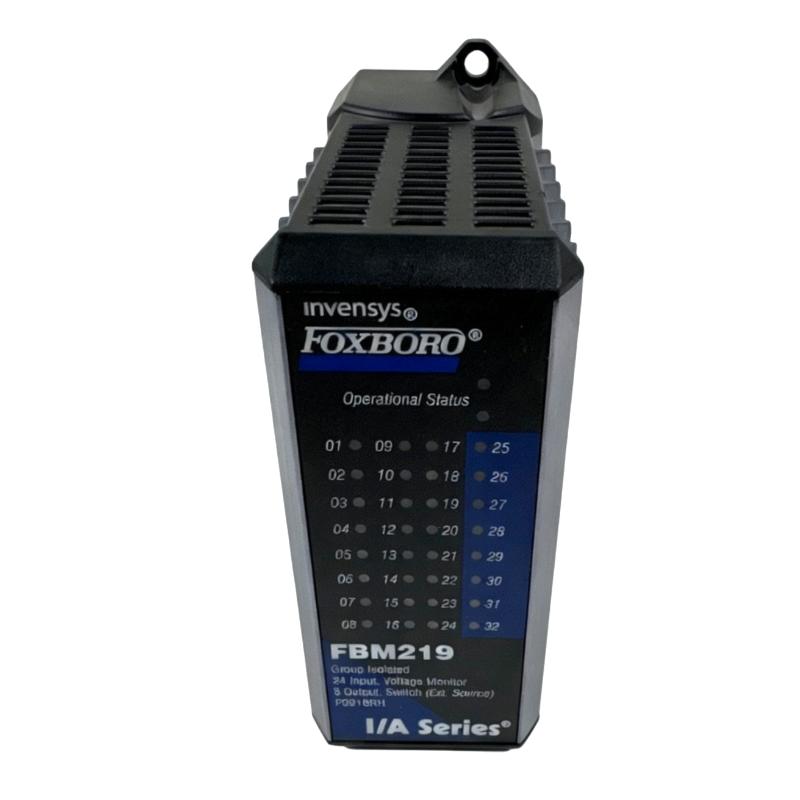
ProSoft MVI56E-MCMXT Modbus Master/Slave Enhanced Communication Module
ProSoft MVI56E-MCMXT Modbus Master/Slave Enhanced Communication Module
0.0
Points
Brand:Allen Bradley PLC Item No.:MVI56E-MCMXT Product Origin:USA Product Dimensions:145.2 x 34.6 x 139.6 mm Product Weight:0.45 kg Payment:T/T, Western Union, Credit Card Goods_stock:15 Shipping Port:Xiamen, China Lead Time:1-3 Days Condition:Brand New And Original Warranty:1 Year Certificate:COO
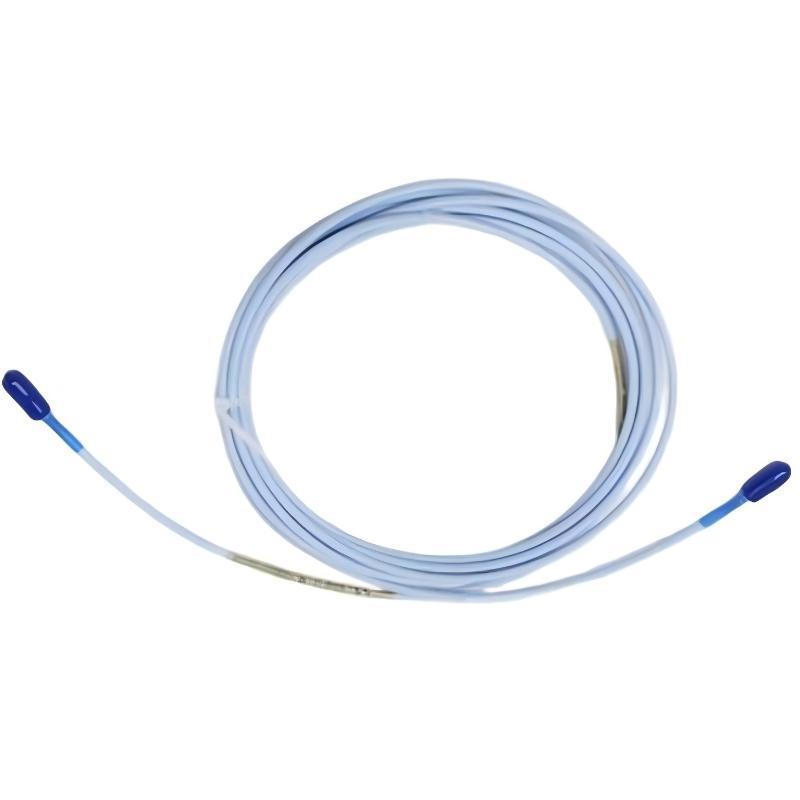
The Bently Nevada 330750-40-05 High-temperature Speed Sensor is a rugged industrial device designed for accurate rotational speed monitoring in extreme temperature environments. It is widely used in turbine and compressor systems where reliable RPM measurement is critical for equipment protection, control, and operational safety.
Technical Specifications
Parameter
Specification
Model
330750-40-05
Type
High-temperature speed sensor
Measurement
Rotational speed (RPM)
Output Signal
Pulse output
Cable Length
4 meters
Weight
0.794 kg
Sensing Method
Non-contact speed detection
Operating Environment
High-temperature industrial machinery
Application
Turbines, compressors, rotating equipment
Recommended Related Models
Model
Product Name
330780-91-05
Bently Nevada Speed Sensor Extension Cable
330525-10
Bently Nevada Velomitor Vibration Sensor
330180-X1-05
Bently Nevada Proximitor Sensor
330130-080-00
Bently Nevada Proximitor System
Popular Related Models
Model
Product Name
330103-06-11-50-02-00
Bently Nevada 3300 XL Proximity Probe
330106-05-30-50-02-05
Bently Nevada Reverse Mount Probe
330104-01-04-15-02-05
Bently Nevada 3300 XL Proximity Probe
3500/42M
Bently Nevada Vibration Monitoring Module
Applications
• In turbomachinery systems, this sensor is used to monitor rotational speed (RPM) of high-temperature shafts in gas turbines, steam turbines, and high-energy compressors for safe and stable operation.
• It is deployed in overspeed protection systems where accurate real-time speed detection is required to trigger alarms and shutdown logic in critical machinery.
• In power generation plants, it is used in turbine control systems to regulate start-up, synchronization, and load control under extreme thermal operating conditions.
• It is applied in oil and gas facilities for rotating equipment operating in hot process environments where conventional speed sensors cannot withstand thermal stress.
• It is suitable for industrial automation and machinery protection systems where reliable non-contact speed measurement is required in harsh environments.
Key Advantages
• It is specifically designed for high-temperature environments, ensuring stable speed measurement even under extreme thermal stress.
• It uses non-contact sensing technology, reducing mechanical wear and improving long-term reliability in rotating machinery.
• It provides stable pulse output signals for accurate RPM monitoring and control system integration.
• It features rugged industrial construction, making it suitable for vibration, heat, and harsh operating conditions.
• It supports continuous-duty operation, ensuring reliable performance in mission-critical turbine and compressor applications.
Technical FAQs
1. What is the main function of this sensor?
It measures rotational speed (RPM) of industrial rotating machinery.
2. Where is it commonly used?
It is used in turbines, compressors, and other high-temperature rotating equipment.
3. What type of output does it provide?
It provides pulse signals proportional to shaft rotation speed.
4. Is it suitable for high-temperature environments?
Yes, it is designed specifically for high-temperature operation.
5. Does it require physical contact with the shaft?
No, it uses non-contact sensing technology.
6. What is its main industrial application?
It is used for overspeed protection and turbine control.
7. Is it used in power plants?
Yes, it is widely used in turbine speed monitoring systems.
8. Can it operate continuously?
Yes, it is designed for long-term industrial operation.
9. What makes it different from standard speed sensors?
Its ability to operate reliably under high-temperature conditions.
10. Is it suitable for harsh industrial environments?
Yes, it is built for vibration, heat, and demanding field conditions.