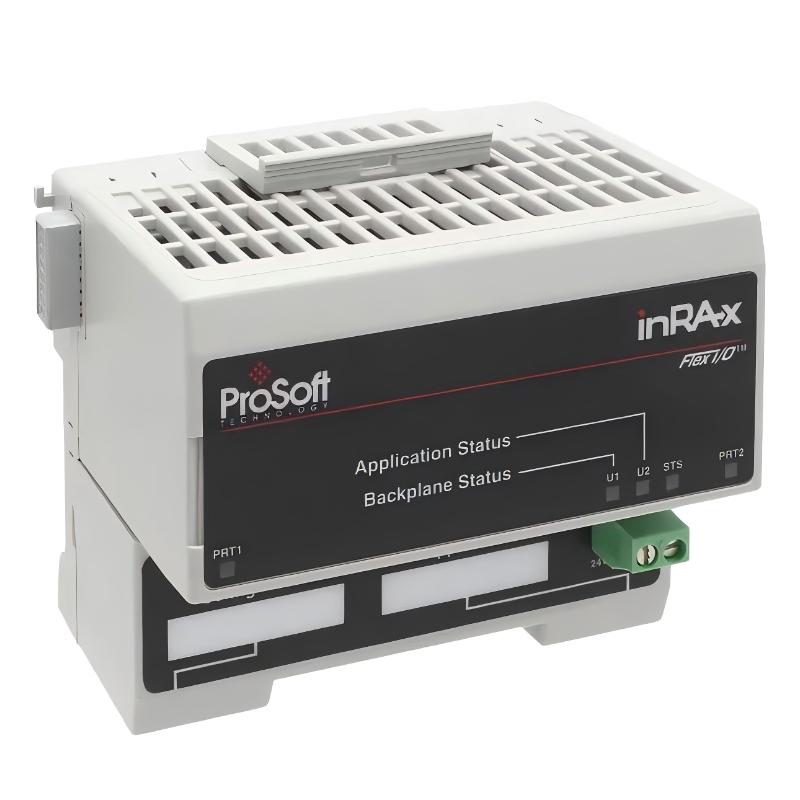
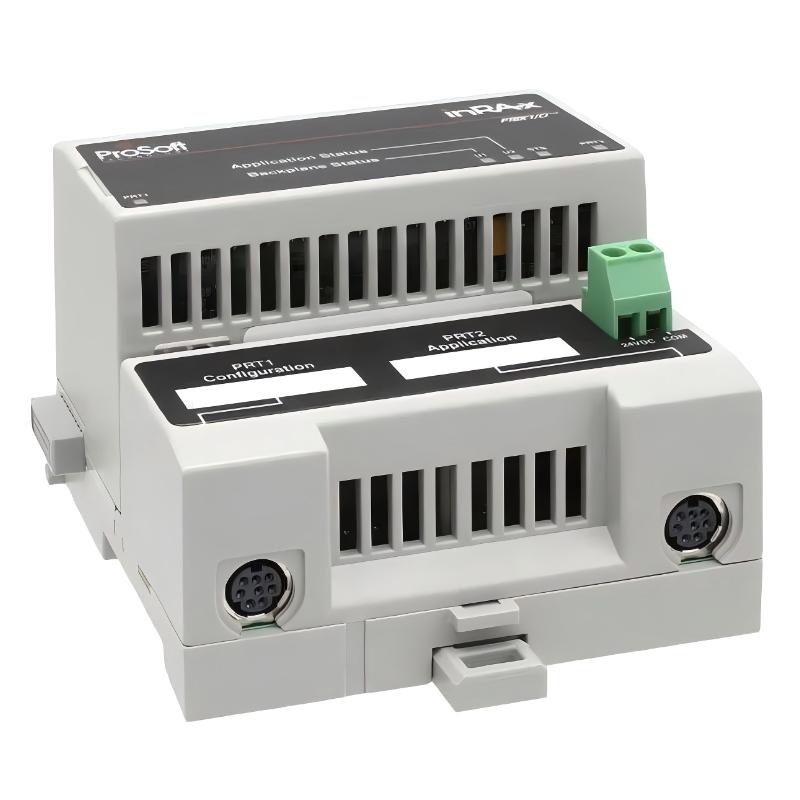
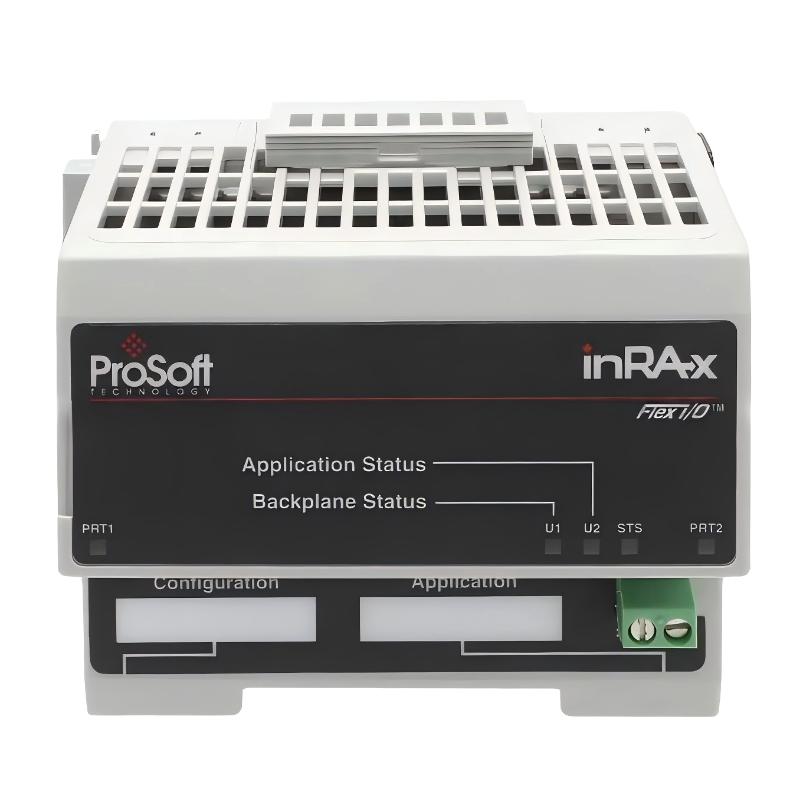
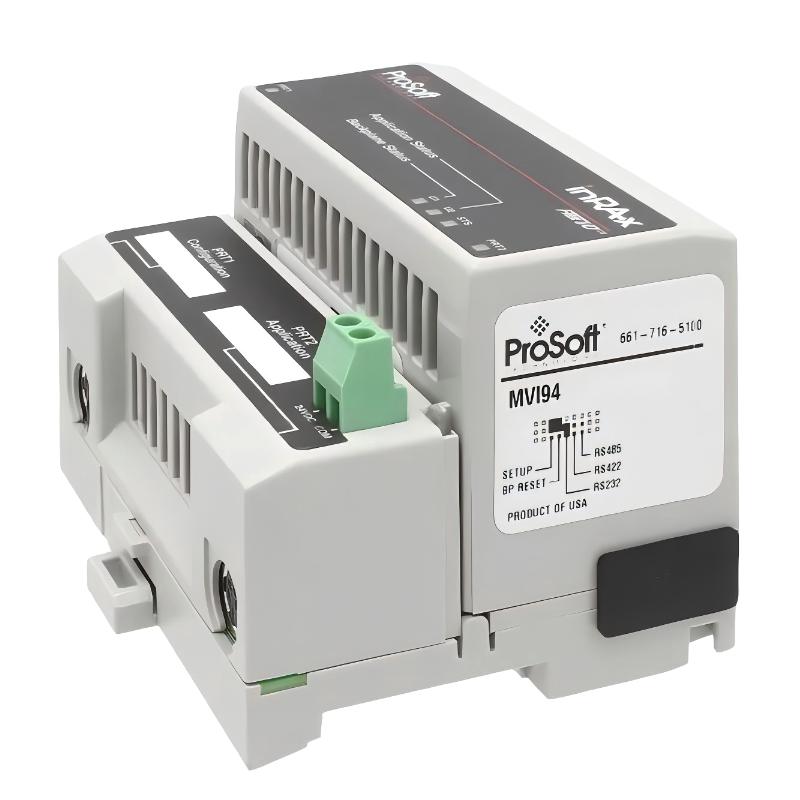
ProSoft MVI94-ADM Flex I/O Programmable Application Development Module
ProSoft MVI94-ADM Flex I/O Programmable Application Development Module
0.0
Points
Brand:Allen Bradley PLC Item No.:MVI94-ADM Product Origin:USA Product Dimensions:94 x 69 x 94 mm Product Weight:0.5 kg Payment:T/T, Western Union, Credit Card Goods_stock:15 Shipping Port:Xiamen, China Lead Time:1-3 Days Condition:Brand New And Original Warranty:1 Year Certificate:COO
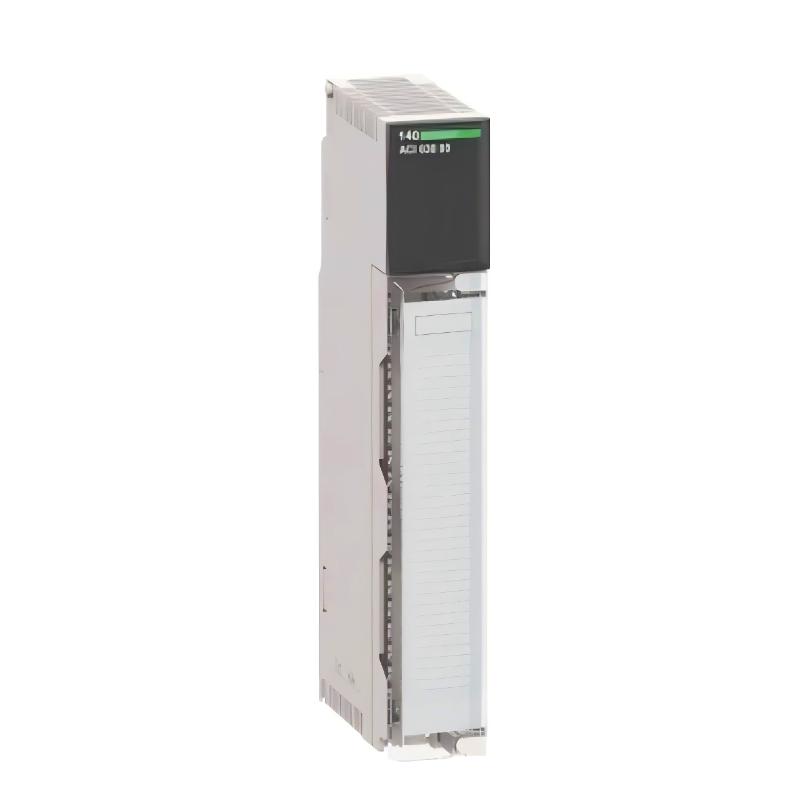
The ProSoft MVI94-ADM is a Flex I/O Programmable Application Development Module designed to run custom C-based applications directly within Rockwell Automation Flex I/O systems. It provides a powerful platform for implementing specialized communication, data processing, and protocol conversion tasks that extend beyond standard PLC functionality.
Technical Specifications
Parameter
Specification
Model
MVI94-ADM
Manufacturer
ProSoft
Type
Programmable Application Development Module
Platform
Rockwell Flex I/O / Integra I/O
Programming
C language application support
Communication Ports
2 × isolated serial ports
Port Types
RS-232 / RS-422 / RS-485 (configurable)
Function
Custom protocol and data processing
Mounting
Single-slot Flex I/O backplane
Dimensions
94 × 69 × 94 mm
Weight
0.5 kg
Application
Industrial automation customization
Recommended Related Models
Model
Product Name
MVI94-MCM
ProSoft Modbus Master/Slave Communication Module
MVI94-MNET
ProSoft Modbus TCP/IP Module
MVI69-MNET
ProSoft CompactLogix Modbus TCP Module
MVI69-DFNT
ProSoft EtherNet/IP Communication Module
Popular Related Models
Model
Product Name
MVI56E-MNETC
ProSoft Enhanced Modbus TCP/IP Module
MVI56E-MCMXT
ProSoft Enhanced Modbus Master/Slave Module
1756-EN2T
Allen-Bradley ControlLogix Ethernet Module
BMENOC0301C
Schneider Modicon Ethernet Communication Module
Applications
• In Flex I/O automation systems, the MVI94-ADM is used to run user-developed C-based applications directly on the I/O platform for customized data handling and protocol processing.
• It is deployed in industrial environments where standard communication modules cannot meet specific requirements, enabling custom serial communication logic for devices like barcode scanners, printers, and legacy controllers.
• In manufacturing automation systems, it is used to implement proprietary communication protocols between field devices and PLC backplanes without modifying the main controller program.
• It is applied in system integration projects where specialized data processing or translation is required between different industrial devices and Rockwell Flex I/O architectures.
• It is suitable for applications requiring embedded logic execution close to the I/O level, reducing PLC load and improving response efficiency in distributed control systems.
Key Advantages
• It supports full C-language application development, enabling highly customized communication and data processing solutions tailored to specific industrial requirements.
• It provides dual isolated serial ports, allowing independent and flexible communication with multiple field devices simultaneously.
• It reduces PLC processing burden by executing complex logic directly within the module, improving overall system efficiency.
• It integrates directly into the Flex I/O backplane, ensuring compact installation and seamless system compatibility.
• It offers high flexibility for legacy system integration, making it ideal for bridging non-standard or proprietary industrial protocols.
Technical FAQs
1. What is the main function of this module?
It allows custom C-programmed applications to run on the Flex I/O platform for specialized communication and control tasks.
2. What programming capability does it support?
It supports user-developed C language applications.
3. What type of communication ports does it have?
It includes two isolated serial communication ports.
4. What is it commonly used for?
It is used for barcode systems, printers, legacy ASCII devices, and custom protocol integration.
5. Does it require PLC program modification?
Not necessarily, as many processing tasks are handled inside the module.
6. Is it suitable for legacy systems?
Yes, it is widely used for integrating older serial-based industrial equipment.
7. Can it handle custom protocols?
Yes, it is specifically designed for user-defined protocol implementation.
8. What platform does it work with?
It is designed for Rockwell Automation Flex I/O systems.
9. Does it support real-time processing?
Yes, it processes data directly at the I/O level for faster response.
10. Is it suitable for industrial environments?
Yes, it is built for continuous operation in industrial automation systems.