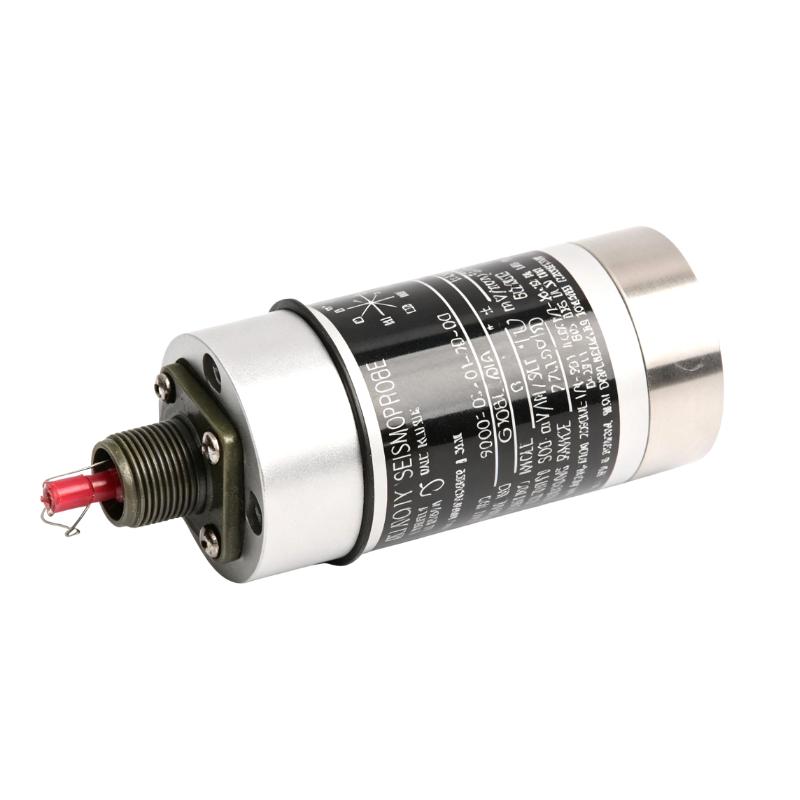
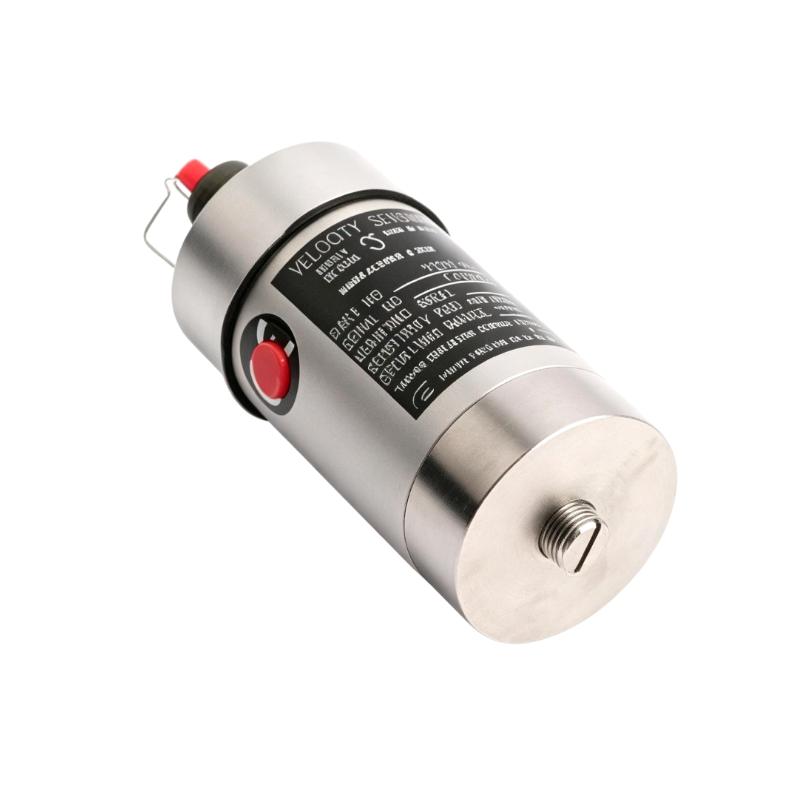
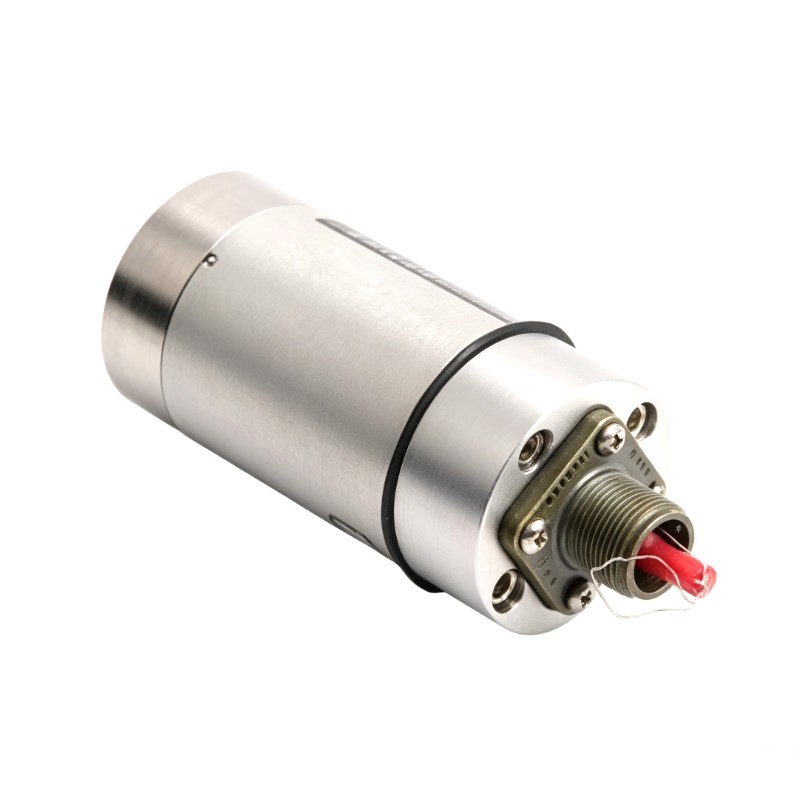
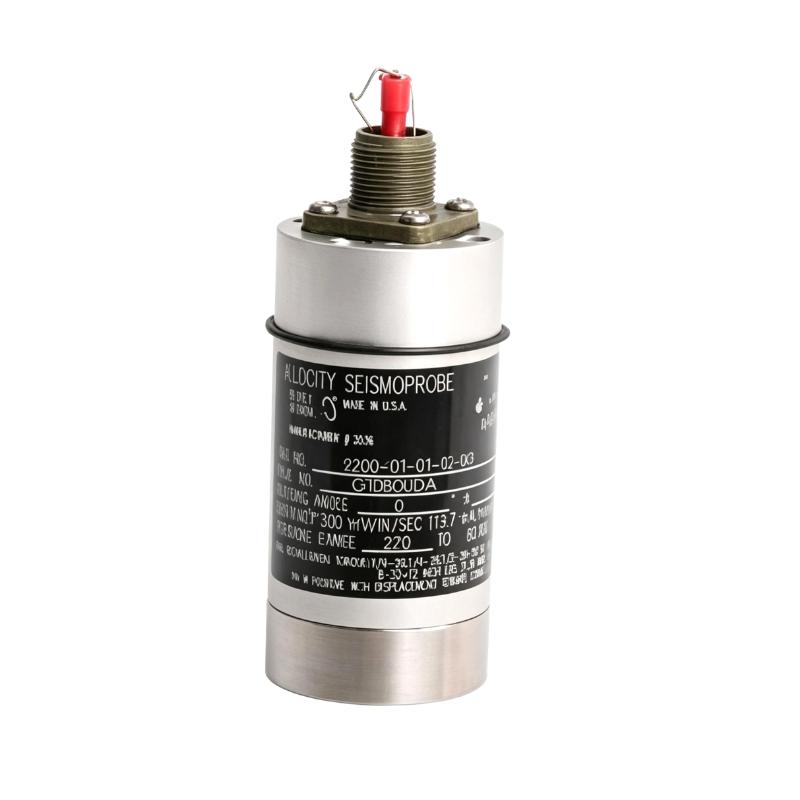
Bently Nevada 9200-01-01-01-00 Dual Linear Velocity Seismic Sensor
Bently Nevada 9200-01-01-01-00 Dual Linear Velocity Seismic Sensor
0.0
Points
Brand:Bently Nevada PLC Item No.:9200-01-01-01-00 Product Origin:USA Product Dimensions:Sensor Diameter: 41.4 mm Product Weight:0.3 kg Payment:T/T, Western Union, Credit Card Goods_stock:15 Shipping Port:Xiamen, China Lead Time:1-3 Days Condition:Brand New And Original Warranty:1 Year Certificate:COO
The Bently Nevada 9200-01-01-01-00 is a dual linear velocity seismic sensor designed for accurate measurement of machine casing vibration in industrial rotating equipment. It provides stable and reliable velocity-based vibration signals, making it a key component in machinery protection and condition monitoring systems.
Technical Specifications
Parameter
Specification
Model
9200-01-01-01-00
Manufacturer
Bently Nevada
Type
Dual Linear Velocity Seismic Sensor
Measurement Principle
Moving-coil seismic velocity sensing
Measured Parameter
Absolute vibration velocity
Sensor Diameter
41.4 mm
Output Signal
Analog velocity proportional voltage
Frequency Response
Industrial vibration monitoring range
Mounting
Rigid stud-mounted installation
Housing Material
Industrial-grade metal alloy
Operating Temperature
Industrial high-temperature range
Application
Machinery vibration monitoring and protection
Weight
0.3 kg
Recommended Related Models
Model
Product Name
330525-10
Bently Nevada Velomitor XA Piezo-velocity Sensor
330750-40-05
Bently Nevada High-temperature Speed Sensor
330180-X1-05
Bently Nevada Preamplifier Sensor
3500/42-04-01
Bently Nevada Seismic Monitor Module
Popular Related Models
Model
Product Name
3500/33-01-01
Bently Nevada 16-Channel Relay Module
3500/25
Bently Nevada Keyphasor Module
3500/15
Bently Nevada Power Supply Module
3500/92
Bently Nevada Communication Gateway Module
Applications
• Used in Bently Nevada vibration monitoring systems to measure absolute casing vibration in rotating machinery such as turbines, compressors, pumps, and motors, enabling continuous protection of critical assets.
• Applied in power generation facilities where accurate seismic velocity feedback is required to detect imbalance, misalignment, and early-stage mechanical deterioration in turbine systems.
• Widely deployed in oil & gas and petrochemical plants for monitoring heavy-duty rotating equipment operating under high load, vibration, and temperature stress conditions.
• Integrated into industrial condition monitoring systems to support predictive maintenance strategies by providing stable velocity-based vibration signals for diagnostics and trending.
• Used in auxiliary machinery monitoring applications where compact, reliable seismic sensing is required for long-term operational stability and safety assurance.
Key Advantages
• Delivers high-accuracy dual linear velocity measurement, ensuring reliable detection of machine casing vibration under real operating conditions.
• Utilizes proven seismic sensing technology that provides stable output even in environments with strong mechanical shock and continuous vibration.
• Designed for long-term industrial reliability with robust construction suitable for harsh environments including heat, oil exposure, and contamination.
• Offers excellent signal stability, making it highly effective for integration into machinery protection and diagnostic systems.
1. What is the main function of this sensor?
It measures absolute vibration velocity of machine housings for protection and condition monitoring.
2. What type of machines is it used on?
It is used on turbines, compressors, pumps, motors, and other rotating equipment.
3. What measurement principle does it use?
It uses seismic velocity sensing based on electromagnetic moving-coil technology.
4. Does it measure shaft vibration directly?
No, it measures casing or structural vibration, not direct shaft displacement.
5. Can it be used in continuous monitoring systems?
Yes, it is designed for continuous 24/7 machinery protection applications.
6. Is it suitable for harsh industrial environments?
Yes, it is built for high vibration, temperature variation, and industrial contamination conditions.
7. What type of output does it provide?
It provides an analog velocity signal proportional to vibration intensity.
8. Is it compatible with Bently Nevada monitoring systems?
Yes, it is typically integrated into Bently Nevada machinery protection platforms.
9. Can it support predictive maintenance strategies?
Yes, it is widely used for vibration trend analysis and early fault detection.
10. Does it require external power?
No external power is typically required as it operates as a passive velocity transducer.