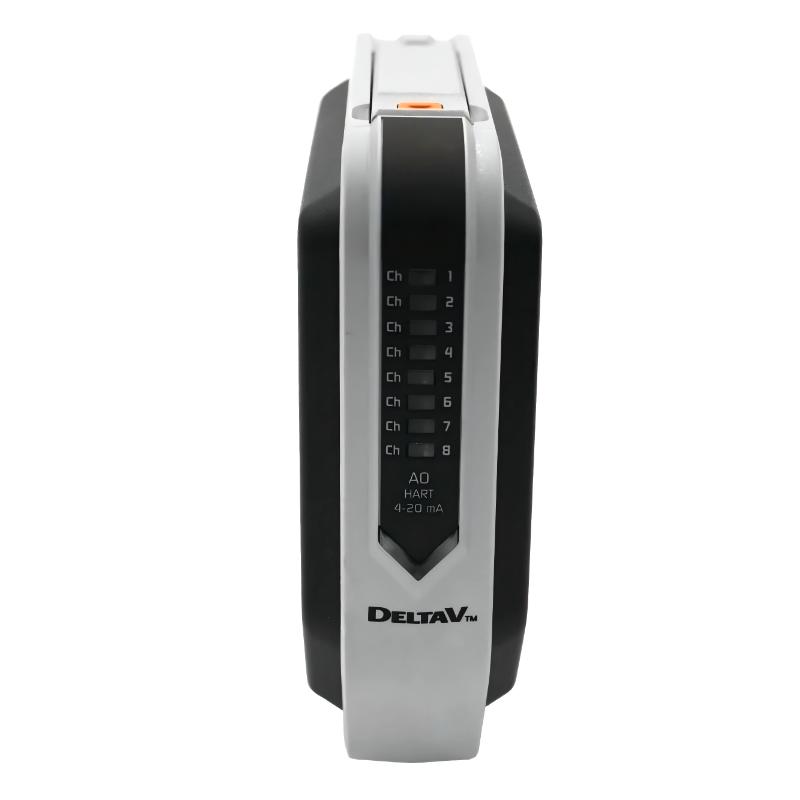
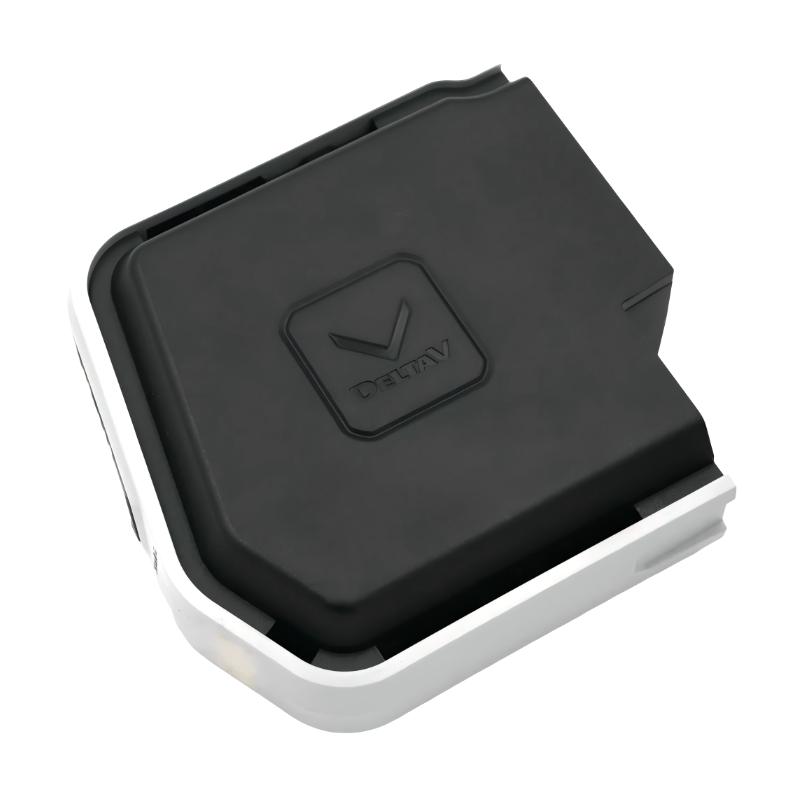
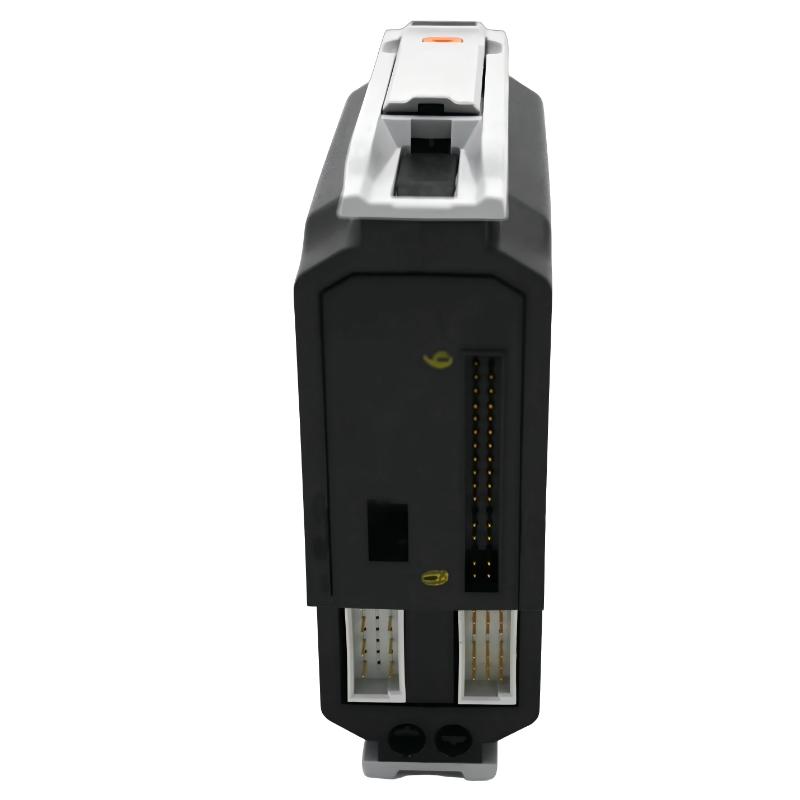
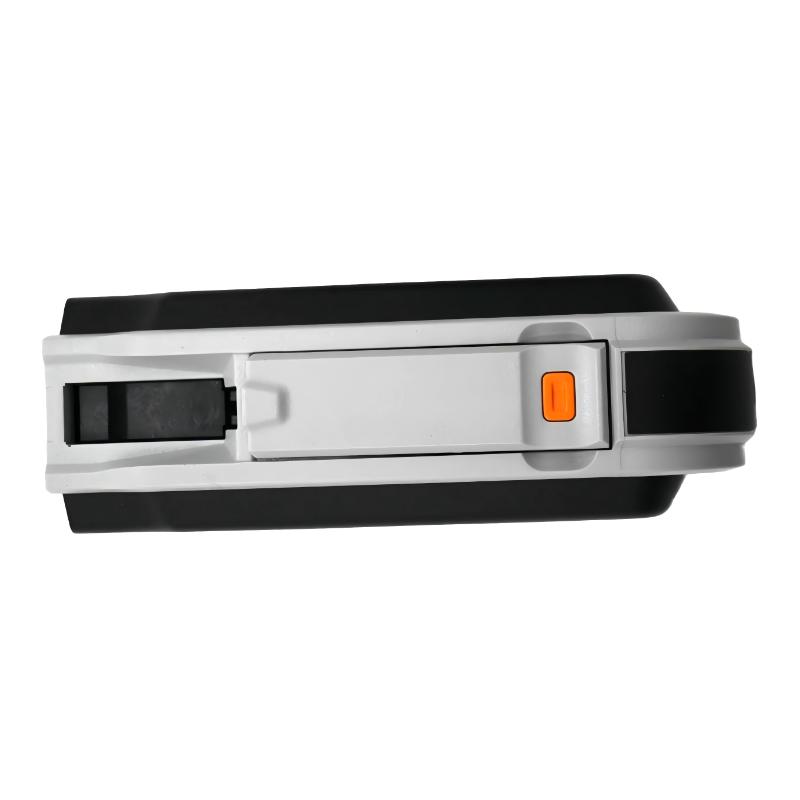
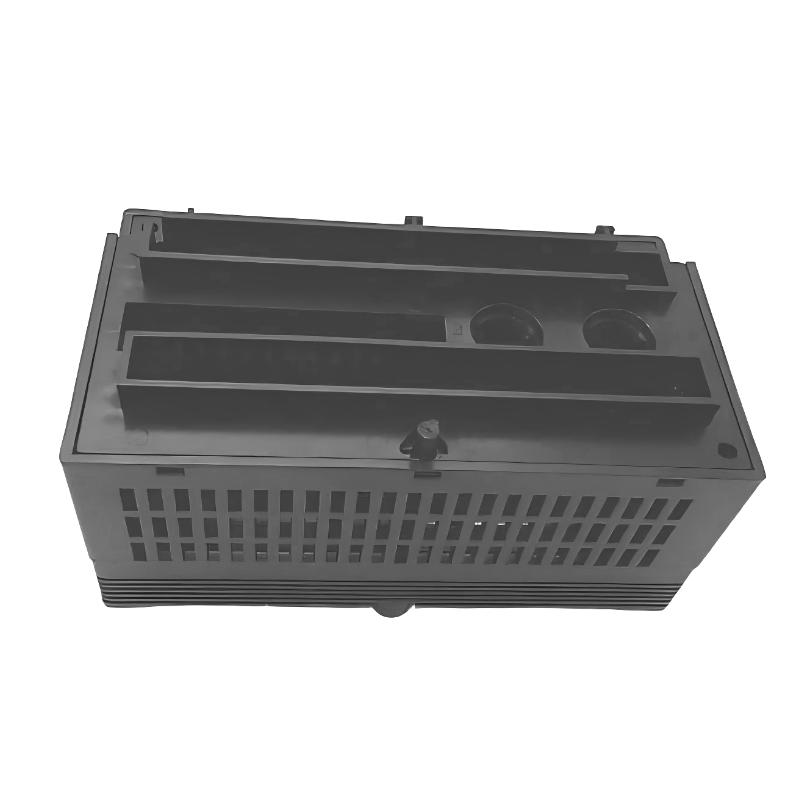
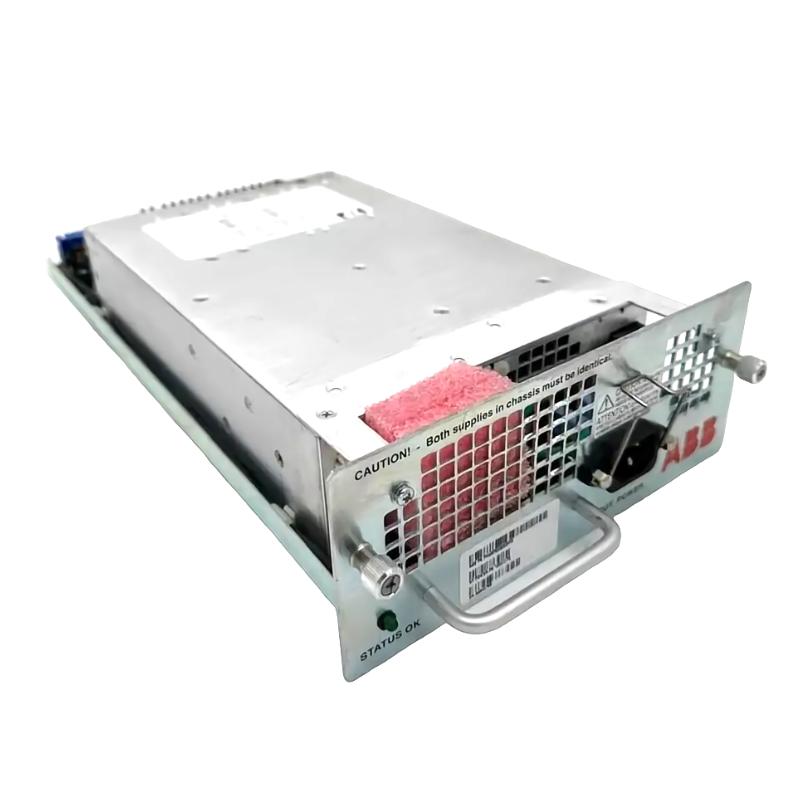
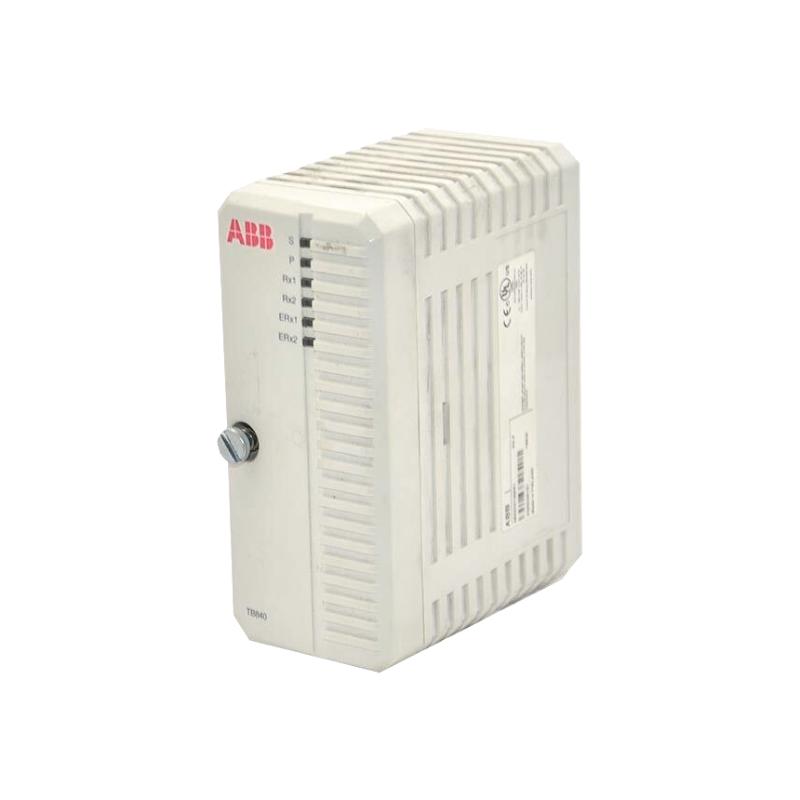
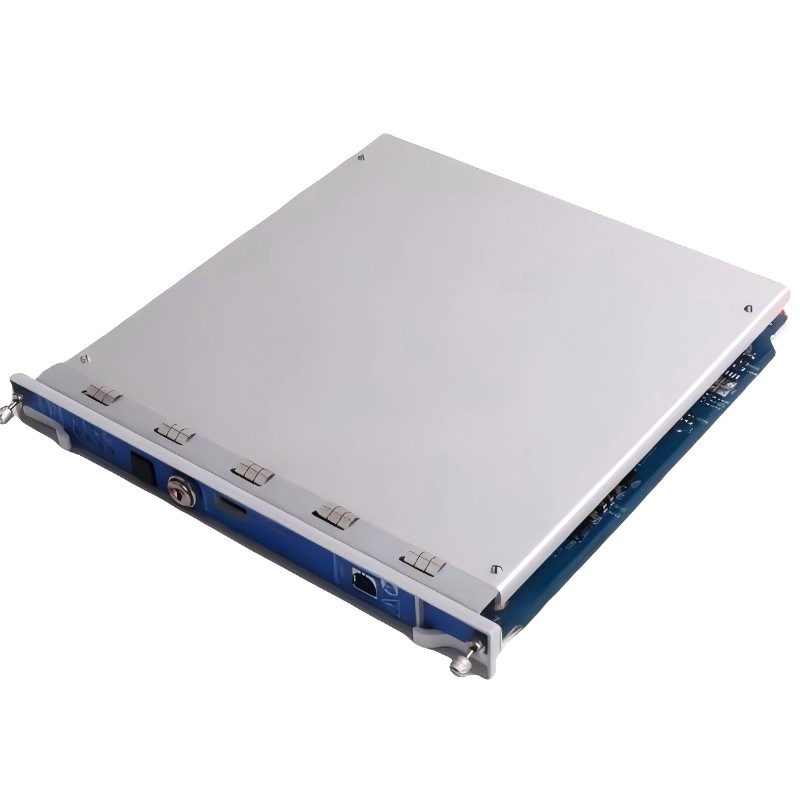
Brand:Emerson Module Item No.:SE4002S2T1B1 Product Origin:USA Product Dimensions:131 x 41.8 x 130.8 mm Product Weight:0.4 kg Payment:T/T, Western Union, Credit Card Goods_stock:15 Shipping Port:Xiamen, China Lead Time:1-3 Days Condition:Brand New And Original Warranty:1 Year Certificate:COO
The Emerson SE4002S2T1B1 is an 8-channel discrete output card designed for DeltaV S-Series distributed control systems. It provides reliable electrical switching signals to field devices, enabling precise control of industrial processes, equipment sequencing, and safety interlocks in demanding automation environments.
Technical Specifications
Parameter
Specification
Model
SE4002S2T1B1
Manufacturer
Emerson
Series
DeltaV S-Series
Type
Discrete Output Card
Output Channels
8 channels
Output Type
Isolated AC discrete output
Output Voltage
120/230V AC (system dependent)
Response Time
< 10 ms (typical)
Electrical Isolation
Channel-to-system isolation
Mounting
DeltaV S-Series carrier system
Operating Temperature
Industrial standard range
Application
Process automation and equipment control
Dimensions
131 × 130.8 × 41.8 mm
Weight
0.4 kg
Recommended Related Models
Model
Product Name
SE4002S2T2B1
Emerson AC Discrete Output Card (High-Side Version)
SE4001S3T2B2
Emerson AC Discrete Input Card
VE4001S2T2B1
Emerson DC Discrete Input Card
VE4003S2B1
Emerson DeltaV Smart Switch Module
Popular Related Models
Model
Product Name
KJ2003X1-BB1
Emerson DeltaV Controller Module
KJ3222X1-BA1
Emerson Analog Input Module
KJ3221X1-BA1
Emerson Analog Output Module
VE3008
Emerson DeltaV Controller Module
Applications
• In Emerson DeltaV S-Series control systems, the SE4002S2T1B1 is used to drive field devices such as solenoids, contactors, and interposing relays in industrial process automation environments.
• It is widely applied in oil & gas facilities for controlling shutdown valves, pump start/stop commands, and equipment interlocks in critical process units.
• In power generation plants, it is used to execute turbine auxiliary control functions and equipment sequencing through reliable discrete output signaling.
• In chemical and petrochemical industries, it supports automated process control by switching actuators based on logic from the DeltaV control system.
• It is suitable for manufacturing automation systems where dependable high-voltage discrete switching is required for machine and process control.
Key Advantages
• It provides 8-channel isolated discrete output capability, ensuring reliable switching of industrial field loads.
• It supports AC output switching (typically 120/230V), making it suitable for common industrial actuator and relay applications.
• It integrates seamlessly into the Emerson DeltaV S-Series architecture for consistent system performance and configuration.
• It offers strong electrical isolation between channels, improving system safety and noise immunity in harsh environments.
• It is designed for continuous operation in mission-critical process industries, ensuring high availability and reliability.
Technical FAQs
1. What is the main function of this module?
It provides discrete output signals to control field devices such as relays and solenoids.
2. How many output channels does it have?
It provides 8 independent discrete output channels.
3. What type of output does it support?
It supports isolated AC discrete outputs (commonly 120/230V AC depending on configuration).
4. What system is it used with?
It is part of the Emerson DeltaV S-Series I/O platform.
5. What types of loads can it drive?
It can drive relays, contactors, solenoid valves, and other industrial switching devices.
6. Is each channel isolated?
Yes, each output channel is electrically isolated for safety and reliability.
7. Is it suitable for safety-related applications?
Yes, it is commonly used in interlocks and process shutdown systems.
8. Can it operate continuously?
Yes, it is designed for 24/7 industrial operation.
9. Does it require external relays?
Often yes, especially for high-current or critical switching applications.
10. What industries commonly use it?
Oil & gas, power generation, chemical processing, and industrial manufacturing.