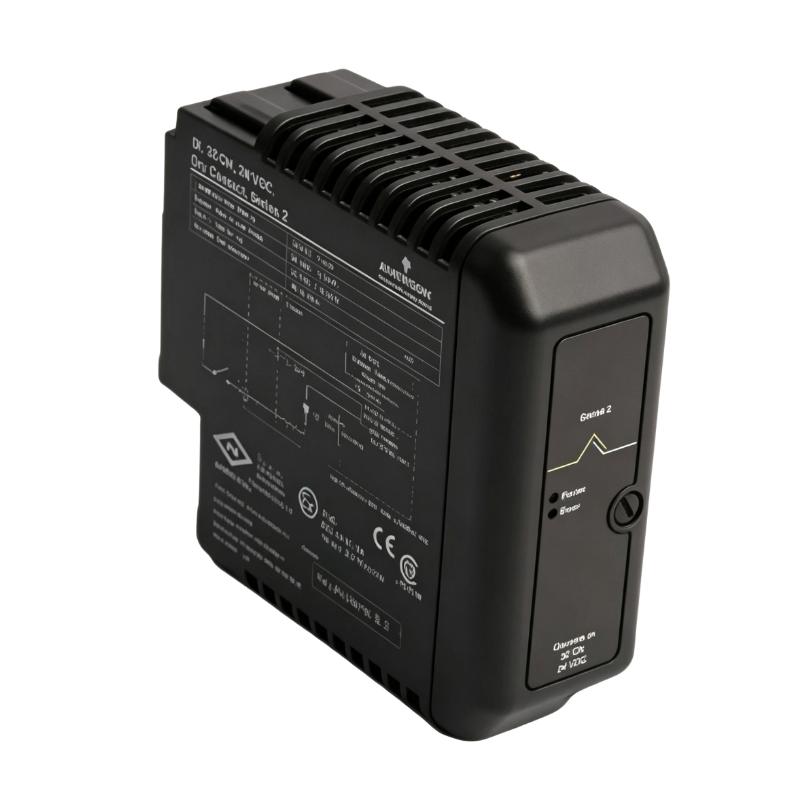
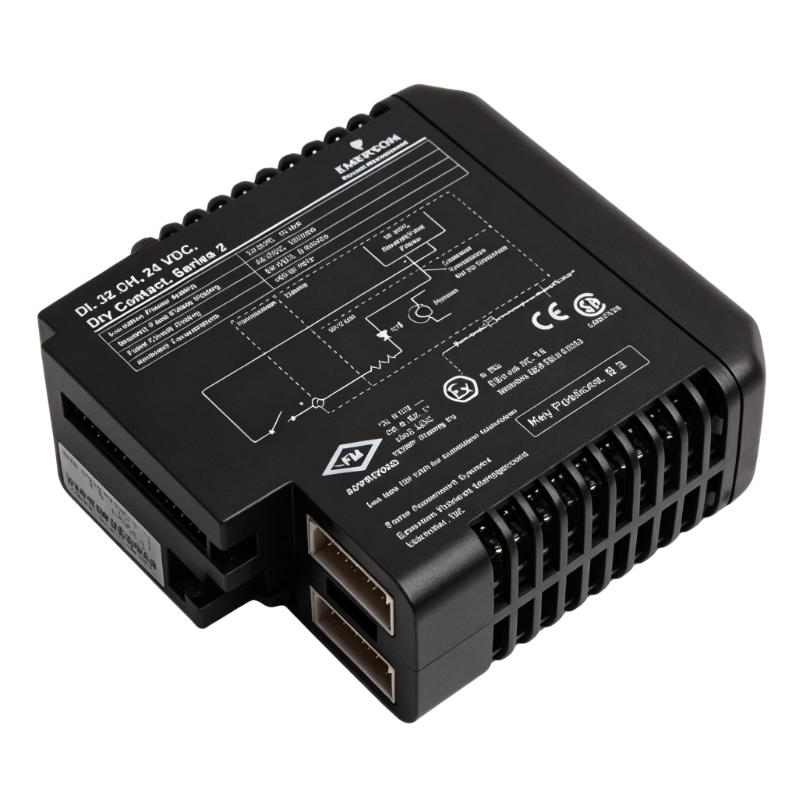
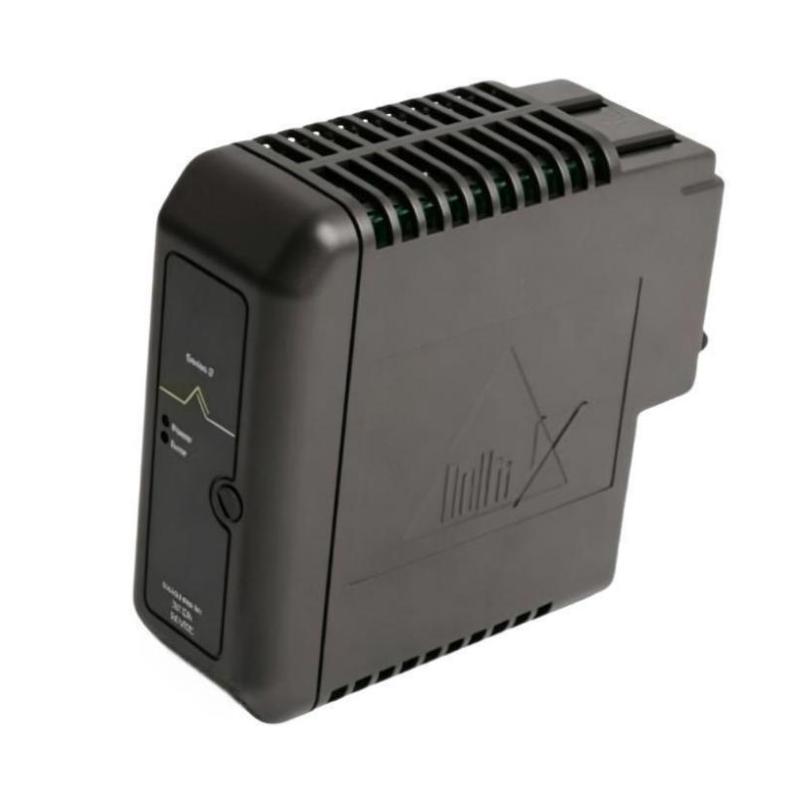
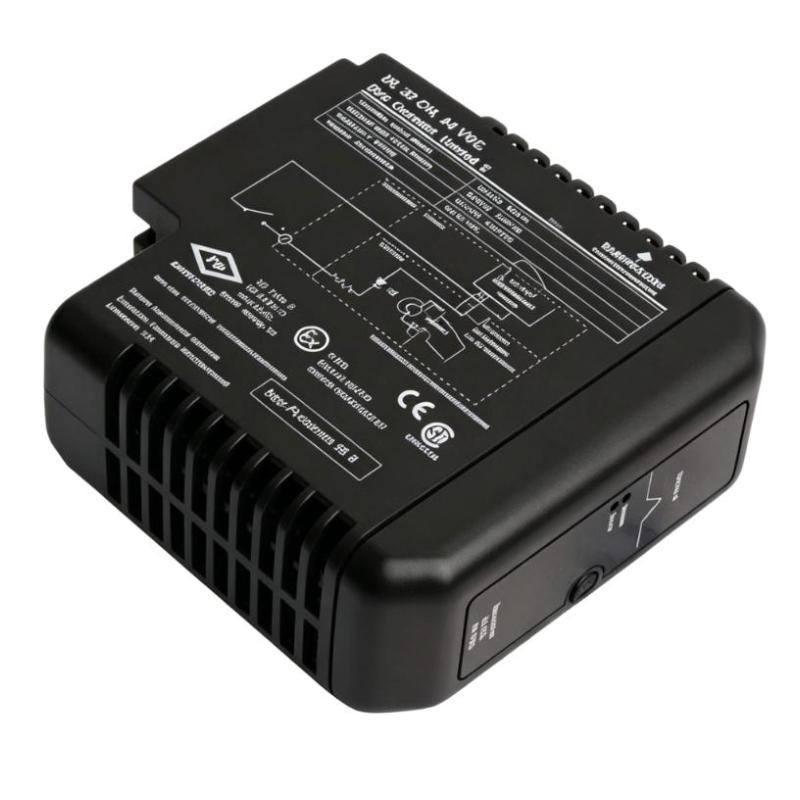
Emerson VE4102 DeltaV Serial Interface Port License
Emerson VE4102 DeltaV Serial Interface Port License
0.0
Points
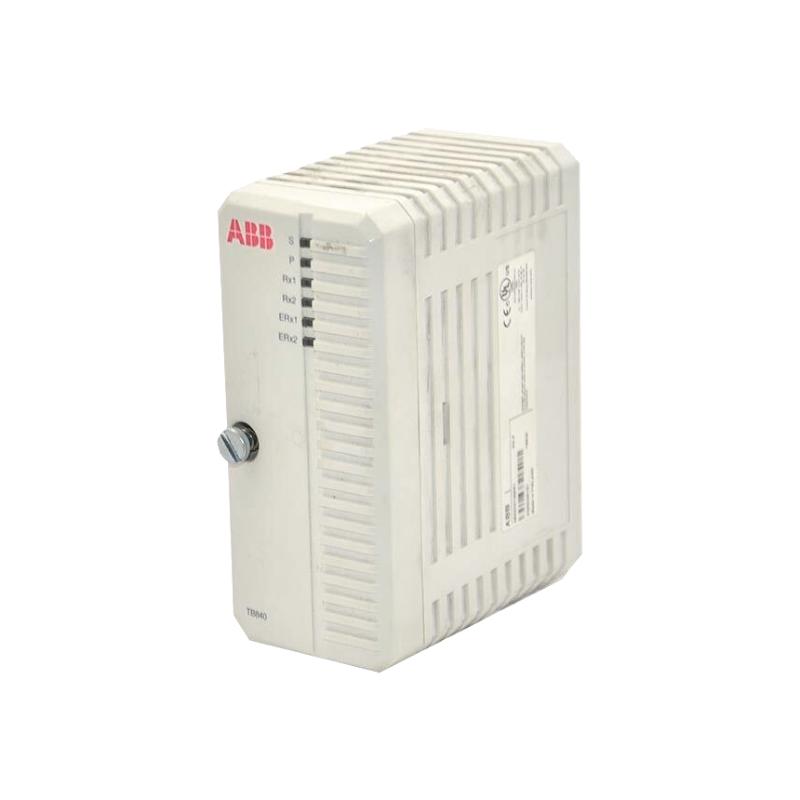
Brand:Emerson Module Item No.:VE4102 Product Origin:USA Product Dimensions:107 x 41 x 105 mm Product Weight:0.25 kg Payment:T/T, Western Union, Credit Card Goods_stock:15 Shipping Port:Xiamen, China Lead Time:1-3 Days Condition:Brand New And Original Warranty:1 Year Certificate:COO
The Emerson VE4102 DeltaV Serial Interface Port License is a system-level software license that enables serial communication capabilities within DeltaV control architectures. It allows secure and structured integration of external devices using serial protocols, supporting both modern and legacy industrial automation environments.
Technical Specifications
Parameter
Specification
Model
VE4102
Manufacturer
Emerson
System
DeltaV DCS
Type
Serial Interface Port License
Function
Enables serial communication ports
Supported Protocols
Modbus RTU, Modbus ASCII (and others via drivers)
Licensing Basis
Per serial interface port (system dependent)
Hardware Dependency
DeltaV Serial Interface modules
Installation
Software license (ProfessionalPlus workstation)
Operating Environment
DeltaV control system software environment
Application
Industrial communication and system integration
Physical Dimensions
107 × 105 × 41 mm (license package reference)
Weight
0.25 kg
Recommended Related Models
Model
Product Name
VE4106
Emerson OPC UA Client License
VE4006P2
Emerson Serial Interface Module
VE4003S2B1
Emerson Standard I/O Termination Block
KJ4010X1-BF1
Emerson System Interface Module
Popular Related Models
Model
Product Name
KJ2003X1-BB1
Emerson DeltaV Controller Module
VE3008
Emerson DeltaV Controller Module
KJ3222X1-BA1
Emerson Analog Input Module
SE4001S3T2B2
Emerson Discrete Input Card
Applications
• In Emerson DeltaV distributed control systems, the VE4102 license is used to enable serial communication between the control system and external devices such as PLCs, analyzers, drives, and legacy automation equipment via Modbus or other serial protocols.
• It is widely applied in brownfield plant integration projects where existing RS232/RS485-based equipment needs to be connected to modern DeltaV architectures without replacing field devices.
• In oil & gas and chemical industries, it is used to support data exchange between DeltaV controllers and third-party instrumentation systems for monitoring and control integration.
• It is deployed in power generation facilities where serial communication is required for auxiliary systems, turbine subsystems, and legacy control interfaces.
• It is suitable for industrial automation environments requiring reliable and validated serial data communication between heterogeneous control systems.
Key Advantages
• It enables structured serial communication licensing within DeltaV, ensuring controlled and traceable use of serial interface resources.
• It supports multiple serial protocols such as Modbus RTU and ASCII, allowing flexible integration with a wide range of field devices.
• It works seamlessly with DeltaV Serial Interface modules, enabling plug-and-play configuration within the control system environment.
• It improves system interoperability by allowing DeltaV to communicate with legacy and third-party automation equipment.
• It is designed for scalable system architectures where multiple serial connections may be required across different control areas.
Technical FAQs
1. What is the main purpose of the VE4102 license?
It enables serial communication functionality within the DeltaV control system.
2. What types of protocols does it support?
It supports Modbus RTU, Modbus ASCII, and other serial communication protocols depending on configuration.
3. Is this a hardware or software component?
It is a software license, not a physical device.
4. What systems does it work with?
It is used with Emerson DeltaV distributed control systems.
5. Why is this license needed?
It authorizes the use of serial interface ports within the DeltaV system.
6. Can it be used for PLC integration?
Yes, it is commonly used for integrating PLCs and legacy serial devices.
7. Does each serial port require a license?
Yes, typically licensing is applied per serial port depending on system configuration.
8. Is it used in modern systems only?
No, it is especially important for legacy system integration.
9. Does it process data directly?
No, it only enables communication capability within the system.
10. What industries commonly use it?
Oil & gas, power generation, petrochemical, and manufacturing industries.