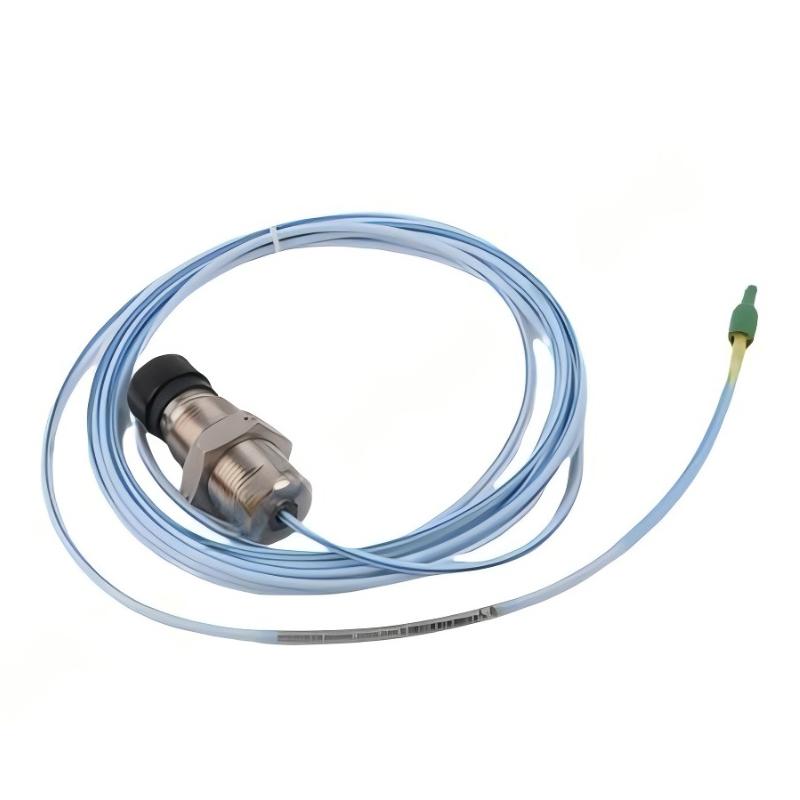
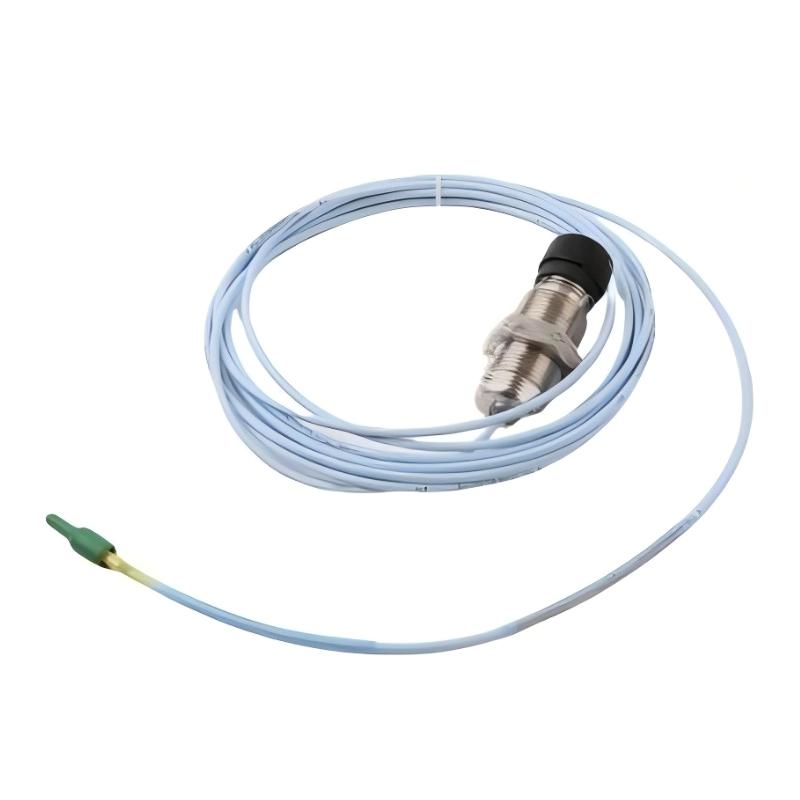
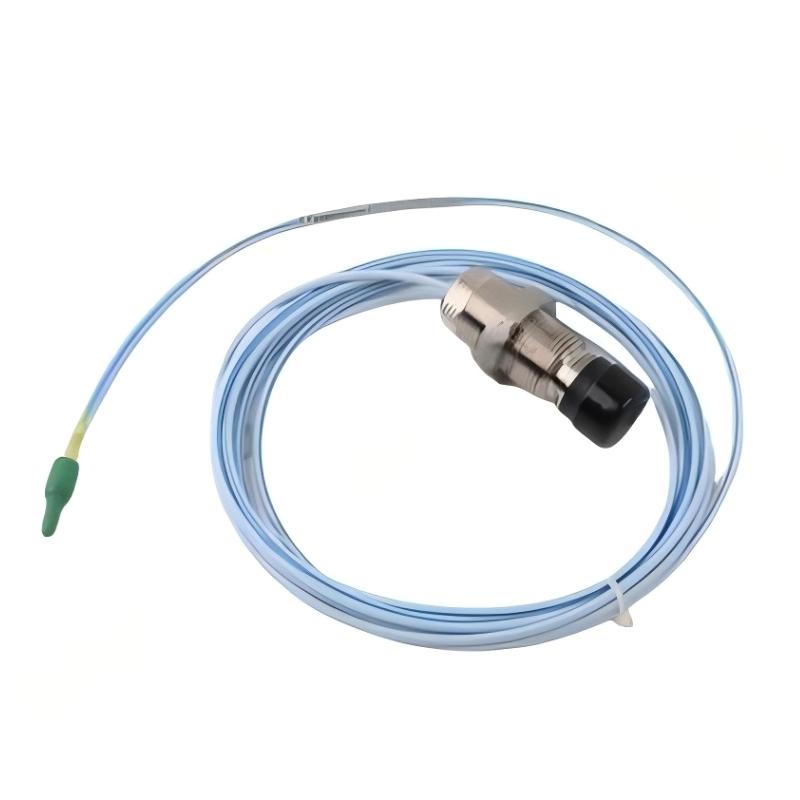
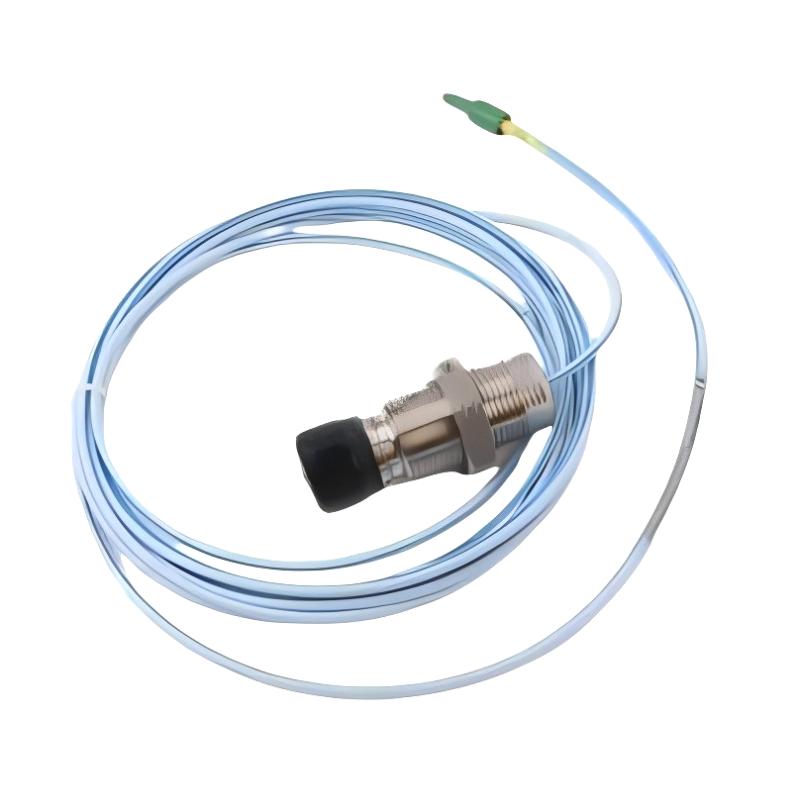
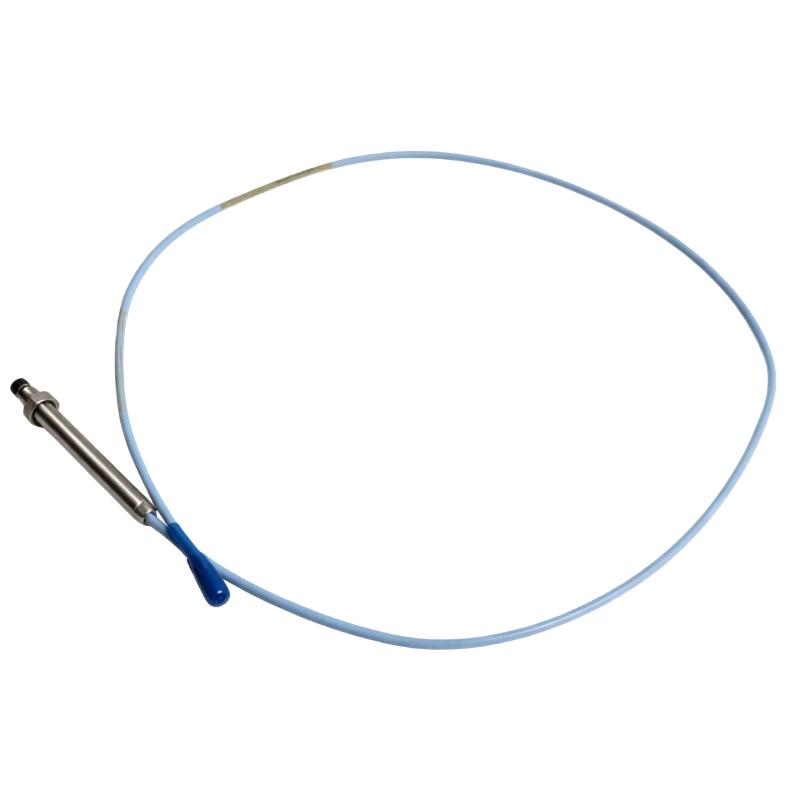
Bently Nevada 330851-02-000-030-10-00-05 3300 XL 25 mm Proximity Probe
Bently Nevada 330851-02-000-030-10-00-05 3300 XL 25 mm Proximity Probe
0.0
Points
Brand:Bently Nevada PLC Item No.:330851-02-000-030-10-00-05 Product Origin:USA Product Dimensions:Total Length: 1 meter Product Weight:0.23 kg Payment:T/T, Western Union, Credit Card Goods_stock:15 Shipping Port:Xiamen, China Lead Time:1-3 Days Condition:Brand New And Original Warranty:1 Year Certificate:COO
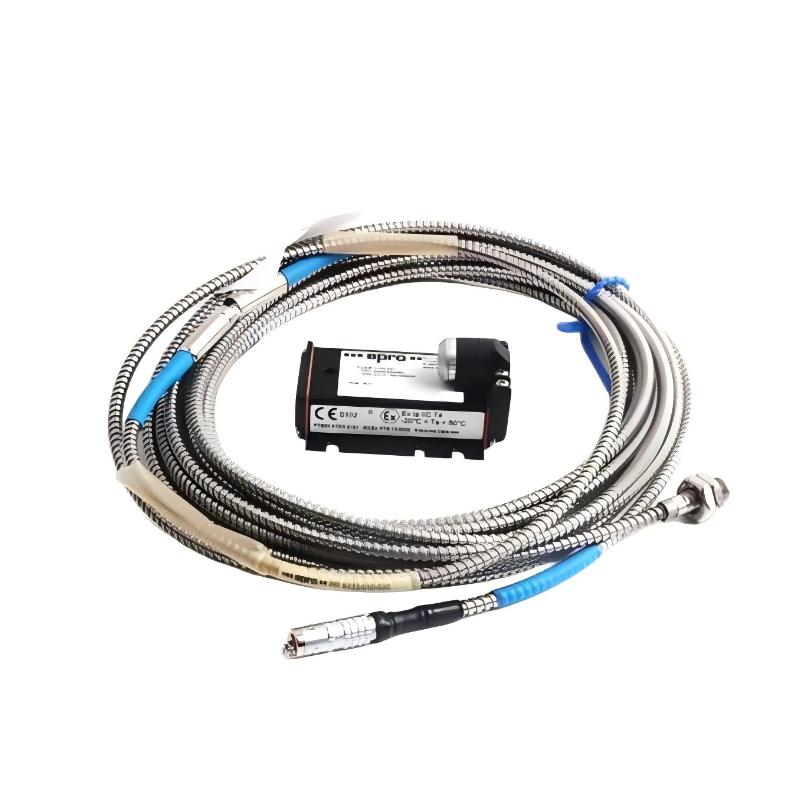
The Bently Nevada 330851-02-000-030-10-00-05 3300 XL 25 mm Proximity Probe is an industrial-grade eddy current sensor designed for precise measurement of shaft vibration and displacement in rotating machinery systems.
It plays a key role in machinery protection strategies by enabling early detection of mechanical faults such as imbalance, misalignment, and bearing wear. This improves operational reliability and supports safer long-term industrial operation.
Technical Specifications
Parameter
Specification
Product Type
Proximity Probe (Eddy Current Sensor)
Series
Bently Nevada 3300 XL
Model Number
330851-02-000-030-10-00-05
Sensing Diameter
25 mm
Total Length
1 meter
Output Signal
Analog displacement signal
Installation Type
Fixed industrial probe system
Application Environment
Rotating machinery monitoring systems
Weight
0.23 kg (0.51 lb)
Applications
The Bently Nevada 3300 XL 25 mm proximity probe is designed for critical machinery condition monitoring where stable shaft displacement and vibration measurement are required for operational safety and asset reliability.
It is widely used in steam turbines, compressors, pumps, generators, and other rotating machinery in power generation, oil and gas, and heavy industrial environments. In turbine systems, it supports continuous shaft vibration tracking and axial position monitoring. In compressor and pump systems, it helps detect early mechanical degradation such as imbalance, misalignment, and bearing wear.
It is also commonly integrated into predictive maintenance systems where real-time monitoring data is required to reduce downtime and improve equipment performance.
Advantages
This proximity probe is engineered to deliver stable and accurate measurement performance in demanding industrial environments.
It provides high linearity eddy current sensing, ensuring precise and repeatable vibration and displacement measurement. The design offers strong resistance to electromagnetic interference, making it suitable for electrically noisy industrial sites.
The probe is optimized for long-term operation with minimal signal drift, reducing maintenance requirements and improving system reliability. It integrates seamlessly with Bently Nevada 3300 XL monitoring systems, ensuring consistent performance within machinery protection architectures.
Technical FAQs
Q1: What measurement principle does this probe use?
It uses eddy current technology for non-contact shaft displacement and vibration measurement.
Q2: Is it compatible with the 3300 XL system?
Yes, it is fully compatible with Bently Nevada 3300 XL platforms.
Q3: Can it operate in continuous monitoring systems?
Yes, it is designed for 24/7 industrial condition monitoring.
Q4: What type of output signal does it provide?
It provides an analog displacement signal proportional to shaft movement.
Q5: Is it suitable for high-speed rotating machinery?
Yes, it is designed for turbine and compressor high-RPM applications.
Q6: Does it require frequent calibration?
No, it is factory-stabilized for long-term stable operation.
Q7: How does it handle electrical noise?
It uses shielding design to reduce electromagnetic interference.
Q8: What industries commonly use this probe?
Power generation, oil and gas, petrochemical, and heavy industry.
Q9: Can it be used in harsh environments?
Yes, it is designed for vibration, temperature variation, and industrial noise conditions.
Q10: Is it suitable for predictive maintenance systems?
Yes, it is widely used in condition-based monitoring architectures.