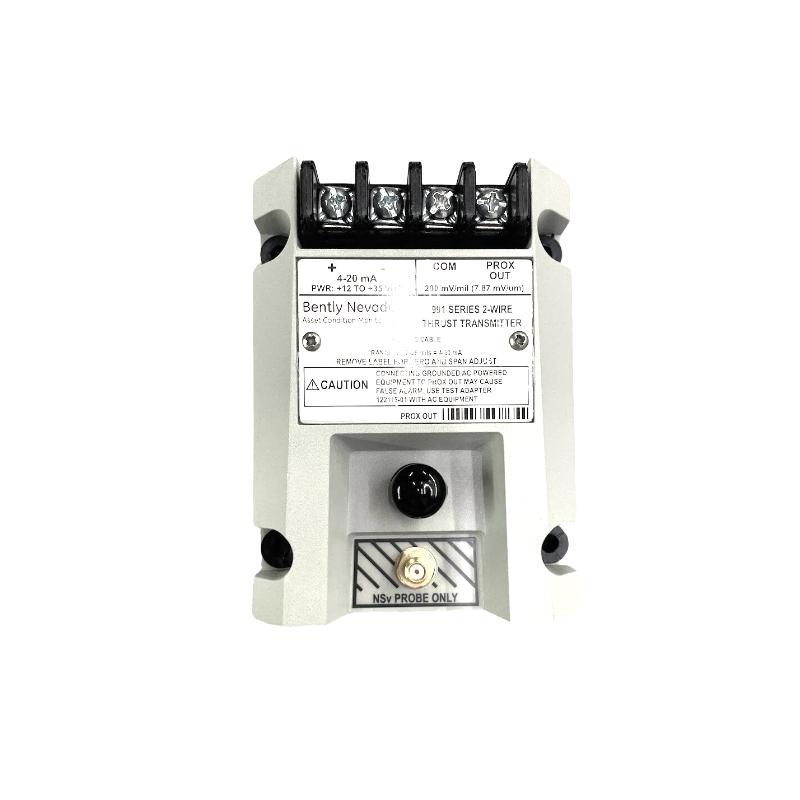
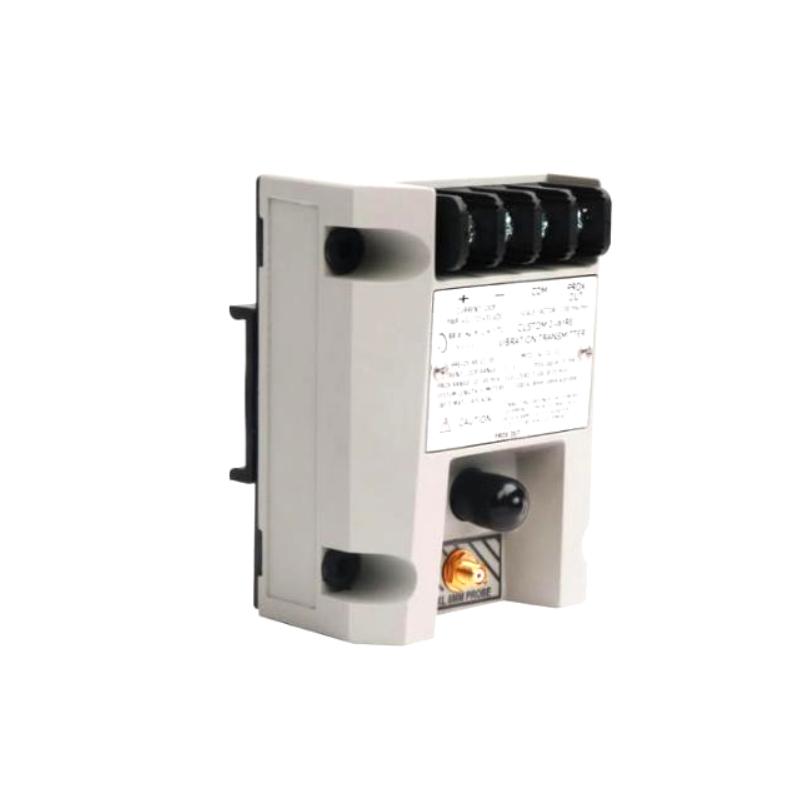
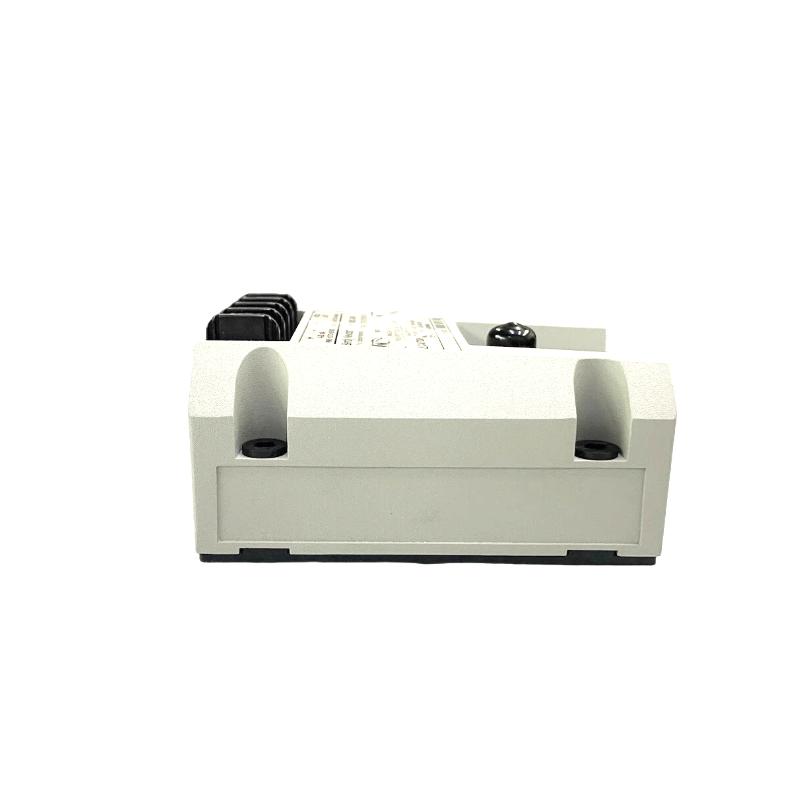
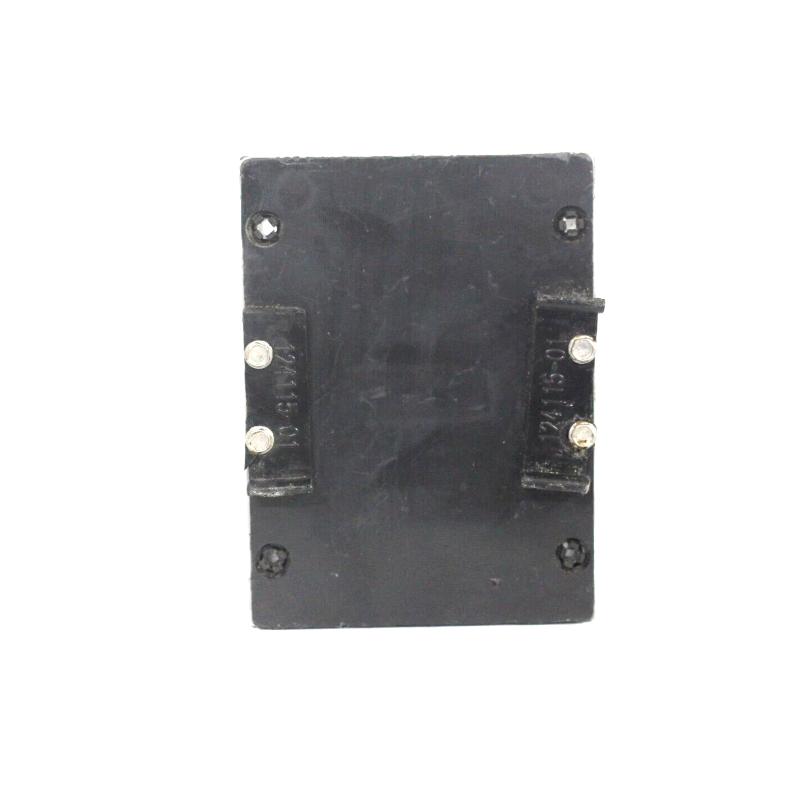
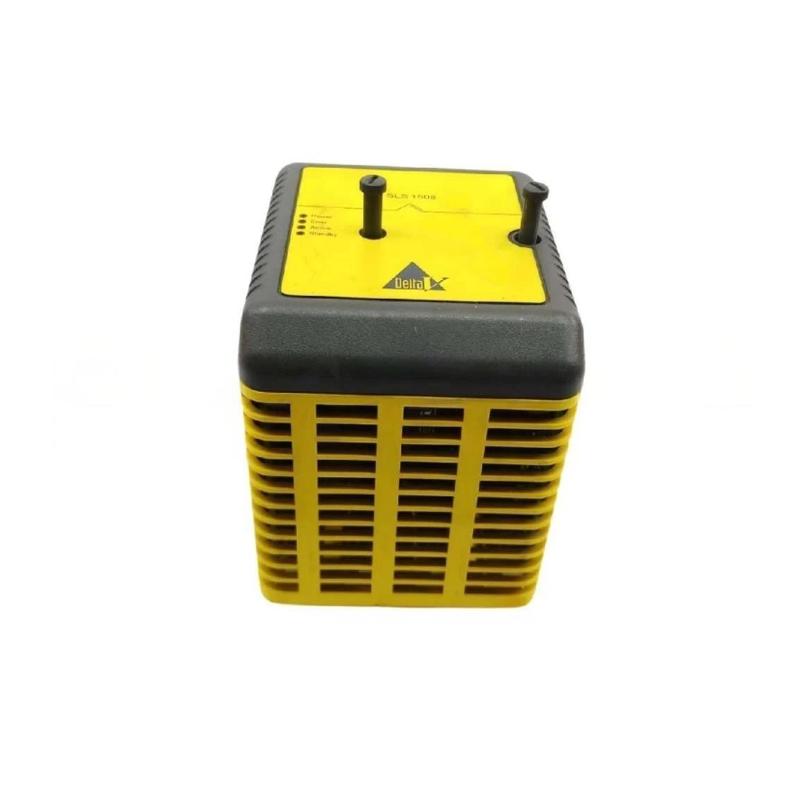
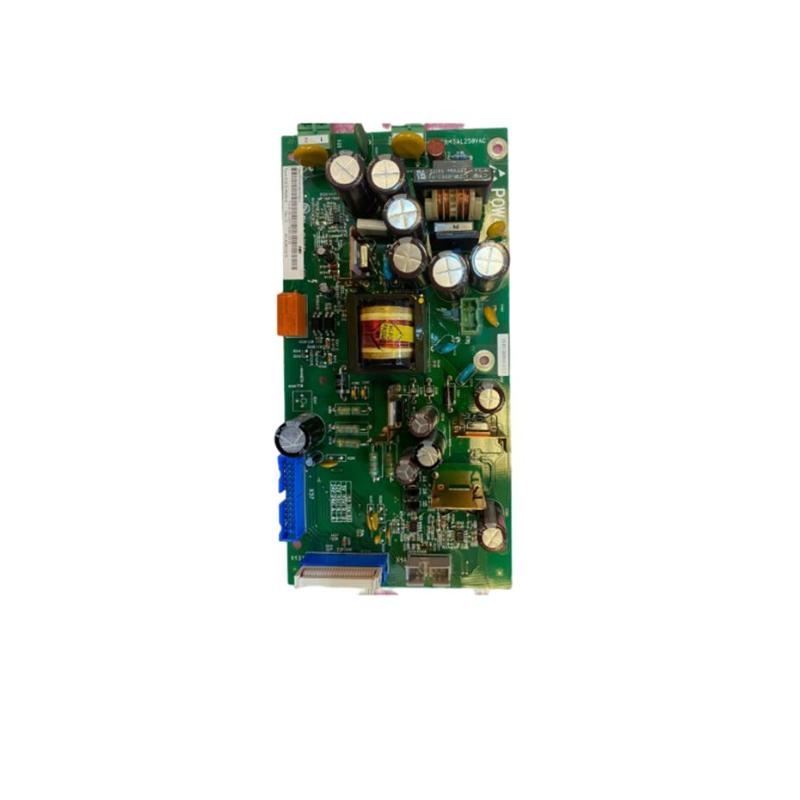
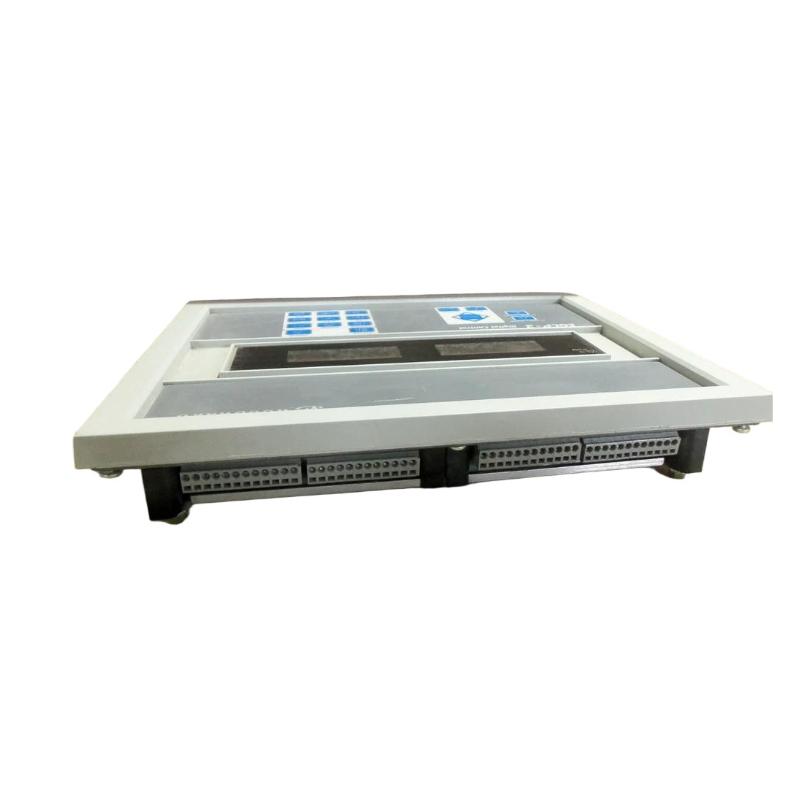
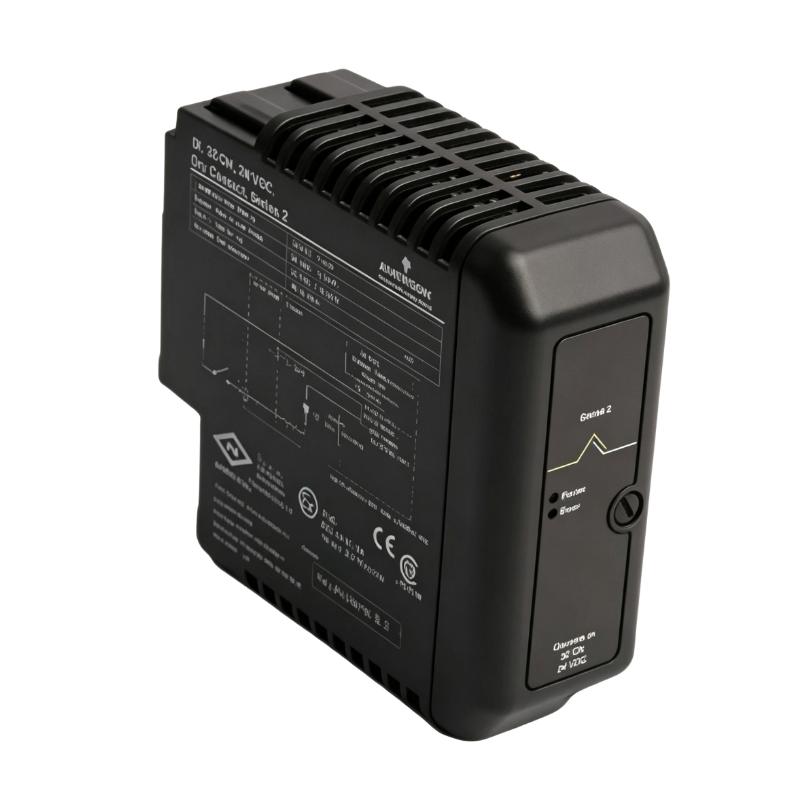
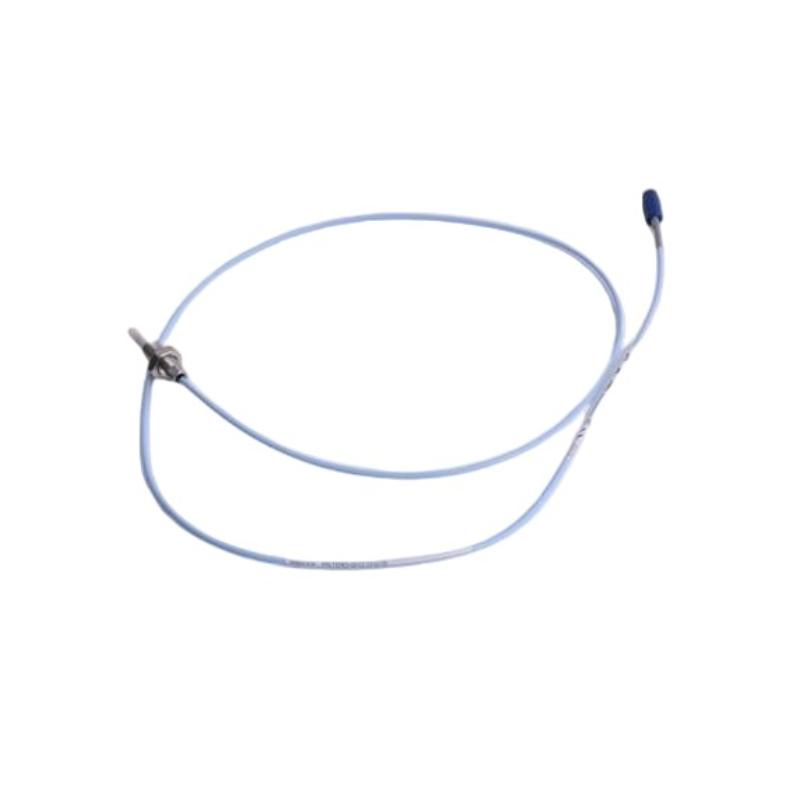
Brand:Bently Nevada PLC Item No.:991-06-70-01-05 Product Origin:USA Product Dimensions:100.1 x 73.9 x 53.3 mm Product Weight:0.43 kg Payment:T/T, Western Union, Credit Card Goods_stock:15 Shipping Port:Xiamen, China Lead Time:1-3 Days Condition:Brand New And Original Warranty:1 Year Certificate:COO
The 991-06-70-01-05 is a loop-powered thrust transmitter designed for axial displacement monitoring in rotating machinery. It converts proximity probe signals into a stable 4–20 mA output for integration into industrial automation and protection systems.
It is widely used in turbines, compressors, pumps, and other rotating equipment where axial shaft position must be continuously monitored to ensure mechanical stability and prevent thrust-related failures.
The 991 series is specifically engineered for thrust monitoring applications rather than radial vibration, making it essential for compressor and turbine systems where axial load behavior directly impacts operational safety and equipment life.
This variant is commonly used in OEM and industrial installations requiring standardized configuration and long-term operational reliability.
Technical Specifications
Parameter
Value
Model
991-06-70-01-05
Product Type
Thrust Sensor / Transmitter
Output Signal
4–20 mA
Power Supply
12–35 VDC (loop powered)
Input Type
Bently Nevada proximity probe system
Operating Temperature
-40°C to +85°C
Measurement Type
Axial displacement / thrust monitoring
Accuracy
Manufacturer system-dependent (typically ±1% FS)
Response Time
Application dependent
Mounting Type
DIN rail / panel mount
Dimensions
100.1 × 73.9 × 53.3 mm
Weight
0.43 kg (0.95 lb)
Recommended Related Models
Bently Nevada 991-06-70-01-00
Bently Nevada 991-06-50-01-05
Bently Nevada 991-06-50-01-00
Bently Nevada 991-01-XX-01-05 284318-01
Bently Nevada 990-10-XX-01-05 165353-01
Popular Related Models
991-06-70-01-00
991-06-50-01-05
991-06-50-01-00
991-01-XX-01-05
990-08-XX-01-05
Applications
The Bently Nevada 991-06-70-01-05 991 Thrust Sensor Module is designed for axial displacement (thrust position) monitoring in rotating machinery, delivering reliable 4–20 mA signal output for industrial protection and condition monitoring systems.
Typical applications include:
Steam turbine thrust bearing position monitoring
Gas turbine axial displacement tracking
Centrifugal compressor thrust control systems
Industrial pump shaft axial movement supervision
Gearbox thrust load monitoring
Industrial fan rotor stability control
Critical rotating machinery protection systems
OEM machinery condition monitoring solutions
Advantages
High-precision axial thrust measurement for rotating machinery protection
Integrated signal conditioning reduces external system complexity
Stable 4–20 mA output for direct PLC/DCS integration
Loop-powered 2-wire design simplifies installation and wiring
Compatible with Bently Nevada proximity probe systems
Rugged industrial-grade housing for harsh environments
Built-in NOT OK diagnostic function for fault detection
Designed for continuous 24/7 industrial monitoring operation
Technical FAQs
Q1: What is the main function of this sensor?
A1: It measures axial displacement (thrust position) in rotating machinery and converts it into a proportional 4–20 mA signal.
Q2: Is it loop-powered?
A2: Yes, it operates as a 2-wire loop-powered transmitter.
Q3: What output signal does it provide?
A3: It provides a standard 4–20 mA analog output signal.
Q4: What type of machinery uses it?
A4: It is commonly used in turbines, compressors, pumps, motors, and fans.
Q5: Can it operate continuously?
A5: Yes, it is designed for 24/7 industrial monitoring.
Q6: Does it include diagnostics?
A6: Yes, it includes NOT OK signal and self-diagnostic functionality.
Q7: Is it suitable for harsh environments?
A7: Yes, it is built for vibration, temperature, and humidity stress conditions.
Q8: Does it require external signal conditioning?
A8: No, signal conditioning is fully integrated inside the unit.
Q9: Can it connect directly to PLC/DCS systems?
A9: Yes, it integrates directly via 4–20 mA input channels.
Q10: What is the difference between the -70-01-00 and -70-01-05 variants?
A10: The “-05” variant typically indicates a configuration or certification option within the same system range, while maintaining identical thrust monitoring functionality.