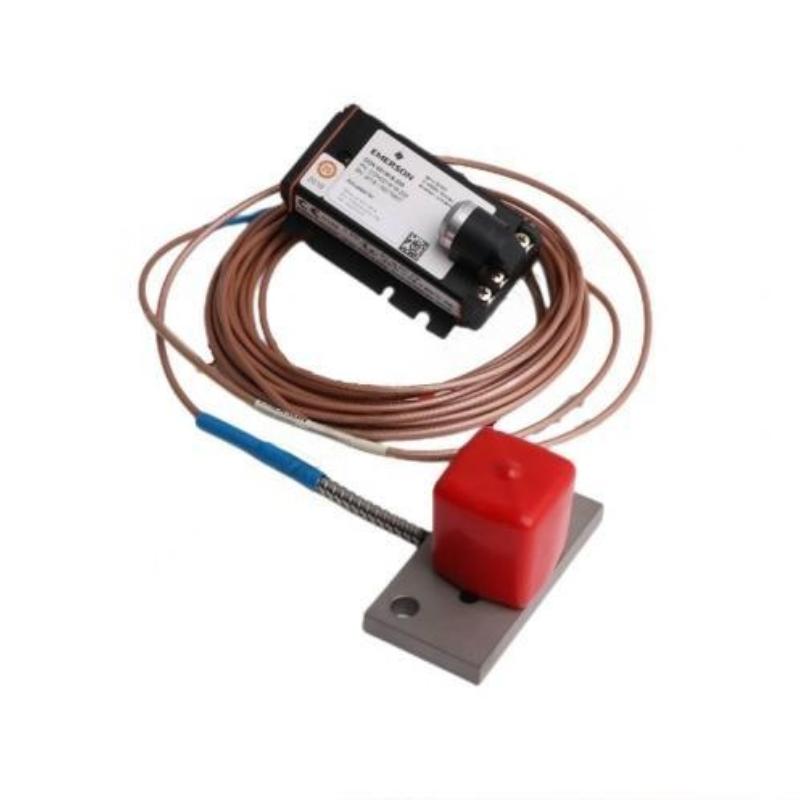
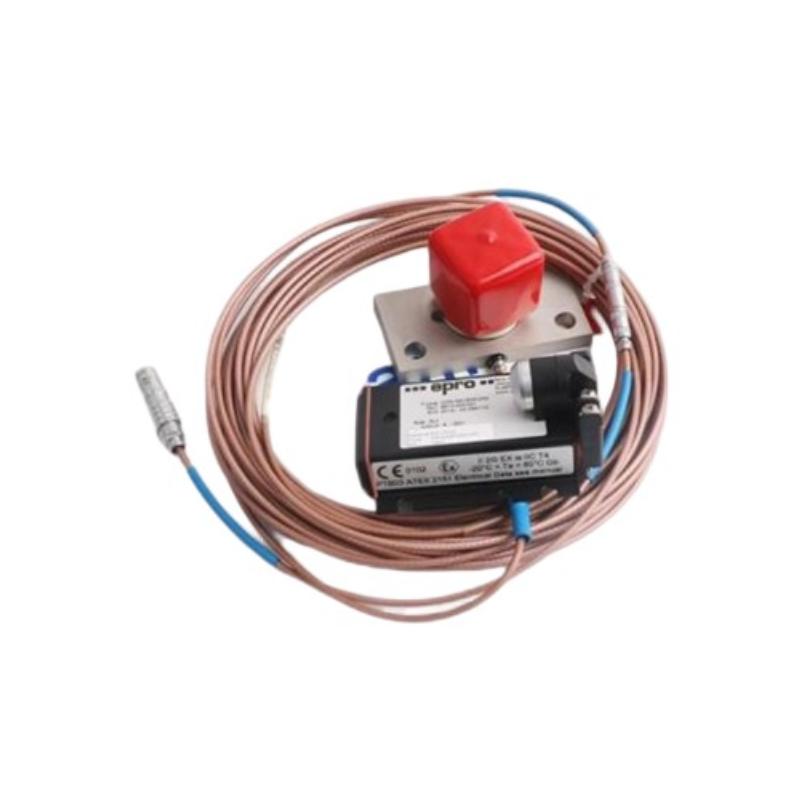
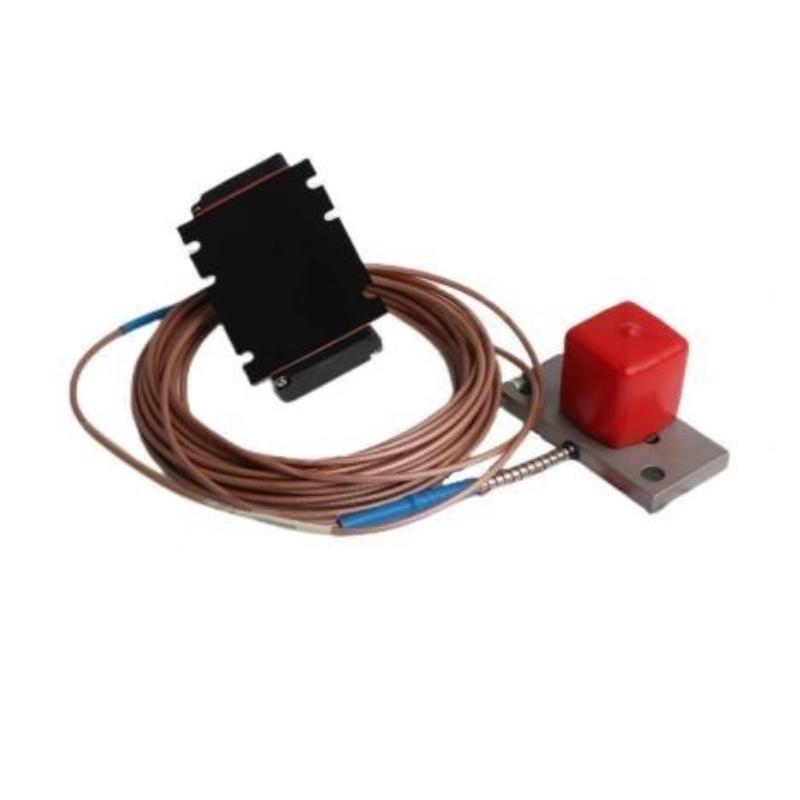
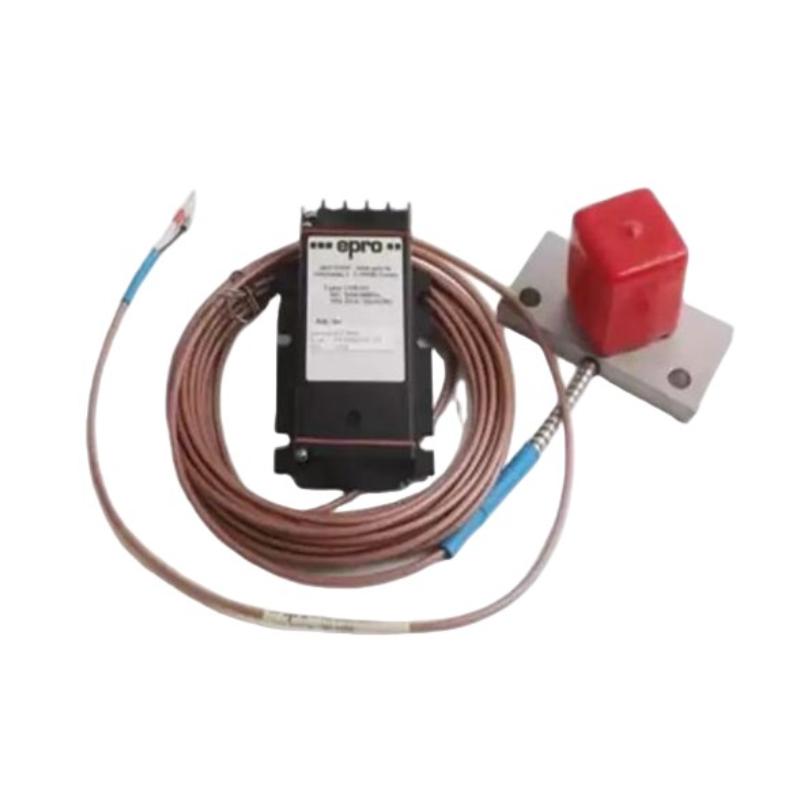
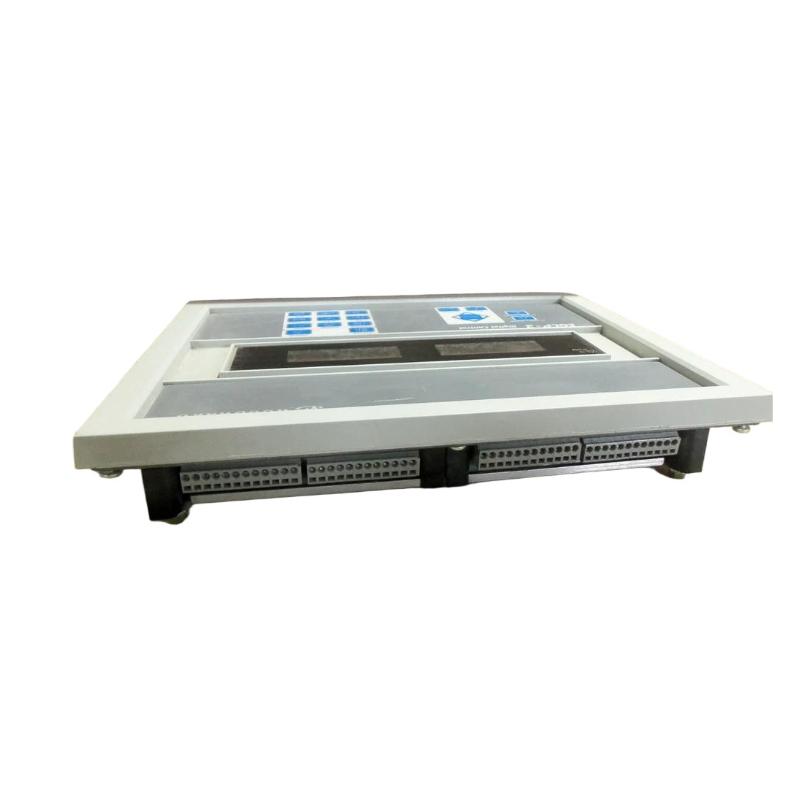
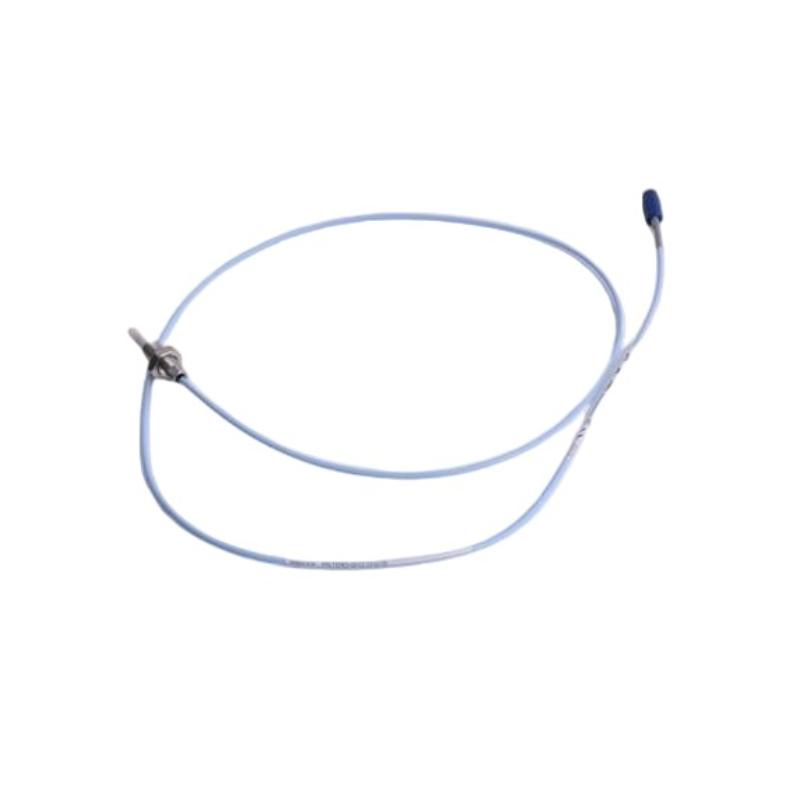
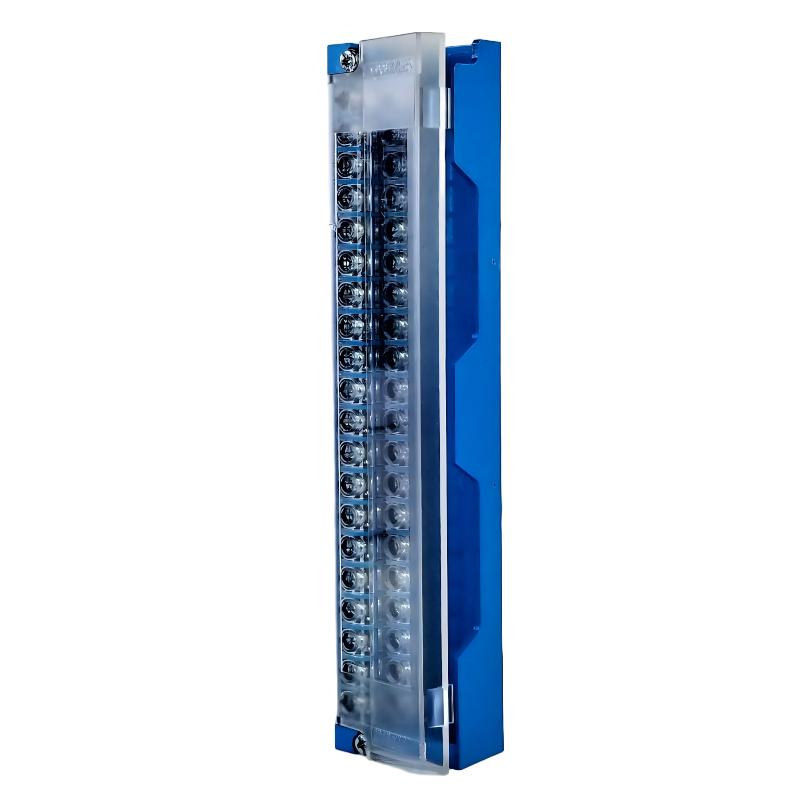
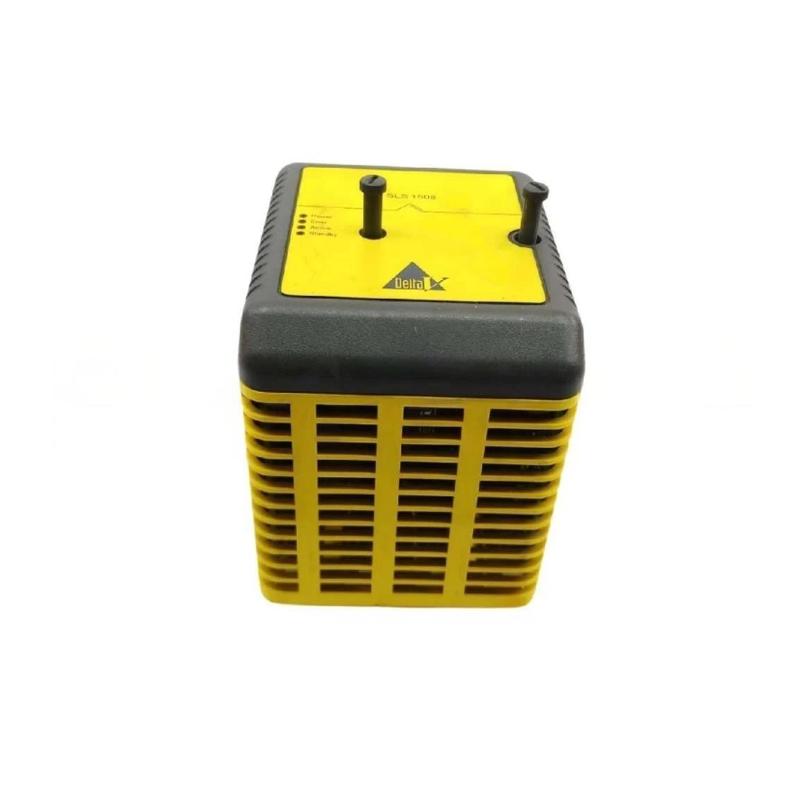
Brand:Epro PLC Item No.:PR6426/000-131 Product Origin:Germany Product Dimensions:Sensor Head Diameter: 32 mm Product Weight:0.8 kg Payment:T/T, Western Union, Credit Card Goods_stock:15 Shipping Port:Xiamen, China Lead Time:1-3 Days Condition:Brand New And Original Warranty:1 Year Certificate:COO
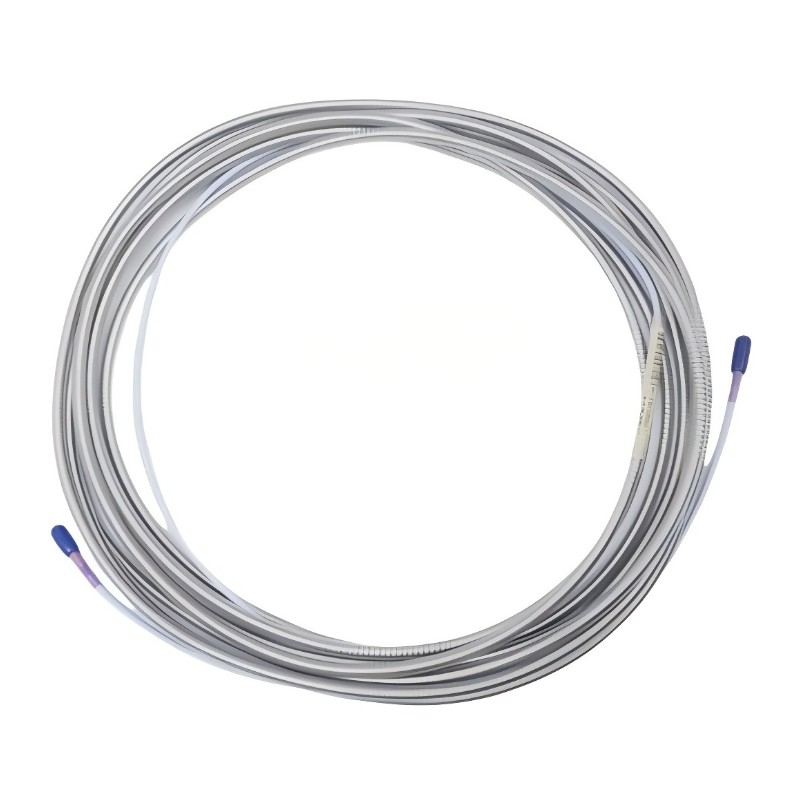
The PR6426/000-131 is a 32 mm eddy current proximity sensor designed for precise, non-contact measurement of shaft movement in large rotating machinery. It provides accurate monitoring of vibration, eccentricity, and displacement in critical industrial systems such as turbines, compressors, and pumps.
This model belongs to the PR6426 sensor family, widely used in machinery protection and condition monitoring systems. According to technical documentation, the PR6426 series is designed for large shaft applications (typically ≥200 mm diameter) and supports stable measurement of radial and axial shaft movement under continuous operation.
It is engineered for long-term reliability in harsh industrial environments where continuous monitoring is essential for asset protection and predictive maintenance.
Technical Specifications
Parameter
Value
Model
PR6426/000-131
Sensor Type
Eddy Current Proximity Sensor
Probe Head Diameter
32 mm
Measurement Principle
Non-contact eddy current
Measurement Range
±4.0 mm (system dependent)
Sensitivity
2 V/mm (typical system value)
Operating Temperature
-35°C to +180°C
Weight
0.8 kg (1.76 lb)
Installation Type
Industrial probe mounting system
System Integration
Compatible with CON/CON-series signal converters
Recommended Related Models
Epro PR6426/000-100
Epro PR6426/000-101
Epro PR6426/000-120 series
Epro PR6426/000-130
Epro PR6425/010-A20
Popular Related Models
PR6426/000-000
PR6426/000-020
PR6426/000-040
PR6426/000-100
PR6425/010-A20
Applications
The Epro PR6426/000-131 32 mm Eddy Current Sensor is a non-contact proximity measurement probe used for high-precision monitoring of shaft displacement and vibration in large rotating machinery. It is designed for continuous industrial condition monitoring and protection systems requiring stable long-term operation.
Typical applications include:
Steam turbine shaft vibration and axial displacement monitoring
Gas turbine rotor position and eccentricity detection
Large compressor shaft condition monitoring
Hydro turbine stability and clearance supervision
Industrial pump vibration and wear monitoring
Gearbox shaft misalignment detection
Heavy rotating machinery protection systems
Power generation predictive maintenance systems
Advantages
Non-contact eddy current measurement eliminates mechanical wear
High stability signal output for continuous operation
Suitable for large rotating machinery applications
Strong resistance to vibration and harsh industrial environments
Reliable long-term performance for critical assets
Compatible with standard eddy current monitoring systems
Designed for 24/7 industrial monitoring
Supports predictive maintenance strategies
Technical FAQs
Q1: What is the main function of this sensor?
A1: It measures shaft displacement, vibration, and eccentricity using eddy current non-contact technology.
Q2: Does it require physical contact with the shaft?
A2: No, it operates without any contact.
Q3: What type of machinery is it used for?
A3: It is used in turbines, compressors, pumps, and large rotating machinery.
Q4: What is the sensor head diameter?
A4: The sensor head diameter is 32 mm.
Q5: Can it operate continuously?
A5: Yes, it is designed for continuous industrial monitoring.
Q6: What does this sensor measure?
A6: It measures displacement, vibration, and shaft position changes.
Q7: Is it suitable for harsh environments?
A7: Yes, it is designed for industrial operating conditions.
Q8: Does it require signal conditioning equipment?
A8: Yes, it is typically used with compatible eddy current signal converter modules.
Q9: What industries use this sensor?
A9: Power generation, oil & gas, petrochemical, and heavy industry sectors.
Q10: What is the meaning of the “000-131” variant?
A10: It indicates a specific configuration within the PR6426 series, typically related to system integration or converter pairing options while maintaining the same sensing principle.