Introduction
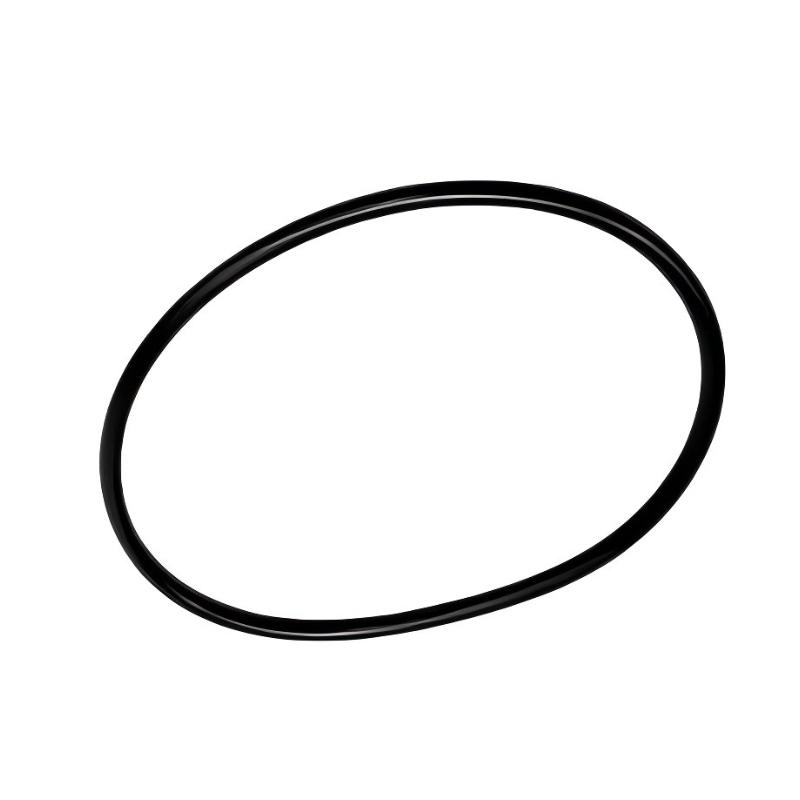
The Ingersoll Rand 47588565001 95023107 O-Ring Module is a sealing component associated with gearbox maintenance applications. Although relatively simple in construction, the O-ring performs an important role in maintaining fluid containment at the interface between compatible mechanical components.
In compressor drivetrain and gearbox assemblies, reliable sealing is essential for maintaining lubricant containment and protecting internal components from contamination. A deteriorated O-ring can gradually lose elasticity or develop permanent deformation, increasing the possibility of leakage during normal operation.
The 95023107 is therefore a practical service component for planned maintenance and overhaul work. Replacing the sealing element at the appropriate service interval can help restore the intended sealing interface while supporting longer-term compressor reliability.
For maintenance professionals working with applicable Ingersoll Rand equipment, correct part-number verification remains essential. The 47588565001 and 95023107 identifiers should be matched with the compressor configuration and relevant assembly documentation before installation.
Technical Specifications
| Specification | Details |
|---|
| Brand | Ingersoll Rand |
| Primary Model / Part Number | 47588565001 |
| Associated Component Number | 95023107 |
| Product Type | O-Ring Module |
| Component Description | O-Ring |
| Application | Gearbox and compressor maintenance |
| Service Function | Sealing and lubricant containment |
| Associated Assembly | Ingersoll Rand gearbox maintenance application |
| Component Type | Elastomeric sealing element |
| Installation | Professional service recommended |
| Operating Role | Static sealing interface |
| Maintenance Use | Preventive maintenance, overhaul, seal replacement |
| Material | Application-specific elastomer; verify current service specification |
| Dimensions | Application-specific; verify the applicable parts documentation before installation |
| Weight | Lightweight sealing component; exact packaged weight varies by supply configuration |
| Replacement Requirement | Verify part number and application before installation |
Recommended Companion Models
| Model | Product Name |
| 89246524 | Shaft Sleeve |
| 89244024 | Shaft Seal |
| 89244040 | Shaft Seal Housing |
| 23553837 | Gearcase |
Frequently Selected Alternatives
| Model | Product Name |
| 96958111 | O-Ring |
| 39404587 | Gear Retainer |
| 39194915 | Taper Pin |
| 22168710 | Socket Head Cap Screw |
Technical FAQs
1. What is the primary function of the Ingersoll Rand 95023107 O-ring?
The 95023107 O-ring provides an elastomeric sealing interface between compatible mating components. Its purpose is to prevent unwanted fluid migration through the joint while allowing the assembly to maintain its intended mechanical configuration.
2. Where is the 95023107 O-ring used?
The part is associated with the Ingersoll Rand 47588565001 gearbox maintenance application. Its exact installation position should be confirmed against the applicable compressor parts breakdown or service documentation.
3. Why is an O-ring important in a compressor gearbox assembly?
A properly functioning O-ring helps contain lubricant and prevent contamination from entering the assembly through a designed sealing interface. Failure of the seal can lead to leakage and may eventually affect nearby components.
4. What can cause premature O-ring failure?
Common causes include excessive temperature, incompatible lubricants or chemicals, incorrect installation, surface damage, compression set, aging, contamination, and installation on a damaged sealing groove.
5. Should the O-ring be replaced whenever the associated assembly is serviced?
Replacement is generally advisable when the existing O-ring has been compressed, removed, hardened, damaged, or otherwise disturbed during service. Reusing an old sealing element can increase the risk of leakage after reassembly.
6. How should the sealing groove be prepared before installation?
The groove should be clean and free from dirt, metal particles, old seal material, and surface damage. The mating surfaces should also be inspected to ensure that sharp edges or scratches will not damage the new O-ring during installation.
7. Can a generic O-ring be substituted for 95023107?
A generic O-ring should not be substituted solely on the basis of visual similarity. Correct sealing depends on dimensions, elastomer compatibility, temperature capability, lubricant compatibility, and the specific design of the mating components.
8. What happens if an O-ring is installed incorrectly?
Incorrect installation can cause pinching, twisting, extrusion, or localized damage. These conditions may prevent the seal from maintaining uniform contact and can result in leakage during compressor operation.
9. How does lubricant compatibility affect O-ring performance?
The elastomer must be compatible with the lubricant and operating environment. An incompatible fluid can cause swelling, shrinkage, hardening, softening, or loss of elasticity, all of which can reduce sealing reliability.
10. What should be checked after replacing the O-ring?
The technician should verify correct seating, proper assembly of the mating components, and the absence of visible leakage during controlled operation. If leakage remains, the complete sealing interface should be inspected rather than assuming the new O-ring is the only possible cause.