Introduction
The Ingersoll Rand 47588567001 85574960 Hydraulic Hose Module is a service component intended for applicable compressor fluid-system applications. Hydraulic and cooling hoses play a critical role in maintaining controlled fluid movement, and their condition can directly affect compressor reliability and maintenance performance.
In industrial environments, hoses are exposed to pressure, temperature changes, vibration, and mechanical movement. Over time, these conditions can lead to abrasion, hardening, cracking, fitting deterioration, or leakage. A hose that appears serviceable externally may still require replacement when its operating history or inspection results indicate deterioration.
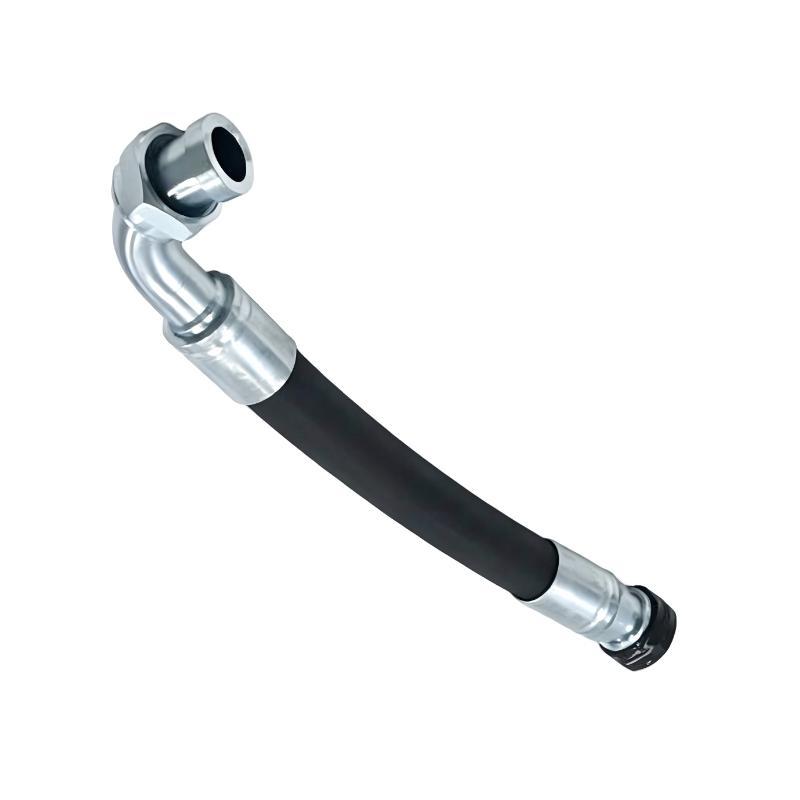
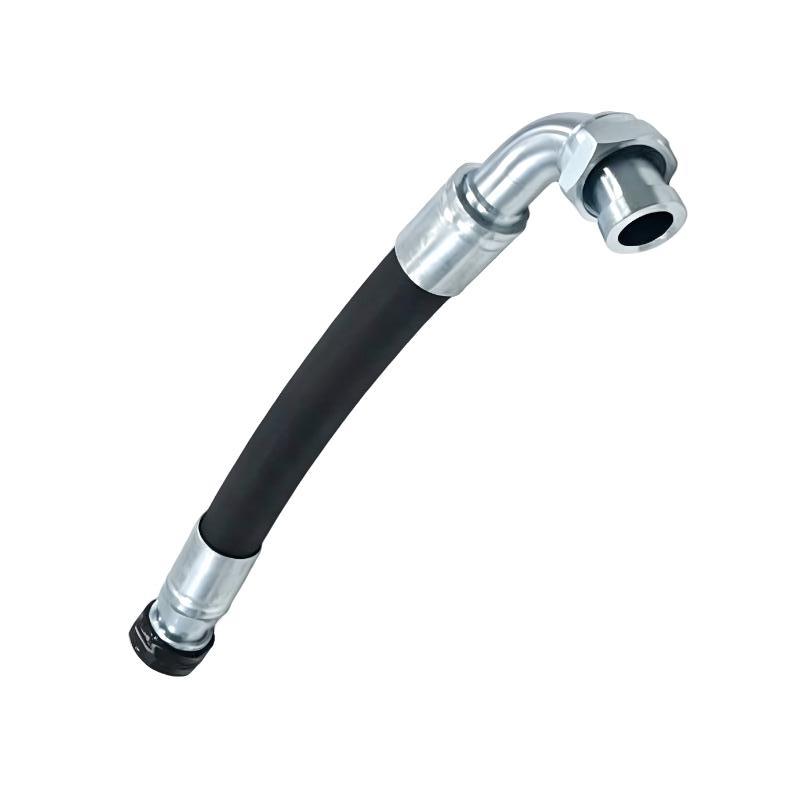
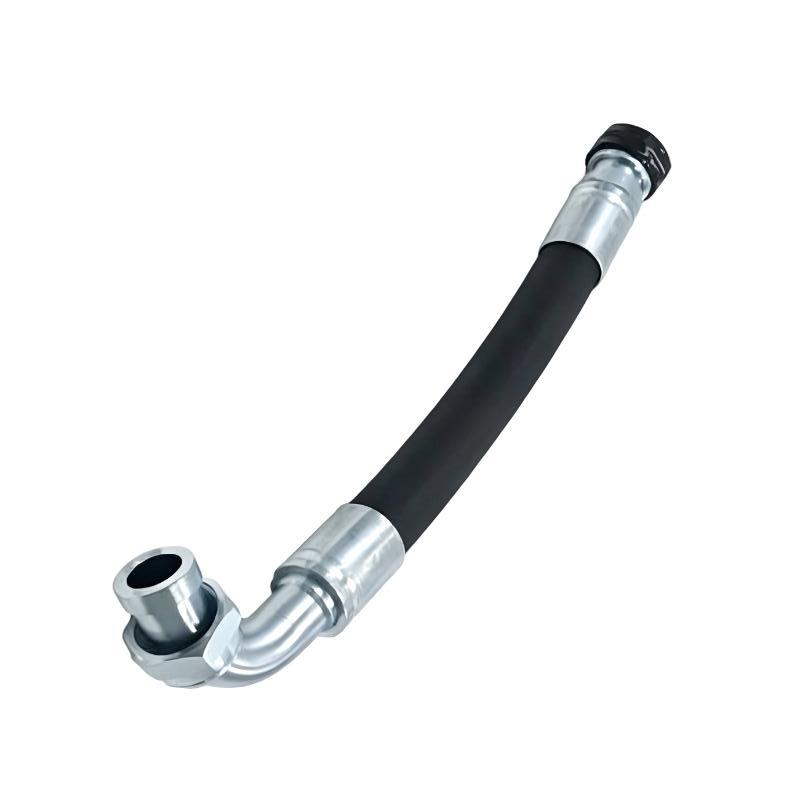
The 85574960 provides a dedicated replacement option for the applicable Ingersoll Rand maintenance configuration. Its ORFS connection arrangement and 90-degree elbow configuration are designed to accommodate the required installation geometry while maintaining a dependable fluid connection.
For maintenance teams, replacing a worn hose during scheduled service can be a relatively simple intervention with significant reliability benefits. Correct part-number verification and careful routing are essential to ensure the replacement performs as intended throughout its service life.
Technical Specifications
| Specification | Details |
|---|
| Brand | Ingersoll Rand |
| Maintenance Kit Number | 47588567001 |
| Component Number | 85574960 |
| Product Type | Hydraulic Hose Module |
| Component Description | Hydraulic Hose |
| Application | Ingersoll Rand compressor fluid system |
| Connection Type | ORFS |
| Fitting Configuration | 90-degree elbow configuration |
| Service Function | Fluid routing and pressure containment |
| System Role | Hydraulic / cooling circuit |
| Maintenance Use | Replacement, preventive maintenance, overhaul |
| Installation | Professional compressor service recommended |
| Hose Construction | Application-specific hydraulic hose |
| Dimensions | Application-specific; verify hose length and fitting geometry before installation |
| Weight | Application-specific; verify current manufacturer specification |
| Compatibility | Confirm compressor model, configuration, and original hose routing before installation |
Recommended Companion Models
| Model | Product Name |
| 85574952 | Hydraulic Hose |
| 85574945 | Hydraulic Hose |
| 85574937 | Hydraulic Hose |
| 85574929 | Hydraulic Hose |
Frequently Selected Alternatives
| Model | Product Name |
| 85575025 | Hydraulic Hose |
| 23626443 | EHT-32 Hose |
| 95028502 | O-Ring |
| 95987988 | O-Ring |
Technical FAQs
1. What type of component is Ingersoll Rand 85574960?
The 85574960 is a hydraulic hose assembly associated with the Ingersoll Rand 47588567001 maintenance application. It is intended to provide a defined fluid-routing path within the applicable compressor system.
2. What is the relationship between 47588567001 and 85574960?
47588567001 identifies the relevant Ingersoll Rand maintenance-kit reference, while 85574960 identifies the individual hose component associated with that application.
3. What type of connection is used on 85574960?
The hose is identified with an ORFS connection arrangement incorporating a 90-degree elbow. The exact fitting orientation should be matched to the original installation before replacement.
4. Why is ORFS connection technology useful for compressor hose assemblies?
ORFS connections use a face-seal arrangement that can provide reliable fluid sealing when correctly installed. They are particularly useful in hydraulic and fluid circuits where leakage control is important.
5. What can cause premature hydraulic hose failure?
Common causes include excessive pressure, elevated temperature, vibration, abrasion, improper routing, repeated flexing, chemical incompatibility, and deterioration caused by age.
6. How should the hose be routed during installation?
The hose should follow the intended routing path without twisting, excessive bending, sharp-radius deformation, or contact with abrasive surfaces. It should also have sufficient clearance from moving or high-temperature components.
7. Should the fittings be replaced when installing 85574960?
Not necessarily. Existing fittings can generally remain in service when they are fully compatible and undamaged, but the sealing faces and connection points should always be inspected before installation.
8. Can another hydraulic hose be substituted for 85574960?
Substitution should only be considered after confirming hose dimensions, pressure rating, fluid compatibility, temperature capability, connection type, fitting orientation, and routing requirements. A visually similar hose is not automatically interchangeable.
9. What symptoms may indicate a failing compressor hose?
Fluid leakage, visible cracking, abrasion, bulging, soft spots, hardened sections, damaged fittings, or unusual movement during operation can indicate hose deterioration and should prompt inspection.
10. What should be checked after replacing the hose?
The technician should confirm correct routing, fitting engagement, sealing-surface condition, and adequate clearance. The compressor should then be operated under controlled conditions while the hose and connections are checked for leakage or abnormal movement.