Introduction
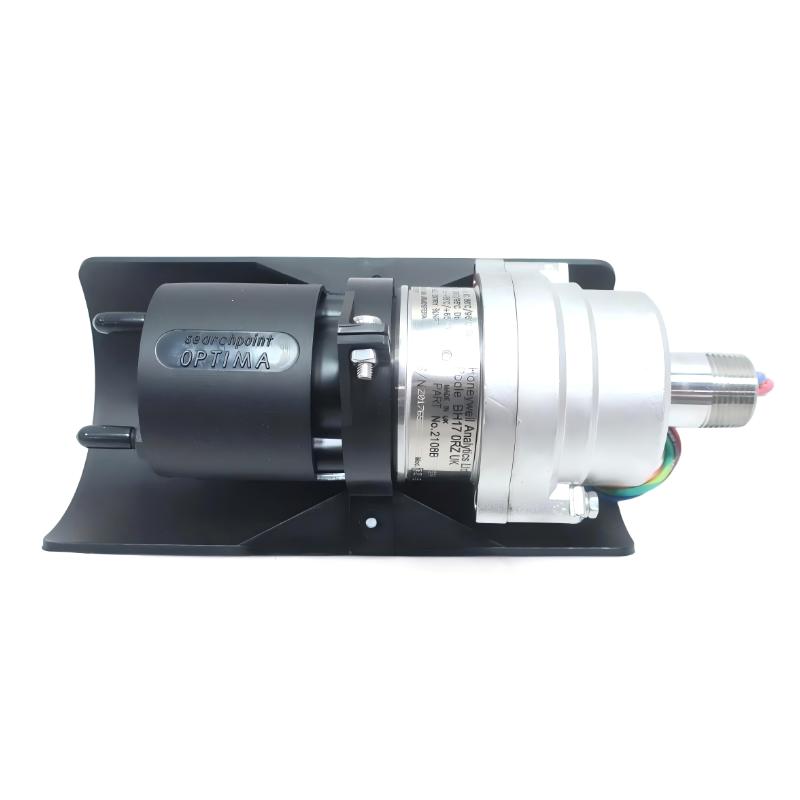
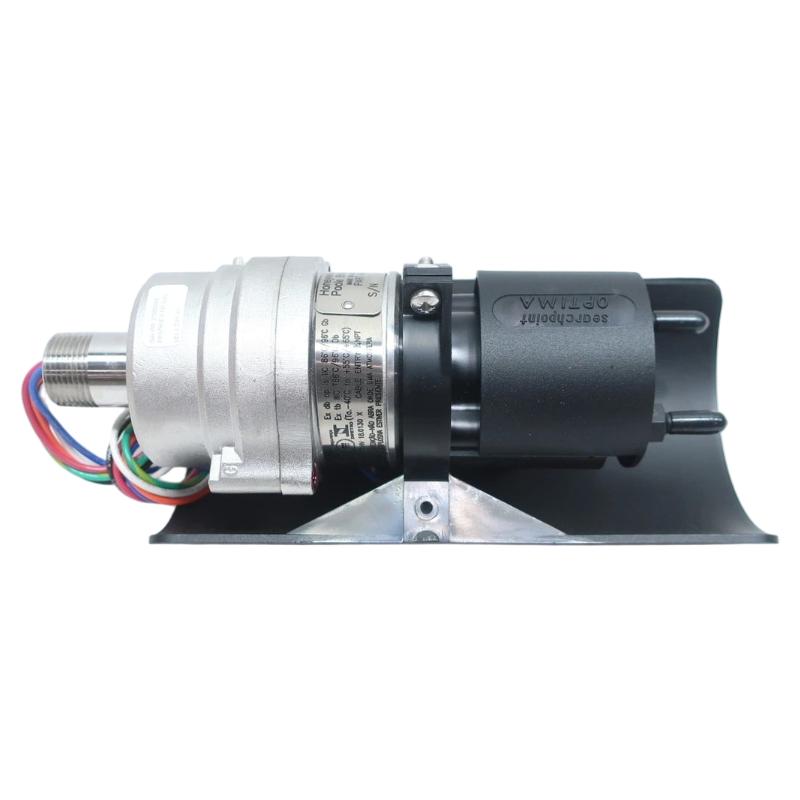
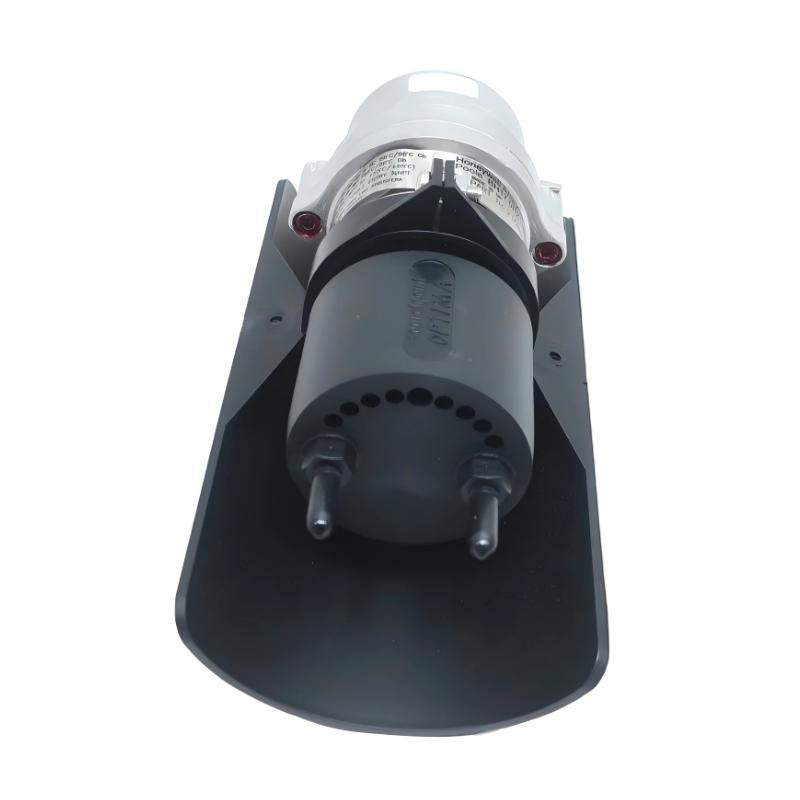
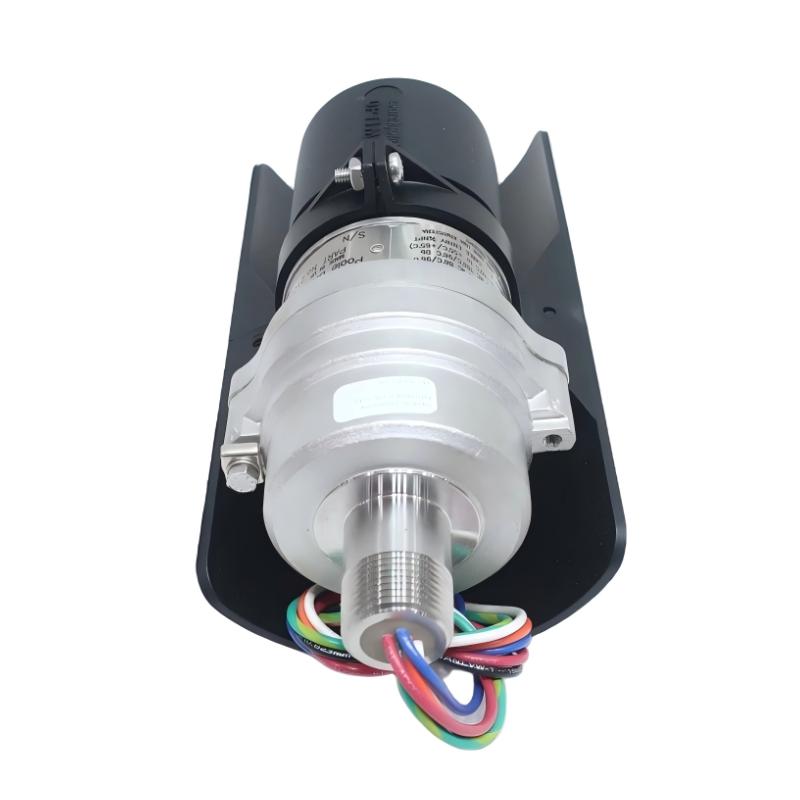
The Honeywell 2108B2021N Infrared Gas Detector is intended for fixed gas monitoring in industrial environments where continuous observation of atmospheric conditions is required. Gas detection plays an important role in facilities where combustible or hazardous gases may be released from process equipment, piping, storage systems, or mechanical failures.
Infrared detection works by using the optical absorption characteristics of the target gas. This sensing approach provides a different measurement principle from catalytic and electrochemical detectors and can be well suited to specific industrial gas-monitoring requirements.
The detector should be viewed as part of a complete protection system. A typical installation may combine field gas detectors with a centralized controller, alarm devices, process-control interfaces, ventilation equipment, and emergency shutdown functions. The detector provides valuable information, but the effectiveness of the overall safety strategy depends on correct system engineering.
Installation location is particularly important. A detector must be positioned where a gas release is likely to reach the sensing element under the expected airflow and ventilation conditions. Simply installing a detector near a potential leak source does not automatically guarantee effective coverage.
For maintenance applications, the 2108B2021N should be replaced only after confirming that its configuration is appropriate for the existing gas detection system. Technicians should document the original wiring and mounting arrangement before removing the old unit.
Following installation, commissioning should verify both the detector and the complete alarm path. Functional testing helps confirm that the detector is correctly recognized and that an appropriate response occurs at the receiving control or safety system.
Technical Specifications
| Parameter | Specification |
|---|---|
| Brand | Honeywell |
| Model | 2108B2021N |
| Product Type | Infrared Gas Detector |
| Detection Technology | Infrared |
| Application | Fixed Industrial Gas Detection |
| Primary Function | Continuous Gas Monitoring |
| Installation Type | Fixed-Point Industrial Installation |
| Typical Environment | Process Plants and Hazardous Industrial Areas |
| System Role | Gas Detection and Alarm Monitoring |
| Dimensions | 380 × 85 × 250 mm |
| Weight | 1.60 kg (3.53 lb) |
The Honeywell 2108B2021N measures 380 × 85 × 250 mm and weighs 1.60 kg (3.53 lb).
The detector should be installed with sufficient access for inspection, cleaning, testing, and maintenance. The final mounting position should be determined according to the properties of the target gas and the engineered gas detection coverage required for the facility.
Recommended Related Models
| Model | Product Type | Typical Application |
|---|---|---|
| Honeywell Searchpoint Optima Plus | Infrared Gas Detector | Fixed combustible gas monitoring |
| Honeywell Searchline Excel | Open-Path Gas Detector | Area gas detection |
| Honeywell Sensepoint XCD | Fixed Gas Detector | Industrial process monitoring |
| Honeywell Sensepoint Plus | Point Gas Detector | Fixed-point gas detection |
| Honeywell Touchpoint Plus | Gas Detection Controller | Centralized gas monitoring |
These Honeywell products cover different gas detection architectures, including fixed-point infrared detection, open-path sensing, and centralized system control. The correct choice depends on the target gas, installation environment, detection method, and required safety-system interfaces.
Popular Related Models
| Model | Product Type | Typical Use |
|---|---|---|
| Honeywell Searchpoint Optima Plus | Infrared Gas Detector | Fixed industrial gas monitoring |
| Honeywell Searchline Excel | Open-Path Gas Detector | Long-distance gas detection |
| Honeywell Sensepoint XCD | Fixed Gas Detector | Process-area monitoring |
| Honeywell Sensepoint Plus | Point Gas Detector | Industrial gas detection |
| Honeywell Touchpoint Plus | Gas Detection Controller | Gas alarm and monitoring |
For replacement work, the complete 2108B2021N designation should be verified against the installed system before purchase or installation. Target gas, sensing configuration, electrical interface, alarm logic, installation environment, and system compatibility are all critical factors in achieving reliable gas detection performance.