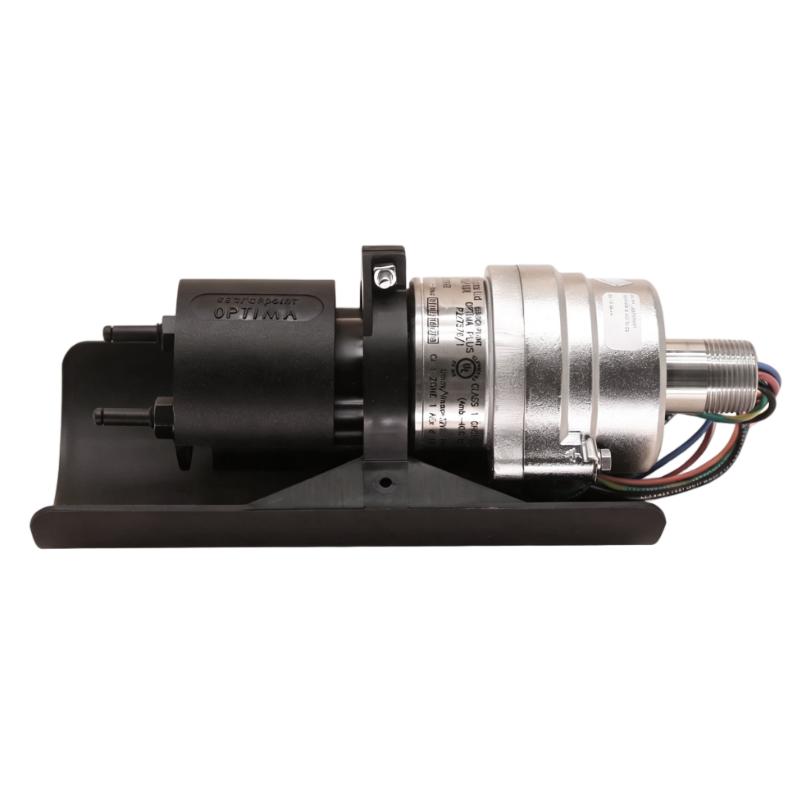
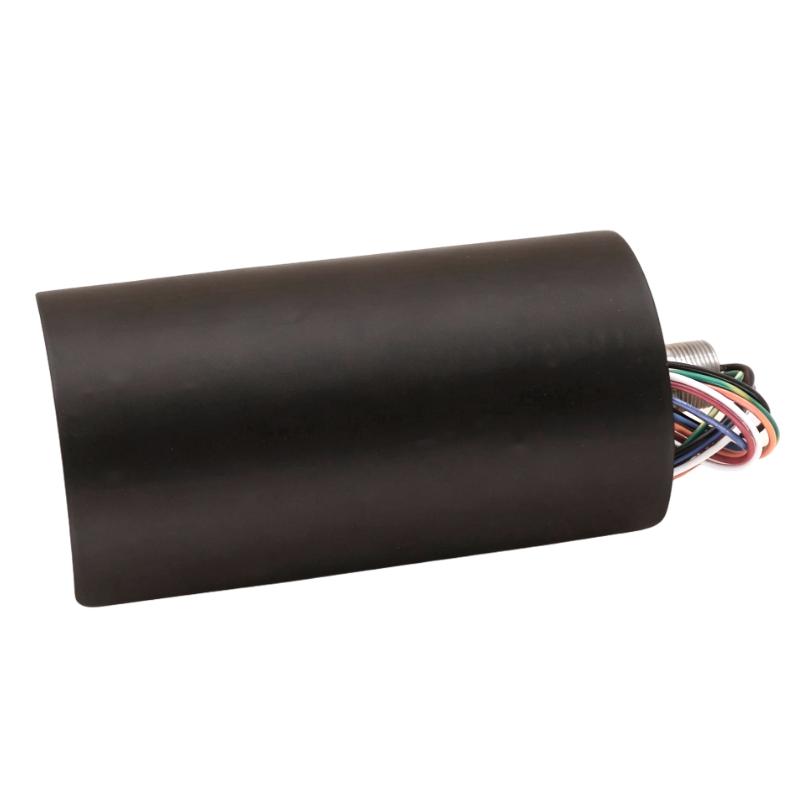
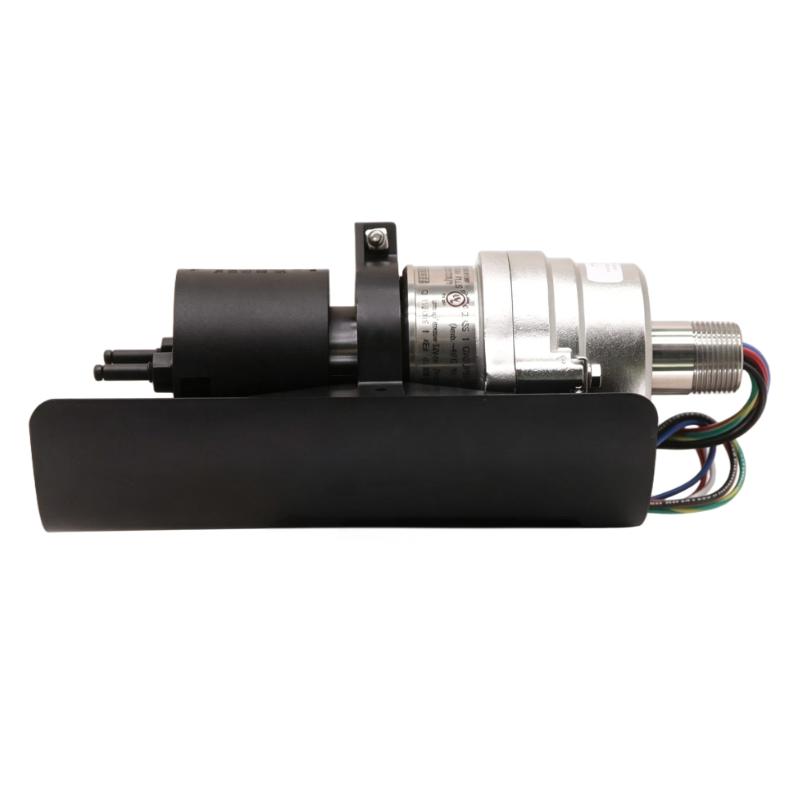
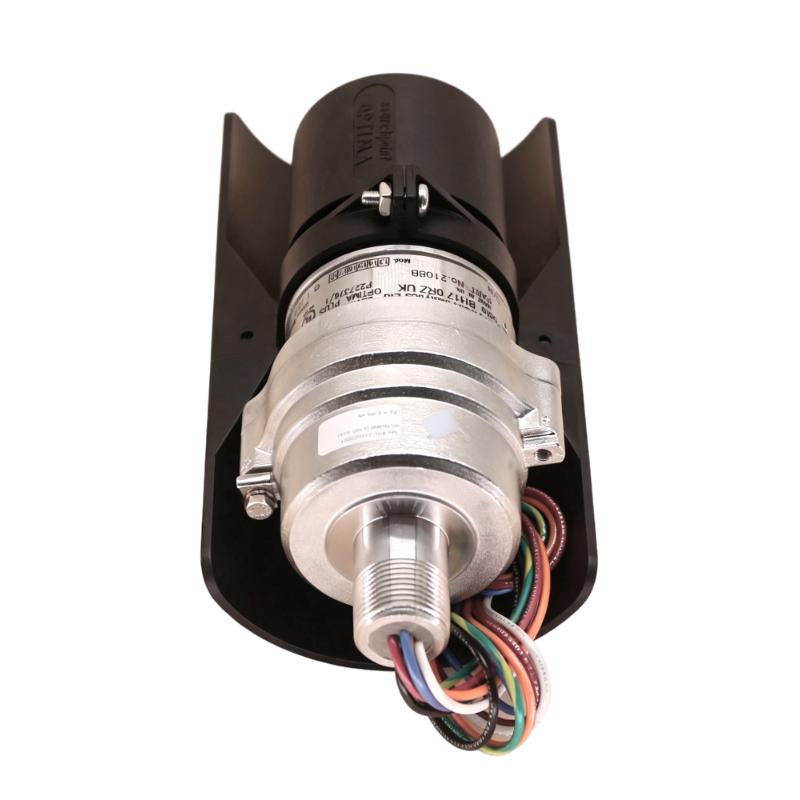
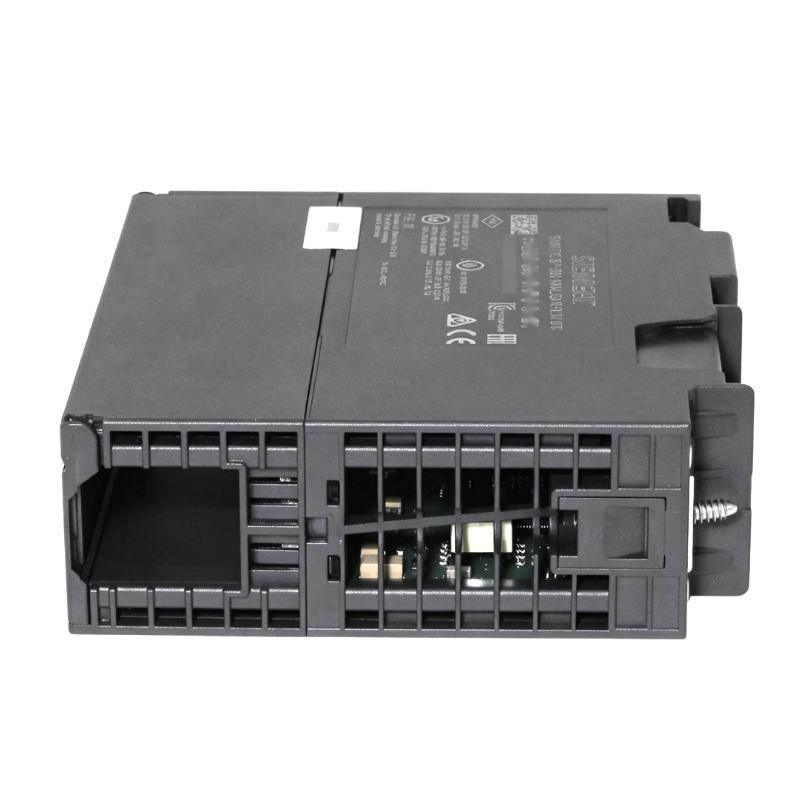
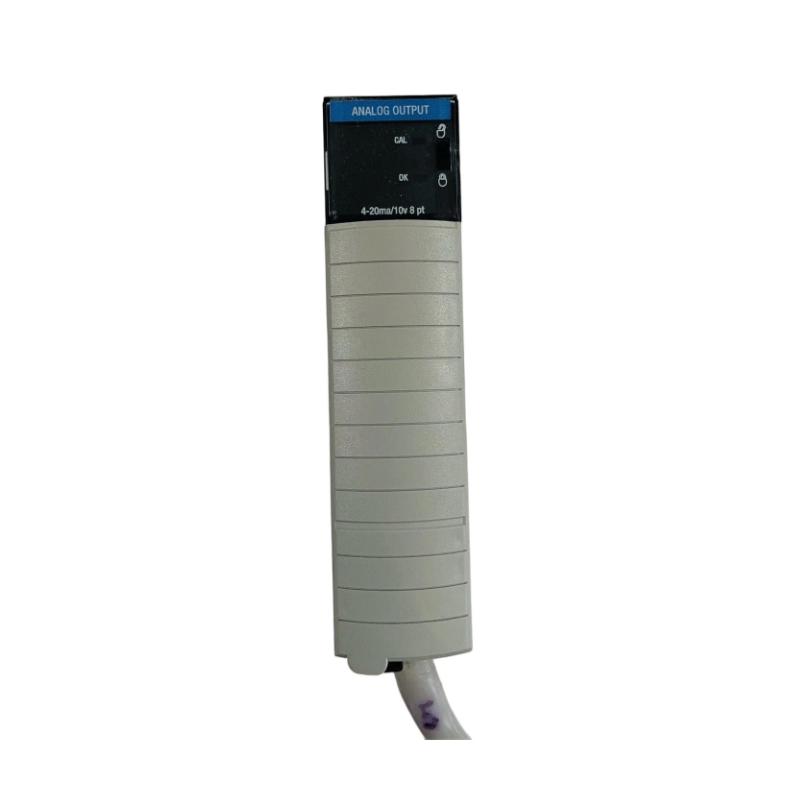
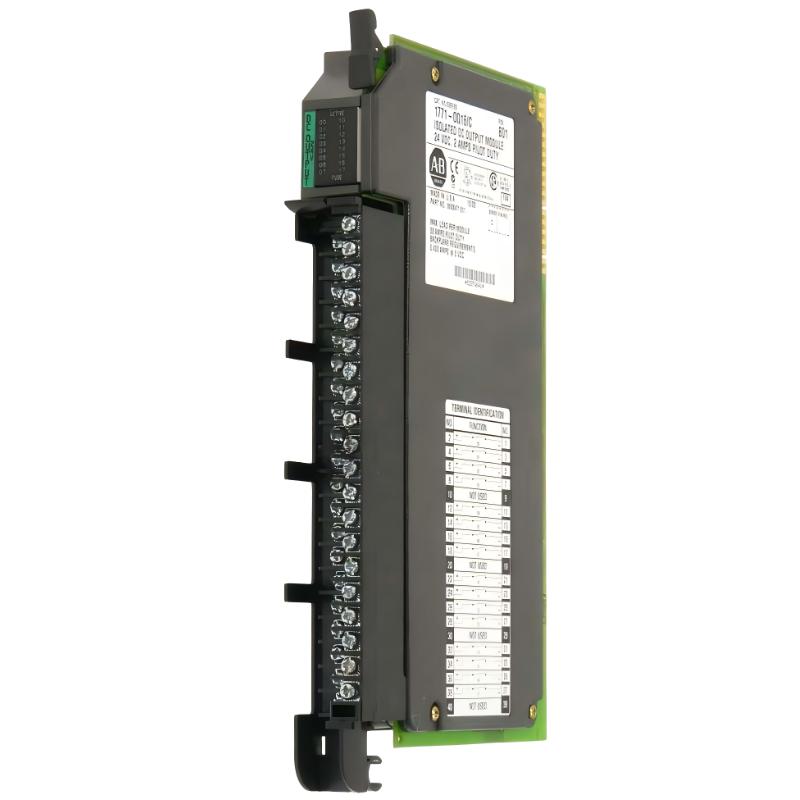
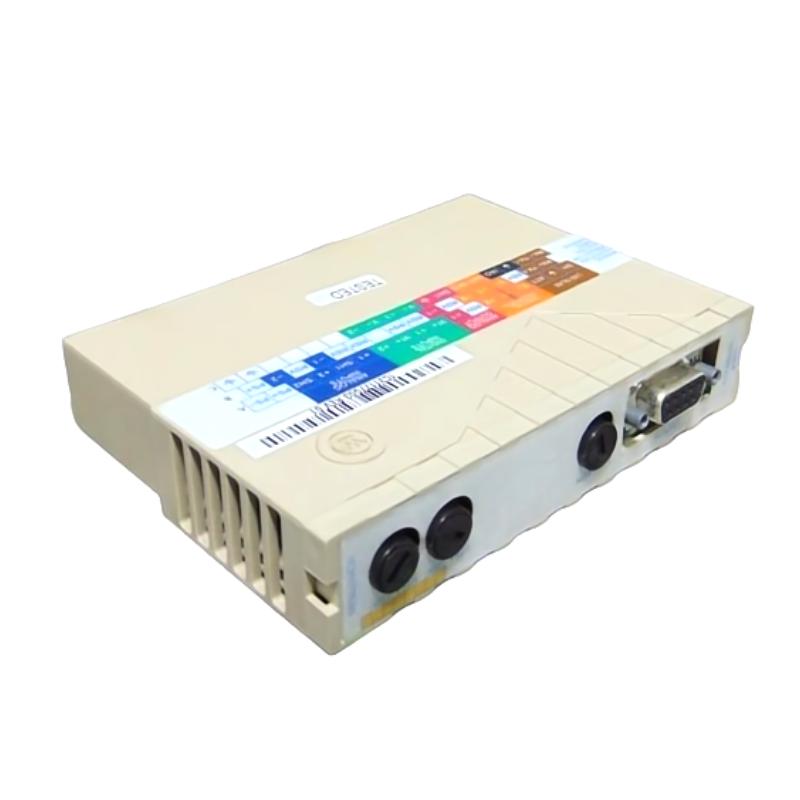
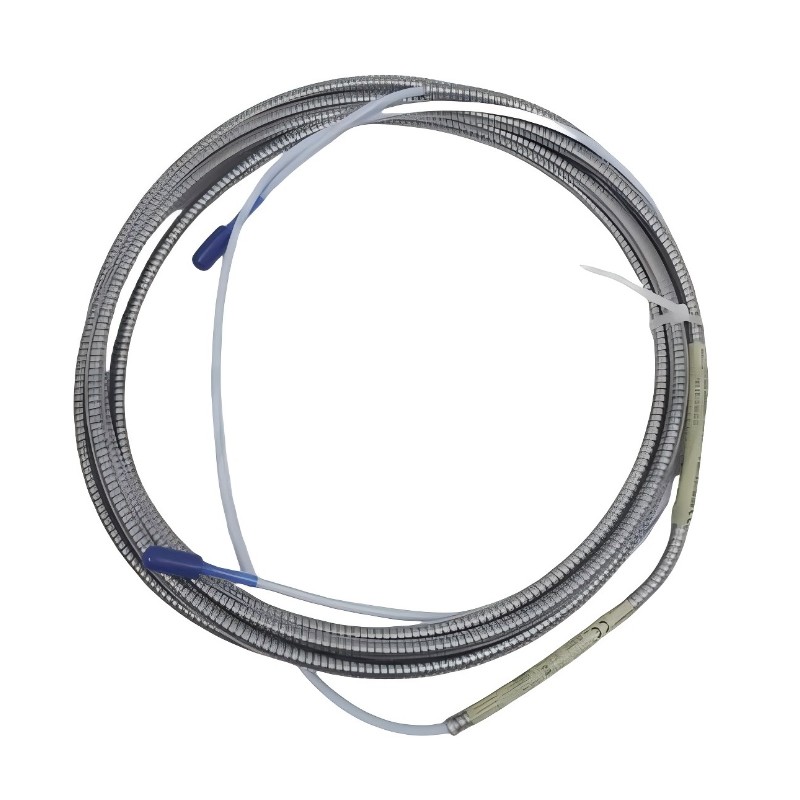
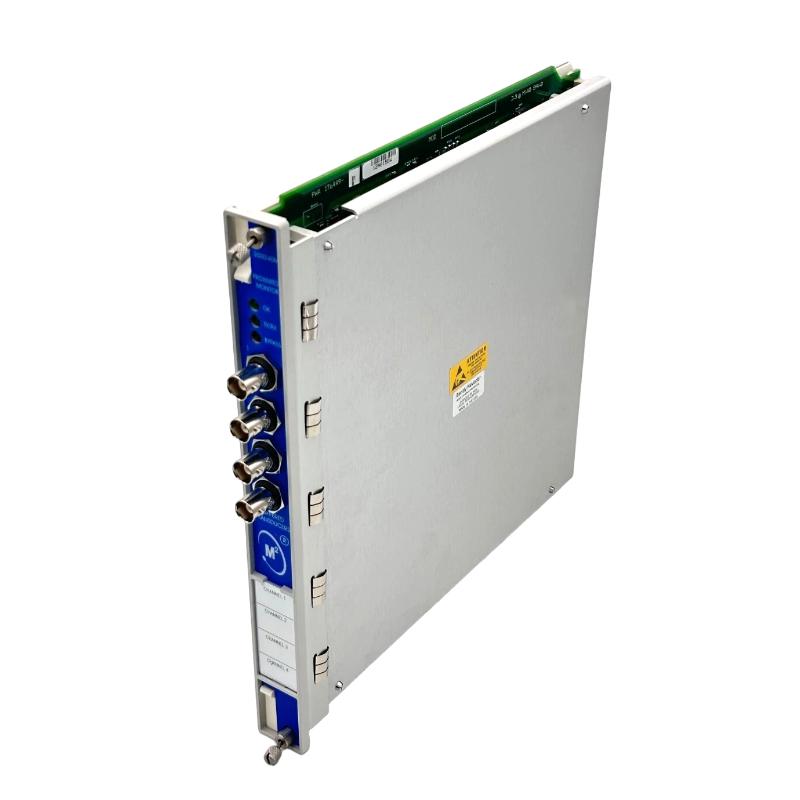
Brand:Honeywell DCS Item No.:2108D3001 Product Origin:USA Product Dimensions:380 × 85 × 250 mm Product Weight:1.6 kg Payment:T/T, Western Union, Credit Card Goods_stock:15 Shipping Port:Xiamen, China Lead Time:1-3 Days Condition:Brand New And Original Warranty:1 Year Certificate:COO
The Honeywell 2108D3001 Infrared Gas Detector is a fixed industrial instrument intended for continuous monitoring of suitable gas hazards. In oil and gas, petrochemical, chemical, and other process environments, fixed gas detection provides an important means of identifying abnormal atmospheric conditions near equipment and operating areas.
Infrared detection works by measuring the optical absorption characteristics of gases. Target gas molecules interact with specific infrared wavelengths, and changes in the optical signal can be interpreted by the detector as changes in gas concentration.
The detector's performance is closely linked to the installation environment. A technically correct detector can still provide poor coverage if it is positioned where airflow prevents released gas from reaching the sensing point. For this reason, installation planning should consider potential release locations, gas density, ventilation patterns, prevailing airflow, and physical obstructions.
The 2108D3001 can form part of a layered plant safety strategy. Depending on the system design, its detection information may be sent to a centralized gas controller or other appropriate monitoring infrastructure, where alarms and other safety actions can be managed.
For replacement work, maintenance personnel should verify the existing detector's configuration before removing it. Wiring, mounting location, system interface, and alarm behavior should be documented so the replacement can be commissioned with minimal disruption.
Following installation, functional testing is essential. The detector should be checked together with the receiving system to ensure that the complete detection path is operating correctly.
Technical Specifications
Parameter
Specification
Brand
Honeywell
Model
2108D3001
Product Type
Infrared Gas Detector
Detection Technology
Infrared
Application
Fixed Industrial Gas Detection
Primary Function
Continuous Gas Monitoring
Installation Type
Fixed-Point Installation
Typical Environment
Industrial Process Facilities
System Role
Gas Detection and Alarm Monitoring
Dimensions
380 × 85 × 250 mm
Weight
1.60 kg (3.53 lb)
The Honeywell 2108D3001 measures 380 × 85 × 250 mm and weighs 1.60 kg (3.53 lb).
The detector should be installed with sufficient access for inspection and maintenance. The sensing position should be selected based on the target gas characteristics and the site's engineered gas detection coverage rather than convenience alone.
Recommended Related Models
Model
Product Type
Typical Application
Honeywell Searchpoint Optima Plus
Infrared Gas Detector
Fixed combustible gas monitoring
Honeywell Searchline Excel
Open-Path Gas Detector
Area gas detection
Honeywell Sensepoint XCD
Fixed Gas Detector
Industrial process monitoring
Honeywell Sensepoint Plus
Point Gas Detector
Fixed-point gas detection
Honeywell Touchpoint Plus
Gas Detection Controller
Centralized gas monitoring
These related Honeywell products address different gas detection requirements. The appropriate solution depends on target gas, sensing method, installation environment, required detection coverage, and system interface.
Popular Related Models
Model
Product Type
Typical Use
Honeywell Searchpoint Optima Plus
Infrared Gas Detector
Fixed industrial gas monitoring
Honeywell Searchline Excel
Open-Path Gas Detector
Long-distance gas detection
Honeywell Sensepoint XCD
Fixed Gas Detector
Process-area monitoring
Honeywell Sensepoint Plus
Point Gas Detector
Industrial gas detection
Honeywell Touchpoint Plus
Gas Detection Controller
Gas alarm and monitoring systems
For replacement projects, the complete 2108D3001 model number should be verified against the installed system before procurement and commissioning. Target gas, detector configuration, electrical interface, alarm requirements, installation conditions, and system compatibility should all be confirmed to ensure dependable operation.
Applications
The Honeywell 2108D3001 Infrared Gas Detector is intended for fixed industrial gas monitoring in facilities where continuous detection of suitable gas hazards is required. It can be installed at selected monitoring points around process equipment and integrated with an appropriate gas detection, alarm, or safety system.
Its typical application environments include:
Oil and gas processing facilities
Refineries
Petrochemical plants
Chemical processing facilities
Gas treatment installations
Compressor stations
Storage and transfer areas
Power-generation facilities
Industrial process units
Machinery and utility areas
The detector can provide continuous monitoring around potential release sources such as pipelines, valves, pumps, compressors, and storage equipment. Correct detector positioning should be determined according to gas characteristics and the actual airflow and ventilation conditions at the installation site.
Advantages
The 2108D3001 provides a fixed infrared detection solution for industrial environments where continuous atmospheric monitoring is an important part of the site's protection strategy.
Infrared Detection Principle
The detector uses infrared optical absorption characteristics to identify suitable target gas conditions, providing an alternative to catalytic sensing technology.
Continuous Monitoring
Once properly installed, the detector can monitor the assigned area continuously without requiring an operator to perform repeated manual measurements.
Suitable for Process Safety Applications
Gas detection can provide an additional protective layer around process equipment where leaks or abnormal operating conditions may result in hazardous gas accumulation.
Integration with Plant Systems
The detector can be incorporated into an appropriate gas detection architecture that includes alarm devices, controllers, ventilation equipment, and other engineered safety functions.
Useful for Fixed Monitoring Points
The physical design is intended for permanent installation at selected monitoring locations throughout industrial facilities.
Practical Maintenance Handling
With a specified weight of 1.60 kg (3.53 lb), the detector can be handled efficiently during inspection, servicing, and replacement.
Compact Industrial Footprint
The specified 380 × 85 × 250 mm dimensions provide a practical enclosure format for fixed industrial instrumentation.
Technical FAQs
1. What is the Honeywell 2108D3001 used for?
It is an infrared gas detector intended for fixed industrial gas monitoring. Its purpose is to continuously detect suitable target gas conditions at a designated installation point.
2. What is the basic operating principle of the detector?
Infrared gas detection relies on the characteristic absorption of infrared radiation by target gas molecules. The detector evaluates changes in the received optical signal to identify gas conditions.
3. Why is infrared technology used for industrial gas detection?
Infrared sensing provides an optical measurement method and does not rely on the catalytic combustion mechanism used by catalytic sensors. This makes it useful for specific gas-monitoring applications.
4. What factors determine the best detector location?
Target-gas density, potential leak sources, ventilation, airflow, temperature, process equipment layout, and the expected movement of released gas should all be considered.
5. What can cause unreliable detector readings?
Possible causes include optical contamination, unsuitable environmental conditions, incorrect calibration, power problems, wiring faults, configuration issues, or improper installation.
6. What should be done if a gas alarm is generated?
The alarm should be treated according to the facility's established emergency procedure. Personnel should not assume that an alarm is an instrumentation fault until the monitored area has been properly assessed.
7. How does contamination affect an infrared detector?
Dust, oil, condensation, or other contamination can interfere with the optical path and affect the detector's ability to make reliable measurements.
8. What should be checked when the detector shows a fault condition?
Review the diagnostic status and inspect power, wiring, connectors, optical surfaces, environmental conditions, calibration status, and communication with the associated monitoring system.
9. What should be verified before installing a replacement 2108D3001?
Check the complete model number, target gas configuration, electrical interface, mounting arrangement, alarm configuration, and compatibility with the existing gas detection system.
10. How should the detector be commissioned after installation?
Verify the mechanical installation and electrical connections, confirm normal detector status, check the signal path, perform the required functional response test, and verify the alarm response of the associated system.