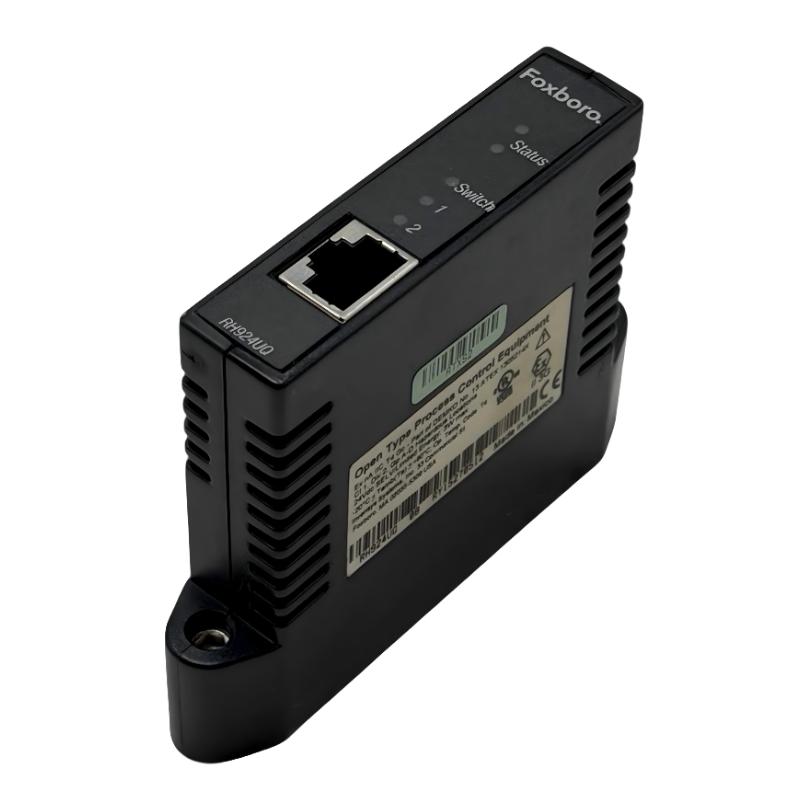
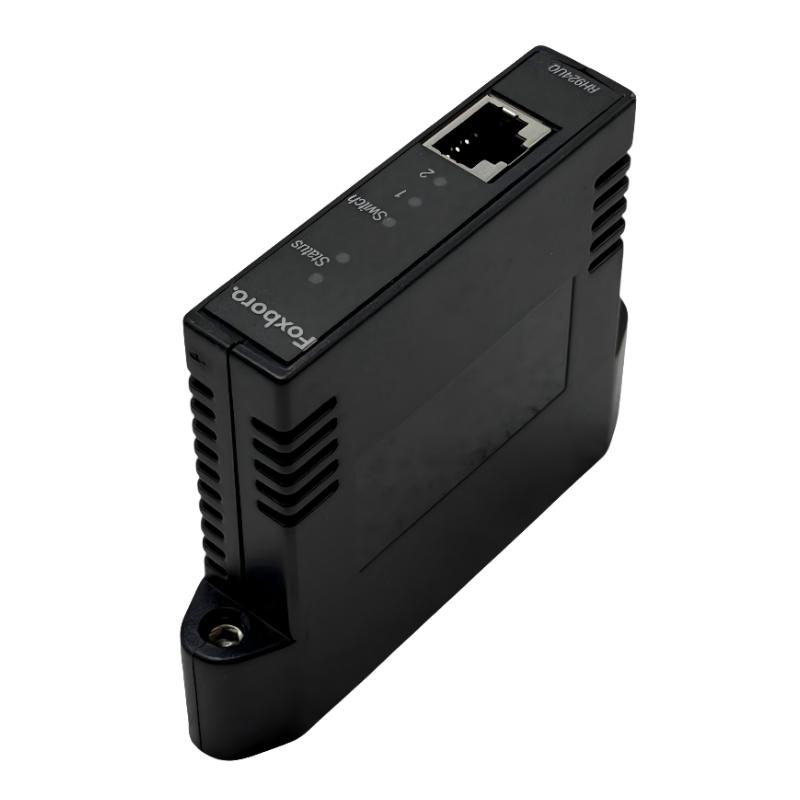
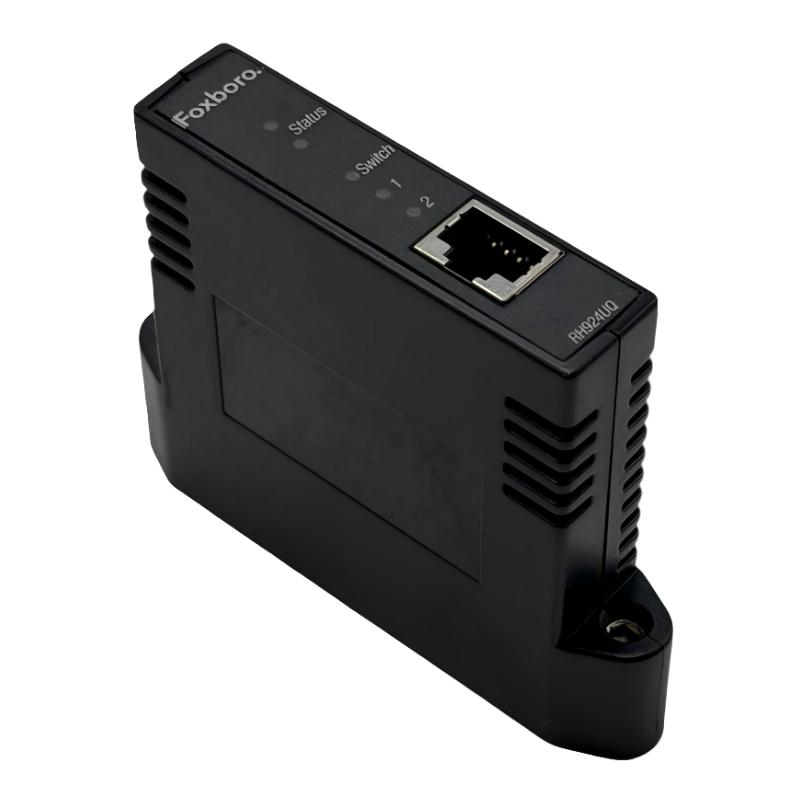
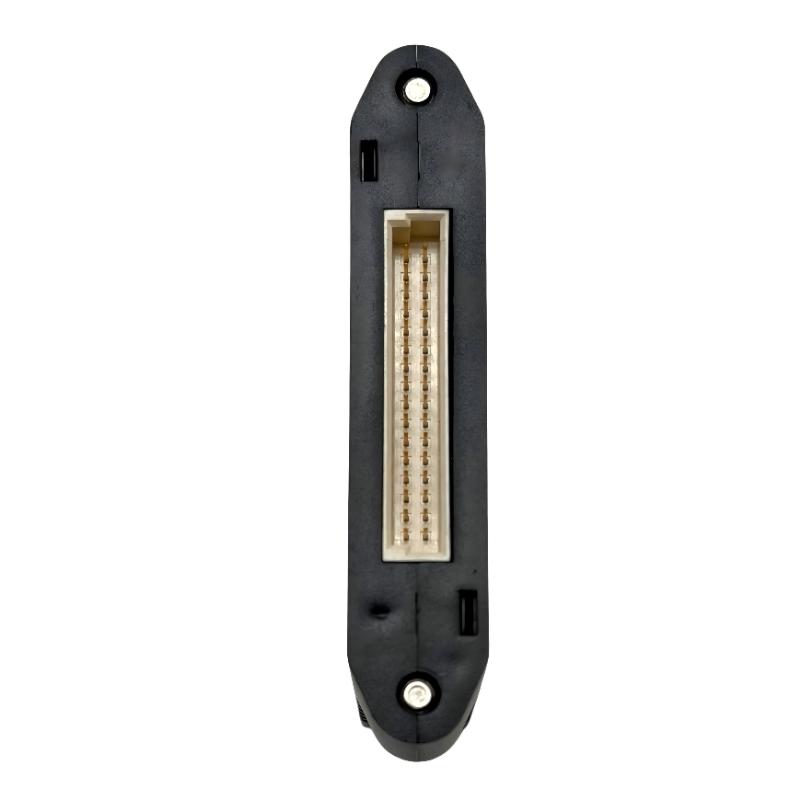
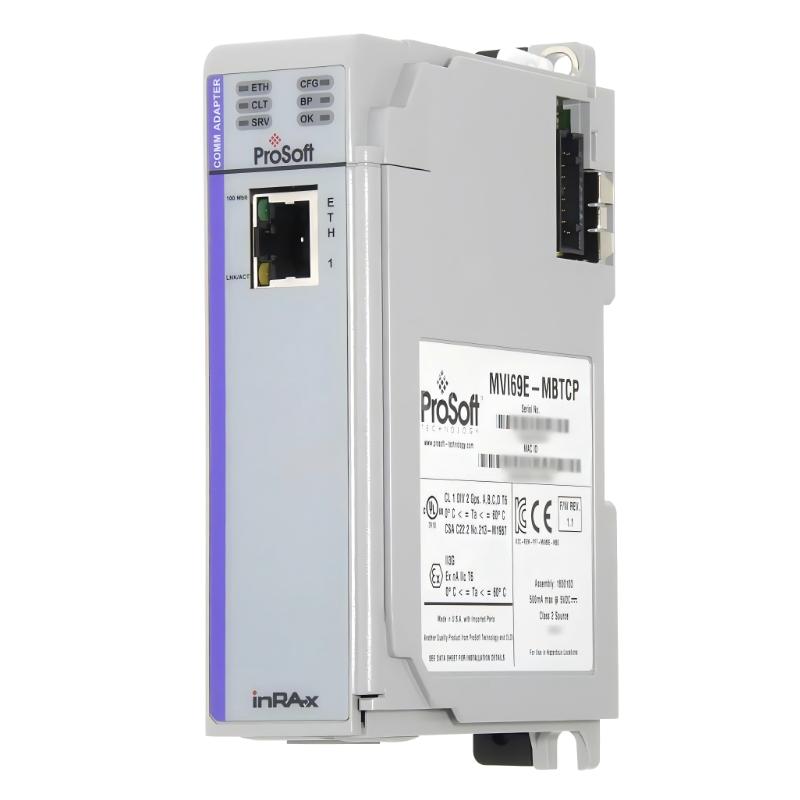
Brand:Foxboro Module Item No.:FCP280 Product Origin:USA Product Dimensions:130 x 25 x 100 mm Product Weight:0.4 kg Payment:T/T, Western Union, Credit Card Goods_stock:15 Shipping Port:Xiamen, China Lead Time:1-3 Days Condition:Brand New And Original Warranty:1 Year Certificate:COO
The Foxboro FCP280 RH924UQ Process Controller is a compact control-system component intended for distributed process automation. In a modern plant, the process controller forms an important link between control strategies and physical process equipment.
Process control requires continuous interaction between instrumentation, control logic, and field devices. Sensors provide information about temperature, pressure, flow, level, speed, and other process conditions. The controller processes this information according to the configured control strategy and coordinates the appropriate output response.
Within an FCP280 architecture, the controller can work alongside field I/O and communication components to create a distributed automation structure. This approach is particularly valuable in large facilities where control equipment may be distributed across multiple cabinets or process areas.
When troubleshooting a process-control problem, it is important to avoid assuming that the controller is responsible simply because a process value or control command appears incorrect. A defective transmitter, damaged cable, failed I/O channel, communication problem, or incorrect configuration can produce symptoms that look like controller faults.
A structured diagnostic process should therefore begin with system status and controller diagnostics, followed by communication checks and verification of the associated I/O path.
During replacement, the original controller's position, connections, configuration, and system identification should be documented. The replacement RH924UQ should then be installed using appropriate handling and ESD precautions.
After installation, commissioning should include controller recognition, communication verification, I/O checks, configuration validation, and functional testing of the relevant control strategy. This approach reduces the risk of returning a partially configured controller to an active process.
Technical Specifications
Parameter
Specification
Brand
Foxboro
Model
FCP280 RH924UQ
Product Type
Process Controller
Application
Distributed Process Control
Compatible Platform
Foxboro FCP280
Primary Function
Process Control Execution
Typical System
Distributed Control System
Typical Industries
Oil & Gas, Chemical, Refining, Power and Process Manufacturing
Dimensions
130 × 25 × 100 mm
Weight
0.40 kg (0.88 lb)
The Foxboro FCP280 RH924UQ measures 130 × 25 × 100 mm and weighs 0.40 kg (0.88 lb).
The controller should be installed in its designated FCP280 system position with suitable environmental protection and secure connections. Power, communication, grounding, and associated I/O interfaces should be checked before commissioning.
Recommended Related Models
Model / Series
Product Type
Typical Application
Foxboro FCP280 RH924UQ
Process Controller
Distributed process control
Foxboro FCP280 RH924WA
Fiber Optic Network Adapter
Control-system networking
Foxboro FCP280 RH924YL
Horizontal Mounting Base
Horizontal equipment mounting
Foxboro FCP280 RH924YF
Vertical Mounting Base Plate
Vertical equipment mounting
Foxboro FCP280 I/O Modules
I/O Modules
Field signal processing
These components address key areas of an FCP280 installation, including processing, communication, I/O integration, and mechanical mounting. The exact combination should be selected according to the installed control-system architecture.
Popular Related Models
Model / Series
Product Type
Typical Use
Foxboro FCP280 RH924UQ
Process Controller
Distributed control
Foxboro FCP280 RH924WA
Fiber Optic Network Adapter
Industrial network communication
Foxboro FCP280 I/O Series
I/O Modules
Process signal acquisition and control
Foxboro FCP280 RH924YL
Horizontal Mounting Base
Control cabinet installation
Foxboro FCP280 RH924YF
Vertical Mounting Base Plate
Control cabinet installation
For replacement projects, verify the complete Foxboro FCP280 RH924UQ part number and system position before installation. Controller configuration, communication settings, I/O relationships, application logic, and power conditions should all be checked to ensure the replacement integrates correctly with the existing Foxboro control system.
Applications
The Foxboro FCP280 RH924UQ Process Controller is intended for distributed process-control applications where reliable execution of control strategies and coordination with field I/O are required. As part of an FCP280-based architecture, the controller can serve as a central processing element between automation logic, field signals, and the wider control network.
Typical applications include:
Oil and gas processing
Chemical production
Refining
Petrochemical facilities
Power-generation plants
Water and wastewater treatment
Pharmaceutical manufacturing
Food and beverage processing
Industrial utility systems
Continuous and batch process automation
A process controller is responsible for more than simply executing programmed logic. In a distributed control environment, it must work consistently with I/O, communication networks, operator functions, and other control-system components.
Advantages
The Foxboro FCP280 RH924UQ is suited to control architectures where compact hardware and dependable process-control execution are essential.
Dedicated Process-Control Function
The controller provides a processing platform for control strategies associated with compatible Foxboro FCP280 systems.
Distributed Architecture Support
An FCP280-based controller arrangement can place control processing closer to the associated process equipment, supporting organized and scalable automation architectures.
Suitable for Continuous Processes
The controller is well suited to applications where process variables and equipment states must be monitored and controlled continuously.
Integration with Field I/O
The process controller can operate within an architecture containing input and output modules that interface with plant instrumentation and actuators.
Industrial Application Flexibility
Its use across process industries makes it appropriate for demanding automation environments where dependable control execution is important.
Compact Installation
The 130 × 25 × 100 mm dimensions allow the controller to fit into appropriately designed control-system assemblies.
Lightweight Design
At 0.40 kg (0.88 lb), the unit is convenient to handle during installation, inspection, and replacement.
Technical FAQs
1. What is the Foxboro FCP280 RH924UQ used for?
The RH924UQ is a process controller intended for compatible Foxboro FCP280 distributed control applications.
2. What is the main function of a process controller?
A process controller executes configured control strategies and coordinates input information, control calculations, output commands, and communication with other system components.
3. What types of processes can an FCP280 controller support?
It can be incorporated into process-control architectures used in industries such as chemical processing, refining, oil and gas, power generation, and water treatment, depending on the overall system design.
4. What can cause a process controller to stop communicating?
Potential causes include power problems, communication-network faults, loose connections, configuration errors, hardware faults, or problems elsewhere in the control-system architecture.
5. What should be checked if process values are incorrect?
Verify the associated field instruments, I/O modules, signal wiring, controller configuration, scaling, control logic, and communication status before concluding that the controller itself is defective.
6. What can cause a controller to restart unexpectedly?
Possible causes include unstable power, electrical disturbances, hardware problems, environmental conditions, or faults within the associated control-system infrastructure.
7. Why is controller configuration important after replacement?
A replacement controller may require the correct system configuration, addressing, application data, and communication settings to operate properly within the existing architecture.
8. What precautions should be taken before replacing the RH924UQ?
Follow the plant's approved maintenance procedure, place affected process equipment into a safe condition, isolate relevant power as required, and use suitable electrostatic-discharge precautions.
9. How can a controller fault be distinguished from an I/O fault?
Review controller diagnostics and communication status, then isolate the problem through the associated I/O modules, field wiring, and instruments. Comparing affected signals with known-good points can help narrow the fault location.
10. What should be verified after installing a replacement controller?
Confirm physical installation, power, controller recognition, configuration, communication, I/O operation, and control logic before returning the affected process to normal operation.