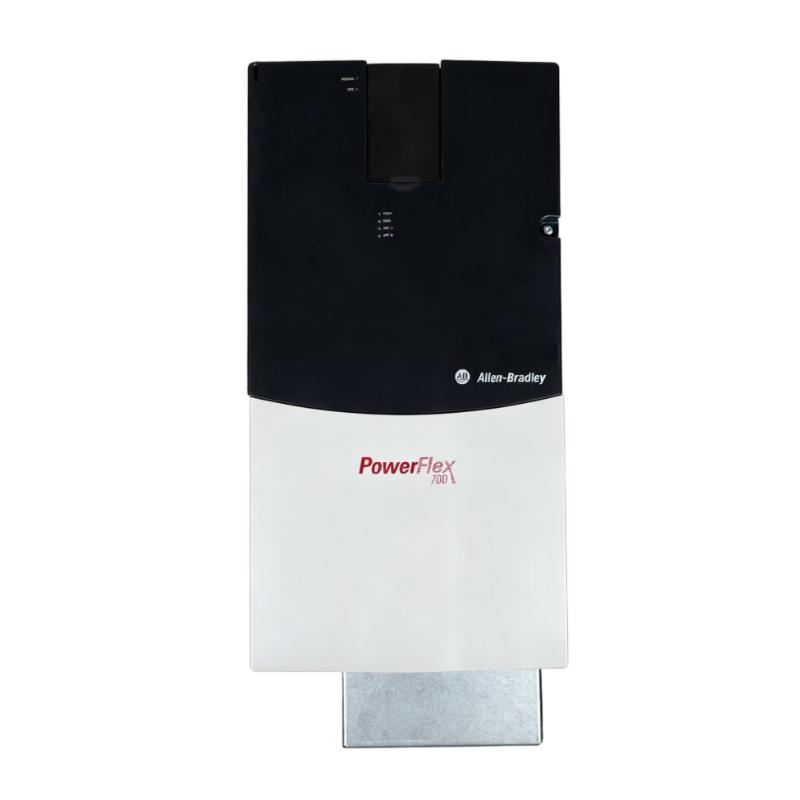
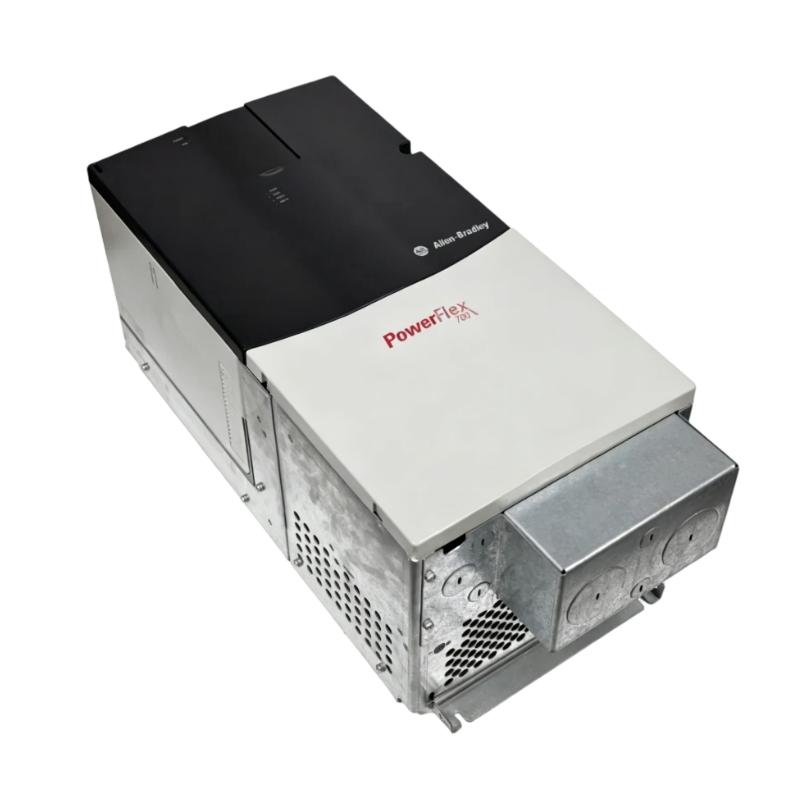
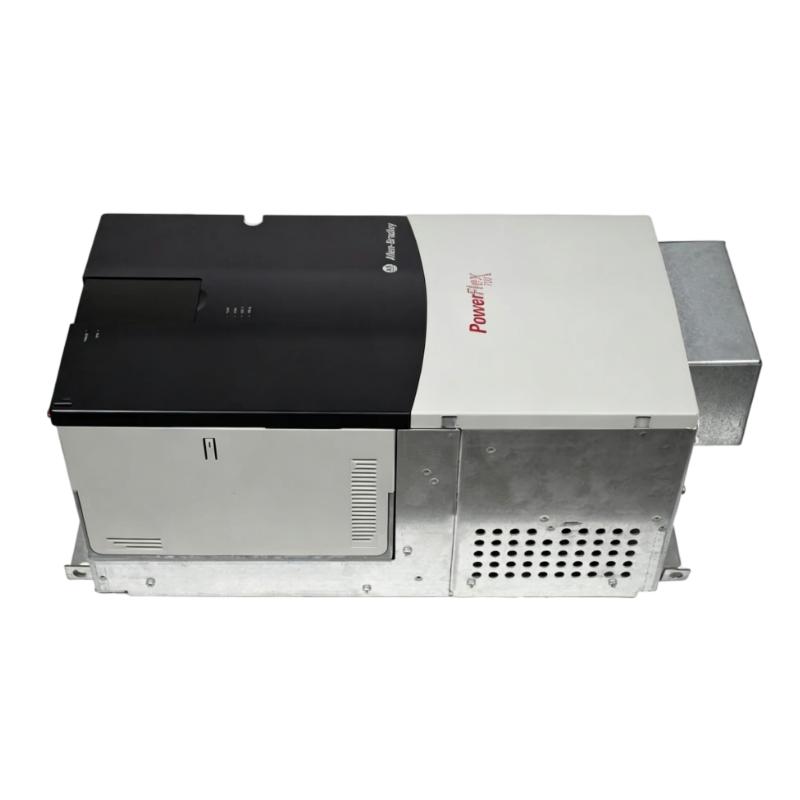
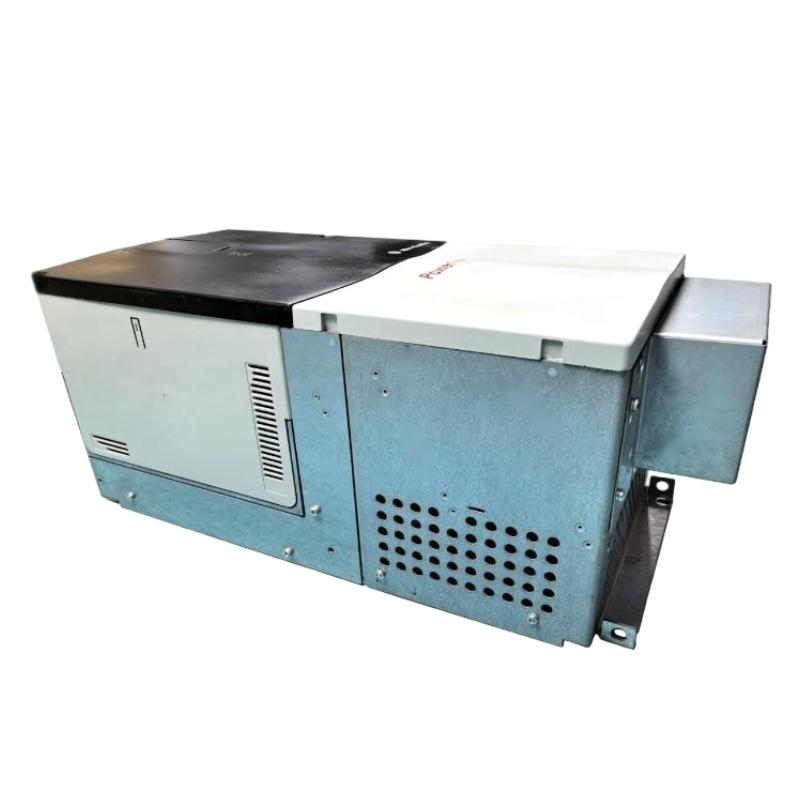
Allen Bradley 20BC170A0ANNAND0 PowerFlex 700 AC Drive
Allen Bradley 20BC170A0ANNAND0 PowerFlex 700 AC Drive
0.0
Points
Brand:Allen Bradley PLC Item No.:20BC170A0ANNAND0 Product Origin:USA Product Dimensions:976.3 x 403.9 x 275.5 mm Product Weight:71.44 kg Payment:T/T, Western Union, Credit Card Goods_stock:15 Shipping Port:Xiamen, China Lead Time:1-3 Days Condition:Brand New And Original Warranty:1 Year Certificate:COO
The Allen-Bradley 20BC170A0ANNAND0 is part of the PowerFlex 700 family of industrial AC drives. The platform was developed for applications requiring adjustable motor speed and more sophisticated motor-control functions than basic starters provide.
In an automated production environment, motor speed can have a direct impact on throughput and process stability. A conveyor may need different speeds during loading and production, while a pump or fan may need to respond to changing process demand. An adjustable frequency drive provides the electrical control required to make these changes.
Acceleration and deceleration settings are equally important. Starting a large mechanical load too aggressively can increase current demand and mechanical stress. Similarly, stopping a high-inertia load too quickly can create regenerative energy and potentially trigger DC-bus overvoltage.
The drive's diagnostic capabilities can also help maintenance teams troubleshoot production interruptions. Instead of replacing components based only on symptoms, technicians can examine drive status, fault conditions, motor behavior, and mechanical loading to identify the most likely source of the problem.
The physical size of this model is significant. At 976.3 × 403.9 × 275.5 mm, it requires sufficient panel or equipment space. Its 71.44 kg weight also means that the mounting structure should be designed to safely support the unit and allow for appropriate installation and maintenance access.
For replacement projects, engineers should verify the entire catalog number. PowerFlex 700 drives can have different electrical ratings, configurations, options, and control characteristics, so a visually similar unit should not automatically be treated as a direct replacement.
Technical Specifications
Parameter
Specification
Brand
Allen-Bradley
Manufacturer
Rockwell Automation
Model
20BC170A0ANNAND0
Product Family
PowerFlex 700
Product Type
AC Drive
Drive Series
PowerFlex 700
Application
Adjustable Frequency Motor Control
Motor Control
AC Motor Speed and Torque Control
Installation
Industrial Control Equipment
Dimensions
976.3 × 403.9 × 275.5 mm
Weight
71.44 kg (157.50 lb)
The substantial dimensions and weight should be taken into account during cabinet design, transportation, mounting, and service planning. Adequate structural support, ventilation, electrical clearance, grounding, and maintenance access are important for a reliable installation.
Recommended Related Models
Model
Product Type
Relationship
Allen-Bradley 20BC170A0ANNANC0
PowerFlex 700 AC Drive
Closely related configuration
Allen-Bradley 20BC072A0AYNANC0
PowerFlex 700 AC Drive
Related PowerFlex 700 configuration
Allen-Bradley 20BC105A0AYNANC0
PowerFlex 700 AC Drive
Related industrial drive
Allen-Bradley 20BC260A0ANNANC0
PowerFlex 700 AC Drive
Higher-capacity related configuration
Allen-Bradley 20BC360A0ANNANC0
PowerFlex 700 AC Drive
Large-capacity related configuration
For replacement or retrofit work, verify the complete catalog number together with motor requirements, input/output characteristics, enclosure arrangement, control configuration, and installed options.
Popular Related PowerFlex AC Drives
Model
Product Family
Typical Application
Allen-Bradley 20BC072A0AYNANC0
PowerFlex 700
Industrial variable-speed motor control
Allen-Bradley 20BC105A0AYNANC0
PowerFlex 700
Process and machine applications
Allen-Bradley 20BC170A0ANNANC0
PowerFlex 700
Large industrial motor control
Allen-Bradley 20BC170A0ANNAND0
PowerFlex 700
Heavy-duty industrial drive applications
Allen-Bradley 20BC260A0ANNANC0
PowerFlex 700
Higher-capacity motor systems
Allen-Bradley 20BC360A0ANNANC0
PowerFlex 700
Large industrial motor applications
The Allen-Bradley 20BC170A0ANNAND0 PowerFlex 700 AC Drive is a substantial industrial variable-speed drive intended for demanding motor-control applications. Its 976.3 × 403.9 × 275.5 mm physical format and 71.44 kg weight make installation planning especially important, while its PowerFlex 700 platform provides the flexible motor-control architecture needed for conveyors, process equipment, pumps, fans, material-handling systems, and other automated industrial machinery.
Industrial Applications
The Allen-Bradley 20BC170A0ANNAND0 PowerFlex 700 AC Drive is designed for industrial motor-control systems where dependable variable-speed operation, controlled acceleration, and integration with automated production equipment are important. As part of the PowerFlex 700 family, it is intended for demanding applications that require more flexibility than a conventional motor starter can provide.
Typical applications include heavy-duty conveyors, pumps, fans, compressors, mixers, material-handling systems, machine tools, process equipment, and production machinery. The drive allows engineers to adjust motor operating conditions to suit the process rather than running the motor continuously at a single fixed speed.
In conveyor systems, for example, controlled acceleration can reduce mechanical shock to belts, gearboxes, couplings, and transported products. In pump and fan applications, variable-speed control can help the motor respond more closely to changing process requirements.
The 20BC170A0ANNAND0 is a large industrial drive, with dimensions of 976.3 × 403.9 × 275.5 mm and a listed weight of 71.44 kg. This physical format makes it particularly suitable for fixed industrial installations where appropriate cabinet space, structural support, ventilation, and service access can be provided.
For industrial automation projects, the PowerFlex 700 platform offers a practical way to integrate motor speed control into a broader Allen-Bradley control environment.
Built for Flexible Industrial Motor Control
One of the key benefits of the PowerFlex 700 platform is its ability to provide controlled variable-speed motor operation. Rather than switching an AC motor directly between stopped and full-speed conditions, the drive can manage acceleration and deceleration according to configured parameters.
This can be particularly valuable with high-inertia loads. A heavy conveyor or rotating process machine may require a carefully controlled acceleration profile to prevent excessive current demand and mechanical stress.
The same principle applies during stopping. When a motor decelerates, energy from the rotating load can return toward the drive's DC bus. Proper drive configuration is therefore important for applications involving rapid stopping or high-inertia loads.
The drive also provides configurable monitoring and protection functions that help maintenance personnel identify abnormal operating conditions. Fault information can provide useful clues when investigating motor overload, overcurrent, DC-bus conditions, control problems, or other drive-related issues.
Another advantage is its suitability for integration into industrial automation systems. The drive can form part of a coordinated control architecture in which PLCs, operator interfaces, sensors, and motor-control equipment work together to execute a production process.
The 20BC170A0ANNAND0 is therefore well suited to installations where a substantial industrial AC drive is required and where reliability, controllability, and maintainability are important purchasing considerations.
Technical FAQs
1. What is the Allen-Bradley 20BC170A0ANNAND0?
It is a PowerFlex 700 AC drive designed for industrial variable-speed control of compatible AC motors.
2. What is the main purpose of the PowerFlex 700 drive?
The drive controls AC motor operation by regulating the electrical output supplied to the motor. Depending on the application configuration, this allows controlled speed, acceleration, deceleration, and motor operation.
3. Why is variable-frequency control useful for industrial motors?
Variable-frequency control allows motor speed to be adjusted according to process requirements. It can also provide smoother starting and stopping than direct-on-line motor starting.
4. What motor information should be entered into the drive?
The drive should be configured using the correct motor nameplate and application information, including relevant voltage, current, frequency, speed, and other parameters required by the selected motor-control mode.
5. What are common causes of an overcurrent fault?
An excessive mechanical load, short acceleration time, motor wiring problems, incorrect motor parameters, mechanical obstruction, or motor faults can contribute to an overcurrent condition. The actual fault code and operating circumstances should be examined before making adjustments.
6. Why can rapid deceleration cause an overvoltage fault?
During rapid deceleration, a high-inertia motor load can regenerate energy back into the drive. If the DC-bus voltage rises beyond its allowable level, the drive may trip on overvoltage.
7. How should a recurring drive fault be diagnosed?
Identify the exact fault and determine when it occurs. Check whether it appears during startup, acceleration, steady-state operation, or deceleration, then inspect the motor, electrical supply, wiring, mechanical load, and relevant drive parameters.
8. What happens if acceleration time is set too aggressively?
The drive may demand a large amount of current to accelerate the motor and load rapidly. If the motor or drive cannot provide the required current, an overcurrent or overload condition may occur.
9. What should be checked when the motor receives no output from the drive?
Check active faults, drive enable conditions, start commands, speed reference, control-source configuration, motor wiring, interlocks, and programmed operating parameters.
10. Can the drive be commissioned without the motor connected?
Drive-specific commissioning procedures vary, and some tests can be performed without normal motor operation. However, the exact procedure should follow the applicable drive configuration and safety requirements rather than applying generic test methods.