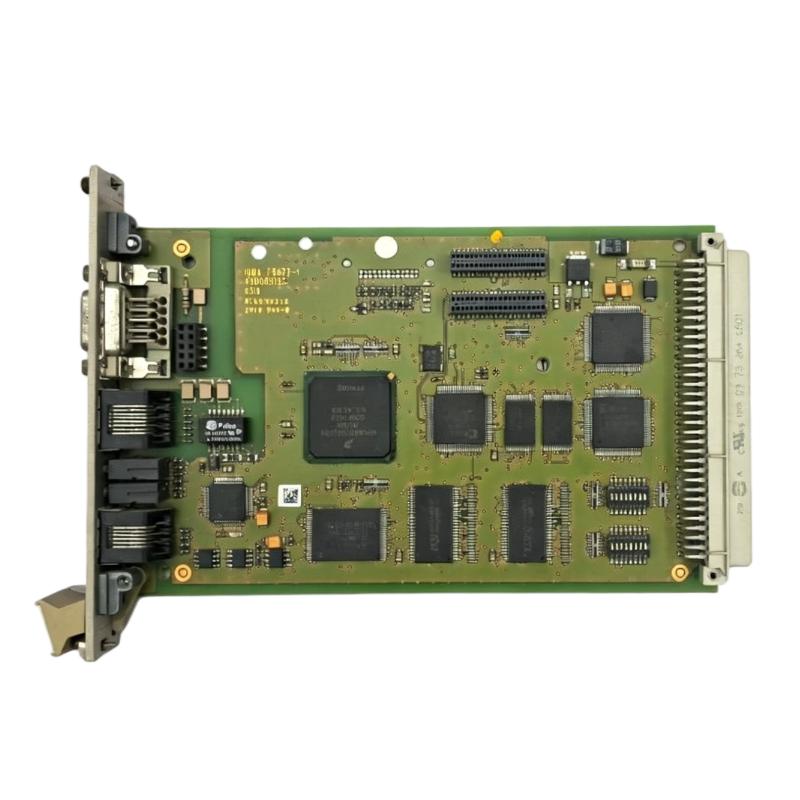
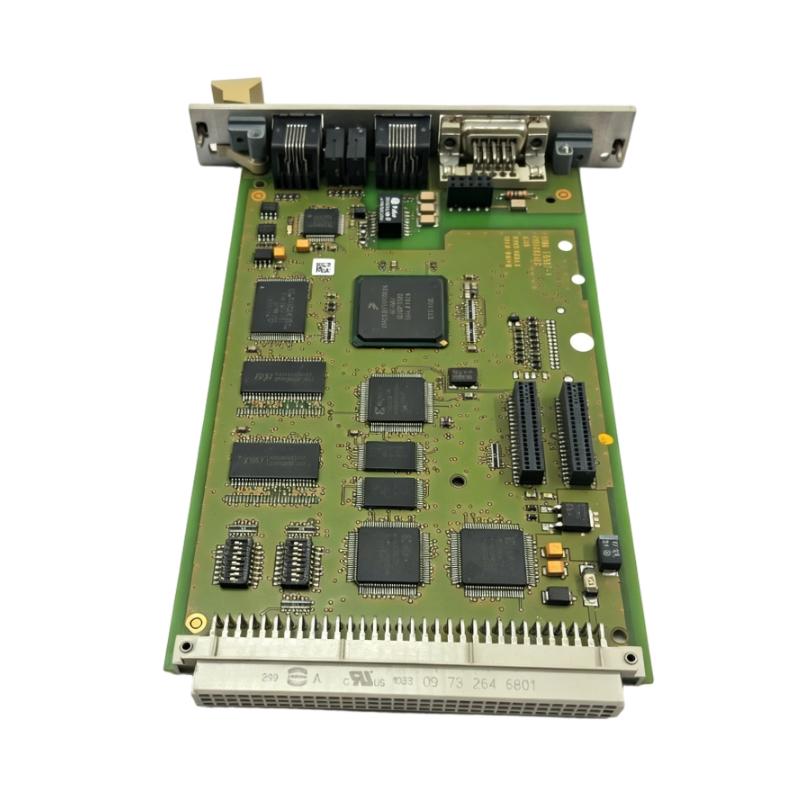
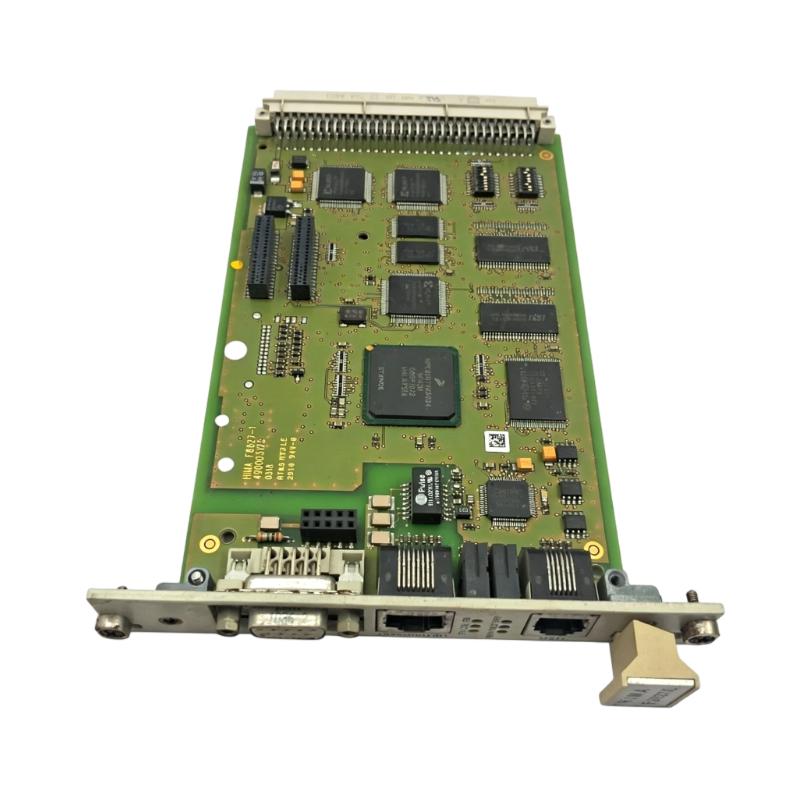
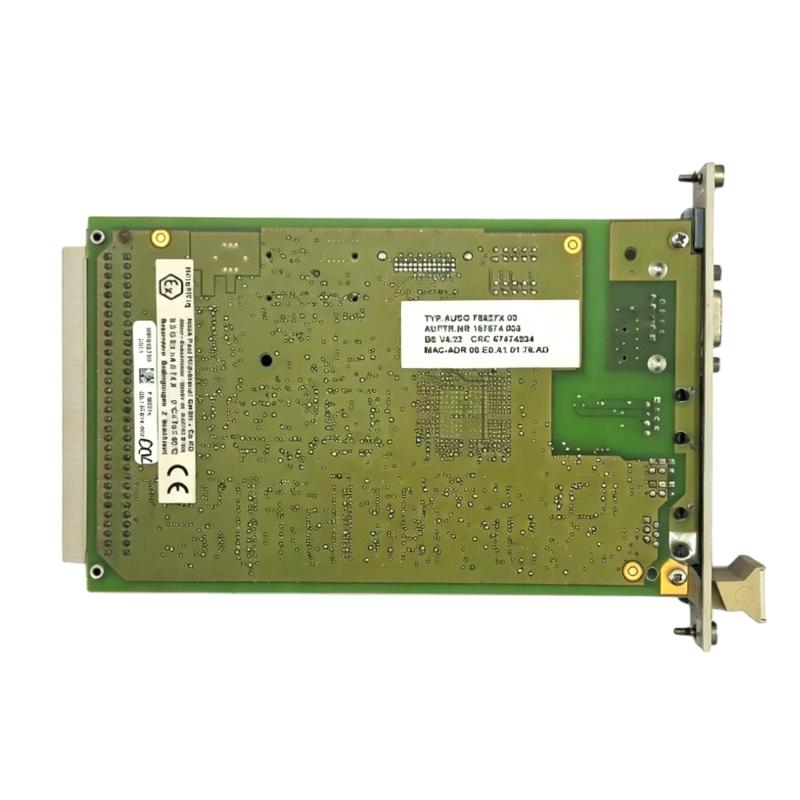
Brand:Hima DCS Modules Item No.:F8625 Product Origin:Germany Product Dimensions:160 x 100 x 30 mm Product Weight:0.34 kg Payment:T/T, Western Union, Credit Card Goods_stock:15 Shipping Port:Xiamen, China Lead Time:1-3 Days Condition:Brand New And Original Warranty:1 Year Certificate:COO
Industrial safety systems increasingly operate within connected automation environments. While safety functions must remain appropriately controlled and managed, reliable communication can provide important support for diagnostics, engineering, supervision, and system integration.
The HIMA F8625 Ethernet Communication Module provides a dedicated communication interface for compatible HIMA architectures. Its purpose is to facilitate network connectivity while allowing the core safety-control functions to remain assigned to the appropriate control hardware.
For system designers, network architecture should be considered carefully. Ethernet communication is not simply a matter of connecting cables. Addressing, network topology, cable selection, environmental conditions, managed network equipment, and communication requirements can all influence overall system performance.
For maintenance personnel, a structured troubleshooting approach is particularly important. If a networked device becomes unavailable, the problem may originate from the module, cable, connector, switch, configuration, or remote equipment.
Checking the physical Ethernet connection is a useful starting point. Engineers should then review network status and configuration before concluding that the communication module itself has failed.
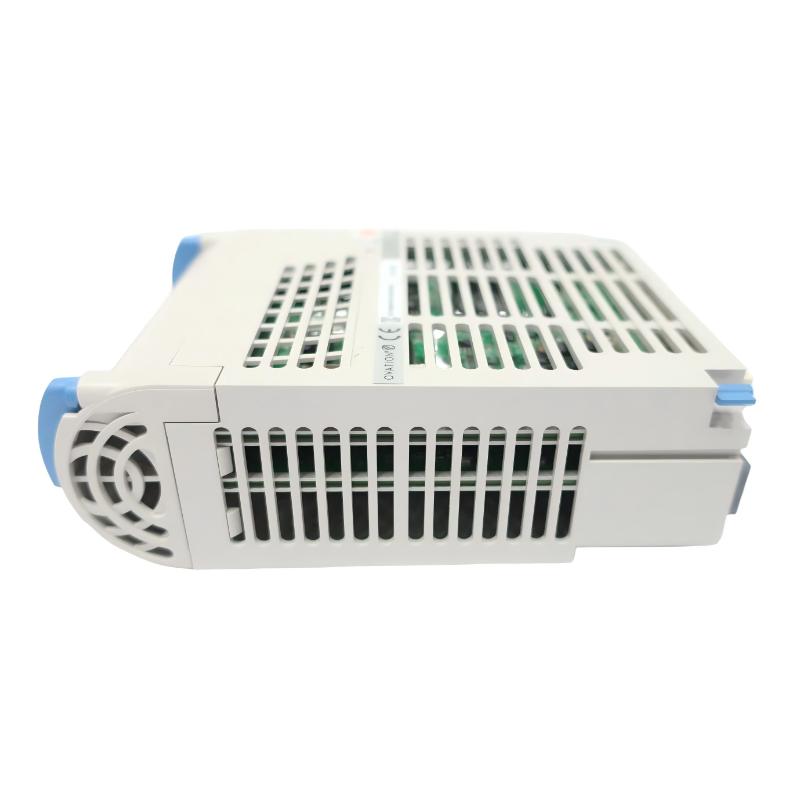
The F8625 measures 160 × 100 × 30 mm, providing a relatively compact form factor for industrial control installations. Its listed weight of 0.34 kg (0.75 lb) makes it easy to accommodate from a mechanical standpoint, although the complete cabinet layout should still provide appropriate access and environmental conditions.
For modernization projects, the communication module can also form part of a broader effort to integrate existing safety automation equipment with contemporary industrial networking infrastructure. However, system compatibility should always be established before introducing replacement or additional hardware.
For OEMs, system integrators, and plant engineering teams, the F8625 offers a dedicated approach to Ethernet connectivity within compatible HIMA automation architectures.
Technical Specifications
Parameter
Specification
Brand
HIMA
Model
F8625
Product Type
Ethernet Communication Module
Communication Type
Ethernet
Application
Industrial Automation / Safety Systems
Function
Network Communication
System Application
HIMA Control Architecture
Installation
Industrial Control Cabinet
Dimensions
160 × 100 × 30 mm
Weight
0.34 kg (0.75 lb)
The compact dimensions make the module suitable for space-conscious industrial control installations. Network configuration and hardware compatibility should be verified according to the complete HIMA system architecture before commissioning.
Recommended Related Models
Model
Product Type
Relationship
HIMA F8625
Ethernet Communication Module
Target model
HIMA F8627X
Communication / Safety System Module
Related HIMA hardware
HIMA F8650X
Safety Controller Module
Related control hardware
HIMA F7130A
Safety I/O Module
Related safety-system component
HIMA H51Q-HRS B5233-2 997205233
System Assembly Rack
Related HIMA installation hardware
HIMA F6217
Safety System Module
Related HIMA hardware
Compatibility should be confirmed against the specific HIMA system generation, controller configuration, network architecture, and intended application.
Popular Related HIMA Models
Model
Product Family
Typical Application
HIMA F8625
HIMA Safety / Automation
Ethernet communication
HIMA F8627X
HIMA Safety
System communication
HIMA F8650X
HIMA Safety
Safety control
HIMA F7130A
HIMA Safety
Safety I/O
HIMA F6217
HIMA Safety
Safety-system applications
HIMA F7553
HIMA Safety
Industrial safety control
HIMA F7530
HIMA Safety
Safety-system interface
The HIMA F8625 Ethernet Communication Module is a compact networking component for compatible HIMA industrial automation and safety-control architectures. With dimensions of 160 × 100 × 30 mm and a weight of 0.34 kg (0.75 lb), it can be integrated efficiently into industrial control cabinets while providing dedicated Ethernet communication capabilities. For OEMs, system integrators, and maintenance professionals, correct system compatibility, disciplined network configuration, and systematic communication troubleshooting are essential for dependable operation.
Industrial Ethernet Communication Applications
The HIMA F8625 Ethernet Communication Module is designed for industrial automation environments where reliable data exchange is an important part of the control architecture. As a communication module, it provides networking capabilities for compatible HIMA automation and safety-control systems, helping connect system components with the broader industrial communication infrastructure.
Modern industrial plants increasingly depend on networked control architectures. Safety controllers, engineering systems, supervisory platforms, and other automation equipment may need to exchange operational information through reliable communication paths. A dedicated Ethernet communication module can simplify this integration while keeping networking functions separate from the core control logic.
The F8625 is suitable for industrial environments where HIMA control equipment needs Ethernet-based connectivity as part of a structured automation network. Potential applications include process automation, manufacturing systems, power facilities, chemical plants, oil and gas installations, and other safety-critical industrial environments.
Its compact dimensions of 160 × 100 × 30 mm make it practical for control cabinets where available space must be managed carefully. The listed weight is 0.34 kg (0.75 lb), allowing the module to be integrated without adding significant mechanical load.
For system integrators and maintenance teams, using the correct communication module can help maintain compatibility with an established HIMA architecture while providing a clear and manageable path for industrial networking.
Reliable Ethernet Connectivity for HIMA Systems
Communication is an increasingly important part of modern automation. A controller may execute safety or process logic locally, but operational information often needs to move between controllers, supervisory systems, engineering stations, and other networked devices.
The HIMA F8625 Ethernet Communication Module supports this type of network integration within compatible HIMA system architectures. Its dedicated communication role allows networking requirements to be handled through purpose-designed hardware rather than placing unnecessary communication responsibilities on unrelated system components.
A well-engineered Ethernet network can provide several practical advantages. It can simplify system integration, improve access to operational information, and make it easier to connect automation equipment within a larger plant network.
Network reliability is particularly important in industrial environments. Electrical interference, incorrect configuration, damaged cables, unsuitable network architecture, or faulty network hardware can all contribute to communication problems. For this reason, the communication module should be considered as one part of the complete Ethernet path.
The F8625's 160 × 100 × 30 mm dimensions provide a compact installation footprint. At 0.34 kg (0.75 lb), it is also relatively lightweight for control cabinet installation.
For replacement applications, the complete F8625 model should be confirmed before procurement. Communication modules are often closely associated with specific system generations and architectures, so a visually similar Ethernet module may not provide the required compatibility.
Technical FAQs
1. What is the HIMA F8625?
The HIMA F8625 is an Ethernet Communication Module intended for compatible HIMA industrial automation and safety-control system architectures.
2. What is the purpose of an Ethernet communication module?
It provides a network interface that allows compatible automation equipment to exchange data through an Ethernet-based communication architecture.
3. Does the F8625 execute safety logic?
The primary role of the F8625 is communication. Safety logic execution is handled by the appropriate safety controller and associated system hardware.
4. What can cause Ethernet communication failures?
Possible causes include incorrect network configuration, damaged cables, connector problems, network-device faults, electrical interference, addressing conflicts, or problems elsewhere in the communication architecture.
5. What should be checked if the module cannot communicate with another device?
Check power and module status, Ethernet connections, network configuration, addressing, cable condition, connected network equipment, and relevant system diagnostics.
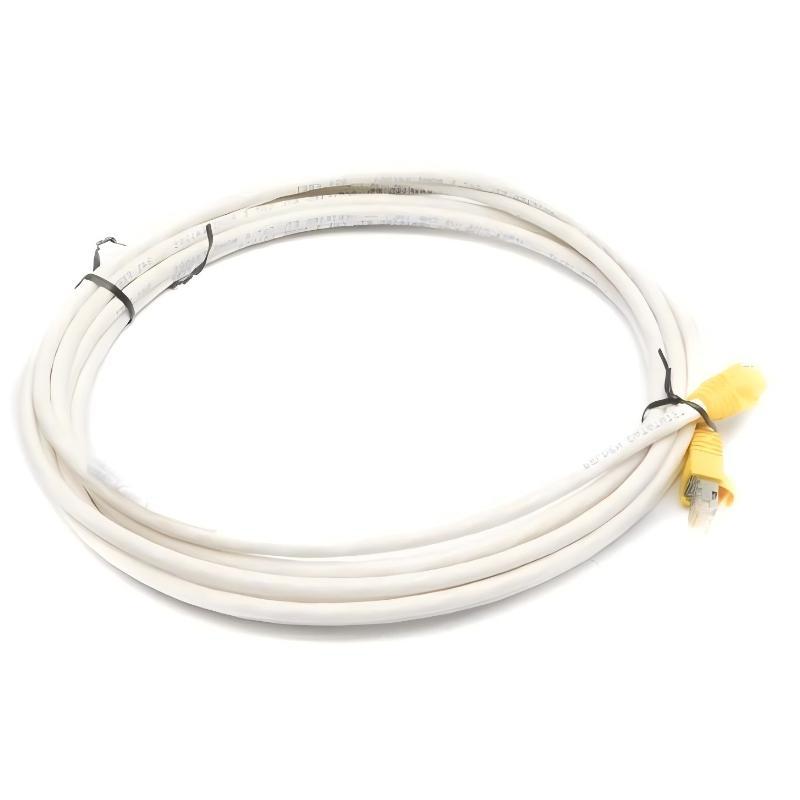
6. Can any Ethernet cable be used in an industrial control network?
Cable selection should match the environmental and network requirements of the installation. Industrial environments may require appropriate shielding, temperature ratings, mechanical protection, and other characteristics.
7. Why should network configuration be documented?
Clear documentation helps maintenance personnel identify devices, addresses, connections, and network paths quickly when troubleshooting communication problems.
8. Can a communication module fault affect control-system operation?
Depending on the system architecture, loss of communication may affect monitoring, data exchange, diagnostics, or other functions. The actual impact depends on how the network is integrated into the control system.
9. Should a suspected F8625 failure be confirmed before replacement?
Yes. Cable, network equipment, configuration, power, and system diagnostics should be checked first so that a communication problem is not incorrectly attributed to the module.
10. What should be verified after replacing the communication module?
Confirm correct installation, network connections, configuration, device recognition, communication status, and normal data exchange with the intended system components.