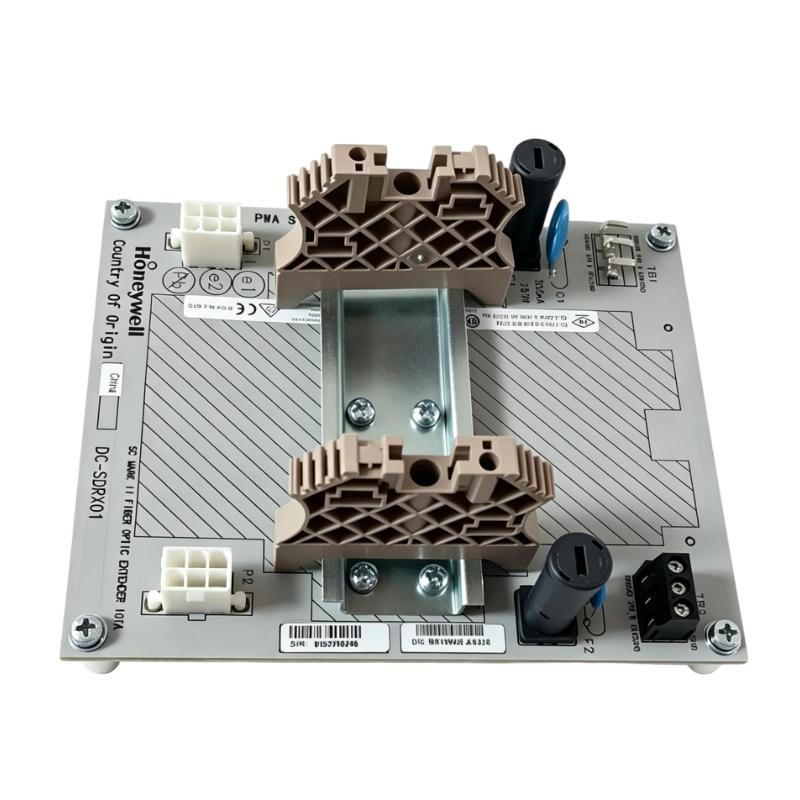
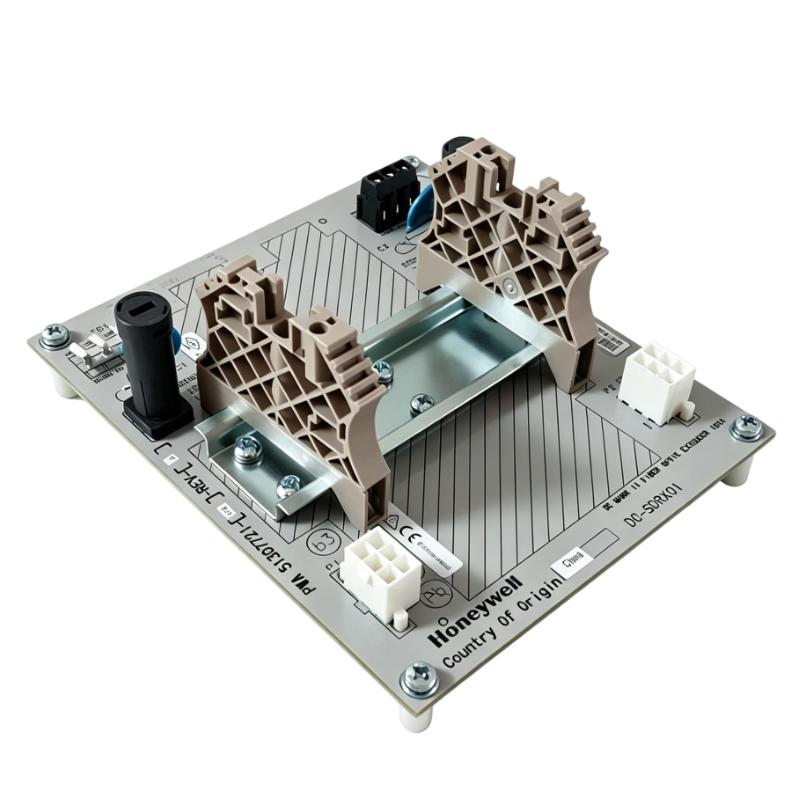
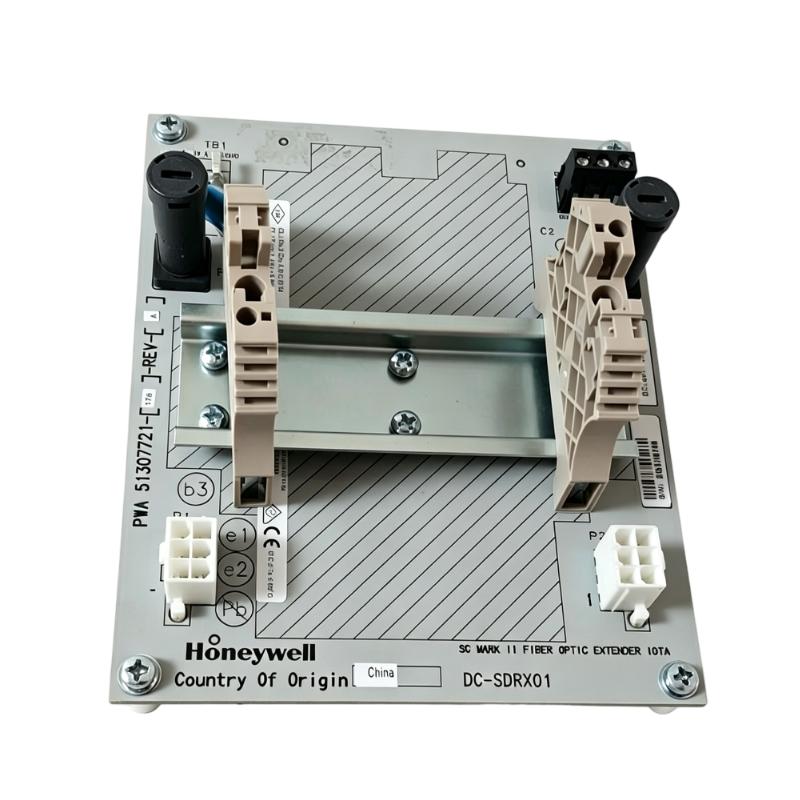
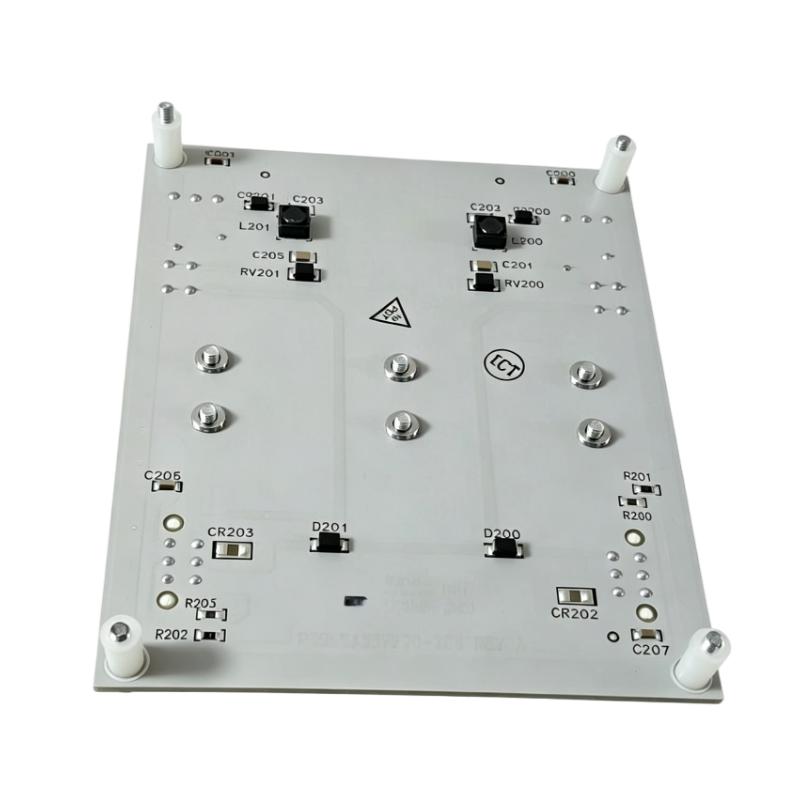
Brand:Honeywell DCS Item No.:DC-SDRX01 Product Origin:USA Product Dimensions:175 x 35 x 130 mm Product Weight:0.3 kg Payment:T/T, Western Union, Credit Card Goods_stock:15 Shipping Port:Xiamen, China Lead Time:1-3 Days Condition:Brand New And Original Warranty:1 Year Certificate:COO
Fiber Connectivity for Reliable Industrial Networking
Communication networks have become an essential part of modern automation systems. Control equipment increasingly exchanges information with remote I/O, supervisory systems, engineering stations, and other networked devices, making the reliability of the communication infrastructure an important consideration.
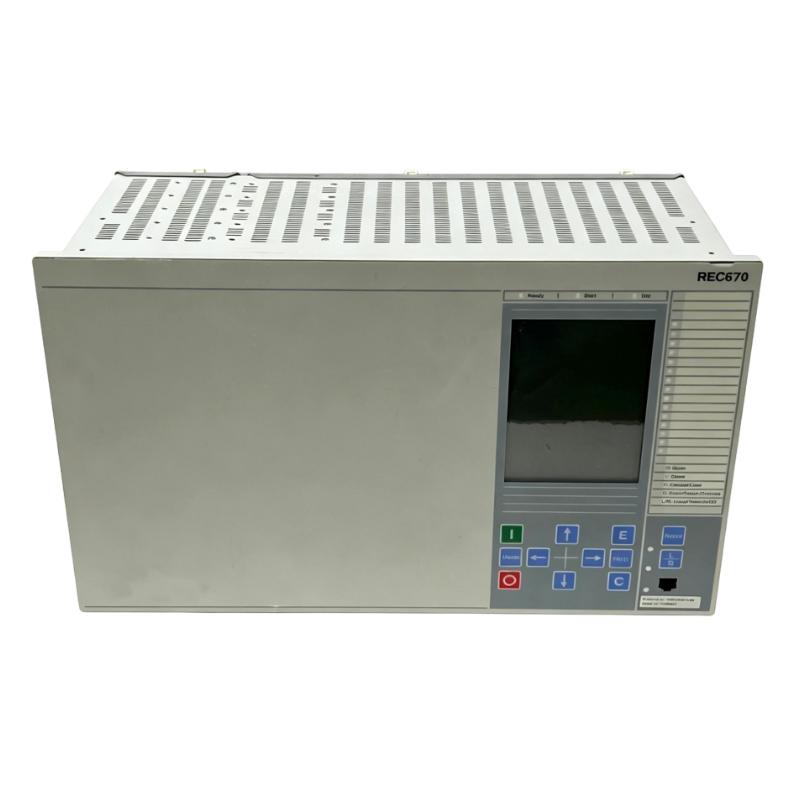
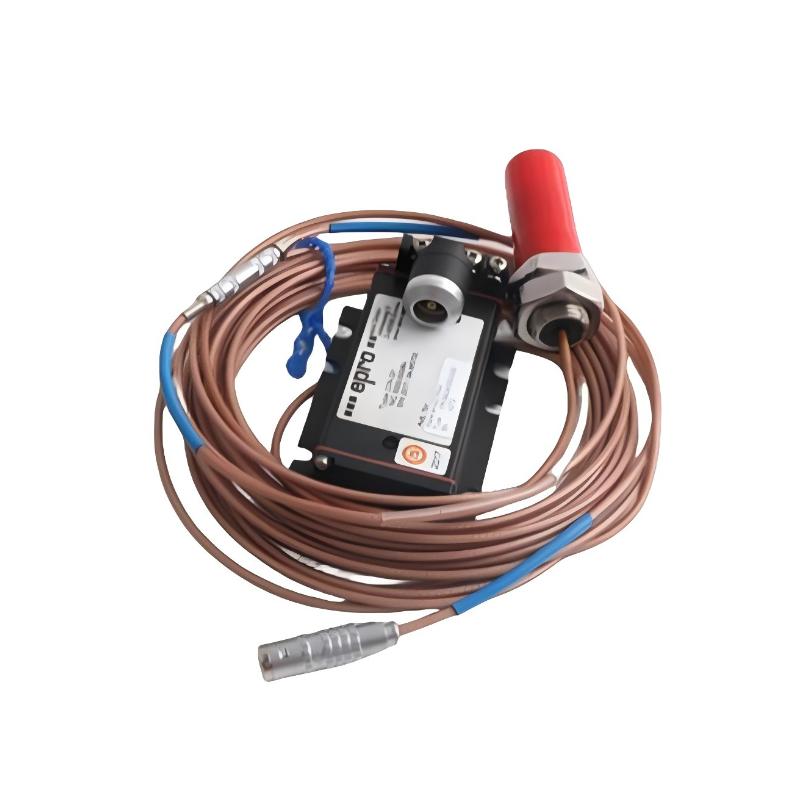
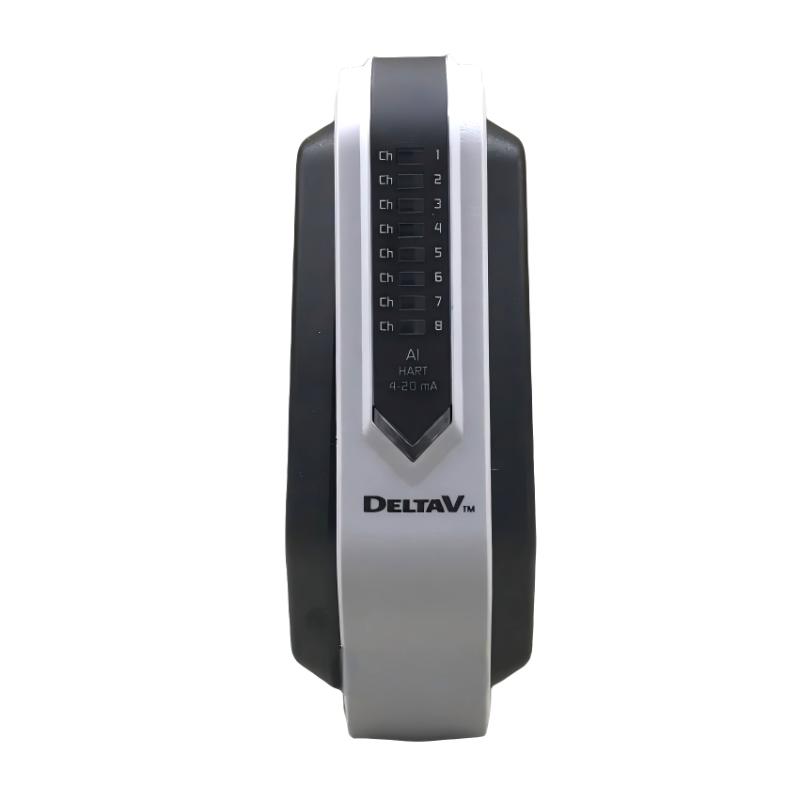
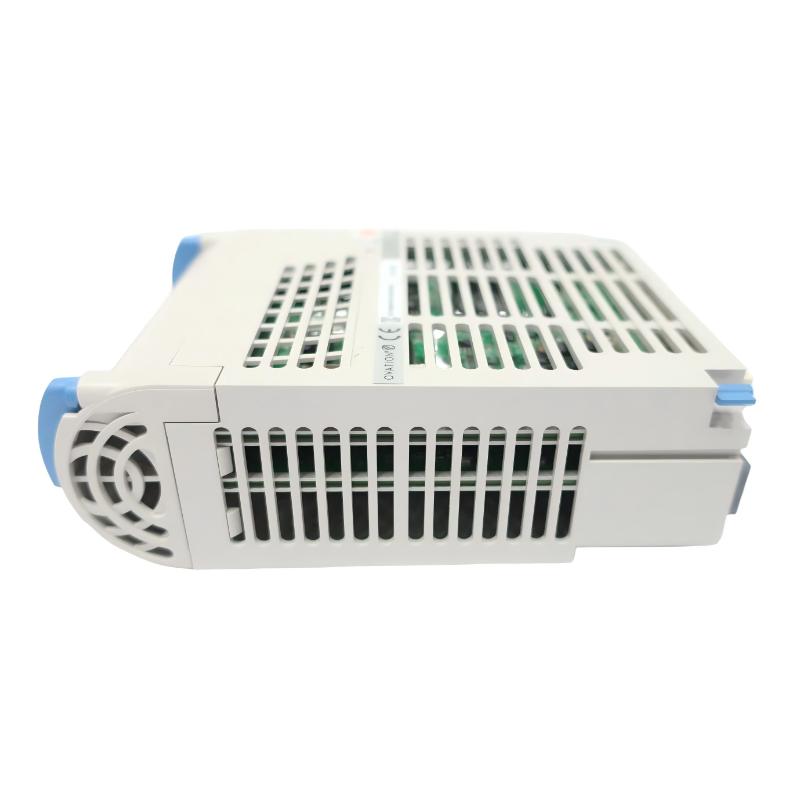
The Honeywell DC-SDRX01 Fiber Optic Converter provides a dedicated interface for fiber-based communication within compatible Honeywell installations. Its compact construction makes it suitable for industrial cabinets where multiple automation components need to be installed in a clearly organized arrangement.
One of the main advantages of fiber communication is its ability to provide electrical isolation between network segments. This can be particularly valuable in facilities containing large motors, power electronics, generators, switching equipment, and other sources of electromagnetic interference.
Fiber also provides a practical solution for communication links between physically separated areas. In a large industrial facility, communication equipment may need to connect across different buildings, process areas, or control rooms. Properly designed optical links can help address these challenges.
For maintenance engineers, however, optical communication requires a slightly different troubleshooting approach. A network fault should not immediately be attributed to the converter. The complete link should be examined, including the optical cable, connectors, associated electrical interface, network equipment, and configuration.
Physical inspection is often a useful starting point. Damaged fiber, excessive bending, poorly seated connectors, or contaminated optical interfaces can cause communication problems even when the converter itself is functioning normally.
The physical characteristics of the DC-SDRX01 are also relevant during cabinet planning. Its dimensions are 175 × 35 × 130 mm, while the listed weight is 0.30 kg (0.66 lb). The narrow 35 mm dimension can be advantageous when installation space is limited.
For system upgrades and replacement projects, exact model matching is recommended. Communication converters can differ significantly in their electrical and optical interfaces even when their external appearance is similar.
A carefully designed fiber communication path can improve network resilience and help create a cleaner industrial automation architecture. For Honeywell system users, OEMs, and integrators, the DC-SDRX01 represents a compact component for compatible fiber-based communication requirements.
Technical Specifications
Parameter
Specification
Brand
Honeywell
Model
DC-SDRX01
Product Type
Fiber Optic Converter
Application
Industrial Communication
Function
Fiber Optic Signal Conversion
Communication Medium
Fiber Optic
System Application
Honeywell Industrial Automation
Installation
Industrial Control / Communication Cabinet
Dimensions
175 × 35 × 130 mm
Weight
0.30 kg (0.66 lb)
The compact 35 mm profile makes the converter suitable for space-conscious communication installations. Exact optical and electrical interface requirements should be verified against the intended Honeywell system configuration before installation.
Recommended Related Models
Model
Product Type
Relationship
Honeywell DC-SDRX01
Fiber Optic Converter
Target model
Honeywell 51307190-150
I/O Link Interface Module
Related communication/interface hardware
Honeywell 05701-A-0326
Field Interface Card
Related field-interface component
Honeywell 51403157-200
Auxiliary Power Supply Components
Related system support hardware
Honeywell 05701-A-0405
Power Supply Unit
Related power hardware
Honeywell 51305470-100
I/O Interface Module
Related automation interface
The appropriate related hardware should be selected according to the specific Honeywell system architecture and communication requirements.
Popular Related Honeywell Models
Model
Product Family
Typical Application
Honeywell DC-SDRX01
Honeywell Communication
Fiber optic conversion
Honeywell 51307190-150
Honeywell I/O
I/O communication
Honeywell 05701-A-0326
Honeywell Interface
Field signal interface
Honeywell 51403157-200
Honeywell Power
Auxiliary power
Honeywell 05701-A-0405
Honeywell Power
System power
Honeywell 51305470-100
Honeywell I/O
Industrial I/O
Honeywell 51305472-100
Honeywell I/O
I/O communication
Honeywell 51309218-100
Honeywell Automation
System interfacing
The Honeywell DC-SDRX01 Fiber Optic Converter provides a compact communication solution for compatible Honeywell industrial automation architectures requiring fiber optic connectivity. Measuring 175 × 35 × 130 mm and weighing 0.30 kg (0.66 lb), it can be integrated efficiently into industrial communication cabinets while supporting optical communication between compatible network segments. For OEMs, system integrators, and maintenance teams, accurate interface matching, clean fiber connections, correct configuration, and systematic link troubleshooting are essential for dependable industrial network performance.
Industrial Fiber Optic Communication Applications
The Honeywell DC-SDRX01 Fiber Optic Converter is a communication interface component designed for industrial automation environments where optical fiber connectivity is required between compatible control-system or network equipment. Fiber-based communication is particularly valuable in industrial facilities because it can provide electrical isolation and reduce the influence of electromagnetic interference over communication paths.
In process plants, power facilities, manufacturing environments, and other demanding automation installations, communication networks may span considerable distances or pass through areas with significant electrical noise. Fiber optic technology provides an effective way to establish a robust communication link while separating electrically sensitive equipment from certain field-level interference conditions.
The DC-SDRX01 is suited to applications where a compatible Honeywell automation architecture requires fiber-optic signal conversion. Its compact design allows it to be incorporated into industrial communication cabinets and interface assemblies without occupying excessive space.
The listed dimensions are 175 × 35 × 130 mm, and the listed weight is 0.30 kg (0.66 lb). Its slim 35 mm profile can be useful in dense control cabinets where communication equipment, interface components, and power hardware must share limited installation space.
For system integrators, maintenance engineers, and plant operators, selecting the correct fiber optic converter can help preserve an existing communication architecture while providing a practical interface between compatible communication media.
Optical Communication for Demanding Automation Environments
Industrial communication networks often operate under conditions that are considerably more demanding than typical office networks. Motors, variable-frequency drives, switching equipment, high-current conductors, and other electrical equipment can create electromagnetic environments that must be considered when designing communication infrastructure.
Fiber optic communication provides an important advantage in these situations because optical transmission does not rely on electrical conductivity along the communication path. A fiber optic converter can therefore serve as an interface between compatible electrical communication equipment and an optical network segment.
The Honeywell DC-SDRX01 Fiber Optic Converter is designed for this type of communication application. By supporting fiber-based connectivity within a compatible Honeywell installation, it can help engineers develop communication paths that are better suited to electrically noisy or physically separated industrial environments.
The module measures 175 × 35 × 130 mm, providing a compact footprint for cabinet installation. At 0.30 kg (0.66 lb), it is also relatively lightweight, making it convenient for equipment handling and cabinet integration.
Communication reliability depends on the entire link rather than the converter alone. Fiber type, connector condition, optical path integrity, network configuration, power quality, and connected equipment all need to be considered when diagnosing communication problems.
For replacement applications, engineers should verify the complete DC-SDRX01 identification and confirm compatibility with the existing Honeywell system. Communication hardware should not be substituted solely because another device appears to provide a similar optical conversion function.
For industrial automation users, a correctly selected fiber optic converter can provide a valuable communication bridge while supporting a cleaner and more resilient network architecture.
Technical FAQs
1. What is the Honeywell DC-SDRX01?
The Honeywell DC-SDRX01 is identified as a Fiber Optic Converter designed for compatible industrial communication applications.
2. Why is fiber optic communication useful in industrial automation?
Fiber optic communication can provide electrical isolation and strong resistance to electromagnetic interference, making it useful in electrically demanding industrial environments.
3. Does the DC-SDRX01 function as a PLC or controller?
No. Its primary purpose is communication media conversion rather than execution of PLC control logic.
4. What can cause a fiber communication failure?
Possible causes include damaged fiber, contaminated connectors, incorrect connections, optical-path problems, power issues, network configuration errors, or faults in connected communication equipment.
5. What should be checked when communication is intermittent?
Inspect the fiber connections and cable condition first, then check module status, network configuration, connected equipment, and other sections of the communication path.
6. Why should fiber connectors be kept clean?
Contamination on optical connector surfaces can reduce optical signal quality and may result in communication instability or complete loss of the link.
7. Can copper and fiber communication be connected directly?
Not normally. Appropriate conversion equipment is required when the two communication media use different physical interfaces.
8. Does fiber eliminate all industrial communication problems?
No. Fiber reduces certain electrical-interference concerns, but communication can still be affected by optical damage, connector problems, configuration errors, equipment faults, and other network issues.
9. Can a generic fiber converter replace the DC-SDRX01?
Not automatically. The communication protocol, optical interface, electrical interface, system compatibility, and network architecture must all be verified.
10. What should be verified after installing a replacement converter?
Check the physical connections, optical link status, communication configuration, connected-device status, diagnostic information, and successful data exchange across the complete communication path.