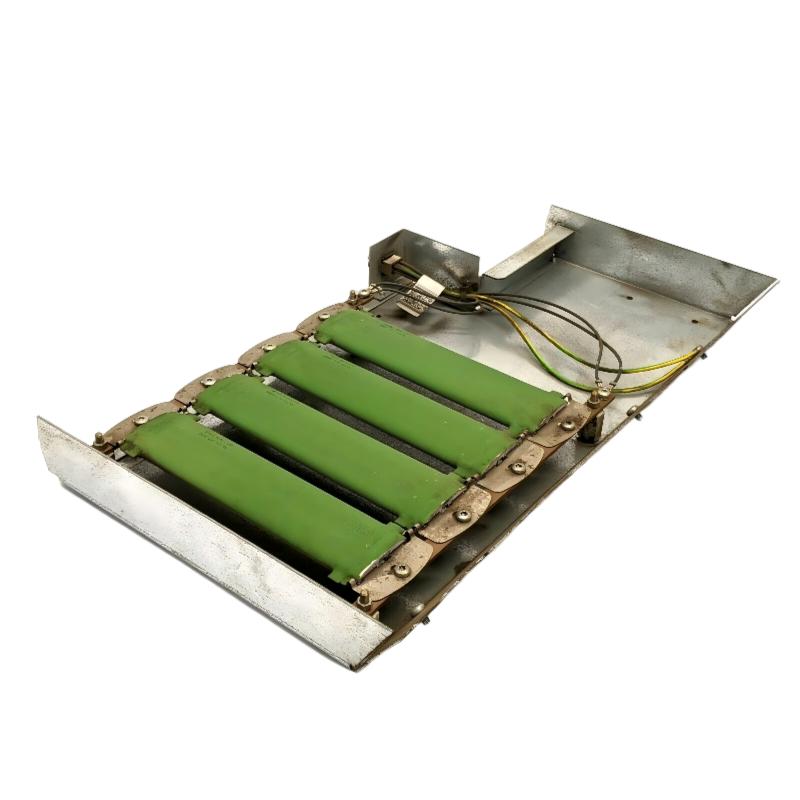
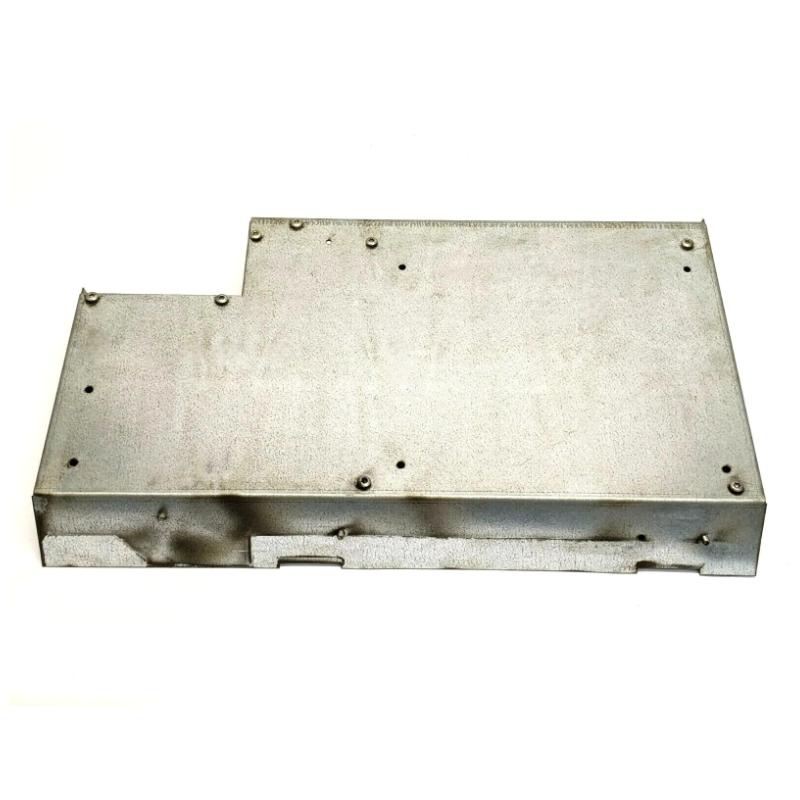
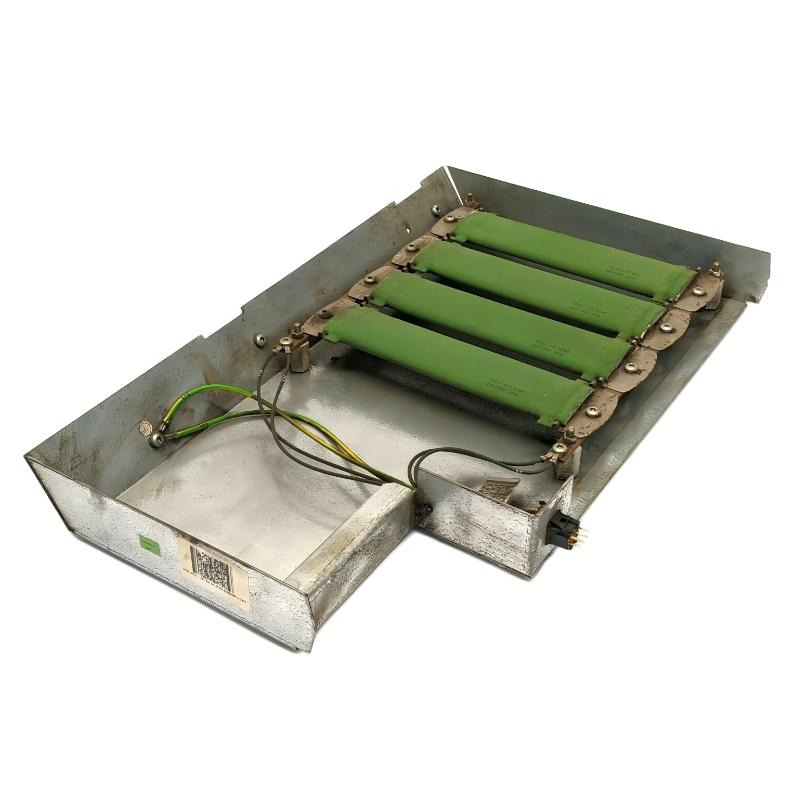
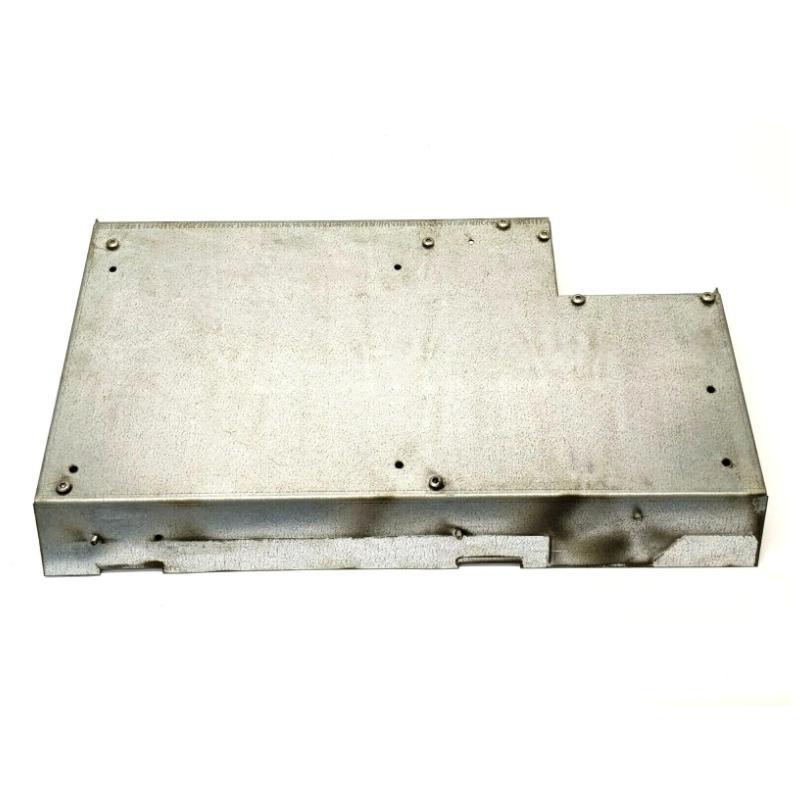
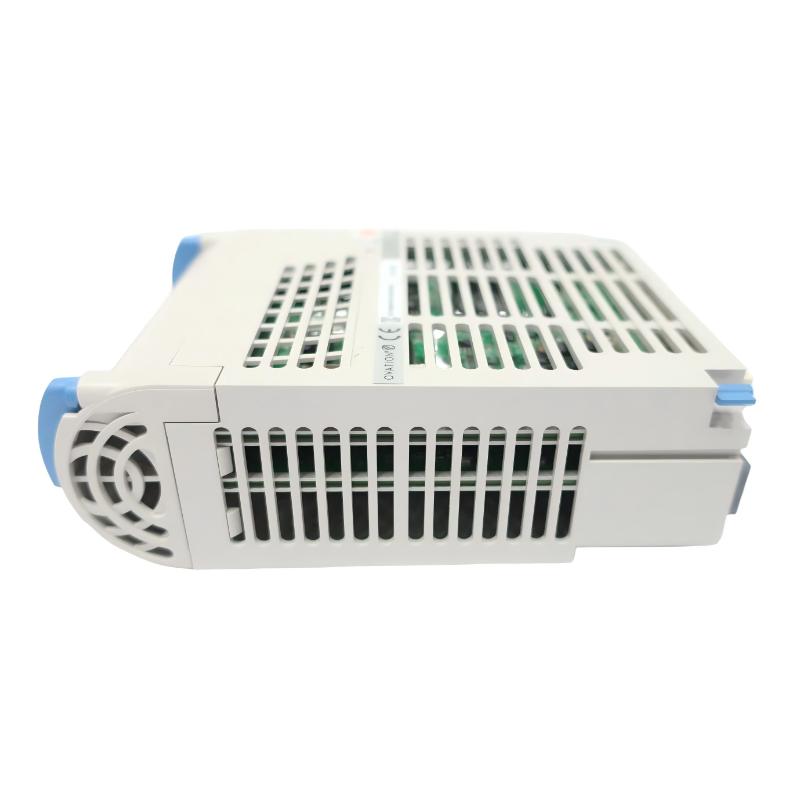
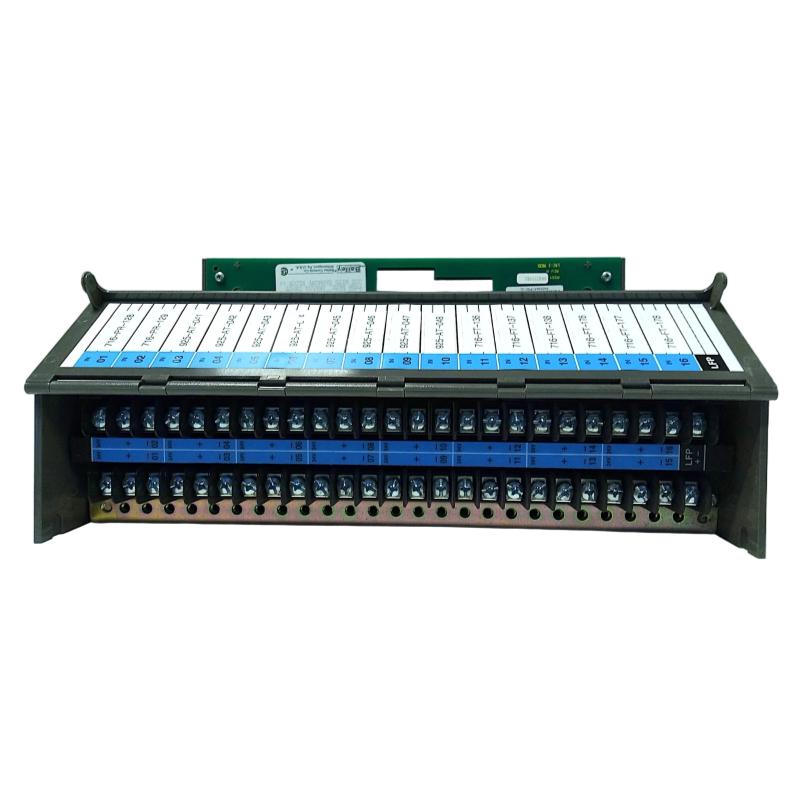
Brand:ABB PLC Item No.:3HAC4816-2 Product Origin:Sweden (SE) Product Dimensions:500 x 45 x 360 mm Product Weight:2.27 kg Payment:T/T, Western Union, Credit Card Goods_stock:15 Shipping Port:Xiamen, China Lead Time:1-3 Days Condition:Brand New And Original Warranty:1 Year Certificate:COO
Industrial robots rely on advanced servo systems to achieve fast, accurate, and repeatable movement. These servo systems continuously manage acceleration, speed changes, and braking operations. During deceleration, however, motors can operate as generators and return electrical energy to the drive system.
The ABB 3HAC4816-2 Robot Resistor Unit is designed to handle this regenerative energy within compatible ABB robotic installations. By converting excess electrical energy into heat, the resistor unit helps maintain safe operating conditions for the robot drive system.
In applications such as robotic welding, assembly, and material handling, rapid motion changes occur frequently. Without effective braking energy management, regenerative voltage can increase and trigger protective functions within the drive system.
The resistor unit therefore plays an important supporting role in maintaining automation availability. Although it does not directly control robot movement, it contributes to the stability and reliability of the complete motion-control system.
When troubleshooting robot drive issues, engineers should consider multiple possible causes. Problems involving overvoltage alarms, unexpected stops, or braking-related faults may involve the resistor unit, drive electronics, power supply conditions, wiring, or application parameters.
The ABB 3HAC4816-2 features an industrial design measuring 500 × 45 × 360 mm and weighing 2.27 kg (5.00 lb). These specifications should be considered when planning installation, mounting position, and heat-management requirements.
For factories operating ABB robotic equipment, maintaining a compatible resistor unit provides valuable support for long-term system reliability and efficient production operation.
Technical Specifications
Parameter
Specification
Brand
ABB
Model
3HAC4816-2
Product Type
Robot Resistor Unit
Application
ABB Industrial Robot Systems
Function
Regenerative Energy Dissipation
System Role
Braking Energy Management
Installation
Robot Controller / Drive System
Cooling Consideration
Heat Dissipation Required
Dimensions
500 × 45 × 360 mm
Weight
2.27 kg (5.00 lb)
The resistor unit should be installed according to the requirements of the specific ABB robot system. Proper wiring, ventilation, and compatibility verification are necessary before commissioning.
Recommended Related Models
Model
Product Type
Relationship
ABB 3HAC4816-2
Robot Resistor Unit
Target model
ABB 3HAC031683-001
Robot Resistor Component
Related ABB hardware
ABB DSQC Series Brake Resistor
Robot Power Component
Related energy-management device
ABB DSQC639
Robot Controller Component
Related automation hardware
ABB DSQC679
Robot Controller Component
Related ABB robotics equipment
ABB IRC5 Power Components
Robot System Hardware
Related application group
The correct replacement depends on the installed ABB robot controller, drive configuration, and application requirements.
Popular Related ABB Models
Model
Product Family
Typical Application
ABB 3HAC4816-2
ABB Robotics
Robot braking energy management
ABB DSQC639
ABB Robotics
Robot controller hardware
ABB DSQC679
ABB Robotics
Robot system components
ABB DSQC652
ABB Robotics
Robot control modules
ABB IRC5 Controller
ABB Robotics
Industrial robot control
ABB IRC5 Drive System
ABB Robotics
Servo motion control
ABB S4C+ Controller
ABB Robotics
Legacy robot systems
ABB OmniCore Controller
ABB Robotics
Advanced robot automation
The ABB 3HAC4816-2 Robot Resistor Unit is an essential energy-management component for compatible ABB robotic systems, helping safely dissipate regenerative energy generated during robot braking operations. With dimensions of 500 × 45 × 360 mm and a weight of 2.27 kg (5.00 lb), it provides a compact and practical solution for maintaining stable servo-drive performance. For automation engineers, robot integrators, and maintenance teams, correct model selection, proper installation, and effective thermal management are key factors in ensuring reliable ABB robot operation.
Applications
The ABB 3HAC4816-2 Robot Resistor Unit is an industrial electrical component designed to support braking energy management in compatible ABB robotic systems. During robot deceleration, servo motors can generate regenerative energy that needs to be safely handled to maintain stable operation of the robot controller and drive system. A resistor unit provides a controlled method for dissipating this excess energy as heat.
In industrial robotics applications, rapid movement changes and frequent acceleration or deceleration cycles are common. Processes such as welding, assembly, palletizing, packaging, and material handling require precise motion control, making effective energy management an important part of system reliability.
The ABB 3HAC4816-2 Robot Resistor Unit is used within compatible ABB robot-control architectures where braking energy absorption is required. It helps protect drive components from excessive regenerative voltage conditions and contributes to smoother operation during dynamic robot movements.
This component is especially valuable in production environments where robots perform repeated high-speed motions. By supporting proper energy dissipation, the resistor unit helps maintain controller stability and reduces stress on related electrical components.
With dimensions of 500 × 45 × 360 mm and a weight of 2.27 kg (5.00 lb), the unit is designed for industrial installation where suitable mounting space, airflow, and thermal considerations are available.
Advantages
Efficient Regenerative Energy Management
The ABB 3HAC4816-2 Robot Resistor Unit provides a reliable solution for handling regenerative energy generated during robot braking operations. This allows the automation system to manage energy produced during rapid deceleration without affecting normal operation.
Effective energy control is especially important in robotic applications with frequent motion changes and high dynamic performance requirements.
Supports Stable Robot Drive Operation
Servo systems used in industrial robots require precise electrical control. Excess regenerative energy can influence drive-system stability if not properly managed.
The resistor unit helps maintain suitable electrical conditions by safely dissipating unwanted braking energy.
Designed for High-Duty Robotic Applications
Robotic production systems often operate continuously with thousands of motion cycles. Components involved in energy management must be capable of supporting demanding industrial workloads.
The 3HAC4816-2 is designed for integration into ABB robotic environments where reliable operation is essential.
Compact Industrial Installation Design
The resistor unit measures 500 × 45 × 360 mm, providing a slim installation profile suitable for control-system integration.
Its weight of 2.27 kg (5.00 lb) allows easier handling during maintenance, replacement, and system upgrades.
Improves Equipment Protection
By managing regenerative energy effectively, the resistor unit helps reduce electrical stress on related drive components and supports improved reliability of the complete robot-control system.
For maintenance teams, using the correct resistor unit can help maintain the original performance characteristics of ABB robotic equipment.
Technical FAQs
1. What is the ABB 3HAC4816-2 Robot Resistor Unit used for?
The ABB 3HAC4816-2 is used to dissipate regenerative braking energy generated by compatible ABB robot servo systems.
2. Why do industrial robots need resistor units?
Robots frequently accelerate and decelerate. During braking, motors can generate electrical energy that must be safely managed to prevent unstable drive conditions.
3. What happens if a braking resistor unit fails?
A failed resistor unit may cause drive faults, overvoltage alarms, unexpected robot stops, or reduced system reliability during dynamic movements.
4. Can a standard power resistor replace the ABB 3HAC4816-2?
No. Robot resistor units are selected according to specific electrical characteristics, controller requirements, and system design parameters.
5. What causes a resistor unit to overheat?
Possible causes include excessive braking cycles, insufficient cooling, incorrect application matching, environmental conditions, or abnormal robot operation.
6. How can technicians diagnose resistor-unit problems?
Diagnosis should include checking system alarms, drive conditions, wiring connections, cooling conditions, and the overall robot motion profile.
7. Does the resistor unit affect robot positioning accuracy?
The resistor unit does not directly control positioning, but proper energy management helps maintain stable drive-system operation, which supports consistent robot performance.
8. Why is airflow important around a resistor unit?
Resistor units convert electrical energy into heat. Proper airflow helps prevent excessive temperature rise during operation.
9. Can braking resistor problems appear only during fast robot movements?
Yes. High-speed acceleration and deceleration cycles generate more regenerative energy, making problems more likely to appear during demanding motion sequences.
10. What should be checked after installing a replacement resistor unit?
Verify wiring, system alarms, drive operation, robot movement performance, and braking behavior before returning the equipment to production.