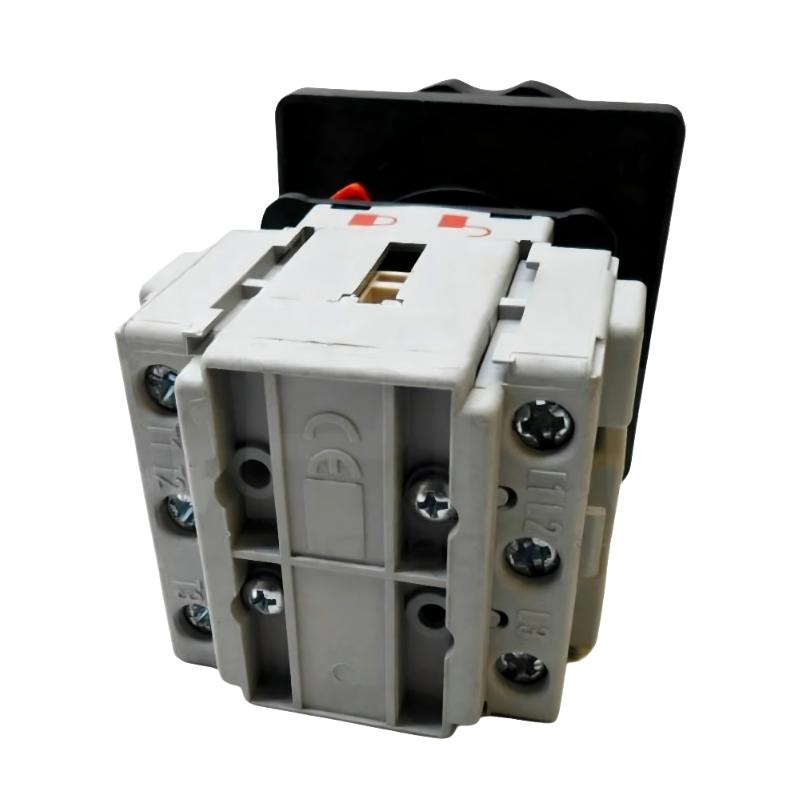
ABB 3HAC8253-1 Three-Phase Main Switch installation issues are commonly caused by incorrect power wiring, improper phase connection, insufficient electrical protection coordination, or incomplete commissioning checks rather than a defective main switch. In industrial robot and automation systems, the main switch is a critical power isolation component, and incorrect installation can prevent equipment startup or create unsafe electrical conditions.
The ABB 3HAC8253-1 Three-Phase Main Switch is designed for industrial automation power distribution applications, especially within ABB robotic systems and control cabinets. It provides manual power isolation and three-phase supply switching for machine power circuits, allowing maintenance personnel to safely disconnect electrical energy before service work.
ABB 3HAC8253-1 Three-Phase Main Switch Application and System Function
The ABB 3HAC8253-1 main switch acts as the primary power control point between the incoming electrical supply and the automation system.
Typical power architecture:
 id="abb8253_power"
Three-Phase AC Supply
        |
        |
ABB 3HAC8253-1 Three-Phase Main Switch
        |
        |
Robot Controller / Machine Cabinet
        |
        |
Servo Drives + Automation Equipment
Typical applications:
- ABB industrial robot systems
- Automated production cells
- Machine control cabinets
- Manufacturing equipment
- Industrial electrical panels
Main functions:
- Main power isolation
- Three-phase supply switching
- Maintenance safety separation
- Cabinet power control
Unlike a normal circuit switch, a main switch must handle:
- Continuous current operation
- Repeated switching
- Maintenance isolation requirements
- Industrial electrical environments
ABB 3HAC8253-1 Installation Preparation and Electrical Planning
Before installing the ABB 3HAC8253-1 Three-Phase Main Switch, engineers should verify the complete power system design.
Preparation includes:
- Confirming incoming voltage
- Checking phase sequence
- Reviewing current requirements
- Preparing cabinet layout
- Confirming grounding arrangement
Installation checklist:
| Inspection Item | Engineering Requirement |
|---|---|
| Supply voltage | Match system requirement |
| Phase connection | Correct three-phase sequence |
| Cable size | Suitable for load current |
| Terminal tightening | Proper torque |
| Grounding | Reliable protective connection |
| Cabinet space | Adequate installation clearance |
A common installation mistake is connecting the three-phase input without checking phase identification.
Incorrect phase connection may result in:
- Drive alarms
- Incorrect motor rotation
- Startup failure
- Additional commissioning time
ABB 3HAC8253-1 Three-Phase Main Switch Wiring Installation
Correct power wiring is essential for reliable operation.
Incoming Power Connection Check
Engineers should verify:
- L1 connection
- L2 connection
- L3 connection
- Protective grounding
- Cable routing
Typical power path:
 id="abb8253_wiring"
L1 ----\
L2 ----- ABB 3HAC8253-1 ---- Robot Controller
L3 ----/
PE ------------------------- Ground System
Incorrect wiring may cause:
- No power output
- Phase loss alarms
- Equipment instability
ABB 3HAC8253-1 Terminal Tightening and Mechanical Inspection
Power switch reliability depends heavily on mechanical installation.
Check:
- Terminal screw tightness
- Cable stress
- Mounting position
- Mechanical operation
During one robot cell commissioning project, engineers installed an ABB 3HAC8253-1 main switch in a new control cabinet.
Initial condition:
- Incoming voltage normal
- Main switch operated mechanically
- Robot controller occasionally lost power
The first assumption was:
- Controller power supply problem
- Main switch internal failure
Engineers measured the incoming and outgoing power.
Results:
Before correction:
- Input voltage: 400 VAC stable
- Output voltage: Intermittent voltage drop
Further inspection found:
- One phase terminal connection was not tightened correctly.
After correcting the terminal connection:
- Voltage remained stable
- Robot controller started normally
- Power interruptions disappeared
The fault was caused by installation quality, not the main switch itself.
ABB 3HAC8253-1 System Configuration and Power Verification
After mechanical installation, engineers should verify the complete electrical system.
Important checks:
- Incoming voltage measurement
- Phase sequence verification
- Insulation condition
- Downstream equipment response
Recommended verification logic:
 id="abb8253_check"
Power Supply Available
        ↓
Main Switch ON
        ↓
Three-Phase Output Verified
        ↓
Controller Power Enabled
        ↓
System Startup Completed
Before energizing the equipment, engineers should confirm:
- No short circuit exists
- Protective devices are ready
- Cabinet wiring is complete
ABB 3HAC8253-1 Setup and Commissioning Procedure
Commissioning should include both electrical testing and operational testing.
Electrical Test
Verify:
- Three-phase voltage
- Phase balance
- Output continuity
Example measurement:
Before startup:
- L1-L2 voltage: Normal
- L2-L3 voltage: Normal
- L1-L3 voltage: Normal
Mechanical Operation Test
Check:
- ON position
- OFF position
- Switching smoothness
- Locking function if applicable
A main switch must provide reliable isolation during maintenance operations.
ABB 3HAC8253-1 Final Commissioning Validation
Before releasing the automation system, complete:
- Power switching test
- Robot controller startup test
- Emergency shutdown verification
- Maintenance isolation check
A field commissioning example:
Initial situation:
- Robot controller powered intermittently
- Production startup delayed
After correction:
- Main switch terminals inspected
- Power connections tightened
- Full startup cycle tested repeatedly
Final result:
- Stable three-phase power supply
- Reliable robot operation
- Normal production restored
A proper ABB 3HAC8253-1 installation requires correct wiring, mechanical inspection, and complete electrical validation.