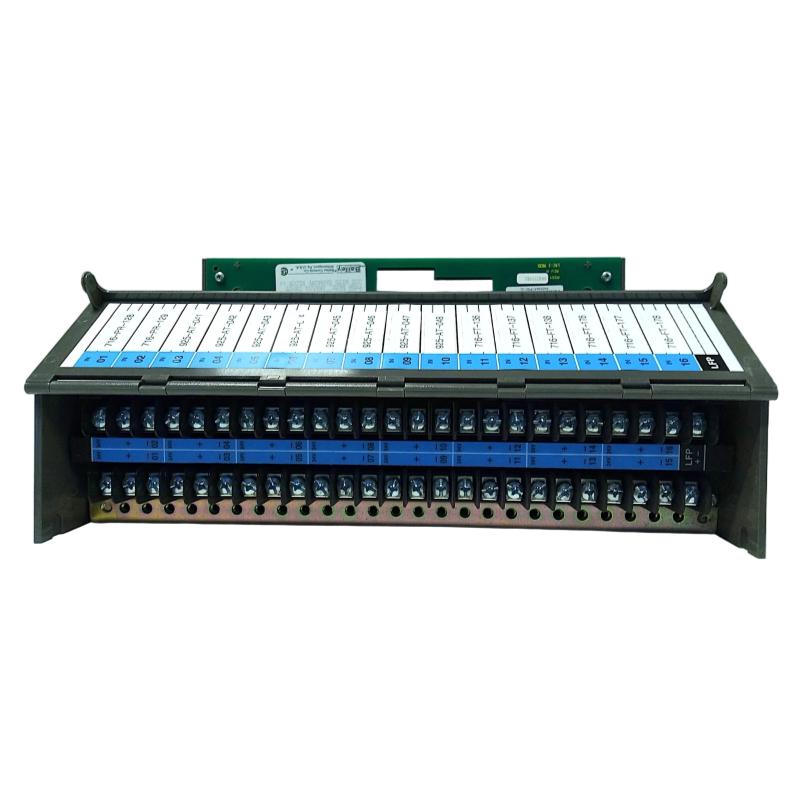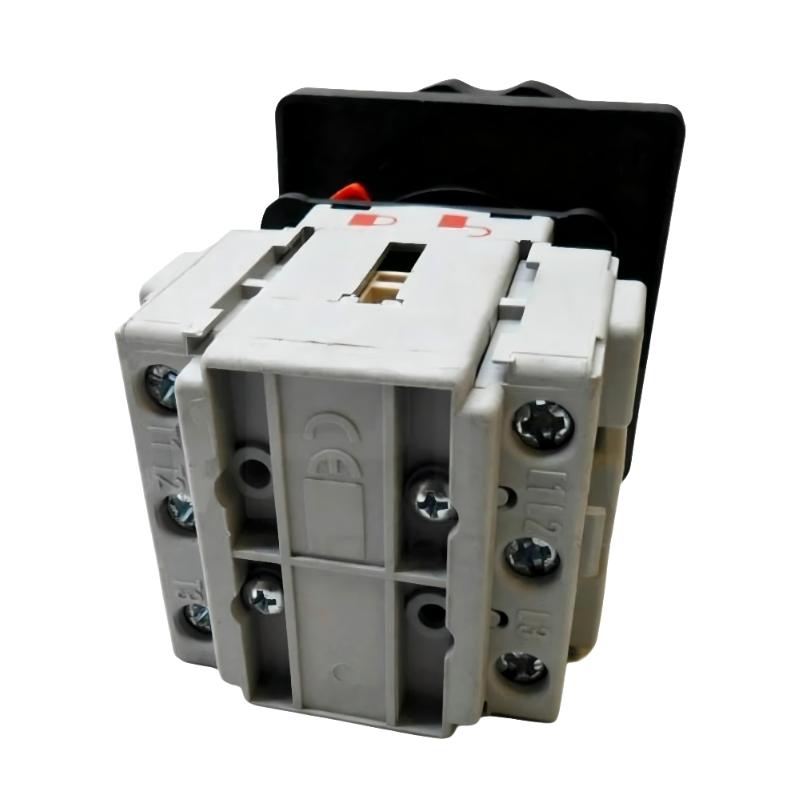
ABB 3HAC8253-1 Three-Phase Main Switch troubleshooting should begin with electrical measurements and power path analysis instead of immediately replacing the switch. In industrial control systems, power interruptions are often caused by loose terminals, phase problems, upstream protection devices, or downstream electrical faults.
A systematic Fault Diagnosis process helps determine whether the problem comes from the main switch or another part of the power circuit.
ABB 3HAC8253-1 Three-Phase Main Switch Fault Symptoms
Common symptoms include:
- Robot controller does not power up
- Main switch operates but equipment remains inactive
- Unexpected power interruption
- Phase loss alarm
- Control cabinet loses power intermittently
Field case:
An ABB robot production cell experienced random shutdowns during operation.
Operator feedback:
- Main switch remained ON
- Robot controller restarted unexpectedly
- No obvious mechanical damage
Maintenance engineers initially suspected:
- Power supply module failure
- Controller fault
- Main switch contact failure
The troubleshooting process started from the incoming power path.
ABB 3HAC8253-1 Electrical Fault Diagnosis Process
The diagnostic path:
 id="abb8253_diag"
Incoming Power
       |
       |
ABB 3HAC8253-1 Main Switch
       |
       |
Control Cabinet Power
       |
       |
Robot Controller
       |
       |
Servo System
Engineers measured:
- Input voltage
- Output voltage
- Phase stability
- Terminal condition
Test results:
- Incoming power: Normal
- Switch position: Normal
- Output voltage: Intermittent
The fault area was narrowed to the switching connection.
ABB 3HAC8253-1 Contact and Phase Fault Investigation
Detailed inspection found:
- One internal contact showed signs of overheating
- Contact resistance increased during operation
Measured condition:
Normal operation:
- Stable three-phase output
Fault condition:
- Voltage drop occurred during high load operation
The increased resistance caused:
- Heat generation
- Unstable power delivery
- Controller restart events
ABB 3HAC8253-1 Root Cause Analysis and Repair Decision
The engineering team compared several possible causes:
| Possible Cause | Result |
|---|---|
| Incoming power problem | Normal |
| External cable issue | Normal |
| Controller fault | Not confirmed |
| Main switch contact condition | Abnormal |
Final conclusion:
The fault was related to the main switching path.
The problem was not caused by the robot controller.
ABB 3HAC8253-1 Troubleshooting Repair and System Recovery
Corrective actions:
Electrical Repair
Completed:
- Inspected switch terminals
- Checked contact condition
- Replaced damaged connection components if required
System Verification
Tested:
- Power ON/OFF operation
- Robot controller startup
- Continuous production cycle
Final results:
Before repair:
- Unexpected shutdowns
- Production interruptions
After repair:
- Stable three-phase power
- Reliable controller operation
- Normal production performance restored
ABB 3HAC8253-1 Common Fault Diagnosis Methods
Equipment Has No Power Output
Check:
- Incoming three-phase supply
- Switch position
- Terminal connections
- Downstream protection devices
Intermittent Power Loss
Check:
- Loose terminals
- Contact resistance
- Thermal conditions
- Cable connections
Phase Loss Alarm
Check:
- Three-phase voltage balance
- Phase wiring
- Upstream protection
- Main switch contacts
Switch Operates Mechanically but System Does Not Start
Check:
- Output voltage
- Contact continuity
- Controller power input
- Electrical interlocks
ABB 3HAC8253-1 Long-Term Maintenance Strategy
For reliable industrial power switching:
- Inspect power terminals regularly
- Monitor abnormal heating
- Check mechanical operation
- Keep electrical drawings updated
- Verify isolation performance during maintenance
A practical engineering rule:
When performing ABB 3HAC8253-1 Three-Phase Main Switch Fault Diagnosis, confirm the complete power path before replacing the switching device.
Recommended troubleshooting sequence:
Incoming power check → Phase measurement → Main switch inspection → Output verification → Downstream equipment test → Final operational validation.