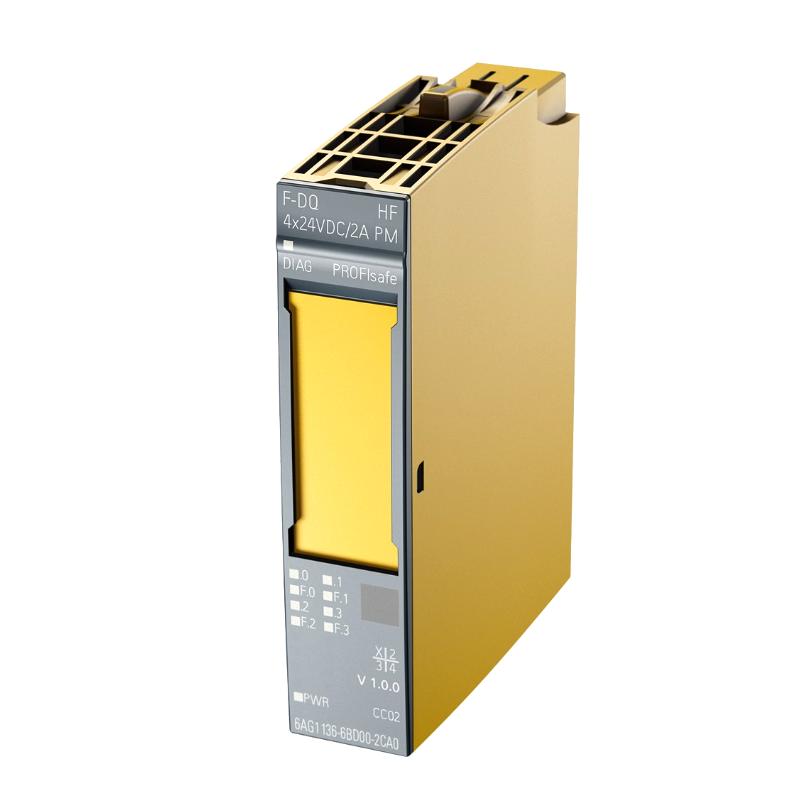
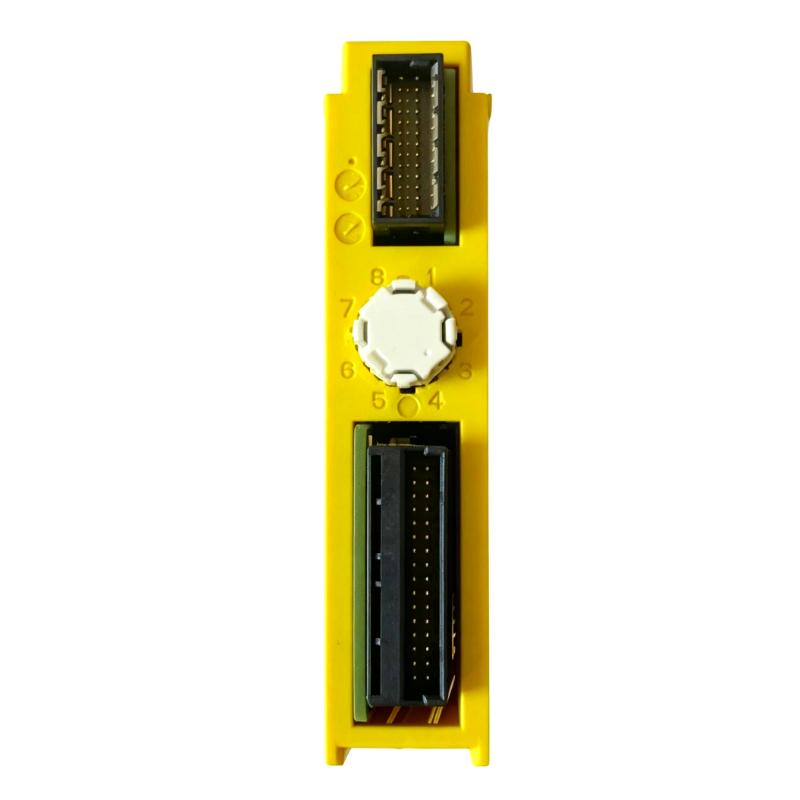
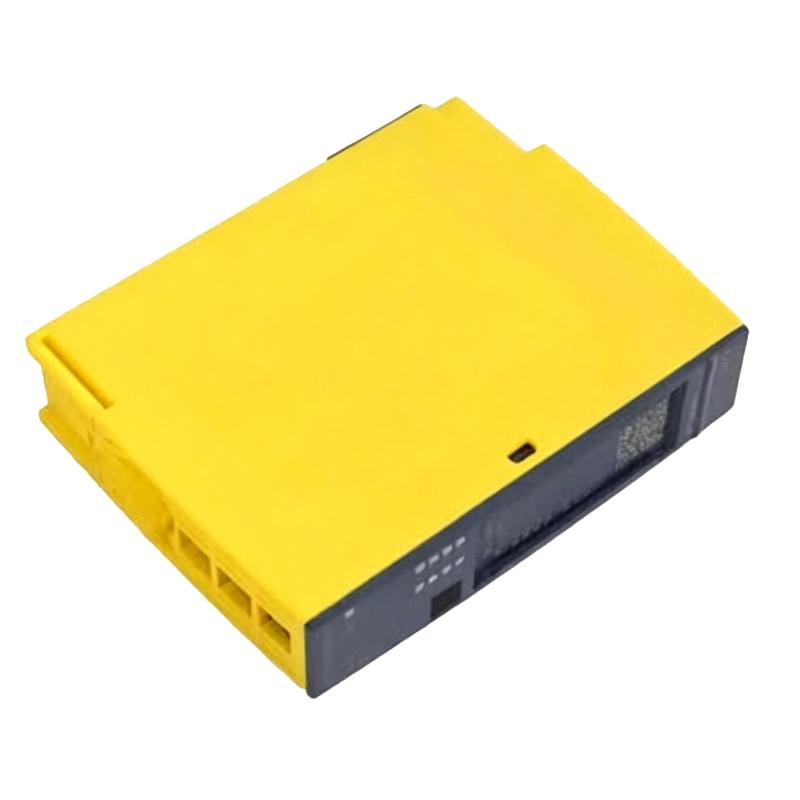
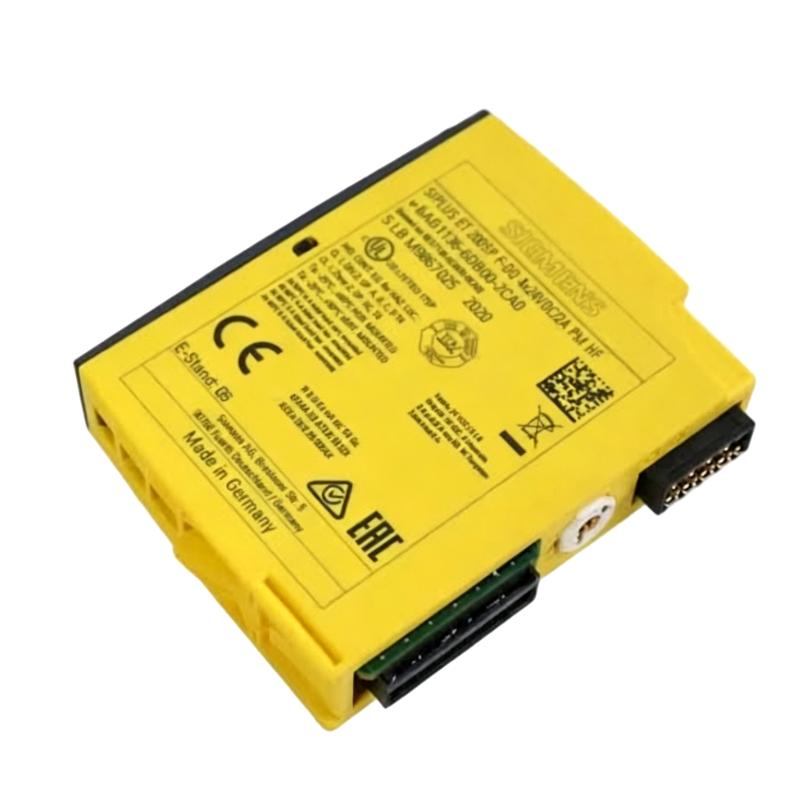
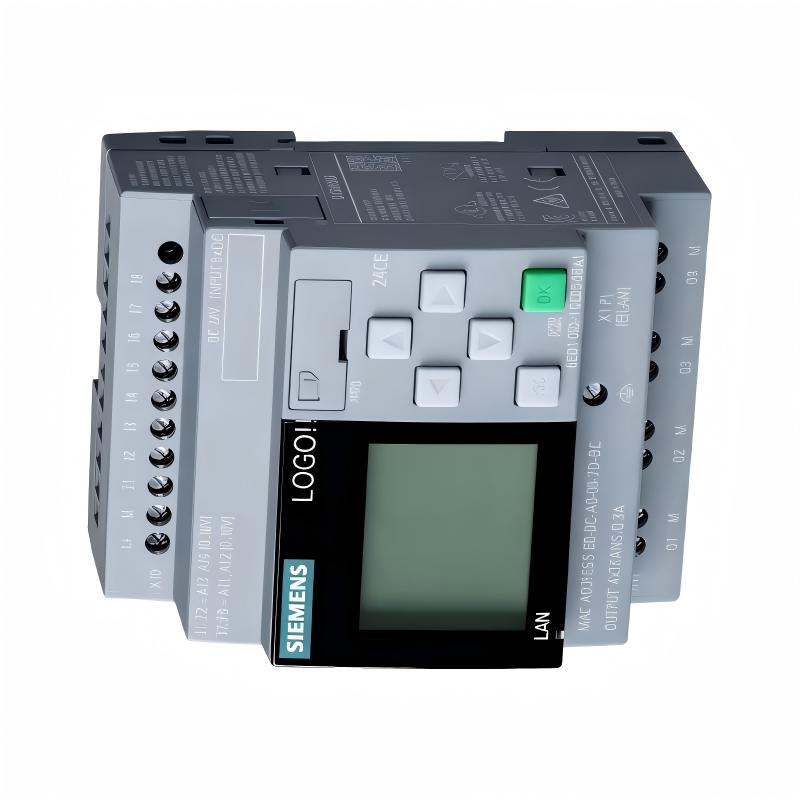
Brand:Siemens Item No.:6AG1136-6DB00-2CA0 Product Origin:Germany Product Dimensions:15 × 73 × 58 mm Product Weight:0.072 kg Payment:T/T, Western Union, Credit Card Goods_stock:15 Shipping Port:Xiamen, China Lead Time:1-3 Days Condition:Brand New And Original Warranty:1 Year Certificate:COO
The Siemens 6AG1136-6DB00-2CA0 Digital Output Module provides the final control link between PLC logic and many discrete functions within an automated machine. While digital output technology is based on straightforward switching principles, dependable output control is critical to overall machine performance.
A production system may use digital outputs to start auxiliary equipment, operate switching devices, activate valves, control indicators, or initiate specific stages of a machine cycle. If an output signal is missing or incorrectly configured, the resulting problem can affect an entire production sequence.
This makes the quality and correct selection of I/O hardware particularly important. The 6AG1136-6DB00-2CA0 is designed around a modular approach that allows automation engineers to organize control functions in a structured manner. Such an architecture also benefits maintenance teams because individual I/O functions can be examined systematically during troubleshooting.
Its compact construction is another practical advantage. Modern automation cabinets often contain PLC CPUs, communication modules, power components, signal modules, and interface equipment within a limited footprint. A compact digital output module helps engineers accommodate these components more efficiently.
For replacement and modernization projects, checking the complete Siemens order number is essential. The 6AG1136-6DB00-2CA0 should be matched against the existing system documentation and electrical design before installation to ensure that the replacement is appropriate for the intended application.
Technical Specifications
Parameter
Description
Manufacturer
Siemens
Model Number
6AG1136-6DB00-2CA0
Product Type
Digital Output Module
Product Family
SIPLUS / SIMATIC Automation
Signal Function
Digital Signal Output
Application
Industrial Automation and Machine Control
Installation
Modular I/O System
System Role
Field Device Control
Dimensions
15 × 73 × 58 mm
Weight
0.07 kg (0.16 lb)
Design
Compact Modular Construction
Main Function
Discrete Control Signal Output
Recommended Related Models
Model
Description
Siemens 6AG1136-6BA00-2CA0
Digital Input Module
Siemens 6AG1136-6BA01-2CA0
Digital Input Module
Siemens 6AG1135-6HD00-7BA1
Analog Output Module
Siemens 6AG1134-6JD00-2CA1
Analog Input Module
Popular Related Models
Model
Product Type
Siemens 6ES7132-6BF00-0BA0
Digital Output Module
Siemens 6ES7132-6BH00-0BA0
Digital Output Module
Siemens 6ES7132-6FD00-0BA1
Digital Output Module
Siemens 6ES7131-6BF00-0BA0
Digital Input Module
Siemens 6ES7135-6HD00-0BA1
Analog Output Module
Applications and Field Control
The Siemens 6AG1136-6DB00-2CA0 Digital Output Module is a compact industrial automation component designed to transfer control commands from a PLC system to connected field devices. It plays an important role in distributed I/O architectures by providing the interface between automation logic and equipment that requires discrete switching signals.
Digital outputs are fundamental to machine automation. They can be used to activate contactors, indicator devices, solenoid-operated equipment, relays, actuators, and other field components according to the PLC program. In a production environment, dependable output switching helps ensure that machine sequences are executed accurately and that connected equipment responds as intended.
The 6AG1136-6DB00-2CA0 is suitable for a wide range of industrial applications, including automated manufacturing lines, packaging machinery, material-handling equipment, machine tools, process-control systems, and customized production equipment. Its compact 15 × 73 × 58 mm format is also beneficial for control panels where installation space must be used efficiently.
For machine builders and automation integrators, this module offers a practical Siemens solution for expanding digital output capability while maintaining a structured and serviceable I/O architecture.
Key Strengths for Industrial Automation
Reliable Digital Output Control
The module provides a dedicated interface for sending discrete control commands from the automation controller to field equipment. Reliable output operation is essential for maintaining predictable machine sequences.
Efficient Distributed I/O Architecture
The compact modular format supports organized I/O layouts and allows control functions to be positioned close to the equipment they operate, helping create cleaner automation installations.
Fast Machine Response
Digital output signals allow PLC programs to initiate switching operations according to programmed logic, supporting coordinated machine sequences and automated production processes.
Space-Efficient Engineering
The narrow construction is advantageous when control cabinets contain a large number of I/O components. Engineers can make better use of available panel space while retaining modularity.
Simplified Maintenance
When a machine experiences an output-related problem, technicians can systematically check the PLC logic, I/O status, wiring, load device, and module condition. This makes fault isolation more efficient.
Suitable for Professional System Integration
The module can be considered for compatible Siemens automation projects, system expansions, equipment modernization, and replacement requirements where reliable digital output functionality is needed.
Technical FAQs
1. What is the main function of the Siemens 6AG1136-6DB00-2CA0?
It provides digital output signals from a Siemens automation controller to connected field devices, allowing the PLC program to control discrete machine functions.
2. What types of devices can be controlled by a digital output module?
Depending on the electrical specifications of the particular output circuit, typical applications can include relays, contactors, indicator devices, solenoids, and other discrete control loads.
3. What should be checked if an output channel does not activate?
Check the PLC program condition, output status, module diagnostics, wiring, supply conditions, and the connected load. This sequence helps determine whether the problem is software-, hardware-, or field-related.
4. Why might a PLC indicate an output as active while the field device does not operate?
Possible causes include an interrupted field circuit, incorrect wiring, insufficient supply voltage, an unsuitable load, or a fault in the connected device.
5. What can cause a digital output to switch unexpectedly?
Incorrect PLC logic, conflicting program conditions, electrical interference, configuration problems, or an unstable field circuit can cause unexpected switching behavior.
6. Can a digital output directly drive every industrial load?
No. The load must remain within the electrical limits of the specific output channel. External relays, contactors, or interface components may be required for certain loads.
7. How should engineers diagnose repeated output-channel faults?
Review PLC diagnostics first, then inspect the wiring and load characteristics. If the field circuit is correct, comparing the affected channel with a known-good channel can help isolate the hardware problem.
8. What is the difference between a digital output and an analog output?
A digital output provides discrete switching states, while an analog output provides a continuously variable control signal for applications such as speed or process regulation.
9. What precautions are important when replacing the module?
Verify the complete order number, system compatibility, electrical characteristics, wiring arrangement, and configuration before replacement. The connected loads should also be checked against the module's specified output capabilities.
10. How can proper output configuration improve machine reliability?
Correct configuration ensures that the PLC logic, output channels, and connected equipment operate according to the intended sequence, reducing unnecessary switching errors and commissioning problems.