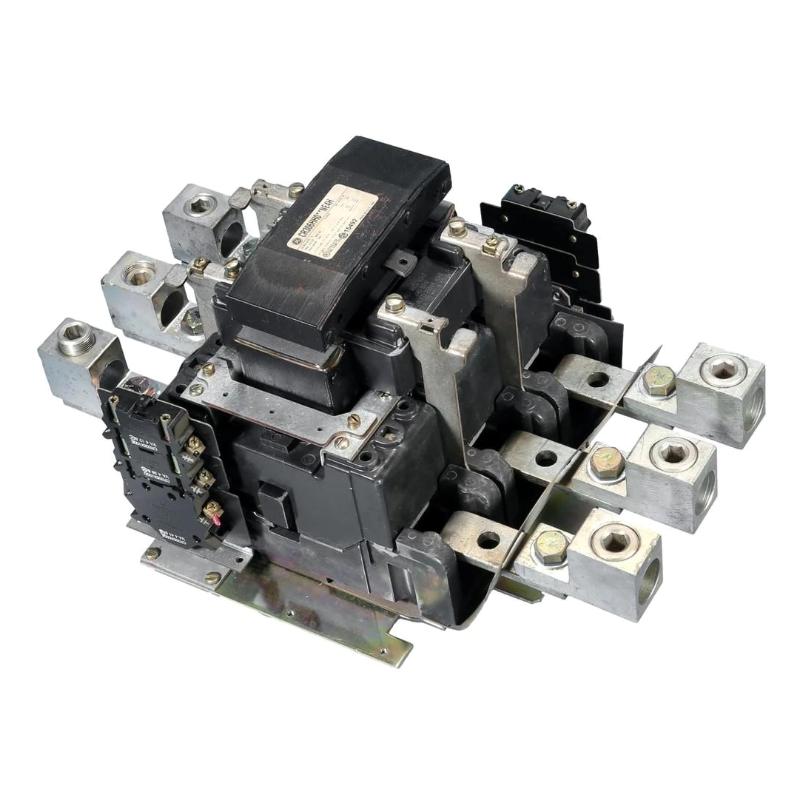
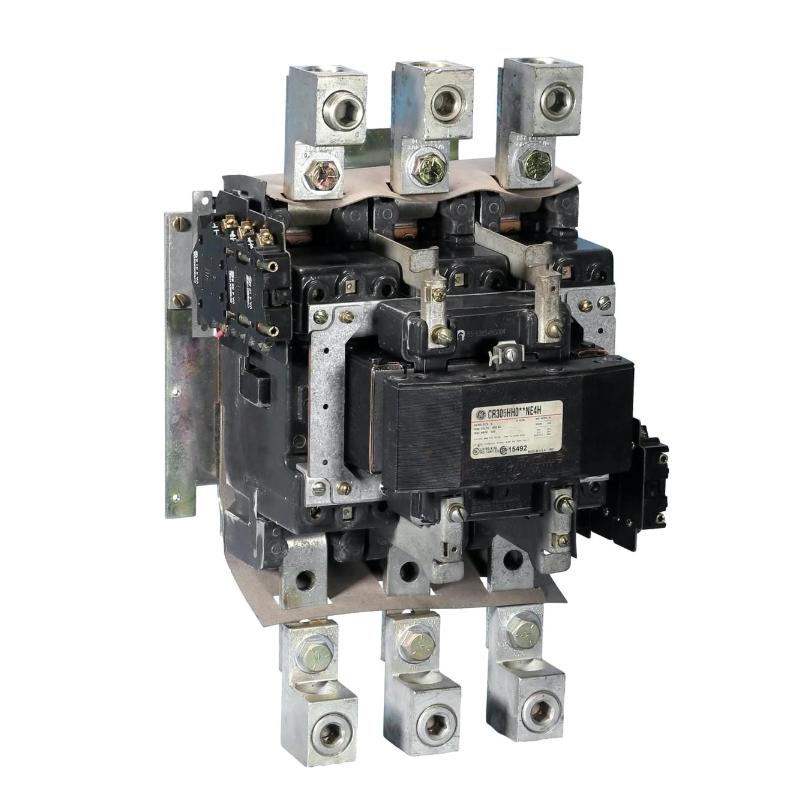
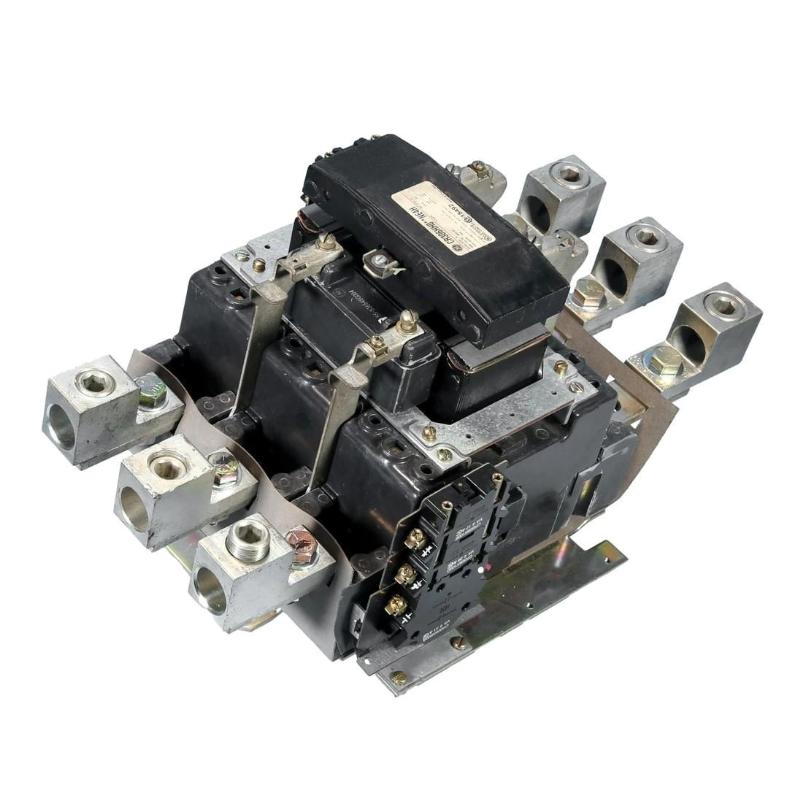
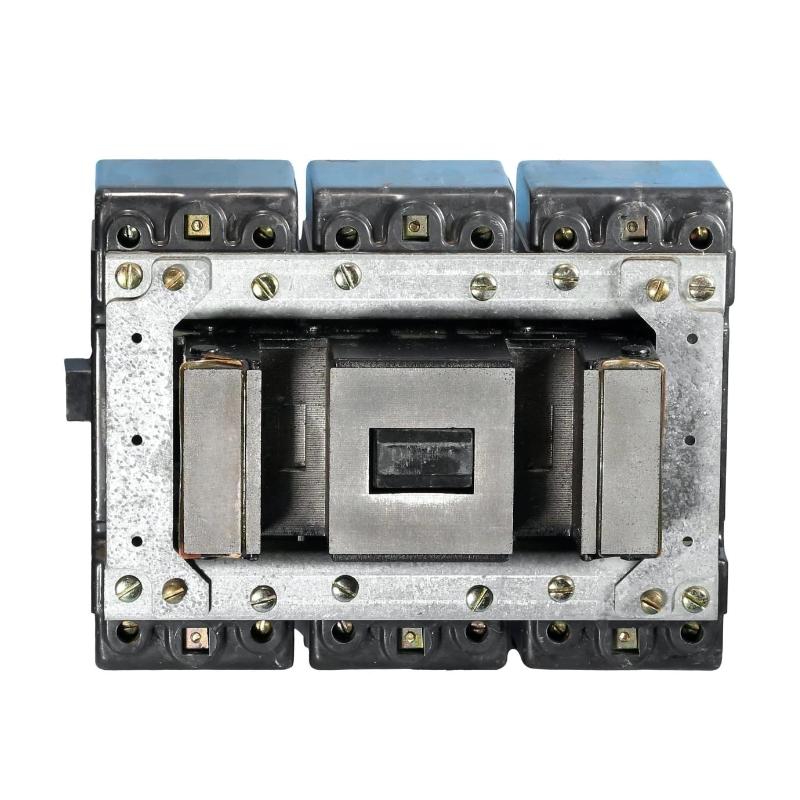
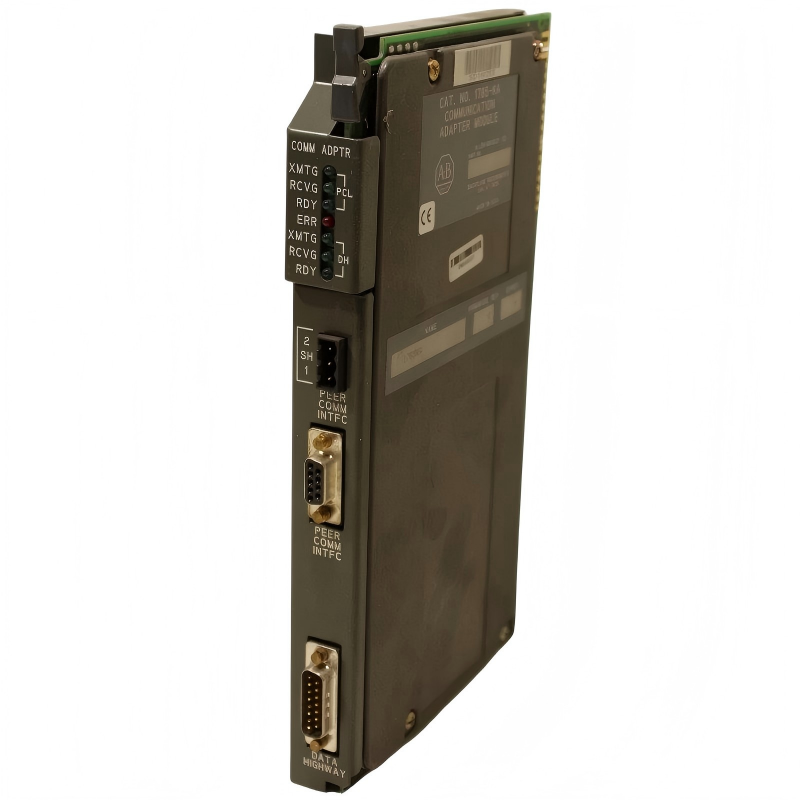
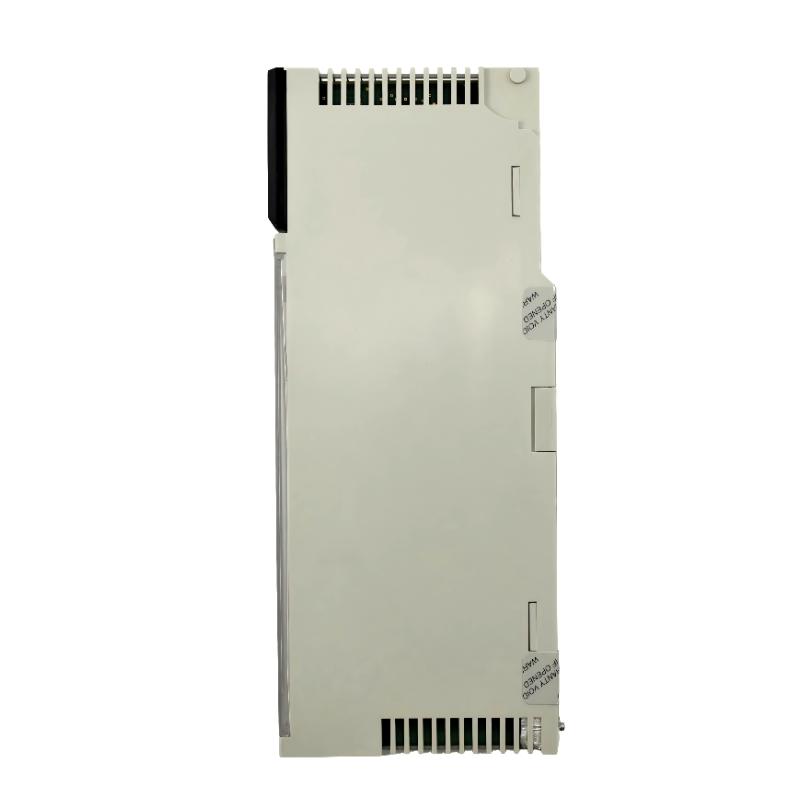
Brand:GE Fanuc PLC Item No.:CR305HH004BD1H Product Origin:USA Product Dimensions:580 x 120 x 250 mm Product Weight:14.5 kg Payment:T/T, Western Union, Credit Card Goods_stock:15 Shipping Port:Xiamen, China Lead Time:1-3 Days Condition:Brand New And Original Warranty:1 Year Certificate:COO
The GE CR305HH004BD1H Contactor is an industrial-grade switching device developed for reliable control of electrical power circuits in demanding applications. It provides a practical solution for engineers who require stable load switching, strong mechanical performance, and dependable operation in industrial automation and power management systems.
Designed for integration into control panels and electrical distribution assemblies, this contactor supports efficient management of motors, machinery, and other electrical equipment. Its durable construction helps minimize operational interruptions while providing consistent switching performance throughout extended service periods.
For industrial facilities seeking reliable replacement components or system expansion solutions, the GE CR305HH004BD1H offers the performance characteristics required for modern electrical control environments.
Technical Specifications
Parameter
Specification
Manufacturer
GE
Model Number
CR305HH004BD1H
Product Type
Contactor
Application
Industrial Motor and Power Control
Switching Function
Electromagnetic Power Switching
Installation Type
Industrial Panel Mounting
Dimensions
580 x 120 x 250 mm
Weight
14.50 kg (31.97 lb)
Recommended Related Models
Model
Product Type
GE CR305 Series Contactors
Industrial Contactor
GE CR306 Series Contactors
Heavy-Duty Motor Contactor
GE CR309 Series Contactors
Definite Purpose Contactor
GE CR463 Series Contactors
Industrial Power Contactor
Popular Related Models
Model
Product Type
GE CR305H004 Contactor
Motor Control Contactor
GE CR305G004 Contactor
Industrial Contactor
GE CR306B004 Contactor
Heavy-Duty Contactor
GE CR309E004 Contactor
Power Switching Contactor
Industrial Applications and Usage Areas
The GE CR305HH004BD1H Contactor is a heavy-duty electrical switching component designed for industrial power control applications where dependable load management and long-term operational stability are required. It is commonly integrated into motor control systems, industrial machinery, HVAC equipment, production lines, and power distribution panels.
Engineered for reliable switching performance, this contactor provides an effective solution for controlling high-power electrical loads while supporting safe and efficient operation in demanding industrial environments. Its robust design makes it suitable for applications that require frequent switching cycles, strong electrical performance, and consistent contact reliability.
Typical applications include:
Industrial motor starting and stopping systems
Factory automation control panels
Pump and compressor control systems
HVAC and ventilation equipment
Manufacturing machinery power circuits
Industrial power distribution systems
Electrical control cabinets and MCC systems
Main Advantages and Performance Features
High-Reliability Power Switching
The GE CR305HH004BD1H Contactor is designed to provide stable switching performance for industrial electrical loads, helping maintain reliable system operation during frequent control cycles.
Suitable for Heavy Industrial Environments
With a rugged construction approach, this contactor is capable of handling demanding operating conditions found in manufacturing facilities and power control applications.
Efficient Motor Control Integration
The contactor supports effective motor switching solutions, making it suitable for automation systems requiring dependable start-stop control.
Enhanced Electrical Durability
High-quality contact materials and mechanical design contribute to improved service life and reduced maintenance requirements.
Flexible Industrial Application Compatibility
The GE CR305HH004BD1H can be integrated into various control architectures, including traditional relay logic systems and modern industrial automation panels.
Simplified Maintenance and Replacement
Its industrial-standard design helps engineers perform maintenance, replacement, and system upgrades efficiently.
Technical FAQs for GE CR305HH004BD1H Contactor
1. What is the primary function of the GE CR305HH004BD1H Contactor?
The contactor is used to remotely control electrical power circuits, especially for switching motors and other high-power industrial loads.
2. What is the difference between a contactor and a standard relay?
A contactor is designed for higher current switching applications, while standard relays are generally used for lower-power control circuits.
3. Can the GE CR305HH004BD1H be used for motor control applications?
Yes. It is designed for industrial motor switching applications where reliable electrical control is required.
4. How is the contactor controlled in an automation system?
The contactor is typically operated through a control voltage signal from PLC outputs, relay circuits, or other industrial control devices.
5. What factors should be considered when selecting a replacement contactor?
Engineers should verify coil voltage, load current rating, application category, contact configuration, and system compatibility.
6. What maintenance procedures are recommended for this contactor?
Regular maintenance includes checking terminal tightness, inspecting contact wear, cleaning the enclosure area, and verifying coil operation.
7. What can cause contactor failure during operation?
Common causes include excessive electrical load, incorrect control voltage, worn contacts, overheating, or mechanical damage.
8. Can the GE CR305HH004BD1H operate in automatic control systems?
Yes. It can be integrated with PLC-based control systems, industrial controllers, and automated equipment.
9. How can contactor service life be extended?
Proper load selection, correct installation, regular inspection, and avoiding excessive switching stress can improve operational life.
10. What symptoms indicate that a contactor requires inspection?
Common warning signs include abnormal noise, delayed switching, overheating, unstable operation, or visible contact damage.