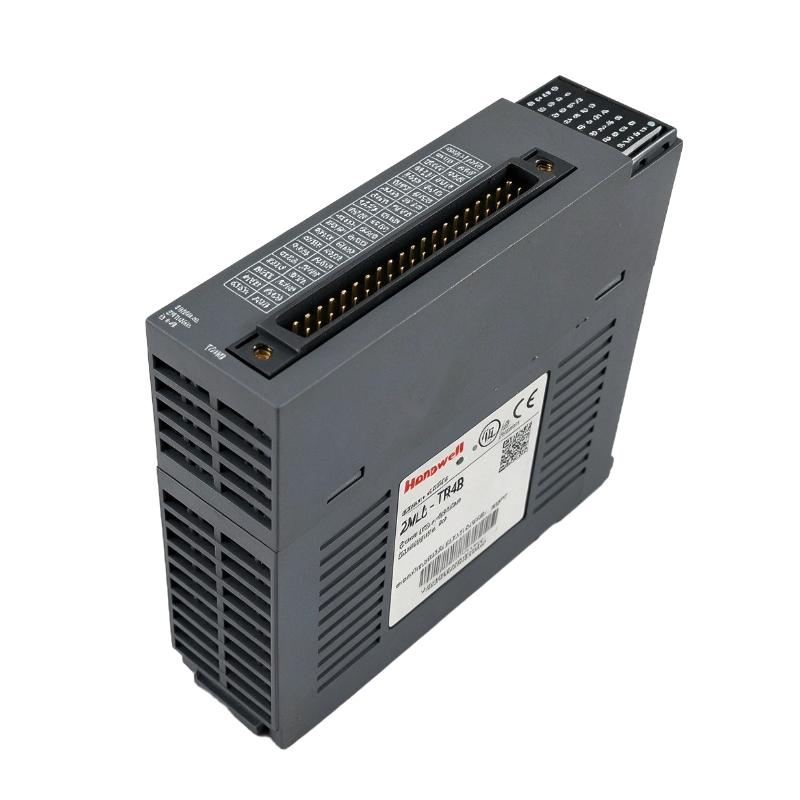
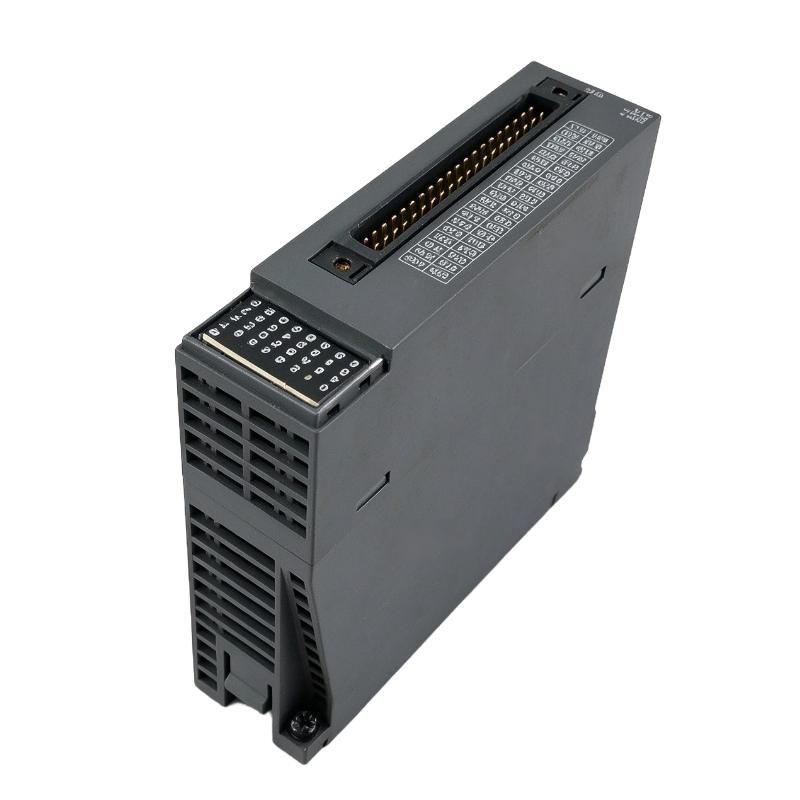
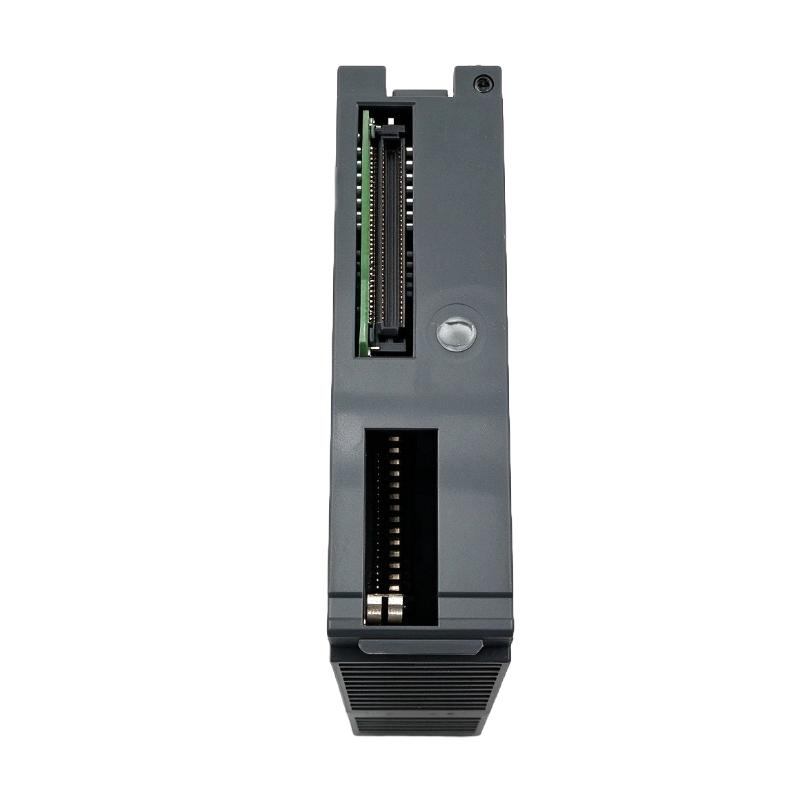
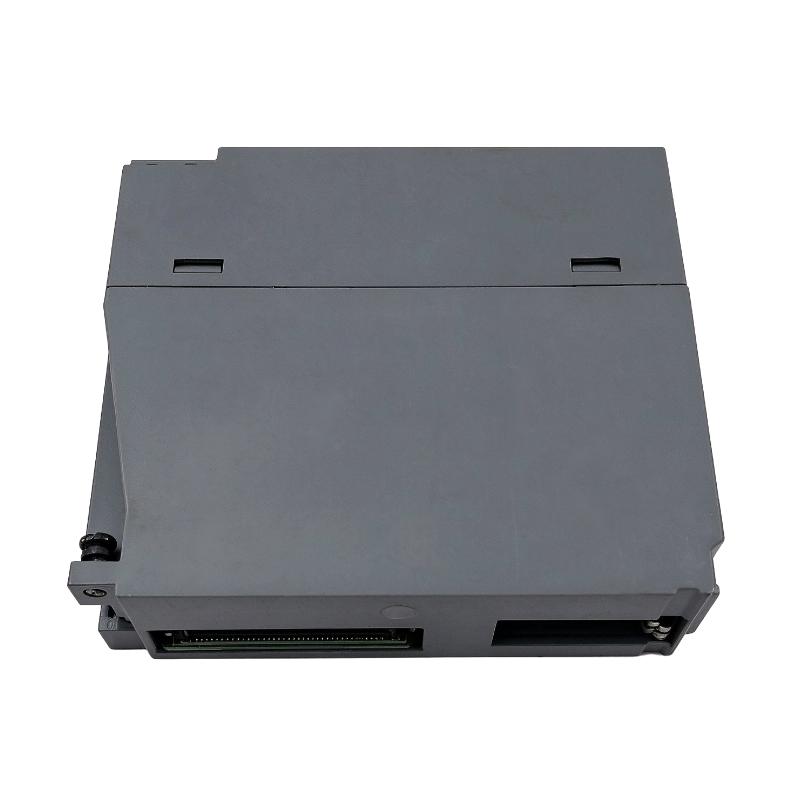
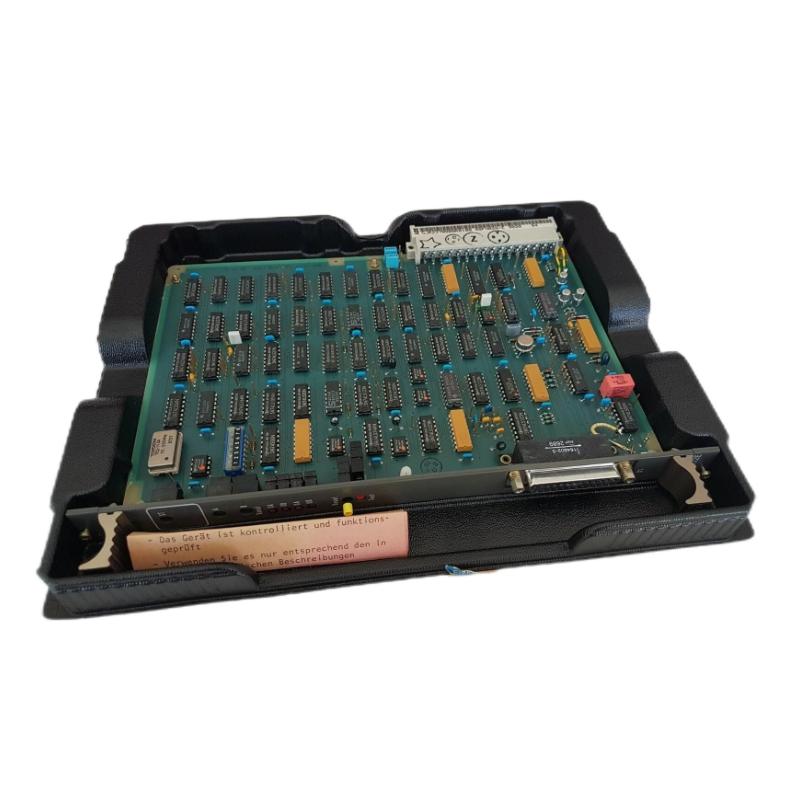
Brand:Honeywell DCS Item No.:2MLQ-TR1C Product Origin:USA Product Dimensions:114 × 48 × 127 mm Product Weight:0.15 kg Payment:T/T, Western Union, Credit Card Goods_stock:15 Shipping Port:Xiamen, China Lead Time:1-3 Days Condition:Brand New And Original Warranty:1 Year Certificate:COO
Digital output modules perform a critical role in industrial automation: they translate commands generated by PLC software into electrical actions in the field. The Honeywell 2MLQ-TR1C is designed for this purpose, providing transistor-based digital output functionality within a MasterLogic-200 automation architecture.
Its solid-state switching design makes it suitable for applications in which output states change repeatedly as part of automated machine sequences. Typical examples include actuator control, solenoid operation, indicator circuits, and other discrete DC control tasks.
For a control engineer, the correct relationship between the PLC, output module, field supply, and load is essential. The 2MLQ-TR1C should therefore be selected based not only on channel requirements but also on the electrical characteristics and wiring configuration of the intended field devices.
The module's compact construction also makes it convenient for modular control cabinets where space, serviceability, and orderly I/O arrangement are important. In maintenance applications, clear output status information can further assist technicians in separating PLC logic issues from field-side electrical problems.
Whether used in a new automation panel or as part of an equipment maintenance program, the Honeywell 2MLQ-TR1C offers a focused transistor-output solution for compatible MasterLogic-200 control systems.
Technical Specifications
Parameter
Specification
Brand
Honeywell
Model
2MLQ-TR1C
Product Type
Transistor Output Module
PLC Platform
MasterLogic-200
Output Type
Digital Transistor Output
Output Technology
Solid-State Transistor
Application
Industrial Digital Output Control
Field Interface
Digital DC Output
Output Status
LED Indication
Module Function
PLC-to-Field Device Control
Dimensions
114 × 48 × 127 mm
Weight
0.15 kg (0.33 lb)
Recommended Related Models
Model
Product Type
Typical Role
Honeywell 2MLQ-TR1A
Transistor Output Module
Related transistor output configuration
Honeywell 2MLQ-TR1B
Transistor Output Module
Alternative transistor output configuration
Honeywell 2MLQ-TR2A
Transistor Output Module
Higher-channel transistor output solution
Honeywell 2MLQ-TR4A
Transistor Output Module
32-point transistor output solution
Honeywell 2MLQ-TR4B
Transistor Output Module
32-point alternative transistor output
Honeywell 2MLQ-TR8A
Transistor Output Module
High-density transistor output
Honeywell 2MLQ-TR8B
Transistor Output Module
High-density source-type transistor output
Popular Related Models
Model
Product Type
Honeywell 2MLI-D24A
Digital Input Module
Honeywell 2MLI-D24B
Digital Input Module
Honeywell 2MLI-D28A
Digital Input Module
Honeywell 2MLQ-TR2A
Transistor Output Module
Honeywell 2MLQ-TR4A
Transistor Output Module
Honeywell 2MLQ-TR4B
Transistor Output Module
Honeywell 2MLQ-TR8A
Transistor Output Module
Honeywell 2MLQ-TR8B
Transistor Output Module
Honeywell 2MLQ-RY2A
Relay Output Module
Applications
The 2MLQ-TR1C can be applied wherever a MasterLogic-200 PLC needs to issue discrete control commands to compatible field equipment.
Machine control: Operates suitable DC actuators, solenoid devices, indicators, and interface circuits.
Automated production equipment: Provides output commands for repetitive machine sequences.
Assembly machinery: Supports coordinated control of pneumatic and electromechanical devices.
Packaging systems: Handles digital switching for mechanisms used in automated packaging processes.
Conveyor equipment: Provides control signals for compatible DC devices used in material movement.
OEM control panels: Offers a compact output interface for custom-built automation equipment.
Industrial retrofits: Can be considered when maintaining or expanding a compatible MasterLogic-200 installation.
Discrete process control: Supports auxiliary valves, alarms, indicators, and other suitable digital field loads.
Because transistor outputs are semiconductor devices, the connected load should always be checked against the module's electrical characteristics before installation.
What Makes the 2MLQ-TR1C a Practical Choice
Solid-state switching The transistor output architecture is well suited to applications where output channels may switch repeatedly during normal machine operation. Unlike mechanical relay contacts, semiconductor outputs do not rely on physical contact movement.
Fast control response Transistor outputs are appropriate for automation sequences that benefit from rapid state changes, particularly in machine-control applications with frequent switching operations.
Reliable PLC-to-field interface The module provides a dedicated interface between the MasterLogic-200 controller and compatible digital field devices, helping maintain a structured I/O architecture.
Efficient cabinet design Its compact module format helps engineers make effective use of control-panel space while maintaining a modular PLC configuration.
Industrial-oriented construction The module is intended for use within a PLC-based industrial automation environment, where predictable output operation and maintainability are important.
Convenient maintenance Output-status indication can help technicians determine whether a control command is being generated at the I/O level, reducing troubleshooting time during commissioning or service.
Suitable for repetitive automation For compatible DC loads that repeatedly change state, transistor switching provides a practical alternative to relay-based output technology.
Technical FAQs
1. What is the Honeywell 2MLQ-TR1C used for? The 2MLQ-TR1C is used to provide digital transistor output control between a MasterLogic-200 PLC system and compatible field devices.
2. What type of loads can be connected to a transistor output? Typical applications include compatible DC solenoids, indicator devices, actuator interfaces, and other electronic or relay-interface loads that meet the module's specified electrical requirements.
3. Why would an engineer choose a transistor output instead of a relay output? Transistor outputs are generally preferable when fast, repetitive DC switching is required. They avoid mechanical contact wear and are well suited to high-cycle automation operations.
4. Does the connected field device require an external power supply? The field circuit must be supplied according to the module's wiring arrangement and electrical specifications. The PLC output module should not be assumed to provide unrestricted power to connected loads.
5. What should be verified before commissioning the module? Verify the PLC I/O configuration, output addressing, field-supply voltage, wiring polarity, common connections, load current, and compatibility of each connected device with the transistor output circuit.
6. What could cause an output to remain OFF? Potential causes include incorrect PLC logic, incorrect I/O addressing, insufficient field power, wiring problems, an incorrectly connected common circuit, excessive load current, or an output-channel fault.
7. How can technicians determine whether the PLC is actually commanding an output? The output-status indication can be checked together with the PLC program status. If the PLC command is active but the expected field response is absent, technicians can then examine the field supply, wiring, output circuit, and load.
8. Can transistor outputs be used for high-frequency switching? Transistor technology is generally more appropriate than mechanical relay contacts for frequent switching. However, the actual switching frequency and load characteristics must remain within the manufacturer's specified operating limits.
9. What happens if the connected load exceeds the rated output current? Excessive current can cause abnormal output operation and may damage the semiconductor output circuit. Loads must therefore be selected and interfaced according to the module's rated current and switching characteristics.
10. What is important when replacing a 2MLQ-TR1C in an operating PLC system? Confirm the exact model and output configuration before replacement. The I/O wiring, field supply, PLC configuration, output addressing, and connected loads should all be verified before the system is returned to automatic operation.