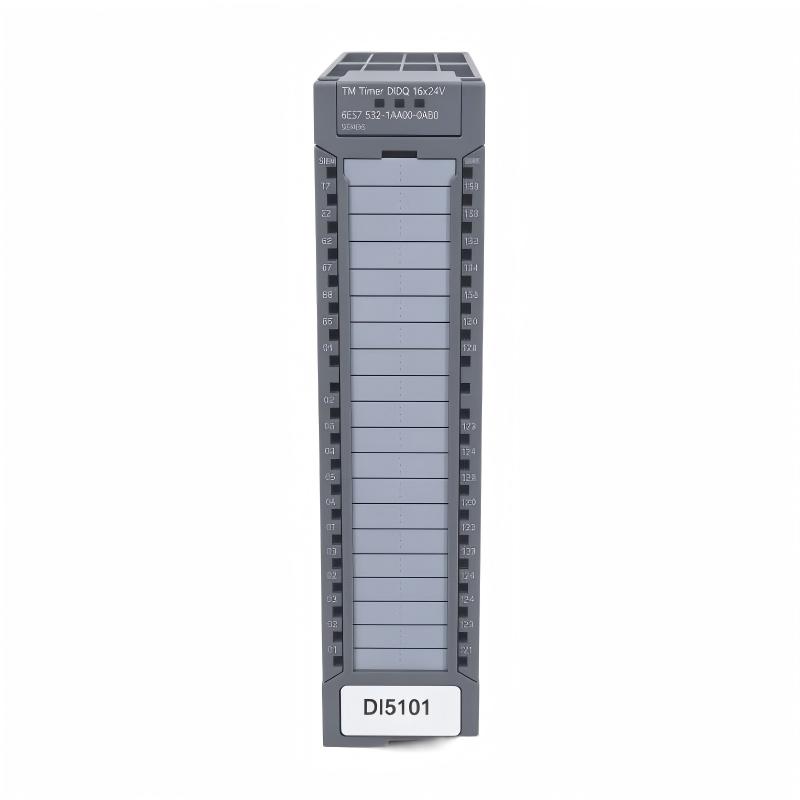
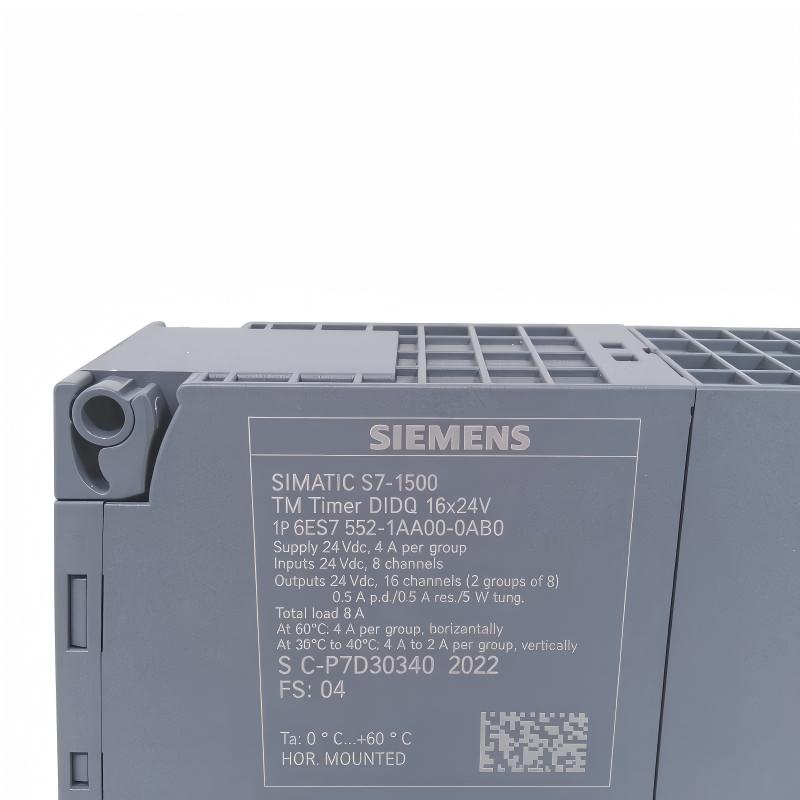
Siemens 6ES7552-1AA00-0AB0 Time-Control Digital Module
Siemens 6ES7552-1AA00-0AB0 Time-Control Digital Module
0.0
Points
Brand:Siemens Item No.:6ES7552-1AA00-0AB0 Product Origin:Germany Product Dimensions:35 x 147 x 129 mm Product Weight:0.436 kg Payment:T/T, Western Union, Credit Card Goods_stock:15 Shipping Port:Xiamen, China Lead Time:1-3 Days Condition:Brand New And Original Warranty:1 Year Certificate:COO
Time is a fundamental variable in industrial automation. A machine may need to open a valve after a defined delay, trigger a process step at a specific point in a sequence, coordinate several actuators, or synchronize digital events across different machine sections. When timing becomes an important part of machine performance, the control architecture must be designed accordingly.
The Siemens 6ES7552-1AA00-0AB0 is a Time-Control Digital Module intended for compatible SIMATIC S7-1500 automation systems. It provides dedicated hardware functionality for applications involving time-related digital operations and can be incorporated into a broader PLC control strategy.
In a simple automation application, software timers may be sufficient for basic delays and sequence operations. More demanding applications, however, can require closer control over the relationship between digital events and time. A dedicated module provides an additional hardware resource for engineers designing such systems.
Timing functions are particularly relevant to production machinery. In packaging equipment, different actions may need to follow one another with carefully controlled intervals. In conveying systems, digital events can be associated with the movement of products or machine sections. In automated production equipment, timing may determine when one stage of a sequence begins after another has completed.
For OEM machine builders, dedicated timing functionality can also improve the repeatability of machine designs. Once timing requirements have been properly engineered and tested, the same control architecture can be adapted across different machine variants.
The module can also contribute to more organized PLC engineering. Rather than treating every time-sensitive function as an isolated software routine, engineers can design the timing layer as part of the overall hardware and software architecture. This can make complex sequences easier to analyze and maintain.
As with any digital automation system, reliable performance depends on more than the module itself. Signal quality, wiring, electrical noise, configuration, PLC logic, and synchronization between different system components all need to be considered. Incorrect timing can sometimes originate from the field device or application logic rather than the timing hardware.
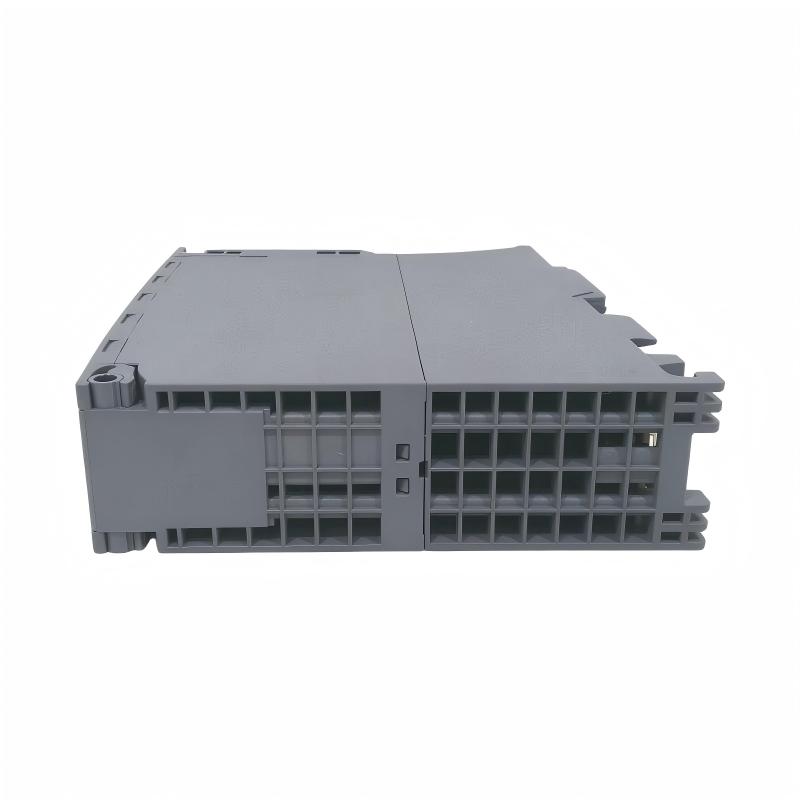
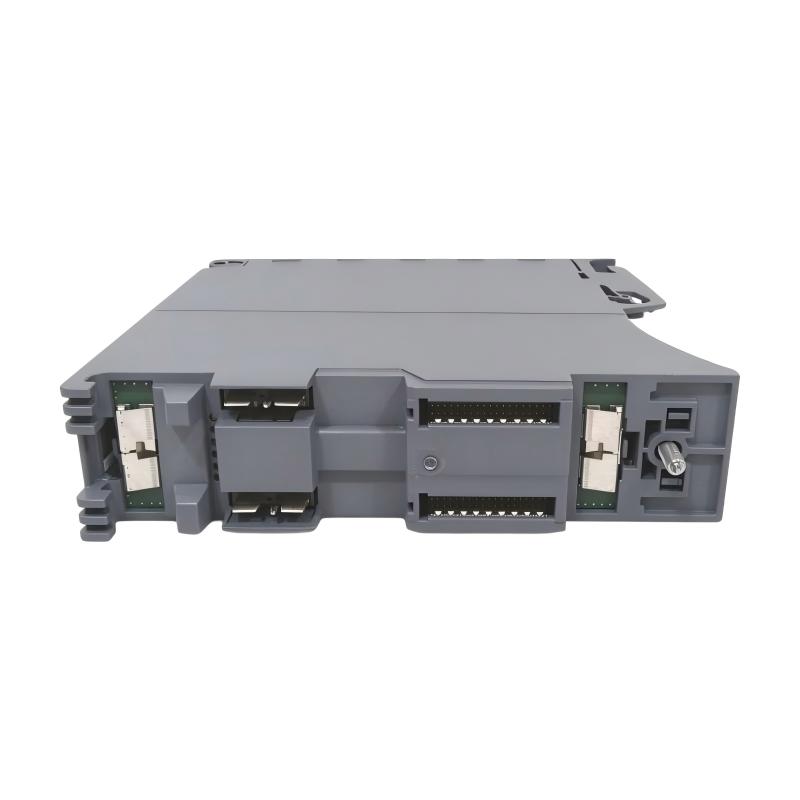
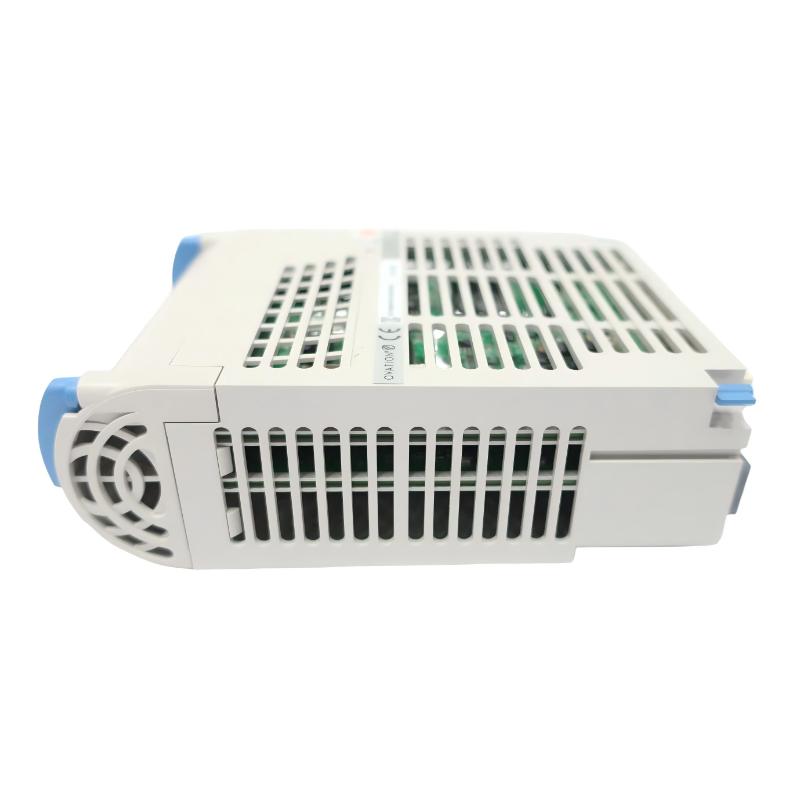
The 6ES7552-1AA00-0AB0 measures 35 × 147 × 129 mm and weighs 0.436 kg (0.96 lb). Its modular form factor allows it to be installed alongside other S7-1500 components while maintaining an organized cabinet layout.
For industrial automation engineers, machine builders, and system integrators, the 6ES7552-1AA00-0AB0 offers a dedicated, modular approach to time-controlled digital automation. When correctly engineered, it can support consistent machine sequencing, coordinated digital events, and reliable time-dependent control functions.
Technical Specifications
Parameter
Specification
Brand
Siemens
Model
6ES7552-1AA00-0AB0
Product Family
SIMATIC S7-1500
Product Type
Time-Control Digital Module
Primary Function
Time-Controlled Digital Processing
Application
Industrial Automation
PLC Platform
S7-1500
Installation
Modular PLC System
Dimensions
35 × 147 × 129 mm
Weight
0.436 kg (0.96 lb)
Recommended Related Models
Model
Product Type
Typical Role
Siemens 6ES7550-1AA01-0AB0
Counter Module
High-speed counting
Siemens 6ES7551-1AB00-0AB0
Count and Position Decoder Module
Counting and position feedback
Siemens 6ES7521-1BH10-0AA0
Digital Input Module
Digital signal acquisition
Siemens 6ES7521-1BH50-0AA0
Digital Input Module
Digital signal acquisition
Siemens 6AG1522-5FH00-7AB0
Digital Output Module
Digital output control
Siemens 6AG1522-5HH00-7AB0
Digital Output Module
Digital output control
Popular Related Models
Model
Product Type
Siemens 6ES7552-1AA00-0AB0
Time-Control Digital Module
Siemens 6ES7550-1AA01-0AB0
Counter Module
Siemens 6ES7551-1AB00-0AB0
Count and Position Decoder Module
Siemens 6ES7521-1BH10-0AA0
Digital Input Module
Siemens 6ES7521-1BH50-0AA0
Digital Input Module
Siemens 6AG1221-1BF32-2XB0
Digital Input Module
Siemens 6AG1221-1BH32-2XB0
Digital Input Module
Siemens 6AG1522-5FH00-7AB0
Digital Output Module
Siemens 6AG1522-5HH00-7AB0
Digital Output Module
Applications
The 6ES7552-1AA00-0AB0 can be applied in compatible automation systems where timing and digital signal coordination are important.
Time-dependent machine control – Supports control sequences that rely on defined timing conditions.
Production machinery – Helps coordinate digital events within automated manufacturing processes.
Packaging equipment – Suitable for applications where machine actions must occur at controlled intervals.
Conveyor systems – Can support timed control functions associated with material movement.
Sequence control – Provides a dedicated hardware resource for time-related digital operations.
Process automation – Can be incorporated into automation systems requiring coordinated time-based events.
Machine synchronization – Supports applications where multiple operations must follow a defined timing relationship.
OEM equipment – Provides a modular solution for machine builders developing repeatable timing functions.
Dedicated timing functionality The module is intended for applications where timing is an important part of the control strategy, giving engineers a specialized hardware resource rather than relying entirely on conventional program timing.
Consistent sequence control Time-dependent operations can be organized more systematically when timing functions are incorporated into dedicated automation hardware.
Suitable for coordinated processes Manufacturing and packaging equipment often requires several operations to occur in a defined sequence. Accurate timing can contribute to repeatable machine behavior.
Reduced dependence on software timers For suitable applications, dedicated time-control hardware can provide a more appropriate approach than implementing every timing function through standard PLC software timers.
S7-1500 modular integration The module fits into the modular S7-1500 automation concept, allowing specialized functionality to be combined with CPUs, I/O, communication, and other system components.
Compact cabinet design Its 35 mm width allows efficient use of control-panel space, an important advantage for densely populated OEM cabinets.
Flexible machine engineering Timing requirements vary significantly between machines. A dedicated module gives system designers another option when developing specialized timing and sequencing architectures.
Professional automation solution For OEMs and system integrators, the module offers a structured way to incorporate time-related digital control into compatible Siemens PLC systems.
Technical FAQs
1. What is the Siemens 6ES7552-1AA00-0AB0? It is a Time-Control Digital Module designed for time-related digital signal processing and control functions in compatible SIMATIC S7-1500 automation systems.
2. Why is timing important in industrial automation? Many machines require operations to occur at defined intervals or in a specific sequence. Accurate timing helps coordinate these operations and improve repeatability.
3. What is the difference between hardware-based timing and a standard PLC timer? A standard PLC timer is processed through the controller's software execution. Dedicated timing hardware is designed to provide specialized processing for applications where timing behavior is more demanding.
4. Which machines can benefit from time-controlled digital functions? Packaging machines, conveyors, production equipment, process machinery, and automated handling systems can all contain operations that depend on precise timing.
5. What can cause incorrect timing behavior? Possible causes include incorrect configuration, unsuitable timing parameters, program logic errors, synchronization problems, signal interference, or issues elsewhere in the automation system.
6. How should a timing-related fault be investigated? Start with module diagnostics and configuration, then verify the relevant digital signals, timing parameters, PLC logic, and relationships between the affected machine operations.
7. Can timing functions be combined with normal PLC logic? Yes. Time-related hardware functions can form part of a larger control strategy in which the PLC program uses timing information to coordinate machine sequences.
8. Why is synchronization important in automated machinery? If multiple operations are mechanically or logically related, incorrect timing can result in poor coordination, reduced production quality, or unexpected machine behavior.
9. Does electrical noise affect digital timing signals? Yes. Electrical interference can distort digital signals or introduce unwanted transitions. Appropriate wiring, shielding, grounding, and signal installation practices are important.
10. What should be checked before commissioning a time-control application? Verify hardware compatibility, configuration, timing parameters, digital signal wiring, PLC logic, synchronization requirements, diagnostics, and the actual timing relationship between system events.