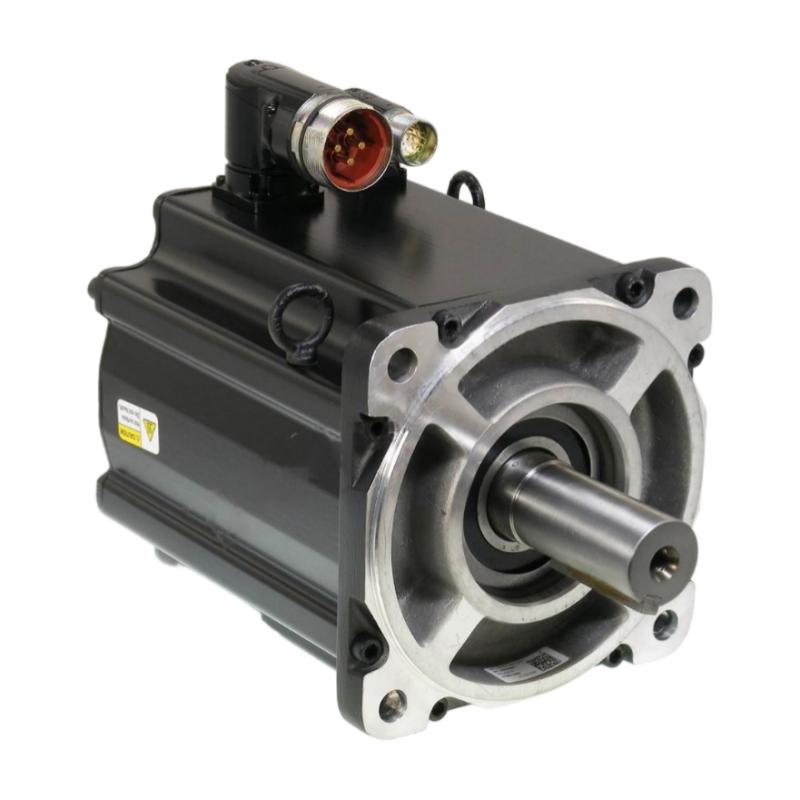
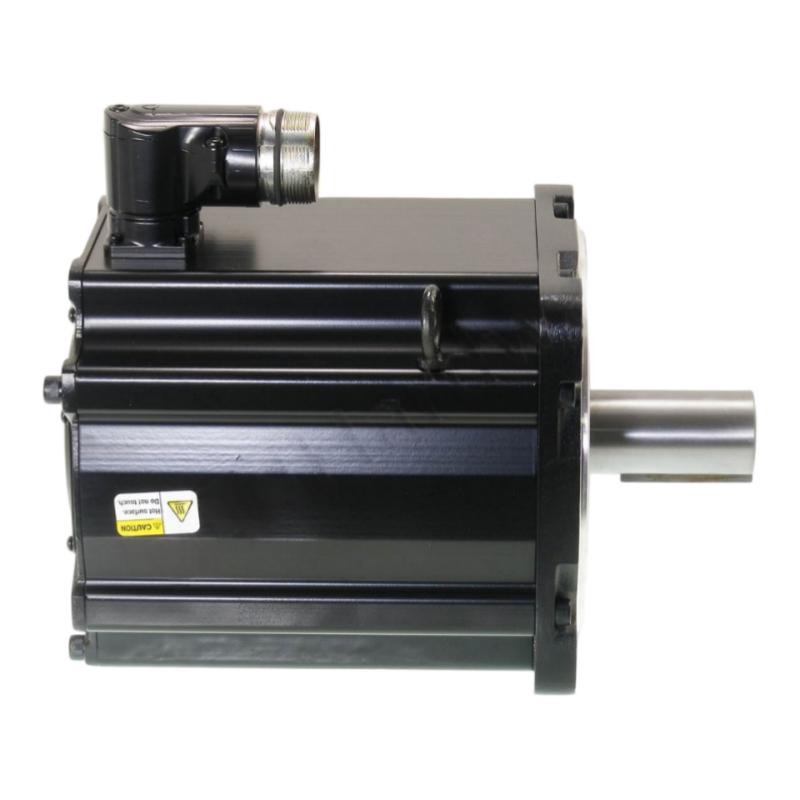
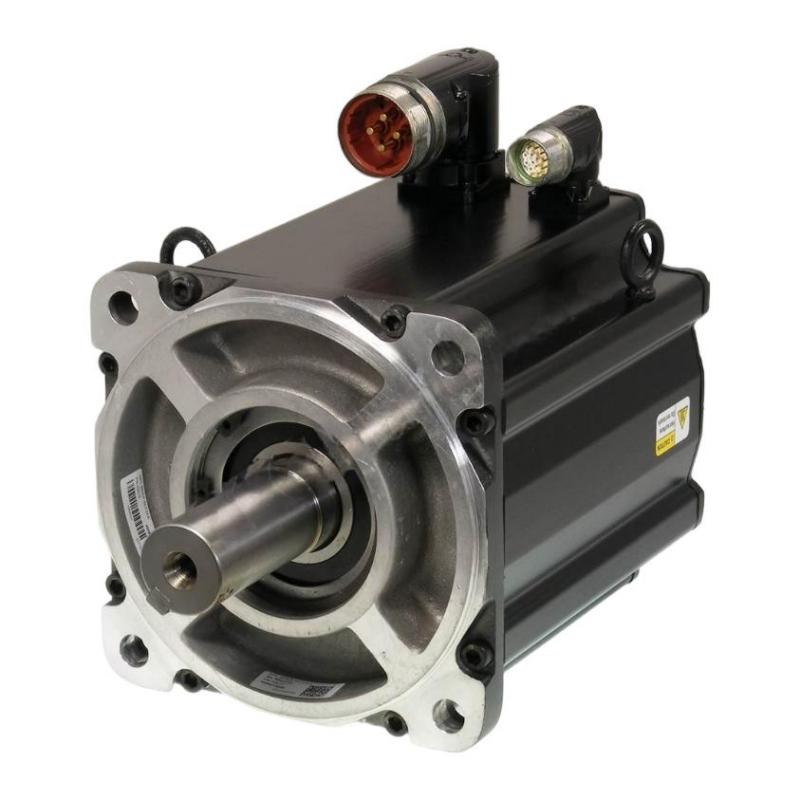
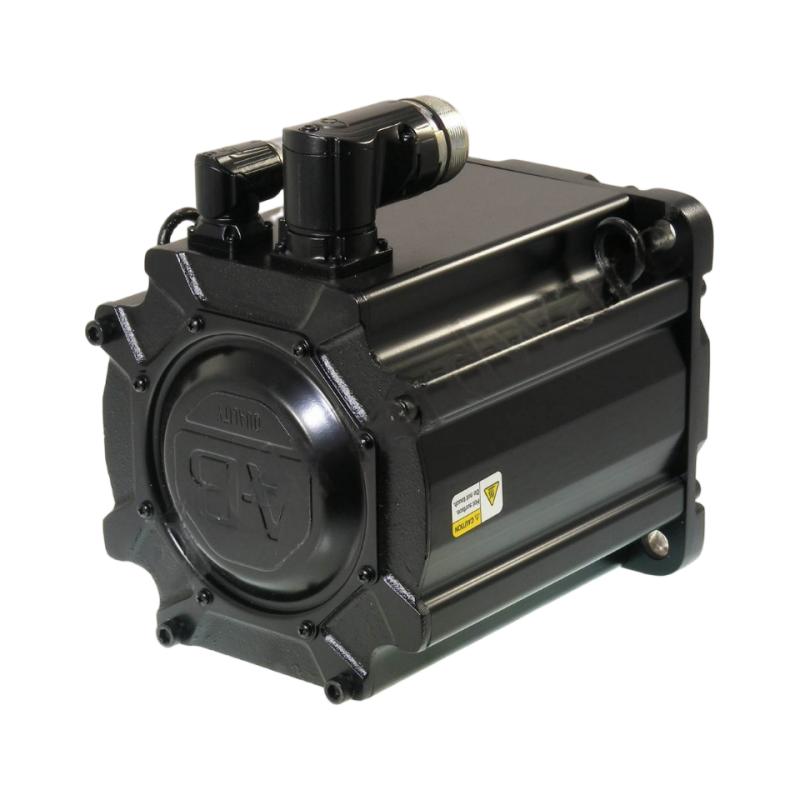
Brand:Allen Bradley PLC Item No.:MPL-B640F-SJ74AA Product Origin:USA Product Dimensions:Frame Size: 215 mm Product Weight:26.8 kg Payment:T/T, Western Union, Credit Card Goods_stock:15 Shipping Port:Xiamen, China Lead Time:1-3 Days Condition:Brand New And Original Warranty:1 Year Certificate:COO
Introduction to the Allen Bradley MPL-B640F-SJ74AA
The Allen Bradley MPL-B640F-SJ74AA Servo Motor is intended for integration into industrial systems where precise motor control is an important part of machine performance. Servo technology allows a controller and drive to coordinate movement based on the requirements of a production process, making it useful for automated machinery that depends on controlled positioning and repeatable motion.
In a complete motion system, performance is influenced by the relationship between the motor, drive, feedback device, mechanical transmission, and control software. Correct component selection and commissioning help ensure that these elements work together as intended.
For OEMs, system integrators, and industrial maintenance teams, the MP-Series platform provides a basis for evaluating servo motor solutions within compatible Allen-Bradley installations. When sourcing the MPL-B640F-SJ74AA, buyers should confirm the exact catalog number and verify that the replacement matches the installed system's electrical, mechanical, and feedback requirements.
If you are purchasing this motor for maintenance or equipment restoration, checking the nameplate and existing drive configuration before ordering is a practical way to reduce compatibility risks and avoid unnecessary downtime.
Technical Specifications
Parameter
Specification
Brand
Allen-Bradley
Model
MPL-B640F-SJ74AA
Product Type
Servo Motor
Product Family
MP-Series
Motor Design
Low-Inertia Servo Motor
Frame Size
215 mm
Weight
26.8 kg / 59.08 lb
Product Application
Industrial Motion Control
Drive Requirement
Compatible Servo Drive
Typical Applications
Automated Machinery, Positioning, Motion Control
Feedback Configuration
Verify against the exact catalog number
Electrical Ratings
Confirm from the motor nameplate and technical documentation
Mounting and Connections
Confirm against the specific motor configuration
Technical note: Frame size and weight are based on the supplied information. Verify all other configuration-specific parameters before installation or replacement.
Recommended Related Models
The following Allen-Bradley servo motors may be relevant when comparing options for industrial motion control. Their suitability depends on the machine requirements and the specifications of the installed system.
Model
Product Type
Selection Consideration
MPL-B640F-SJ72AA
Servo Motor
Compare the complete catalog number and configuration
MPL-B4560F-MK72AA
Servo Motor
Evaluate for different motor sizing requirements
MPL-B4560F-MK74AA
Servo Motor
Verify feedback, electrical, and mounting compatibility
MPL-B560F-SJ72AA
Servo Motor
Compare mechanical and electrical requirements
Popular Related Models
For customers maintaining Allen-Bradley motion control equipment, the following models provide additional options to consider during sourcing and system evaluation.
Model
Product Type
Typical Use
MPL-B640F-SJ74AA
Servo Motor
Specified MP-Series motion control application
MPL-B640F-SJ72AA
Servo Motor
Related motor configuration comparison
MPL-B4560F-MK72AA
Servo Motor
Automated machinery and positioning
MPL-B4560F-MK74AA
Servo Motor
Servo system maintenance and integration
MPL-B560F-SJ72AA
Servo Motor
Industrial motion control applications
Source the Allen Bradley MPL-B640F-SJ74AA Servo Motor with confidence by verifying the complete model number and system requirements before ordering. Accurate catalog-number matching helps industrial buyers identify the appropriate component for maintenance, replacement, and automation projects.
Applications in Industrial Motion Control
The Allen Bradley MPL-B640F-SJ74AA Servo Motor is intended for industrial motion control systems that require coordinated movement, repeatable positioning, and responsive motor operation. As a member of the Allen-Bradley MP-Series servo motor family, it is relevant to automated machinery where motor performance must be matched carefully to the mechanical load and control architecture.
Typical applications include:
Automated Packaging Lines: Supports controlled movement and repeatable positioning in packaging, filling, and product-handling equipment.
Material Handling Equipment: Used in motion axes for transfer systems, conveyor mechanisms, and automated handling machinery.
Industrial Assembly Machines: Supports coordinated movement in automated assembly and production processes.
Machine Tools: Suitable for evaluating in applications requiring controlled axis movement and repeatable motion profiles.
Printing and Converting Equipment: Servo-based motion can help maintain coordinated movement during production cycles.
Custom Automation Systems: Provides an option for OEMs and system integrators working with compatible Allen-Bradley motion control equipment.
The appropriate application depends on the motor's verified electrical specifications, feedback configuration, mechanical mounting, and compatibility with the selected servo drive.
Advantages of the MPL-B640F-SJ74AA Servo Motor
Responsive Dynamic Performance
The MP-Series low-inertia motor platform is designed for motion applications that benefit from controlled acceleration and deceleration. When properly matched with a servo drive and load, it can support responsive machine operation.
Consistent Positioning Control
A servo motor works with a drive and feedback system to regulate movement according to the motion command. This closed-loop approach is valuable in machinery where positioning repeatability and coordinated movement are important.
Integration into Industrial Automation Systems
Allen-Bradley motion components are used in a range of automated manufacturing environments. Selecting the correct motor and compatible drive can simplify integration into an established control architecture.
Suitable for Equipment Maintenance
For maintenance departments managing existing MP-Series installations, the MPL-B640F-SJ74AA may be considered when identifying a replacement or sourcing a component for an existing machine. Exact catalog-number verification is essential to avoid configuration mismatches.
Support for Demanding Production Cycles
Servo-based motion control can help machinery handle frequent movement changes and repeated operating cycles. Actual performance depends on load inertia, drive sizing, thermal conditions, mechanical design, and commissioning quality.
A Practical Sourcing Option
For industrial buyers and system integrators, obtaining the correct motor configuration is an important part of maintaining production continuity. Confirming the full model number before ordering helps reduce avoidable installation and compatibility issues.
Technical FAQs — MPL-B640F-SJ74AA
1. What is the Allen Bradley MPL-B640F-SJ74AA?
It is identified as an Allen-Bradley MPL-Series servo motor intended for industrial motion control. Its precise electrical and feedback configuration should be confirmed using the complete catalog number and motor nameplate.
2. Does this servo motor require a dedicated drive?
Yes. A servo motor normally operates with a compatible servo drive that controls motor current and regulates the commanded motion. The drive must match the motor's electrical and feedback requirements.
3. How should the servo drive be selected?
Check the motor's rated voltage, current, torque and speed characteristics, feedback interface, and connection requirements. The drive must also support the intended control architecture and operating duty.
4. What does closed-loop servo control mean?
Closed-loop control compares commanded motion with feedback from the motor's feedback device. The drive uses this information to adjust operation and reduce the difference between the commanded and actual movement.
5. Can this motor be used for high-cycle automation?
It may be suitable for demanding machine cycles when the application is correctly engineered. Evaluate peak and continuous torque, acceleration, duty cycle, cooling conditions, and the drive's capacity before approving the application.
6. What should be checked if the servo motor fails to enable?
Review drive fault codes, power and control connections, safety circuit status, feedback communication, motor configuration, and drive parameters. Follow the applicable troubleshooting procedure before replacing hardware.
7. What can cause excessive motor current?
Potential causes include excessive load, mechanical binding, aggressive acceleration settings, incorrect motor parameters, or a drive and motor mismatch. Check both mechanical and electrical conditions rather than assuming the motor itself is defective.
8. Why might a servo axis lose positioning accuracy?
Possible causes include feedback issues, mechanical backlash, coupling slippage, excessive load, incorrect tuning, or changes in the machine's mechanical condition. Diagnosis should include both the control system and the transmission components.
9. Is motor feedback compatibility important when replacing a unit?
Yes. Feedback type and interface affect whether the drive can correctly interpret motor position and operate the axis. Verify the exact configuration before installing a replacement.
10. What should be included in a commissioning check?
Confirm wiring, grounding, motor identification, drive parameters, feedback operation, safety functions, and mechanical alignment. Conduct initial movement tests at controlled speeds and loads according to the manufacturer's procedures.