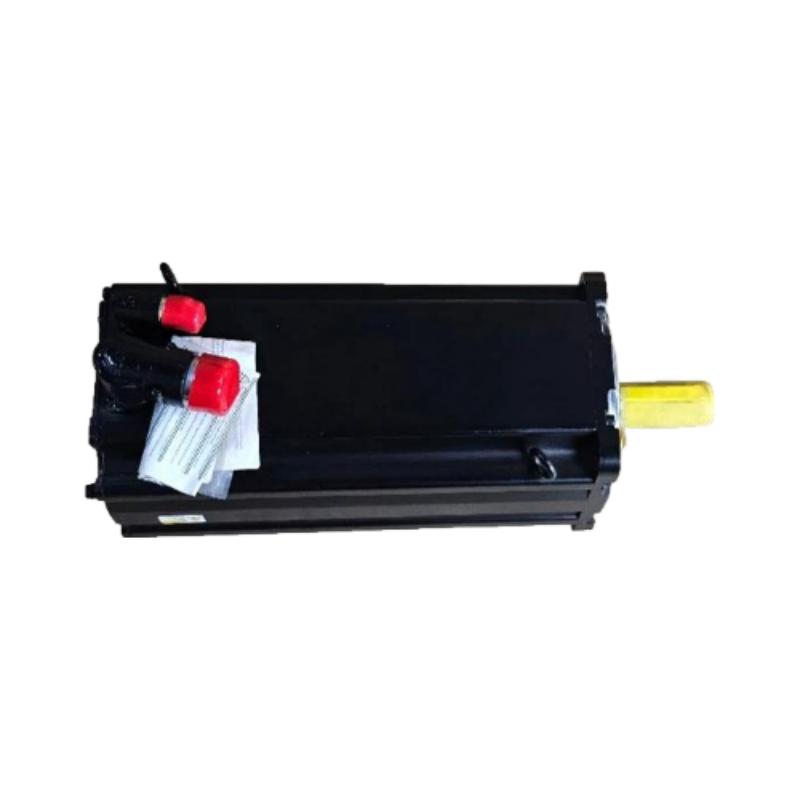
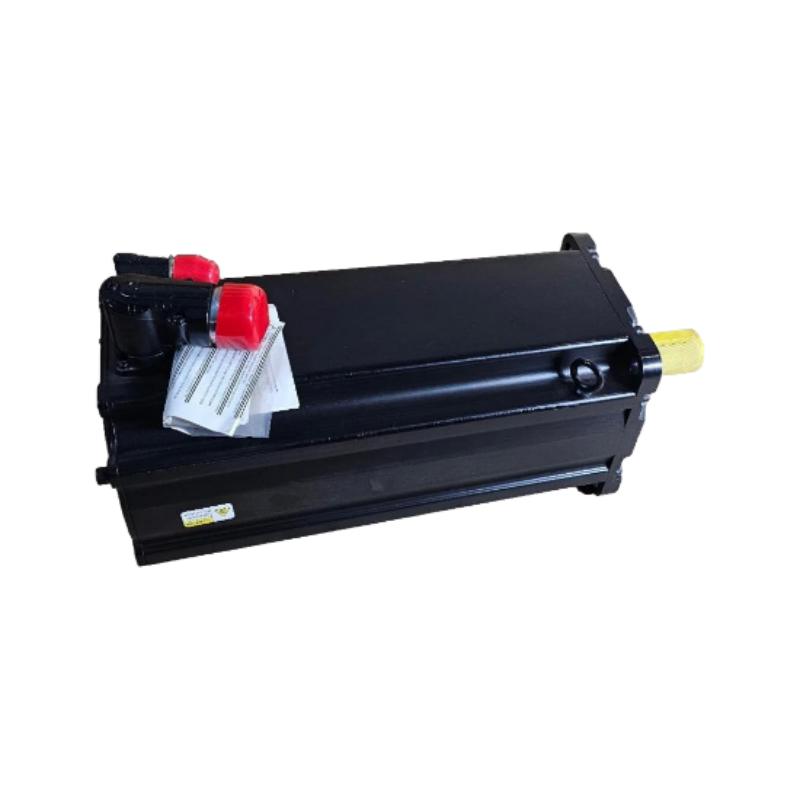
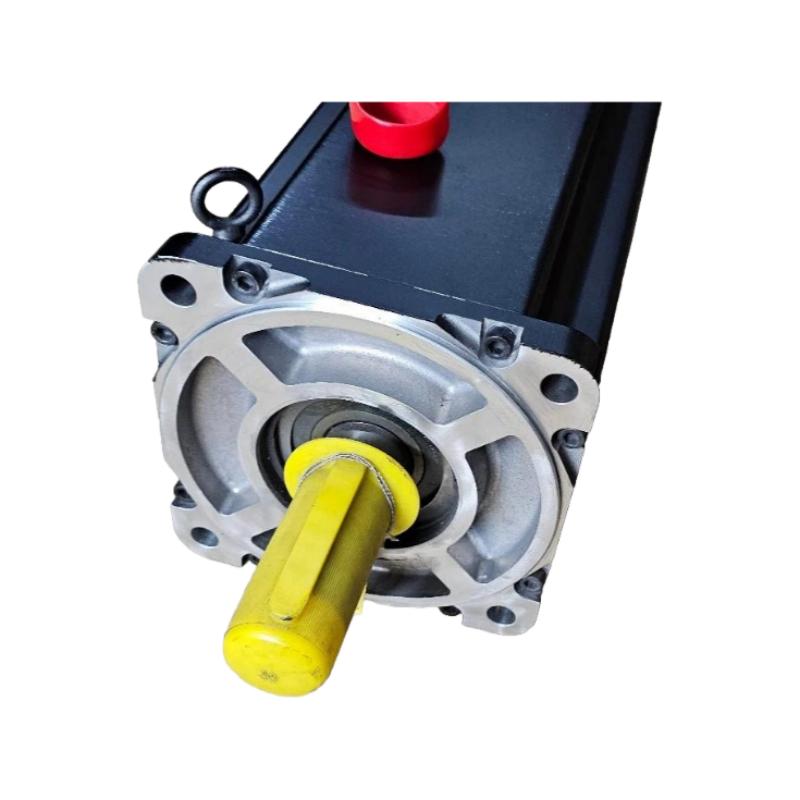
Brand:Allen Bradley PLC Item No.:MPL-B680D-MJ72AA Product Origin:USA Product Dimensions:Frame Size: 215 mm Product Weight:40.4 kg Payment:T/T, Western Union, Credit Card Goods_stock:15 Shipping Port:Xiamen, China Lead Time:1-3 Days Condition:Brand New And Original Warranty:1 Year Certificate:COO
The Allen Bradley MPL-B680D-MJ72AA Servo Motor is intended for integration into industrial motion control systems where controlled mechanical movement is a core part of machine operation. Servo technology enables a compatible controller and drive to regulate motor behavior according to the required motion profile, supporting coordinated movement and repeatable operating sequences.
For machine builders, automation integrators, and maintenance teams, choosing the correct motor configuration is essential. Products within the same family may differ in electrical ratings, feedback interfaces, connection arrangements, or other configuration details. These differences can affect the suitability of a motor for an existing drive and machine assembly.
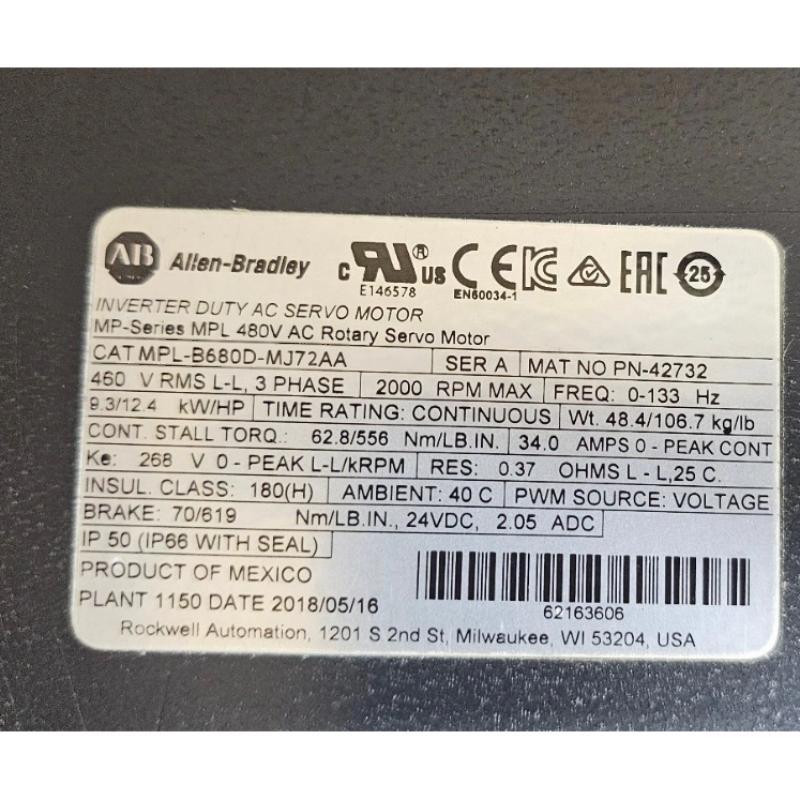
The MPL-B680D-MJ72AA should therefore be evaluated against the exact requirements of the intended application. Before purchasing, compare the complete catalog number with the original motor nameplate and verify compatibility with the installed servo drive and control system.
Accurate identification helps industrial buyers reduce sourcing errors, plan replacements more effectively, and support a smoother commissioning process.
Technical Specifications
Parameter
Specification
Brand
Allen-Bradley
Model Number
MPL-B680D-MJ72AA
Product Type
Servo Motor
Product Family
MP-Series
Frame Size
215 mm
Weight
40.4 kg / 89.07 lb
Application
Industrial Motion Control
Drive Requirement
Compatible Servo Drive
Typical Applications
Automated Machinery, Packaging, Assembly, Positioning Systems
Electrical Ratings
Verify against the exact motor nameplate
Feedback Configuration
Confirm for the specific catalog number
Mounting and Connections
Verify against the applicable product documentation
Frame size and weight are based on the supplied specifications. Confirm the motor's electrical ratings, feedback type, brake configuration, and connector details before ordering or installation.
Recommended Related Models
The following Allen-Bradley servo motors may be useful for product comparison and industrial replacement planning. Their inclusion does not confirm direct interchangeability with the MPL-B680D-MJ72AA.
Model
Product Type
Selection Consideration
MPL-B680B-M-X227
Servo Motor
Verify electrical and mechanical compatibility
MPL-B660F-SJ72AA
Servo Motor
Compare application requirements and drive support
MPL-B660F-SJ74AA
Servo Motor
Review feedback and connection requirements
MPL-B660F-MJ72AA
Servo Motor
Compare catalog configuration and installation needs
Popular Related Models
For industrial procurement teams and automation maintenance professionals, these Allen-Bradley servo motor models offer additional options to review when sourcing motion control components.
Model
Product Type
Typical Procurement Purpose
MPL-B680D-MJ72AA
Servo Motor
Specified motor sourcing and replacement
MPL-B680B-M-X227
Servo Motor
Configuration comparison
MPL-B660F-SJ72AA
Servo Motor
Motion system maintenance
MPL-B660F-SJ74AA
Servo Motor
Replacement planning and compatibility review
MPL-B660F-MJ72AA
Servo Motor
Industrial automation component sourcing
Looking for the Allen Bradley MPL-B680D-MJ72AA Servo Motor? Confirm the complete catalog number and the technical requirements of your existing system before purchasing. Accurate motor and drive matching helps reduce procurement errors and supports reliable installation and commissioning.
Applications and Industrial Motion Control
The Allen Bradley MPL-B680D-MJ72AA Servo Motor is intended for industrial automation systems that require controlled rotary movement, repeatable positioning, and coordinated machine operation. As part of the Allen-Bradley MP-Series servo motor family, it can be evaluated for servo-driven machinery where drive compatibility, feedback integration, and reliable motion performance are essential.
In automated manufacturing, the servo motor plays an important role in translating control commands into mechanical movement. Selecting the appropriate motor configuration helps engineers align the motion system with the machine's load, speed, and operating-cycle requirements.
Typical application areas include:
Automated Packaging Equipment: Supports controlled movement in machinery requiring repeatable operating sequences and coordinated motion.
Material Handling Systems: Can be evaluated for positioning mechanisms, transfer equipment, and automated handling machinery.
Printing and Converting Machinery: Servo-based control can help coordinate motion and regulate operating speed.
OEM Manufacturing Equipment: Suitable for consideration when a machine design specifies a compatible MP-Series motor.
Industrial Maintenance Projects: May be appropriate for replacement applications when the exact catalog number and system compatibility have been confirmed.
Before selecting this motor, assess the required torque, speed range, acceleration profile, load inertia, duty cycle, and operating environment.
Key Advantages of the MPL-B680D-MJ72AA
Controlled and Responsive Motion
A properly configured servo system can respond to changing motion commands with controlled acceleration and deceleration. This capability is useful in machinery that performs repetitive positioning and dynamic movement.
Integration with Industrial Automation Systems
The MP-Series platform is intended for industrial motion control applications. Correctly matching the motor to a supported servo drive, feedback interface, and cable configuration is essential for reliable operation.
Support for Repeatable Production Cycles
Servo-based motion control can help automated machinery maintain consistent movement sequences. With appropriate system sizing and tuning, it supports predictable operation in demanding production environments.
Practical for Maintenance and Replacement
Accurate catalog-number identification helps maintenance teams source the correct component for an existing installation. Confirming the motor variant before ordering can reduce compatibility issues and unnecessary downtime.
Application-Based System Selection
Motor selection should account for the complete motion system, including mechanical loading, drive characteristics, feedback requirements, and installation conditions. This approach helps improve procurement accuracy and commissioning efficiency.
Technical FAQs — Allen Bradley MPL-B680D-MJ72AA
1. What is the MPL-B680D-MJ72AA Servo Motor used for?
It is an Allen-Bradley servo motor intended for industrial motion control. The specific application depends on its verified electrical characteristics, drive compatibility, and the machine's motion requirements.
2. Does the motor require a compatible servo drive?
Yes. A suitable servo drive is normally required to regulate motor current and control torque, speed, and position. The exact drive compatibility should be confirmed using the complete catalog number.
3. How can I verify that a servo drive supports this motor?
Check the motor's nameplate and catalog number against the drive manufacturer's compatibility documentation. Verify electrical ratings, feedback support, connector requirements, and operating limits.
4. What role does feedback play in servo operation?
The feedback system provides motion information to the drive or controller. Depending on the configuration, this may include position and speed information used to regulate the motor's response.
5. Can this motor support closed-loop positioning?
Servo motors are commonly used in closed-loop positioning systems. Actual performance depends on feedback compatibility, drive tuning, controller configuration, mechanical backlash, and load characteristics.
6. What should I inspect if the motor fails to start?
Review the drive's fault history, enable signals, power supply, motor wiring, feedback connections, and configuration parameters. Follow the applicable troubleshooting procedure before replacing components.
7. What can cause unstable movement or vibration?
Potential causes include incorrect tuning, mechanical resonance, loose mounting hardware, coupling misalignment, feedback faults, or excessive load inertia. Both mechanical and electrical conditions should be investigated.
8. How should an overload alarm be diagnosed?
Check the load torque, acceleration settings, duty cycle, mechanical resistance, and drive diagnostics. Compare actual operating conditions with the rated limits of the motor and drive before restarting the equipment.
9. What precautions should be followed during installation?
Follow the applicable manufacturer's instructions, isolate hazardous energy, verify grounding and cable connections, and confirm correct mechanical mounting. Installation and commissioning should be completed by qualified personnel.
10. What information is needed when sourcing a replacement?
Confirm the complete catalog number, nameplate information, drive compatibility, feedback interface, connector configuration, mounting requirements, and any brake options. Similar-looking catalog numbers should not be assumed interchangeable.