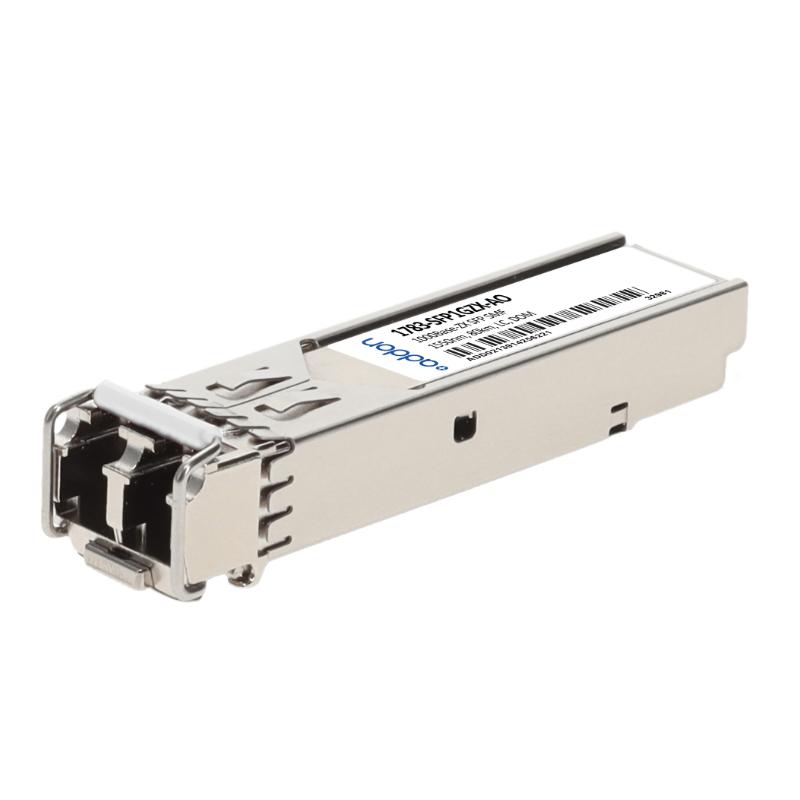
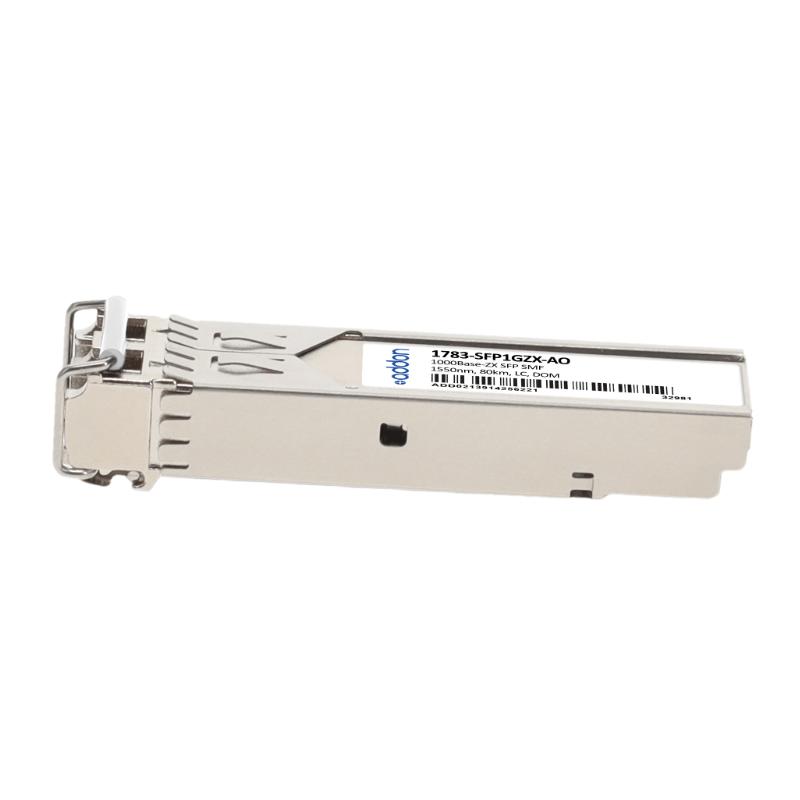
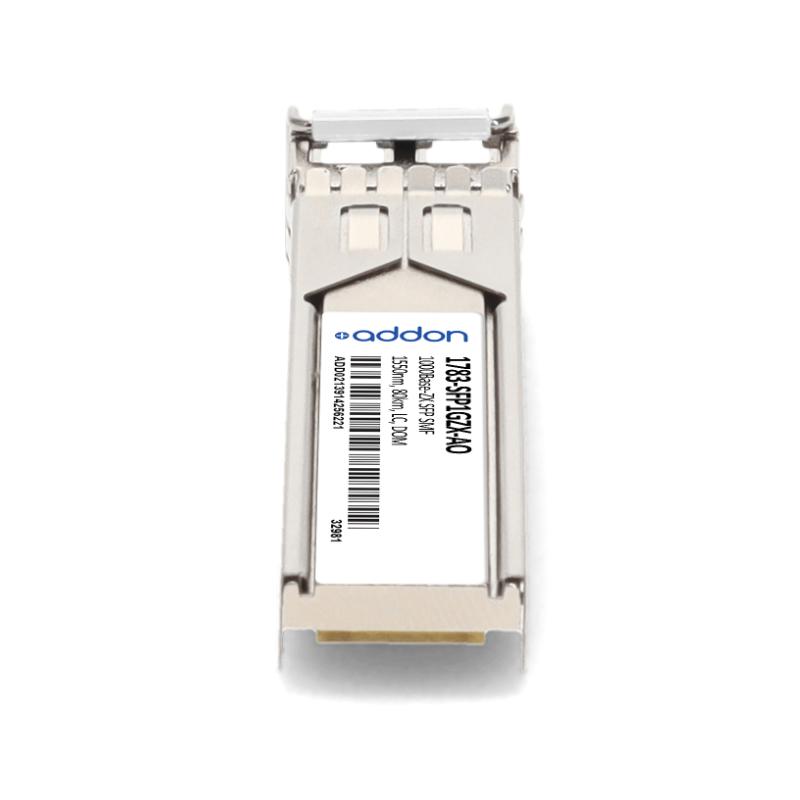
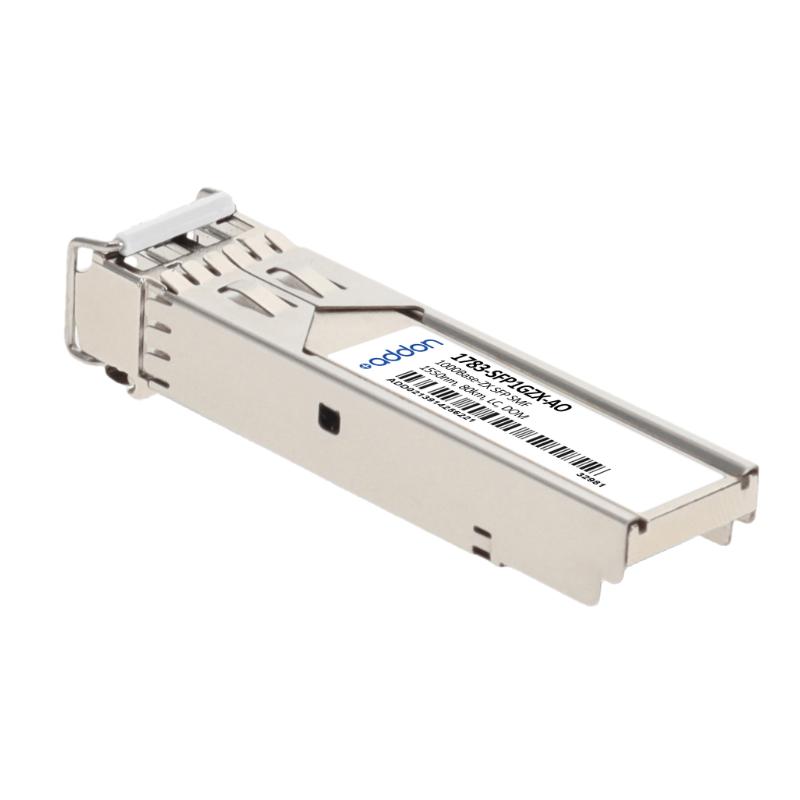
Allen Bradley 1783-SFP1GZX Stratix SFP Single-mode Fiber Transceiver
Allen Bradley 1783-SFP1GZX Stratix SFP Single-mode Fiber Transceiver
0.0
Points
Brand:Allen Bradley PLC Item No.:1783-SFP1GZX Product Origin:USA Product Dimensions:90 × 25 × 50 mm Product Weight:0.1 kg Payment:T/T, Western Union, Credit Card Goods_stock:15 Shipping Port:Xiamen, China Lead Time:1-3 Days Condition:Brand New And Original Warranty:1 Year Certificate:COO
The Allen Bradley 1783-SFP1GZX Stratix SFP Single-mode Fiber Transceiver is intended for compatible industrial Ethernet installations that use single-mode optical fiber. Fiber-based networking can help connect devices across separated production areas and support communication links where copper cabling is unsuitable for the required distance or installation conditions.
For automation engineers, system integrators, and industrial parts buyers, accurate transceiver selection is essential to maintaining network reliability. The switch, transceiver, optical fiber, and receiving interface must have compatible specifications. Before purchasing this model for a new installation or as a replacement, confirm the complete catalog number and the applicable Allen-Bradley documentation.
Technical Specifications
Parameter
Specification
Brand
Allen-Bradley
Model
1783-SFP1GZX
Product Series
Stratix
Product Type
SFP Single-mode Fiber Transceiver
Transmission Medium
Single-mode optical fiber
Dimensions
90 × 25 × 50 mm
Weight
0.10 kg / 0.22 lb
Compatible Equipment
Verify against the official Stratix switch compatibility documentation
Optical Wavelength and Distance
Confirm using the manufacturer's specifications
Connector Type
Confirm using the manufacturer's specifications
Recommended Related Models
The following Allen-Bradley Stratix transceivers may be useful for comparison when selecting fiber network interfaces. They should not be treated as direct replacements without confirming optical and equipment compatibility.
Allen Bradley 1783-SFP1GTE Stratix SFP Transceiver
Allen Bradley 1783-SFP1GSX Stratix SFP Transceiver
Allen Bradley 1783-SFP1GLX Stratix SFP Transceiver
Allen Bradley 1783-SFP100FX Stratix Fiber-Optic Transceiver
Popular Related Models
These Allen-Bradley Stratix networking products may also be relevant when sourcing components for industrial Ethernet systems.
Allen Bradley 1783-BMS10CA Stratix Ethernet Switch
Allen Bradley 1783-BMS20CA Stratix Ethernet Switch
Allen Bradley 1783-MS10T Stratix Ethernet Switch
Allen Bradley 1783-US8T Stratix Ethernet Switch
Selection note: Verify the exact catalog number, optical specifications, fiber type, connector, and switch compatibility against official Allen-Bradley documentation before ordering or installing a transceiver.
Applications
The Allen Bradley 1783-SFP1GZX Stratix SFP Single-mode Fiber Transceiver is a network connectivity component designed for compatible industrial Ethernet equipment. Single-mode fiber technology is commonly used in network installations that require communication over longer distances than typical copper Ethernet links can support, subject to the transceiver's rated specifications and the optical fiber infrastructure.
Factory Automation: Helps connect industrial network segments across production areas and equipment zones.
Distributed Control Systems: Can be used in network architectures linking remote switches and automation infrastructure.
Long-Distance Network Links: Single-mode fiber is suitable for installations requiring extended link distances within the supported optical specifications.
Industrial Facility Connectivity: May be used to connect network equipment between control cabinets, production areas, and other locations with compatible fiber infrastructure.
Before installation, verify the supported switch model, optical wavelength, connector type, fiber specification, and transmission distance in the official product documentation.
Advantages
Single-Mode Fiber Connectivity: Intended for fiber network applications using compatible single-mode optical cabling.
Industrial Ethernet Integration: Designed for use with supported Allen-Bradley Stratix networking equipment.
Extended-Distance Networking Potential: Single-mode fiber can support longer links than many copper connections when the transceiver and fiber specifications are correctly matched.
Compact SFP Format: Its pluggable form factor supports installation in compatible network ports without requiring a separate external transceiver enclosure.
Simplified Spare-Parts Identification: The complete catalog number helps maintenance teams identify the required transceiver configuration.
Network Expansion Support: Can form part of an industrial Ethernet infrastructure connecting compatible network devices across a facility
Technical FAQs
Q1: What is the Allen Bradley 1783-SFP1GZX?
It is an Allen-Bradley Stratix SFP transceiver identified for single-mode fiber networking applications. Confirm its exact optical and electrical specifications using the manufacturer documentation.
Q2: What is the difference between single-mode and multimode fiber?
Single-mode fiber uses a small optical core designed to support a single propagation mode and is commonly used for longer-distance links. Multimode fiber supports multiple propagation modes and is often used for shorter-distance applications.
Q3: Is the 1783-SFP1GZX compatible with all Stratix switches?
No. Compatibility depends on the switch model, supported SFP types, port capabilities, and manufacturer requirements. Check the official compatibility list before installation.
Q4: What should be checked when selecting fiber-optic cabling?
Verify the required single-mode fiber type, connector, optical wavelength, transmission distance, and optical power specifications for the transceiver and the receiving device.
Q5: Can this transceiver connect two switches over a fiber link?
It may be used for that purpose when both devices support compatible transceivers and the fiber link meets the required optical specifications.
Q6: What can cause a fiber link to remain down?
Possible causes include incorrect cabling, dirty or damaged connectors, incompatible transceivers, unsupported switch hardware, or optical specifications that do not match at both ends.
Q7: Does single-mode fiber require special handling?
Yes. Fiber connectors should be kept clean and protected from dust. Follow appropriate inspection and cleaning procedures, and never look directly into a fiber connector or transceiver port.
Q8: Can I replace the transceiver while the switch is powered on?
Hot-swapping support depends on the specific switch and transceiver documentation. Follow the manufacturer's installation procedure and your site's maintenance requirements.
Q9: How can I verify that the transceiver is functioning correctly?
Check the switch port status, link indicators, diagnostic information where available, and the condition of the fiber connection. Verify compatibility and cabling if the link fails to establish.
Q10: What details are important when ordering a replacement?
Confirm the full catalog number, switch model, single-mode fiber requirements, connector type, optical specifications, and required transmission distance.