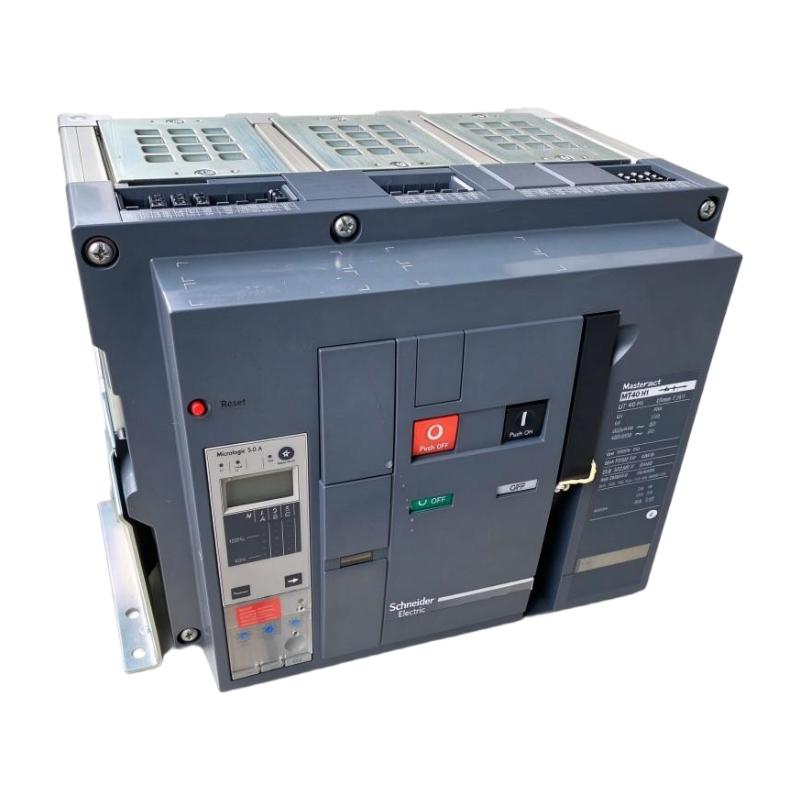
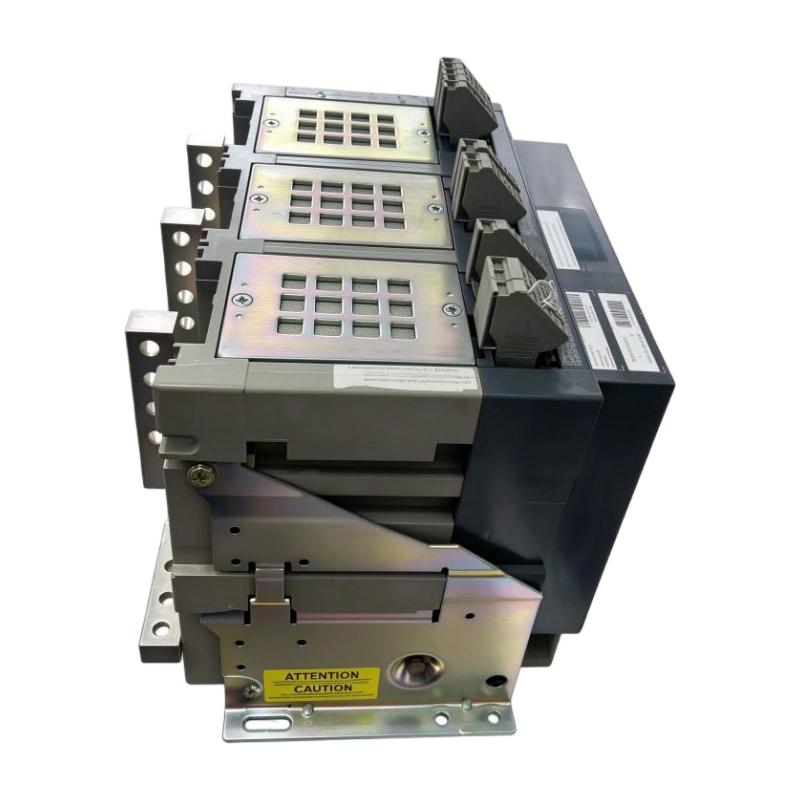
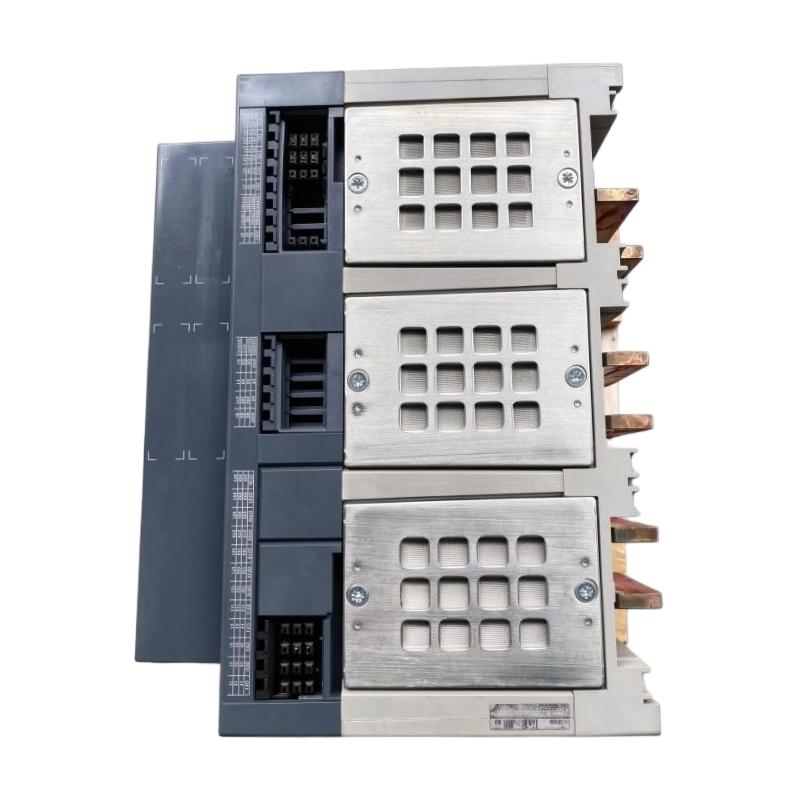
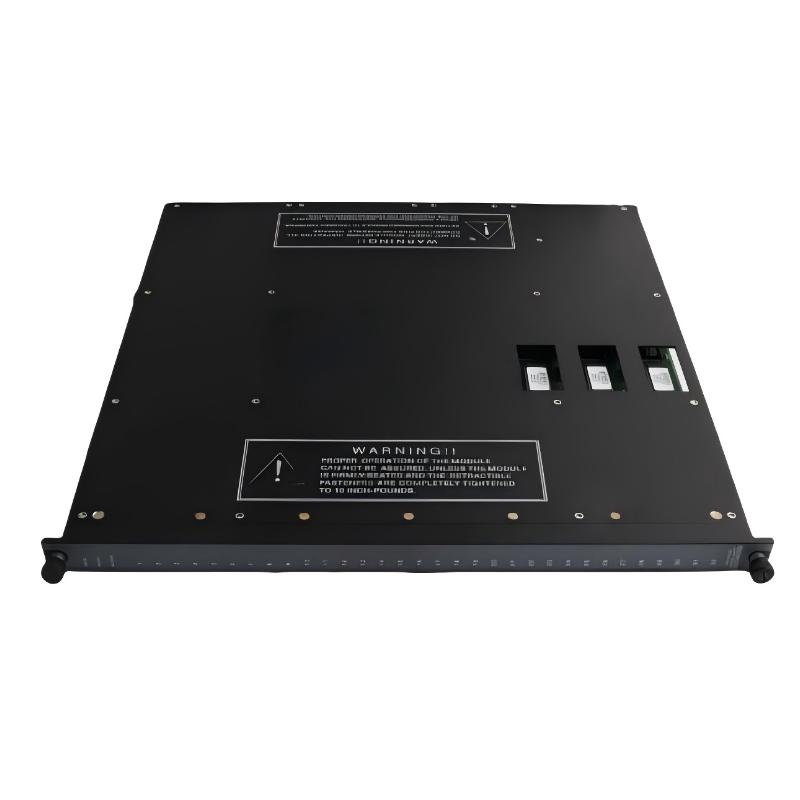
Brand:Schneider PLC Item No.:MT40H1 Product Origin:France Product Dimensions:352 x 422 x 297 mm Product Weight:50 kg Payment:T/T, Western Union, Credit Card Goods_stock:15 Shipping Port:Xiamen, China Lead Time:1-3 Days Condition:Brand New And Original Warranty:1 Year Certificate:COO
The Schneider MT40H1 Breaker is a model reference to consider when identifying circuit protection equipment for industrial electrical distribution and maintenance applications. Choosing the correct breaker involves more than matching a model name: the electrical ratings, protection configuration, and installation requirements must all correspond to the intended application.
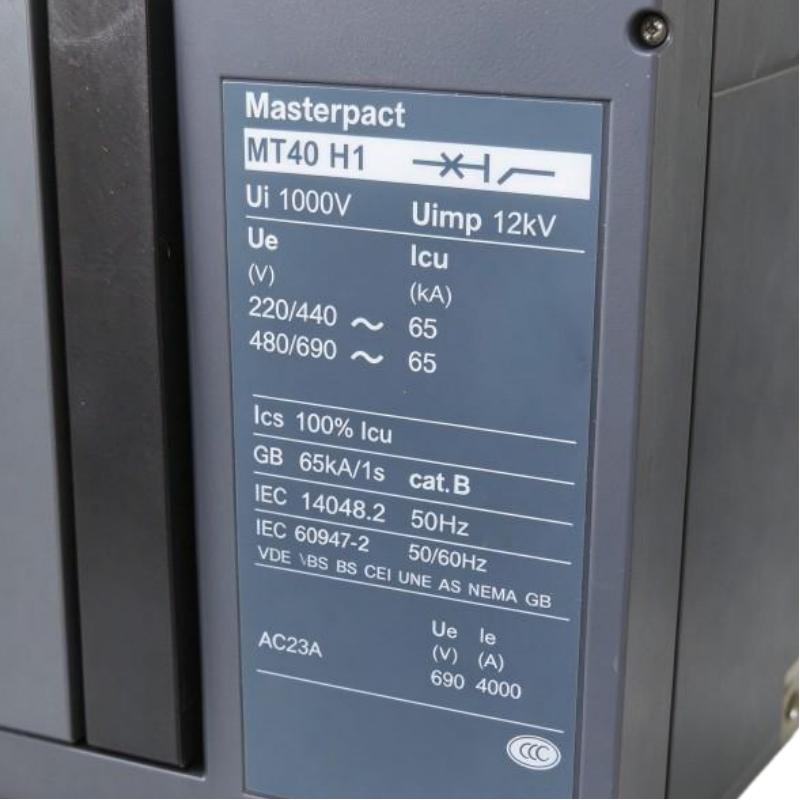
For engineering and procurement purposes, the complete catalog number and product nameplate should be checked against the applicable Schneider Electric technical documentation. Important details include rated current, rated operating voltage, short-circuit breaking capacity, trip-unit characteristics, and accessory compatibility.
In replacement projects, technicians should also compare the original unit's terminal arrangement, mounting method, and coordination with other protective devices. A product with similar dimensions or a related model designation is not necessarily an acceptable substitute.
A structured verification process helps reduce specification errors and supports reliable integration into the existing electrical system.
Technical Specifications
Parameter
Specification
Brand
Schneider Electric
Model
MT40H1
Product Type
Breaker
Product Category
Electrical circuit protection
Dimensions
352 × 422 × 297 mm
Weight
50 kg / 110.23 lb
Rated Current
Verify against the exact catalog reference
Rated Operating Voltage
Confirm from manufacturer documentation
Short-Circuit Breaking Capacity
Confirm for the specific configuration
Trip Unit
Verify from the product nameplate
Mounting Configuration
Confirm before installation
Accessory Compatibility
Check against the exact model
Specification note: The dimensions and weight are based on the supplied product information. Electrical ratings and configuration details should be verified before ordering or installation.
Recommended Related Models
The following Schneider Electric breaker references may be useful for comparison when reviewing replacement options. Their suitability depends on the electrical and mechanical requirements of the installation.
Model
Product Type
Selection Considerations
Schneider MT40H1
Breaker
Confirm the complete reference and required electrical ratings
Schneider MT50H1
Breaker
Compare documented ratings, protection characteristics, and installation requirements
Schneider MT63H1
Breaker
Verify breaking capacity, trip-unit configuration, and compatibility
Schneider MT25H2
Breaker
Check the product configuration and electrical requirements before considering substitution
Popular Related Models
Model
Product Type
Key Evaluation Point
Schneider MT40H1
Breaker
Confirm nameplate data and complete catalog number
Schneider MT50H1
Breaker
Compare electrical ratings and protection requirements
Schneider MT63H1
Breaker
Verify fault-current capability and configuration
Schneider MT25H2
Breaker
Assess suitability against the installation's requirements
Selection reminder:Related model numbers do not establish interchangeability. Always verify rated current, operating voltage, breaking capacity, trip-unit configuration, mounting dimensions, and accessory compatibility using the documentation for the exact product reference.
Applications
The Schneider MT40H1 Breaker is a model-specific circuit breaker reference for evaluation in industrial electrical distribution, equipment maintenance, and power system protection projects. Correct selection requires matching the breaker's verified electrical characteristics with the demands of the installation.
Potential application areas include:
Industrial power distribution: Supporting circuit protection in compatible electrical distribution assemblies.
Manufacturing facilities: Integration into appropriately designed power systems supplying industrial equipment and production lines.
Electrical switchboards and panels: Use where the breaker's mounting arrangement, terminal configuration, and ratings meet installation requirements.
Industrial equipment maintenance: Identification and replacement planning for existing circuit protection equipment.
Electrical system upgrades: Assessment during distribution-system modifications, subject to verification of protection coordination and fault-current requirements.
The exact suitability of the MT40H1 should be established from its complete catalog reference and manufacturer documentation rather than the model designation alone.
Advantages
1. Clear model identification
The MT40H1 designation provides a reference point for product identification, maintenance records, and spare-parts management. The complete catalog number should be retained for accurate selection.
2. Supports coordinated electrical protection
A correctly specified circuit breaker helps protect electrical circuits against fault conditions within its designed operating limits.
3. Useful for industrial maintenance planning
Accurate model records simplify equipment inspections, replacement planning, and communication between maintenance and procurement teams.
4. Compatibility-based equipment replacement
Checking electrical ratings, mechanical dimensions, connection arrangements, and accessory requirements helps reduce the risk of selecting an unsuitable replacement.
5. Integration into engineered distribution systems
The breaker can be evaluated for a particular installation by reviewing its documented ratings alongside the system's load characteristics and available fault current.
6. Supports lifecycle management
Keeping the original product reference and configuration details available helps improve traceability throughout maintenance and equipment replacement activities.
Technical FAQs
Q1: What is the main function of the Schneider MT40H1 Breaker?
A circuit breaker interrupts current when specified electrical fault conditions occur. The precise protection functions of this model must be confirmed using documentation for the exact product reference.
Q2: How do I determine the rated current of the MT40H1?
Check the product nameplate and the corresponding technical documentation. Do not assume that the model designation alone confirms the rated current.
Q3: How can I verify its rated operating voltage?
Confirm the manufacturer's specified voltage rating and compare it with the system voltage and installation configuration.
Q4: Why is short-circuit breaking capacity important?
The breaker must be capable of interrupting the prospective fault current available at its installation point. Its documented breaking capacity must meet the requirements of the electrical system.
Q5: Can the MT40H1 be used in a motor control circuit?
That depends on the verified breaker characteristics, motor starting conditions, overload protection arrangement, and coordination with upstream and downstream protective devices.
Q6: What information is required before replacing an existing breaker?
Record the complete catalog number, rated electrical characteristics, trip-unit details, terminal arrangement, mounting configuration, and installed accessories.
Q7: What should be checked when integrating the breaker into a distribution panel?
Verify mounting compatibility, conductor requirements, terminal connections, enclosure clearances, protective coordination, and compliance with applicable electrical standards.
Q8: What can cause repeated breaker trips?
Possible causes include overloads, short circuits, ground faults, incorrect protection settings, or faults in connected equipment. The underlying cause should be diagnosed before the circuit is re-energized.
Q9: Can accessories from another Schneider Electric breaker be reused?
Only when the manufacturer confirms compatibility with the exact breaker model and configuration. Similar appearance does not guarantee compatibility.
Q10: How can I verify that the MT40H1 is suitable for my application?
Compare the product documentation with the system voltage, expected load, prospective fault current, required protection characteristics, mounting requirements, and applicable electrical standards.