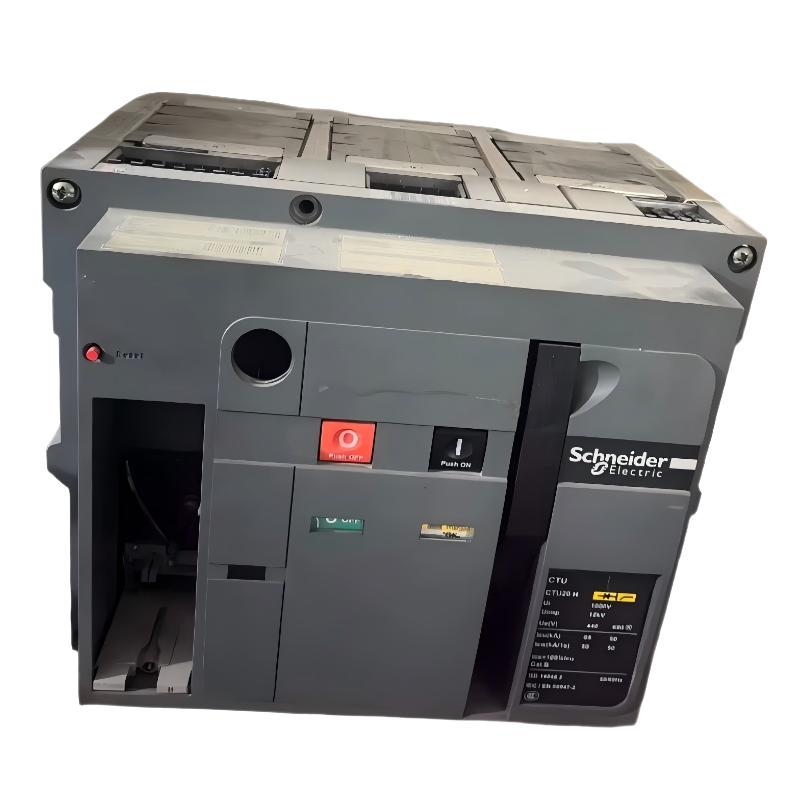
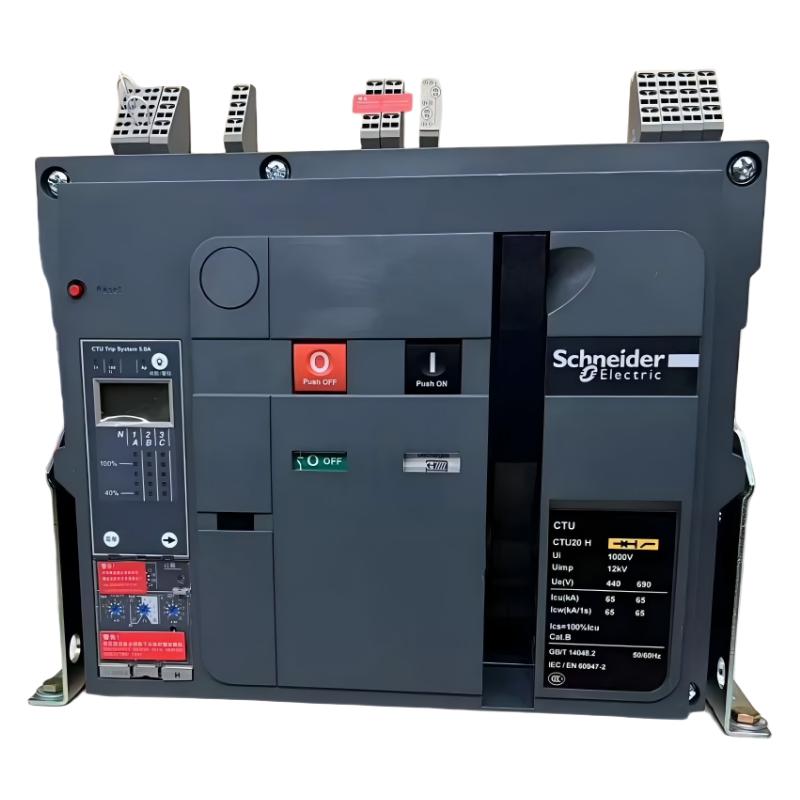
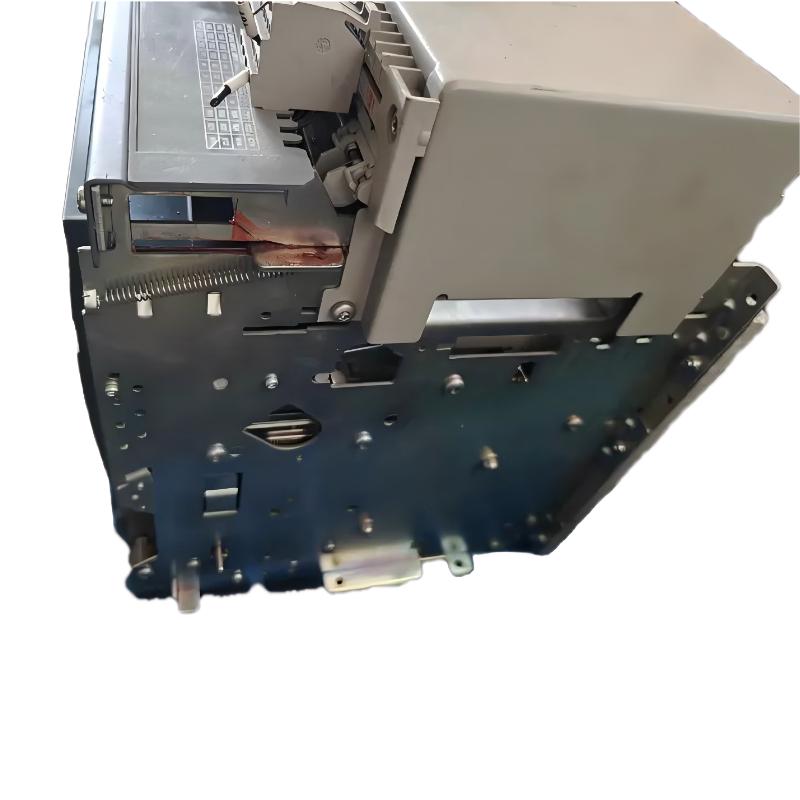
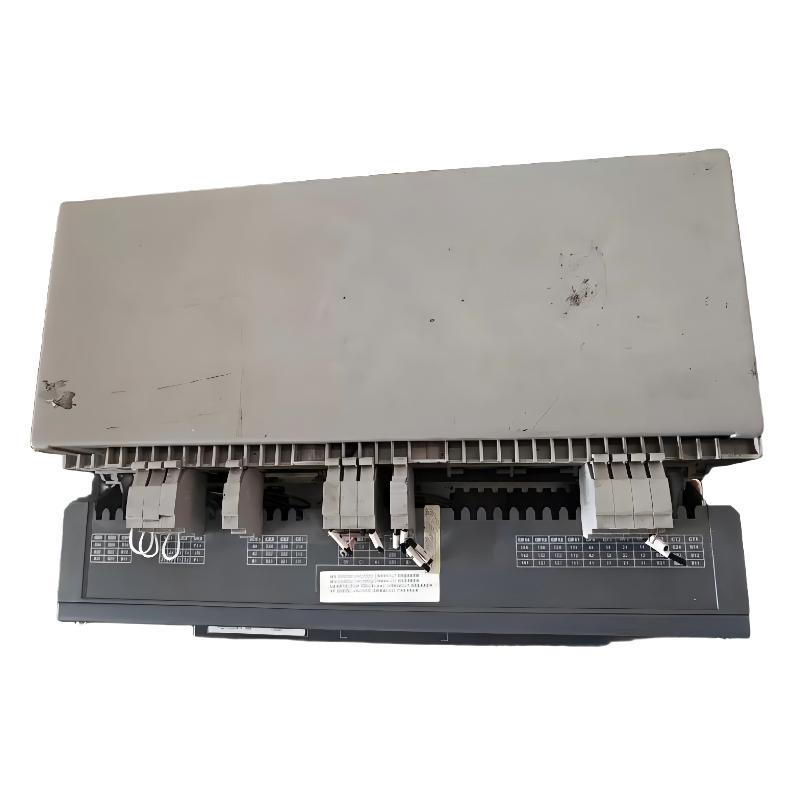
Brand:Schneider PLC Item No.:CTU20H Product Origin:France Product Dimensions:422 x 352 x 297 mm Product Weight:50 kg Payment:T/T, Western Union, Credit Card Goods_stock:15 Shipping Port:Xiamen, China Lead Time:1-3 Days Condition:Brand New And Original Warranty:1 Year Certificate:COO
The Schneider CTU20H Breaker is an industrial circuit protection model intended for consideration in electrical distribution maintenance and equipment procurement. Circuit breakers are important components in industrial power systems because they help protect electrical circuits against abnormal operating conditions and contribute to the safe management of electrical energy.
In manufacturing facilities, processing plants, and infrastructure projects, electrical distribution equipment must operate reliably under varying load conditions. An appropriate circuit breaker helps support this requirement by providing controlled circuit interruption within its specified operating capabilities.
The CTU20H model designation is particularly relevant to buyers identifying Schneider Electric equipment for existing installations. For maintenance contractors and industrial distributors, accurate product identification is essential when sourcing replacement parts, managing spare inventory, or supporting electrical refurbishment projects.
When selecting this model, buyers should pay close attention to electrical ratings, protection characteristics, mechanical installation requirements, and compatibility with the original switchgear. These details are critical to avoiding incorrect replacements and maintaining the intended protection scheme.
For industrial equipment procurement, choosing the correctly configured Schneider CTU20H Breaker can help streamline maintenance planning and support the continued operation of compatible electrical distribution systems.
Technical Specifications
The following table summarizes the available product identification and physical specifications of the Schneider CTU20H Breaker.
Parameter
Specification
Brand
Schneider Electric
Model Number
CTU20H
Product Type
Circuit Breaker
Product Category
Industrial Circuit Protection
Product Series
To Be Verified
Rated Current
To Be Verified
Rated Operational Voltage
To Be Verified
Rated Insulation Voltage
To Be Verified
Breaking Capacity
To Be Verified
Number of Poles
To Be Verified
Trip Unit Configuration
To Be Verified
Dimensions
422 × 352 × 297 mm
Net Weight
50 kg / 110.23 lb
Application
Industrial Electrical Distribution
Product Configuration Considerations
The supplied dimensions and weight are used as provided. Electrical ratings and detailed configuration information should be confirmed against the original product nameplate and manufacturer documentation before installation or replacement.
Recommended Related Models
For industrial buyers evaluating Schneider Electric circuit breakers, the following Masterpact models may be relevant to broader electrical distribution and maintenance requirements.
Model Number
Product Description
Schneider MT08N1
Masterpact Air Circuit Breaker
Schneider MT10N1
Masterpact Air Circuit Breaker
Schneider MT12N1
Masterpact Air Circuit Breaker
Schneider MT16N1
Masterpact Air Circuit Breaker
Schneider MT20N1
Masterpact Air Circuit Breaker
Schneider MT25N1
Masterpact Air Circuit Breaker
These models are related Schneider Electric circuit breaker products and should be assessed according to the specific electrical requirements of each project.
Popular Related Models
The following Schneider Electric models are also worth considering when sourcing industrial circuit breakers and maintaining existing Masterpact installations.
Model Number
Product Description
Schneider MT06NA
Masterpact Air Circuit Breaker
Schneider MT08NA
Masterpact Air Circuit Breaker
Schneider MT10NA
Masterpact Air Circuit Breaker
Schneider MT12NA
Masterpact Air Circuit Breaker
Schneider MT16NA
Masterpact Air Circuit Breaker
Schneider MT08N2
Masterpact Air Circuit Breaker
Schneider MT10N2
Masterpact Air Circuit Breaker
Schneider MT12N2
Masterpact Air Circuit Breaker
Schneider MT16N2
Masterpact Air Circuit Breaker
Schneider MT20N2
Masterpact Air Circuit Breaker
When sourcing the Schneider CTU20H Breaker, confirming the complete model designation and original equipment configuration is essential. Electrical ratings, breaking capacity, protection settings, and mechanical compatibility should all be reviewed before purchasing. Accurate selection helps reduce replacement risks and supports dependable operation across industrial electrical distribution systems.
Applications
The Schneider CTU20H Breaker is an industrial circuit breaker model intended for electrical distribution equipment sourcing, maintenance, and replacement projects. In industrial power systems, dependable circuit protection is essential for safeguarding electrical equipment, supporting stable power distribution, and reducing the impact of unexpected faults.
For facilities operating complex electrical infrastructure, selecting a compatible circuit breaker helps maintain protection coordination and supports long-term equipment reliability.
Typical application areas include:
Industrial Power Distribution: Suitable for evaluation in electrical distribution systems requiring coordinated circuit protection.
Factory Automation Facilities: Relevant to electrical installations supplying automated production lines, machinery, and auxiliary equipment.
Industrial Switchgear Assemblies: Can be considered for compatible switchgear installations and electrical panel maintenance.
Motor Feeder Systems: May be evaluated for motor feeder applications when the breaker ratings and protection characteristics meet the system requirements.
Infrastructure Power Systems: Relevant to electrical distribution projects involving industrial and large-scale commercial facilities.
Electrical Equipment Replacement: Provides a specific model reference for maintenance teams sourcing Schneider Electric replacement components.
Advantages
Reliable Circuit Protection
Circuit breakers are essential for protecting electrical distribution networks against abnormal current conditions. Correctly selected protection equipment helps limit the potential effects of electrical faults on connected machinery and infrastructure.
Designed for Industrial Electrical Applications
Industrial electrical systems require protection devices that match the installation's operating conditions. The CTU20H can be evaluated for applications where its verified specifications meet the required electrical and mechanical parameters.
Supports Coordinated Protection Strategies
A properly engineered protection system helps isolate faults and reduce unnecessary interruptions to unaffected equipment, supporting improved electrical system availability.
Simplified Spare Parts Identification
The complete model designation provides maintenance and procurement teams with a useful reference when identifying replacement equipment and organizing spare-parts inventories.
Practical Maintenance and Replacement
For facilities maintaining existing Schneider Electric installations, confirming the correct breaker model can help avoid unnecessary equipment modifications and simplify replacement planning.
Supports Long-Term Equipment Management
Reliable electrical protection equipment plays an important role in industrial asset management. Selecting compatible replacement components helps maintain established electrical infrastructure and supports more efficient maintenance operations.
Technical FAQs
Q1: What is the primary function of the Schneider CTU20H Breaker?
A: Its intended function as a circuit breaker is to interrupt electrical current under specified abnormal conditions, helping protect circuits and connected equipment. The exact protection capabilities depend on the verified product configuration.
Q2: What is the difference between a circuit breaker and a fuse?
A: Both devices provide overcurrent protection, but a circuit breaker is generally designed to be reset after an appropriate fault investigation, whereas a conventional fuse must be replaced after operation.
Q3: How should the CTU20H be selected for an industrial distribution system?
A: Selection should consider rated current, operating voltage, prospective short-circuit current, load characteristics, installation conditions, and coordination with other protection devices.
Q4: Why is protection selectivity important in industrial power networks?
A: Selectivity helps ensure that the protective device closest to a fault operates first when the protection design allows it. This can limit the affected section and help maintain power to other equipment.
Q5: Can a circuit breaker protect equipment against voltage fluctuations?
A: Standard overcurrent protection does not automatically provide comprehensive voltage protection. Additional monitoring or protective devices may be required for undervoltage, overvoltage, and other voltage-related conditions.
Q6: What is the role of a trip unit in a circuit breaker?
A: A trip unit monitors electrical conditions and determines when the breaker should open according to its protection settings and operating characteristics.
Q7: What should be investigated when the breaker trips unexpectedly?
A: Check load current, downstream wiring, possible short circuits, insulation conditions, protection settings, and the operating environment. Identify and correct the underlying problem before restoring power.
Q8: How can the CTU20H be integrated into an electrical monitoring system?
A: Integration depends on the availability of compatible auxiliary contacts, status signals, communication accessories, and external monitoring equipment. The actual hardware configuration must be verified.
Q9: What information is necessary to confirm a replacement breaker?
A: Important details include the complete model number, electrical ratings, breaking capacity, pole arrangement, connection configuration, mounting method, and installed accessories.
Q10: How frequently should industrial circuit breakers be inspected?
A: Inspection frequency should follow the manufacturer's maintenance recommendations and consider operating conditions, switching frequency, environmental exposure, and the criticality of the installation.