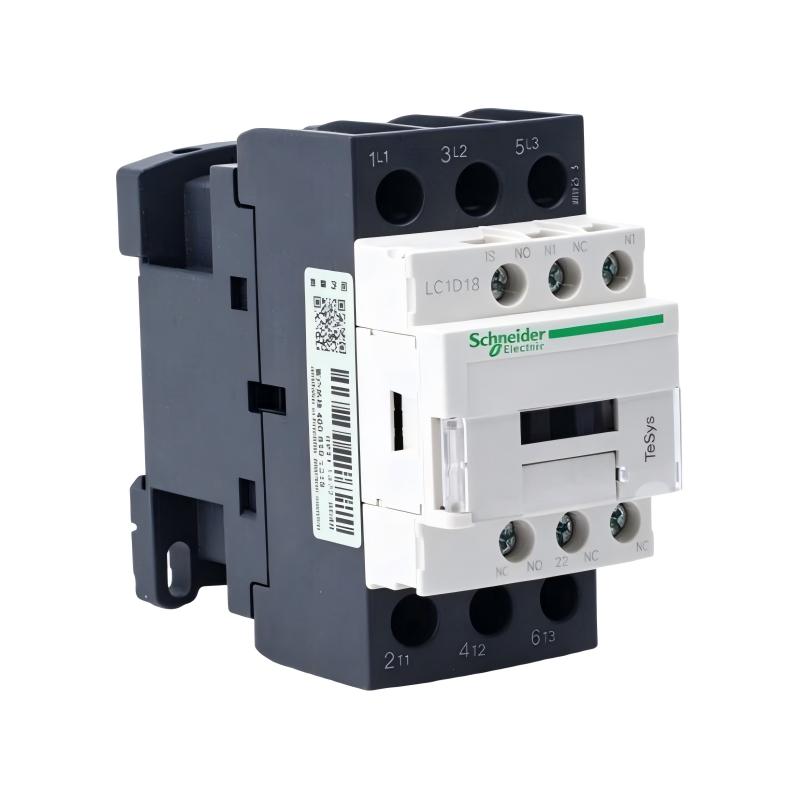
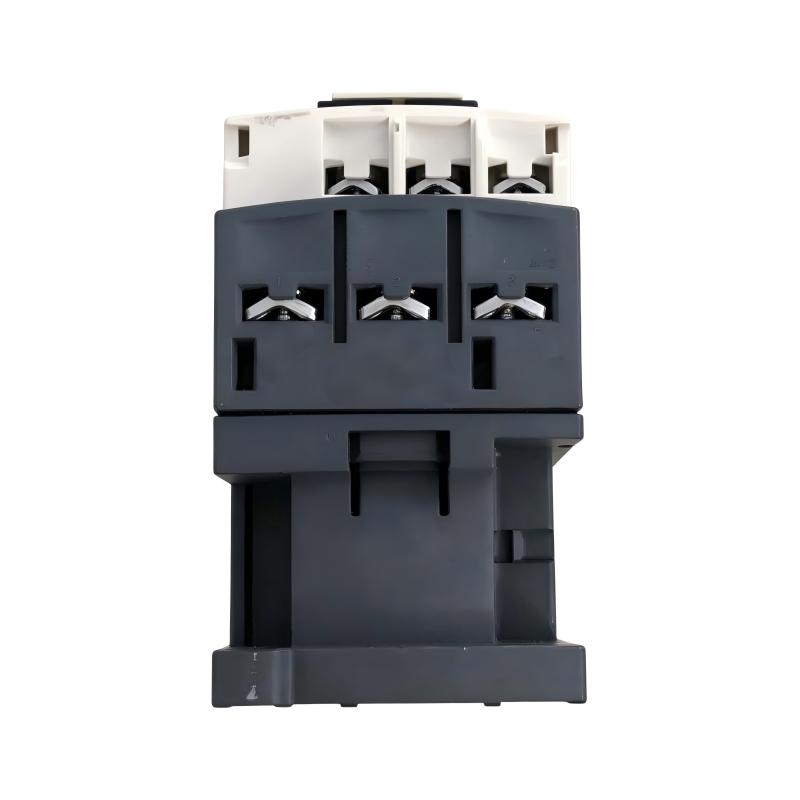
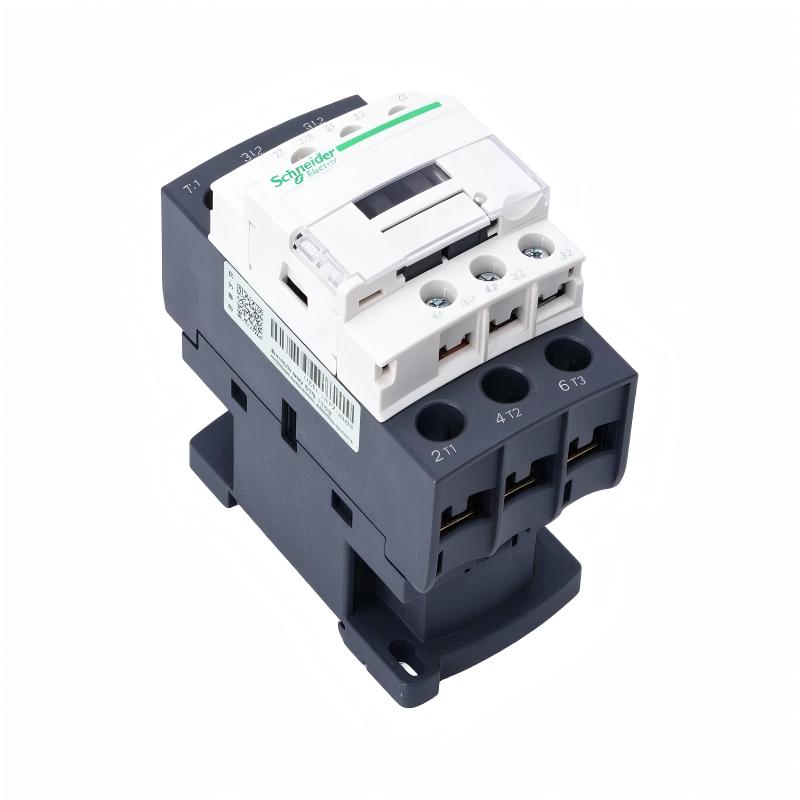
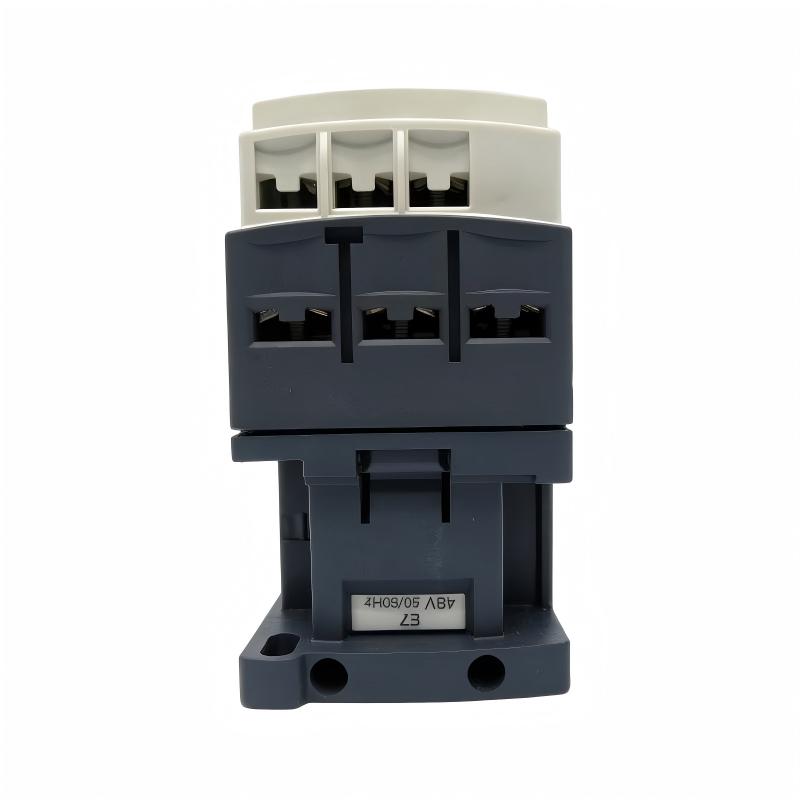
Brand:Schneider PLC Item No.:LC1D18E7 Product Origin:France Product Dimensions:77 x 45 x 86 mm Product Weight:0.33 kg Payment:T/T, Western Union, Credit Card Goods_stock:15 Shipping Port:Xiamen, China Lead Time:1-3 Days Condition:Brand New And Original Warranty:1 Year Certificate:COO
The Schneider LC1D18E7 TeSys D Contactor is an industrial switching component designed for motor control and electrical load management. It provides an electrically operated switching interface between a control circuit and a power circuit, making it suitable for a wide range of industrial machinery and automation applications.
Belonging to Schneider Electric's TeSys D contactor family, the LC1D18E7 is intended for installation in electrical control panels, motor starter assemblies, and machine control systems. Its compact design helps simplify panel integration, while its contactor architecture supports controlled switching during normal equipment operation.
When selecting this model for a new installation or replacement project, particular attention should be paid to the coil voltage, electrical load characteristics, and auxiliary contact requirements. Correct selection and installation help maintain dependable operation and reduce avoidable downtime.
Technical Specifications
Parameter
Specification
Brand
Schneider Electric
Model
LC1D18E7
Product Family
TeSys D
Product Type
Contactor
Product Category
Industrial Motor Control Component
Main Function
Electrical switching and motor control
Typical Applications
Motors, pumps, fans, conveyors, and industrial machinery
Coil Configuration
E7 coil version
Dimensions
77 × 45 × 86 mm
Weight
0.33 kg / 0.73 lb
Recommended Related Models
The following TeSys D contactors are useful reference models when evaluating alternative contactor configurations. Confirm coil voltage, contact arrangement, and electrical ratings before selecting a substitute.
Model
Product Type
LC1D09
TeSys D Contactor
LC1D12
TeSys D Contactor
LC1D18
TeSys D Contactor
LC1D25
TeSys D Contactor
LC1D32
TeSys D Contactor
LC1D38
TeSys D Contactor
Popular Related Models
Schneider LC1D09 TeSys D Contactor
Schneider LC1D12 TeSys D Contactor
Schneider LC1D18 TeSys D Contactor
Schneider LC1D25 TeSys D Contactor
Schneider LC1D32 TeSys D Contactor
Schneider LC1D38 TeSys D Contactor
Schneider LC1D40 TeSys D Contactor
Schneider LC1D50 TeSys D Contactor
Schneider LC1D65 TeSys D Contactor
Applications
Industrial Motor Control: Used for switching and controlling three-phase motors in industrial machinery, production equipment, and automated manufacturing systems.
Pumps and Water Systems: Suitable for motor control in water pumps, circulation systems, and industrial fluid-handling equipment.
HVAC Equipment: Supports the operation of motors in ventilation fans, air-handling units, and other commercial or industrial climate-control systems.
Conveyor Systems: Provides reliable electrical switching for conveyor drives and material-handling machinery.
Packaging Machinery: Integrates into control panels for packaging lines, processing equipment, and automated production stations.
Electrical Distribution Panels: Installed in motor control centers and industrial control cabinets as part of motor starter and switching circuits.
Advantages and Key Features
1. Compact Contactor Design
The LC1D18E7 features a compact structure that helps optimize available installation space in industrial control panels and electrical enclosures.
2. Reliable Switching Performance
Designed for frequent electrical switching in motor control applications, it supports stable operation when correctly selected for the connected load.
3. TeSys D Product Family
As part of Schneider Electric's TeSys D contactor range, this model is intended for integration into industrial motor control and automation systems.
4. Control Circuit Compatibility
The E7 coil designation identifies a specific coil voltage configuration. Confirm the control supply voltage before installation or replacement.
5. Flexible Panel Integration
Its standard contactor format makes it suitable for use in motor starters, control cabinets, and machine electrical assemblies.
6. Practical Maintenance and Replacement
Clear model identification helps maintenance personnel select the appropriate replacement component and verify compatibility with existing control circuits.
Technical FAQs
Q1: What is the primary function of the Schneider LC1D18E7?
The LC1D18E7 is an electromagnetic contactor designed to switch electrical power circuits. It is commonly used to control motors and other electrical loads through an external control circuit.
Q2: What does the LC1D18E7 model designation represent?
LC1D identifies the TeSys D contactor family, while the remaining characters identify the contactor rating and coil configuration. The complete reference should be checked when selecting a replacement.
Q3: What is the coil voltage of the LC1D18E7?
The E7 suffix identifies the coil version. Verify the exact rated control voltage against the product nameplate or the corresponding Schneider Electric technical documentation before connecting the coil.
Q4: Can the LC1D18E7 be used for three-phase motor control?
Yes. It is designed for motor-switching applications, including three-phase motor circuits, provided that the motor's operating current and utilization category are within the contactor's specified ratings.
Q5: Can this contactor be used for resistive loads?
Contactors can be selected for different load types, but the applicable utilization category and electrical ratings must be considered. Do not assume that motor-load and resistive-load ratings are interchangeable.
Q6: What should be checked before replacing an existing LC1D contactor?
Check the full model reference, coil voltage, main contact configuration, auxiliary contact requirements, rated operational current, and installation arrangement. Matching only the physical size is insufficient.
Q7: What may cause the contactor to fail to close?
Possible causes include an incorrect control voltage, an open control circuit, a damaged coil, loose wiring, or mechanical obstruction. Check the control circuit and coil supply before replacing the component.
Q8: Why might the contactor produce excessive noise or vibration?
Unusual noise may result from unstable coil voltage, contamination, mechanical wear, or problems with the magnetic circuit. Inspect the device and verify that the control supply meets its specified requirements.
Q9: Can the LC1D18E7 be integrated into an automatic control system?
Yes. It can be controlled through suitable relay outputs, PLC control circuits, or other industrial control devices, provided that the control output is compatible with the contactor coil requirements.
Q10: What maintenance checks help extend contactor service life?
Inspect terminal connections, wiring insulation, contact condition, signs of overheating, and mechanical operation. Always isolate the power supply and follow electrical safety procedures before inspection or maintenance.