Introduction
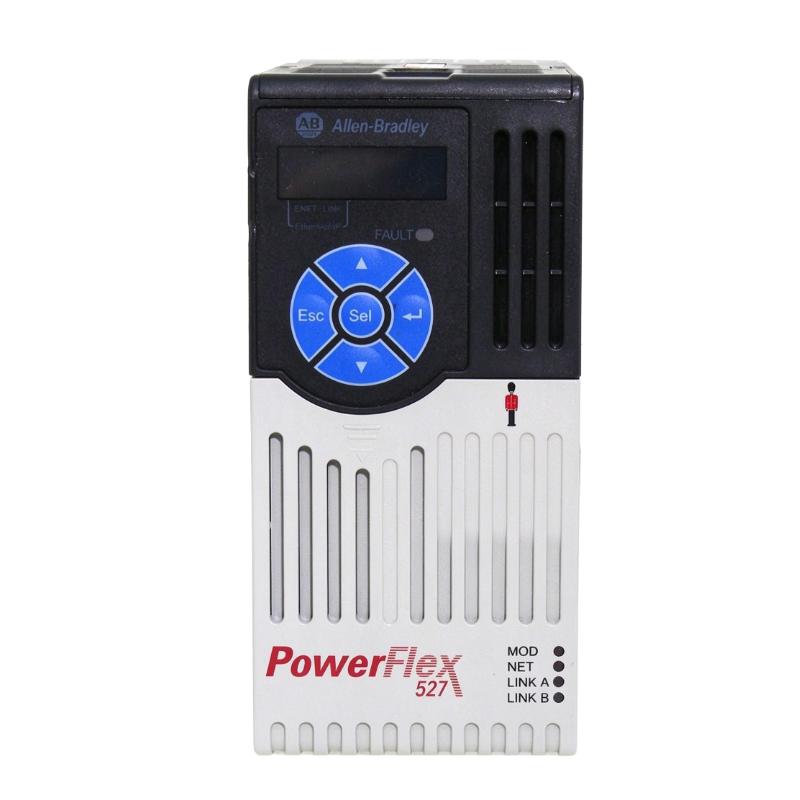
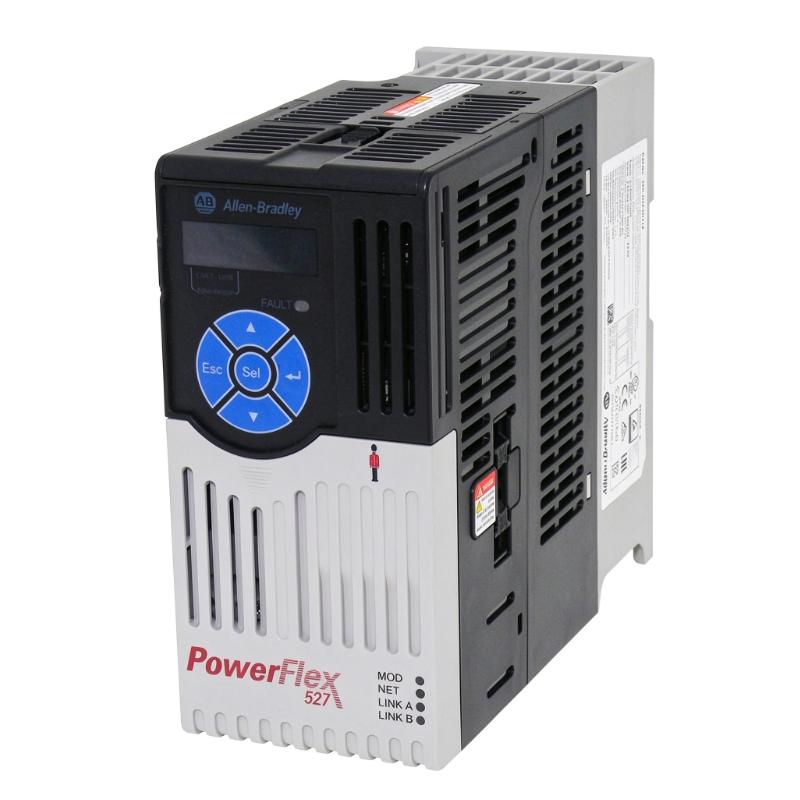
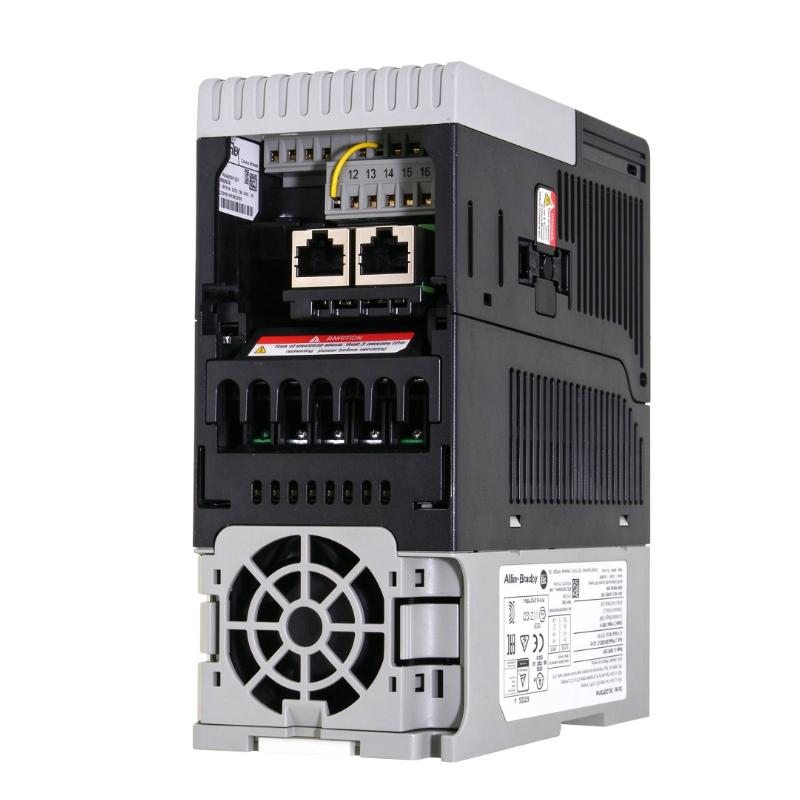
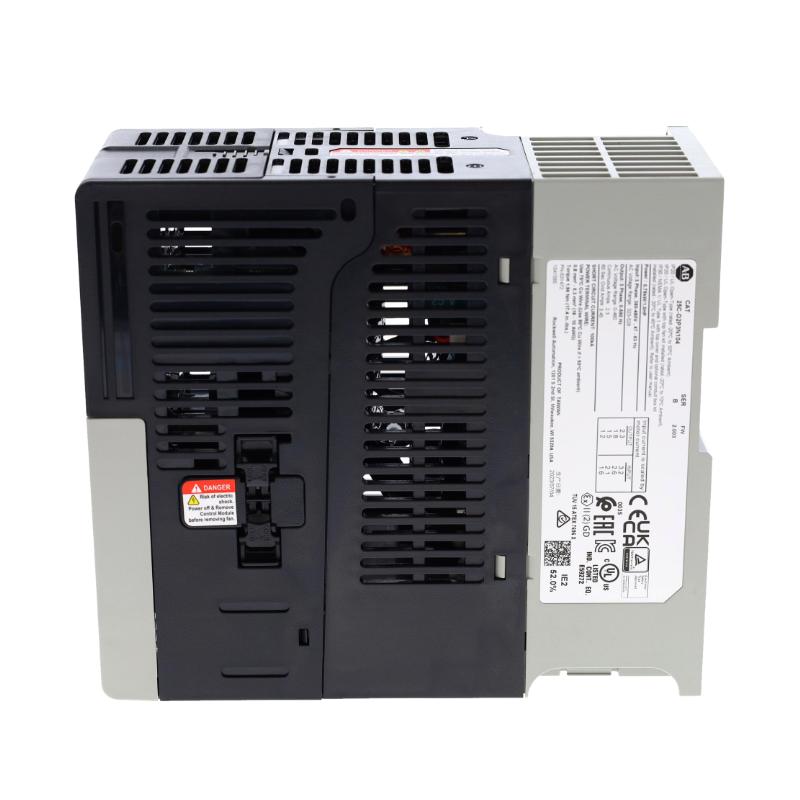
The Allen Bradley 25C-D2P3N104 PowerFlex 527 AC Drive is part of the PowerFlex 527 family, a drive platform developed for industrial machine applications that require variable-speed motor control and integration with modern automation systems.
By enabling controlled motor operation, the drive can help equipment respond to different production speeds and operating sequences. Its EtherNet/IP-based architecture supports communication with compatible Allen-Bradley Logix controllers, allowing drive operation to be incorporated into a coordinated machine-control strategy.
The 25C-D2P3N104 is a catalog number worth verifying carefully when purchasing replacement equipment or planning a system expansion. Confirm the electrical ratings, motor requirements, and control configuration against the original installation before commissioning.
Technical Specifications
Parameter | Specification |
|---|
Brand | Allen Bradley |
Model | 25C-D2P3N104 |
Product Series | PowerFlex 527 |
Product Type | AC Drive |
Communication Platform | EtherNet/IP |
Dimensions | 172 × 72 × 152 mm |
Weight | 1.1 kg / 2.43 lb |
Recommended Related Models
These models are from the PowerFlex 527 family and may be relevant when comparing drive configurations or sourcing equipment for related applications.
Model | Product Description |
|---|
25C-D017N104 | PowerFlex 527 AC Drive |
25C-D024N104 | PowerFlex 527 AC Drive |
25C-D024N114 | PowerFlex 527 AC Drive |
25C-D030N104 | PowerFlex 527 AC Drive |
25C-D037N104 | PowerFlex 527 AC Drive |
Popular Related Models
Model | Product Description |
|---|
25B-D2P3N104 | PowerFlex 525 AC Drive |
25B-D4P0N104 | PowerFlex 525 AC Drive |
25A-D2P3N104 | PowerFlex 523 AC Drive |
20F11NC2P1JA0NNNNN | PowerFlex 753 AC Drive |
20AD065A0AYNANC0 | PowerFlex 70 AC Drive |
22C-D260A103 | PowerFlex 400 AC Drive |
Technical FAQs
Q1: What is the function of the 25C-D2P3N104 PowerFlex 527 AC Drive?
It provides variable-speed control for compatible AC motors, allowing industrial equipment to adjust motor operation according to application requirements.
Q2: Which applications are suitable for this drive?
Potential applications include small conveyors, packaging equipment, pumps, fans, feeders, and other automated machinery. Final selection should be based on motor ratings and load characteristics.
Q3: Can the PowerFlex 527 communicate with a Logix controller?
The PowerFlex 527 family is designed to work with compatible Allen-Bradley Logix control systems through its EtherNet/IP-based architecture.
Q4: What communication protocol is used by the PowerFlex 527 series?
The series supports EtherNet/IP for communication with compatible controllers and automation devices.
Q5: What information should be checked before installation?
Verify the complete catalog number, drive input requirements, motor nameplate data, control architecture, enclosure conditions, and applicable installation instructions.
Q6: Why might a connected motor fail to respond to a start command?
Possible causes include missing control power, an active fault, an invalid start command, incorrect control configuration, an open safety circuit, or motor wiring problems.
Q7: What should be inspected if EtherNet/IP communication is interrupted?
Check the Ethernet cable and connectors, network switch, IP configuration, controller settings, and drive communication status. Also review network diagnostics for connection errors.
Q8: Can incorrect motor parameters affect drive performance?
Yes. Incorrect motor data or control settings can lead to poor speed regulation, unexpected current behavior, or drive faults. Confirm the motor nameplate information during commissioning.
Q9: What maintenance checks help keep the drive operating reliably?
Inspect electrical connections, cabinet ventilation, contamination, signs of overheating, and fault history. Maintenance should follow the manufacturer's instructions and site safety procedures.
Q10: What precautions are required before servicing the drive?
Isolate all power sources and follow lockout/tagout procedures. Wait for the DC bus to discharge as specified in the product documentation, then verify the absence of hazardous voltage before handling electrical connections.