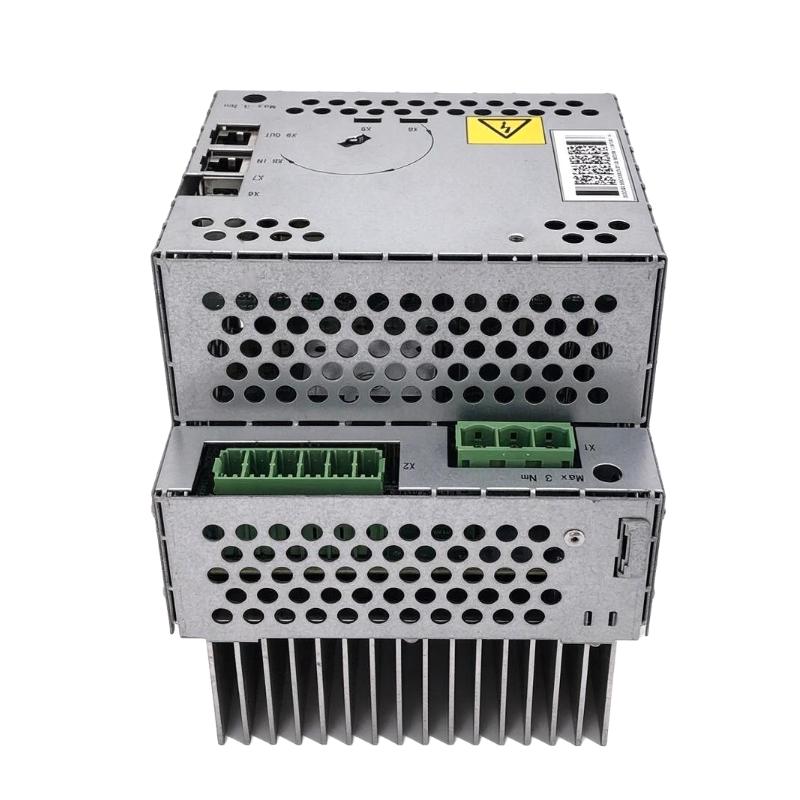
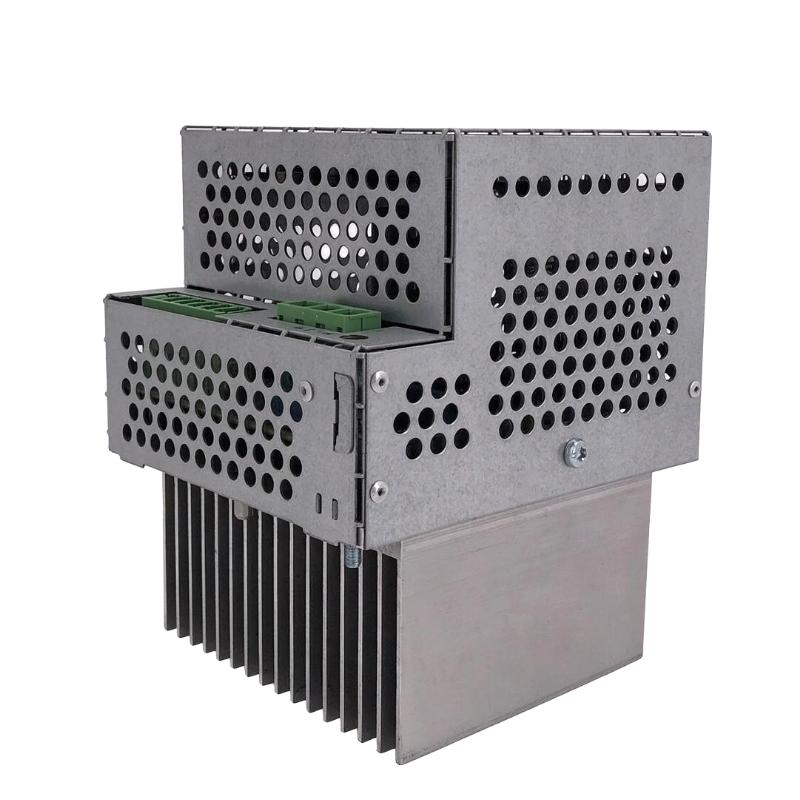
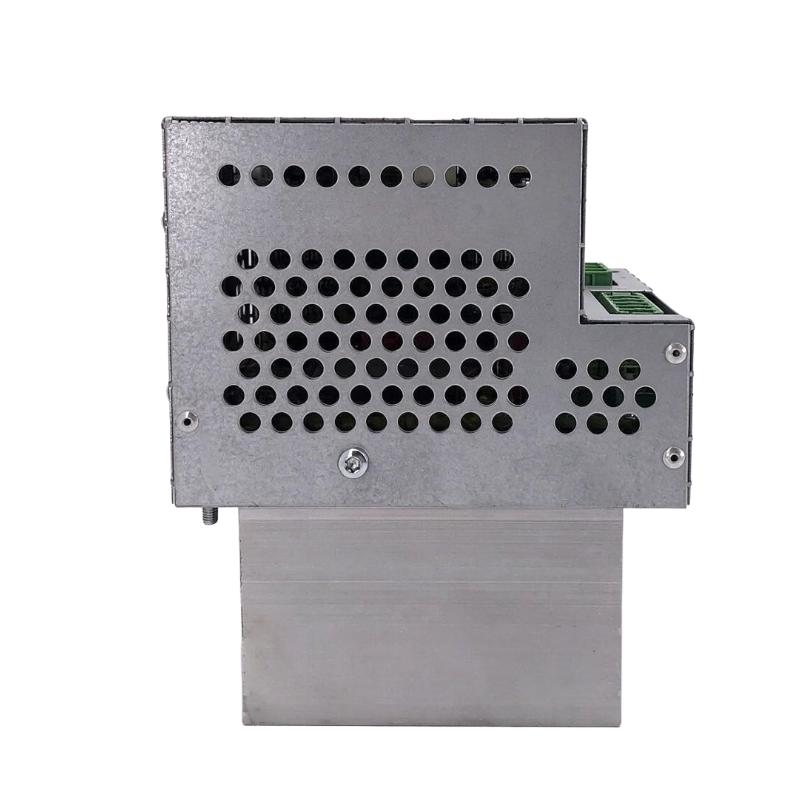
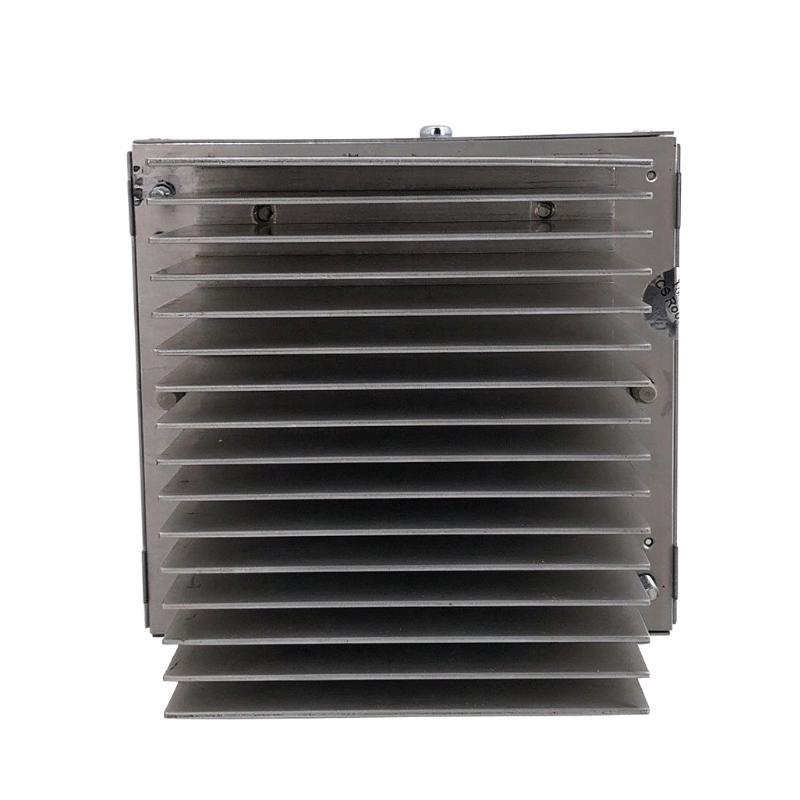
Brand:Schneider PLC Item No.:DSQC 664 Product Origin:Sweden (SE) Product Dimensions:179 x 140 x 150 mm Product Weight:2.36 kg Payment:T/T, Western Union, Credit Card Goods_stock:15 Shipping Port:Xiamen, China Lead Time:1-3 Days Condition:Brand New And Original Warranty:1 Year Certificate:COO
Introduction – An Important Component in ABB Robotic Drive Architecture
The ABB DSQC 664 3HAC030923-001 Drive Unit is an industrial automation component intended for compatible ABB robotic systems. It plays a role in the drive architecture responsible for supporting controlled robotic movement and reliable production operation.
In automated manufacturing, drive-system performance directly affects robot availability, motion consistency, and overall production efficiency. A malfunctioning drive component can interrupt an entire robotic process, making accurate replacement part selection an important part of maintenance management.
The DSQC 664 is a relevant sourcing option for industrial users maintaining existing ABB robotic installations. When purchasing this component, buyers should confirm the complete part number and hardware revision to ensure compatibility with their equipment.
We provide industrial automation components for maintenance, repair, and replacement requirements. Our product supply service focuses on accurate model identification, responsive communication, and support for customers sourcing discontinued or hard-to-find automation parts.
Technical Specifications – Product Data and Identification
Parameter
Specification
Brand
ABB
Model
DSQC 664
Part Number
3HAC030923-001
Product Type
Drive Unit
Product Category
Industrial Robot Drive Component
Application
ABB Robotic Automation Systems
Dimensions (L × W × H)
179 × 140 × 150 mm
Weight
2.36 kg (5.20 lb)
Product identification and system compatibility should be verified before ordering or installation.
Recommended Related Models – Compatible ABB Automation Components
For customers maintaining ABB robotic systems, the following models may also be relevant when sourcing replacement components and supporting automation equipment. Confirm compatibility with the specific robot and controller configuration before purchasing.
Model
Product Description
DSQC 1003
ABB Robot Controller Communication Board
DSQC 1024
ABB Robot Control Module
DSQC 1061
ABB Robot Safety Board
DSQC 352A
ABB Robot I/O Board
DSQC 505
ABB Robot Power Supply Unit
DSQC 639
ABB Robot Drive System Component
Popular Related Models – ABB Industrial Robot Spare Parts
The following ABB product models are also worth considering when maintaining robotic automation equipment and managing spare parts inventory.
Model
Product Description
DSQC 325
ABB Robot I/O Module
DSQC 346U
ABB Robot I/O Board
DSQC 350A
ABB Robot I/O Module
DSQC 500
ABB Robot Power Supply Module
DSQC 503
ABB Robot Power Supply Unit
DSQC 608
ABB Robot Drive Unit
DSQC 611
ABB Robot Drive Module
DSQC 663
ABB Robot Drive Unit
ABB DSQC 664 3HAC030923-001 is an important sourcing option for maintaining compatible ABB robotic drive systems. Selecting the correct replacement component and verifying system compatibility can help maintenance teams restore equipment operation and maintain production continuity.
Applications – Designed for Reliable Robotic Motion Control
The ABB DSQC 664 3HAC030923-001 Drive Unit is designed for use in ABB industrial robotic systems, where dependable drive control and coordinated motion are essential to maintaining production efficiency. As part of the robot's control and drive architecture, this unit supports the operation of robotic axes and contributes to stable motion performance.
Typical application areas include:
Industrial Robot Control: Used within ABB robotic control systems to support drive-related operations.
Automotive Manufacturing: Suitable for robotic production cells involving assembly, material handling, and component positioning.
Automated Material Handling: Supports robotic movements in loading, unloading, and transfer applications.
Welding and Fabrication: Used in robotic automation environments where consistent movement is important.
Production Line Automation: Helps maintain reliable operation in integrated manufacturing systems.
Whether used in an established robotic installation or as a replacement component during maintenance, the DSQC 664 provides a practical solution for maintaining ABB automation equipment.
Advantages – Key Benefits for Industrial Operation
1. Reliable Drive System Integration
Designed for ABB robotic control environments, the DSQC 664 supports integration into the corresponding drive architecture when the system configuration is compatible.
2. Consistent Motion Performance
Reliable drive operation helps maintain coordinated robotic movement, supporting repeatable production processes and stable equipment performance.
3. Suitable for Industrial Environments
Built for industrial automation applications, this unit is intended for use in demanding manufacturing environments where equipment reliability matters.
4. Maintenance-Friendly Replacement
For facilities maintaining existing ABB robotic systems, sourcing the correct DSQC 664 replacement unit can help simplify maintenance planning and reduce unnecessary equipment changes.
5. Improved Equipment Availability
Keeping compatible spare drive units available can help maintenance teams respond more efficiently to drive-related failures and minimize production interruptions.
6. Integration with ABB Automation Systems
Its application within ABB robotic equipment makes it a relevant component for facilities operating compatible ABB robot configurations.
Technical FAQs – Engineering and Maintenance Questions
Q1. What is the primary function of the ABB DSQC 664?
The DSQC 664 is a drive unit used in ABB robotic automation systems. It forms part of the robot's drive architecture and supports the operation of the associated motion-control system.
Q2. Is the DSQC 664 a standalone robot controller?
No. It should be regarded as a drive-system component rather than a complete robot controller. Its operation depends on the corresponding ABB control architecture and compatible system components.
Q3. What should be checked before installing a replacement DSQC 664?
Verify the complete part number, hardware revision, robot model, controller compatibility, and existing system configuration. Confirm that the replacement matches the original installation requirements.
Q4. What can cause a DSQC 664-related drive fault?
Possible causes include power supply abnormalities, electrical connection problems, communication interruptions, drive-system faults, or problems with associated motor and feedback circuits.
Q5. Can a DSQC 664 fault affect robot movement?
Yes. A drive-related fault may prevent the associated robot axis from operating correctly. Depending on the system configuration, the robot may stop, enter a fault state, or restrict movement.
Q6. Does replacing the DSQC 664 require system parameter verification?
Yes. After replacement, the relevant drive configuration, axis assignments, motor parameters, and system settings should be checked against the approved ABB configuration.
Q7. What should maintenance engineers inspect if communication is lost?
Check the communication connections, cable condition, connector seating, controller status, and associated drive-system diagnostics. Review the robot controller's fault history to identify the source of the interruption.
Q8. How can overheating problems be prevented?
Maintain adequate cabinet ventilation, inspect cooling arrangements, remove accumulated dust, and verify that the operating environment remains within the equipment's specified conditions.
Q9. Is it necessary to perform functional testing after replacement?
Yes. Appropriate commissioning checks should be completed before returning the robot to production. These should include drive status verification, alarm inspection, axis operation checks, and controlled motion testing.
Q10. What information helps identify the correct DSQC 664 replacement?
The most useful information includes the complete part number 3HAC030923-001, product designation DSQC 664, hardware revision, robot model, and controller configuration. Comparing the original unit's identification label helps reduce ordering errors.