Introduction
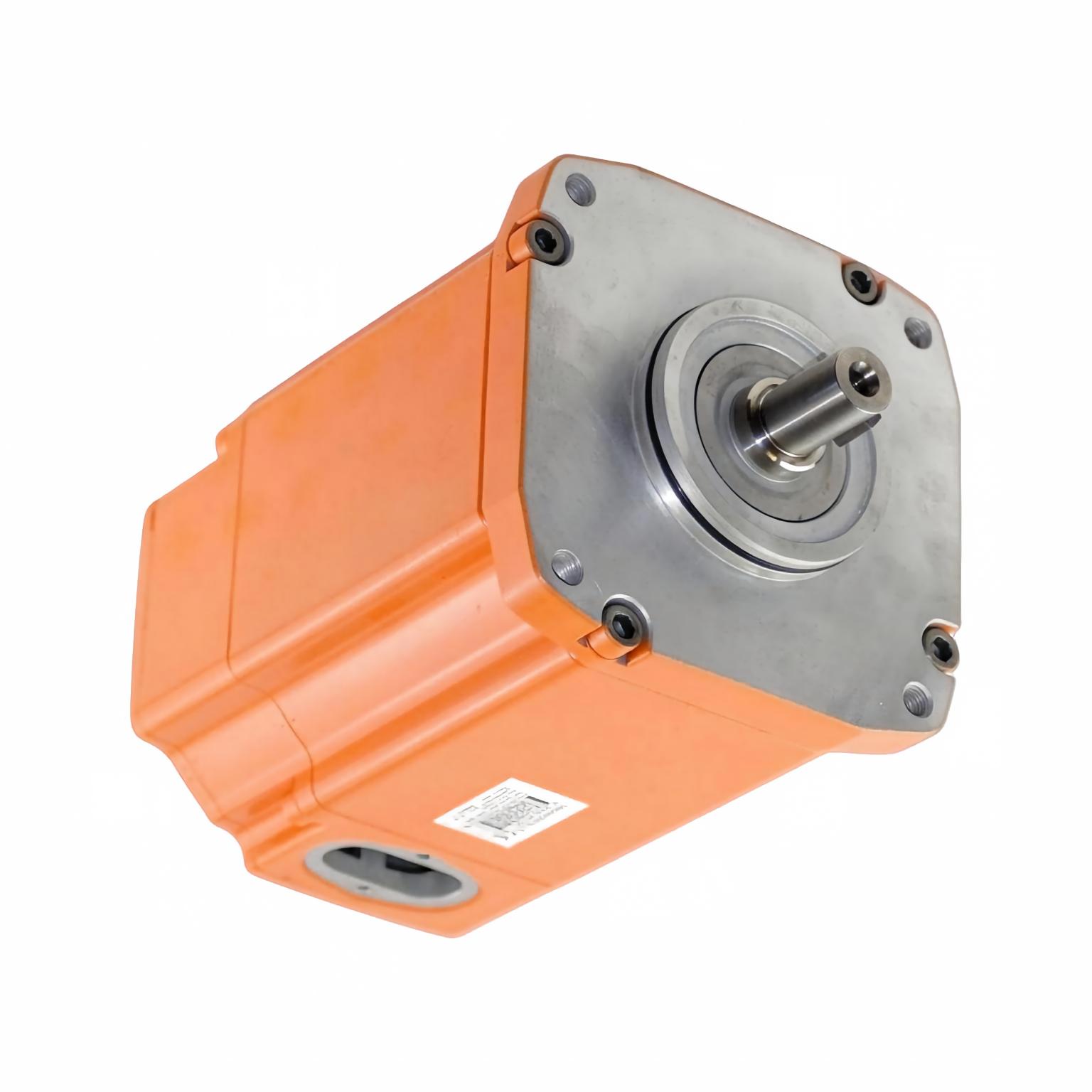
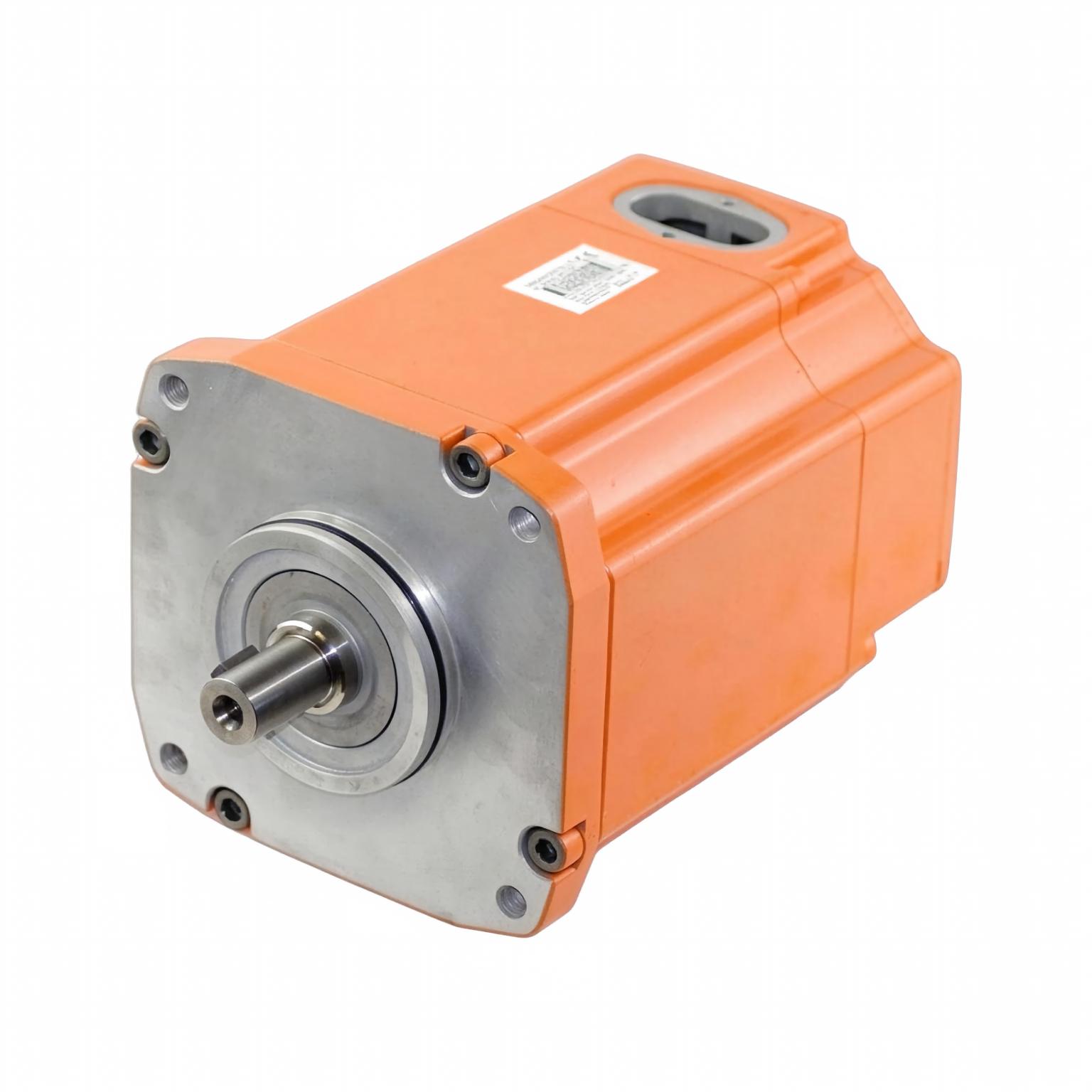
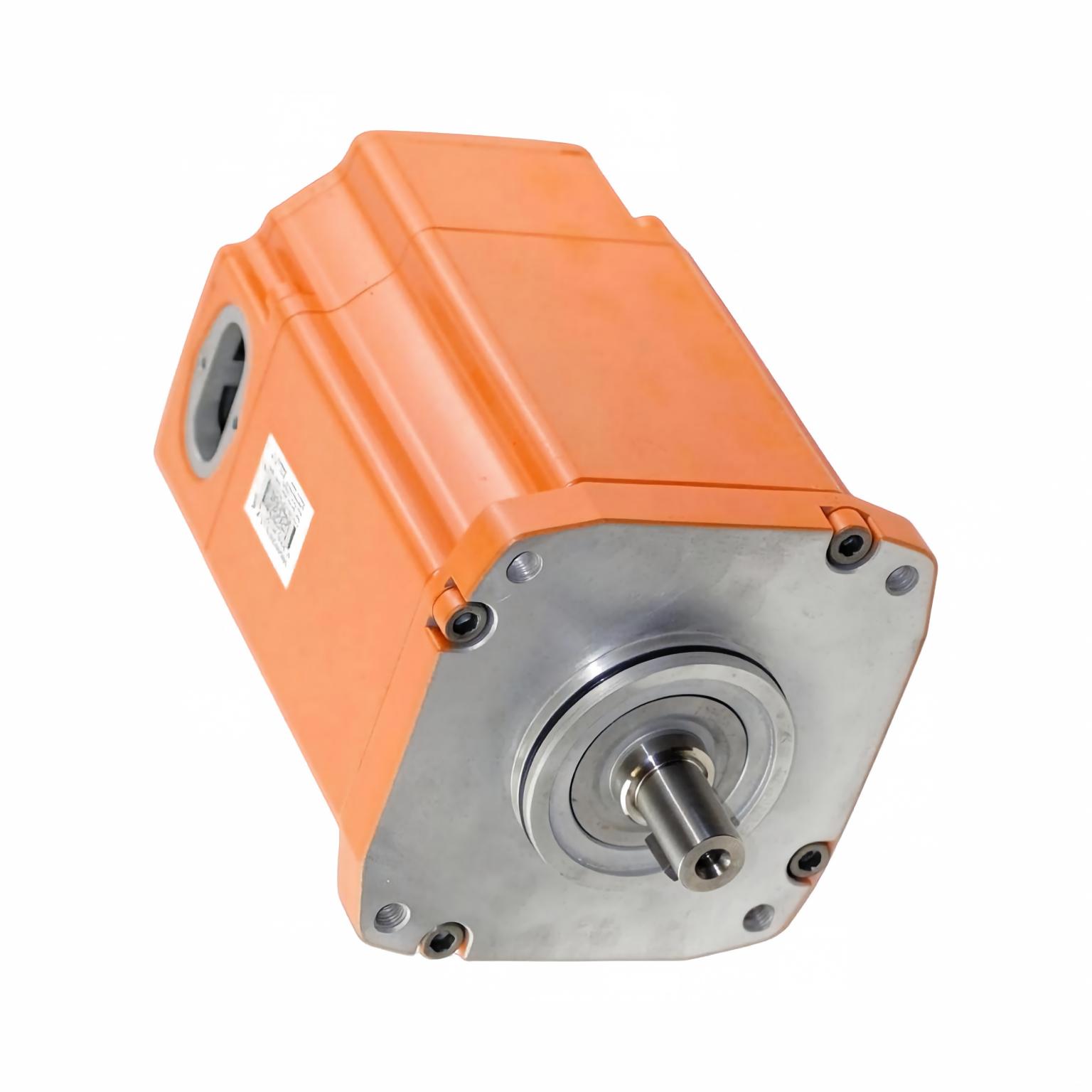
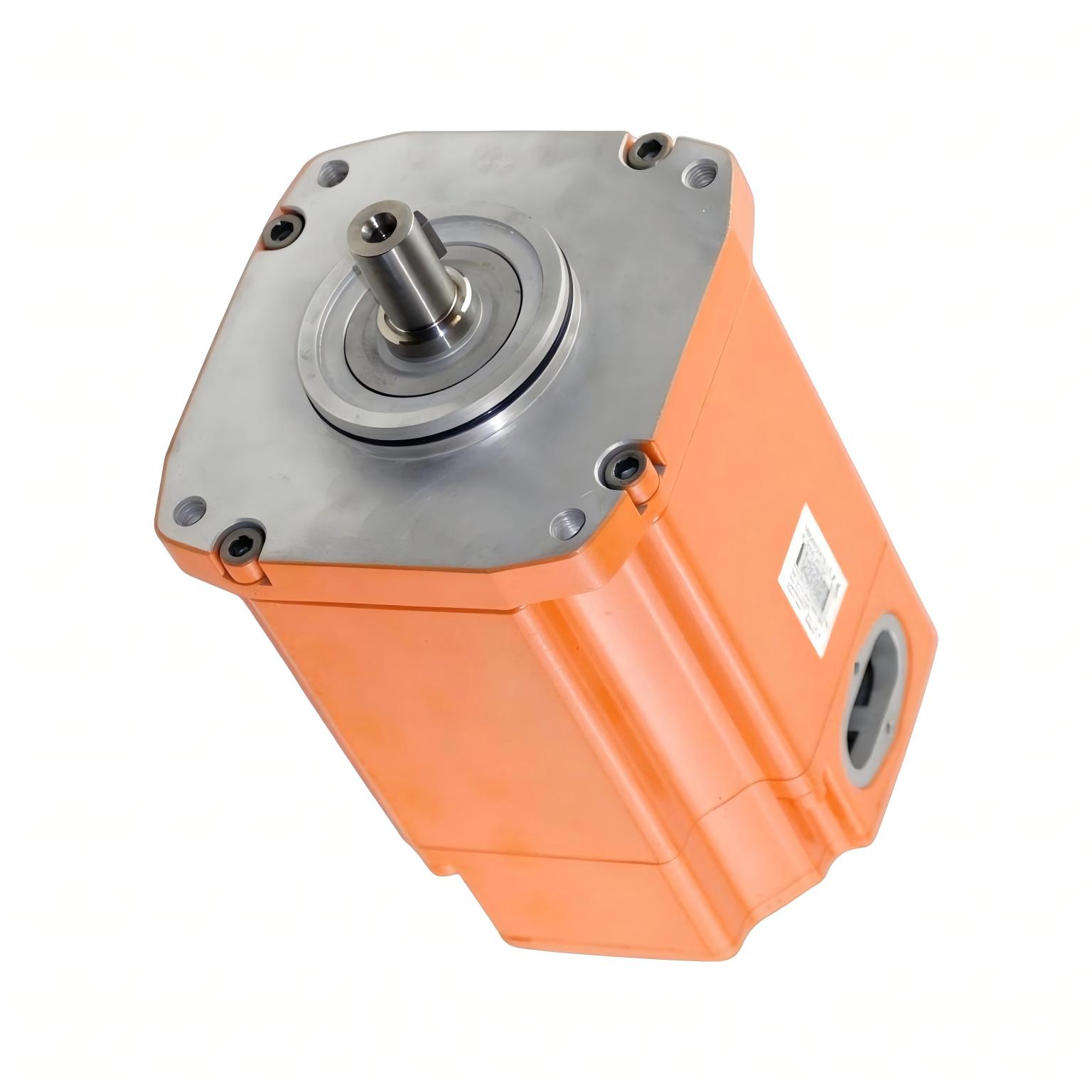
The ABB 3HAC14753-2 Rotating AC Motor is an industrial motion component developed for use in compatible robotic and automated machinery. As part of a machine's drive arrangement, it provides the rotary movement needed to support mechanical operations in production and industrial handling environments.
Choosing the correct motor replacement is important for maintaining the original equipment configuration. Even when two motors have similar model numbers or external dimensions, their electrical or mechanical characteristics may differ. Checking the complete part number and the original equipment documentation helps reduce the risk of installation problems.
For industrial maintenance departments, automation integrators, and spare-parts suppliers, the 3HAC14753-2 is a model-specific component to consider when supporting compatible ABB installations.
Technical Specifications
Parameter | Specification |
|---|
Brand | ABB |
Model | 3HAC14753-2 |
Product Type | Rotating AC Motor |
Dimensions | 330 × 180 × 180 mm |
Weight | 27.66 kg (60.98 lb) |
Recommended Related Models
The following ABB motor models are relevant references for industrial robotic and automation maintenance. Confirm the specific application and replacement compatibility before ordering.
Model | Product Description |
|---|
3HAC14753-1 | Rotating AC Motor |
3HAC14751-1 | Rotating AC Motor (Including Pinion) |
3HAC14751-2 | Rotating AC Motor (Including Pinion) |
3HAC057432-001 | AC Servo Motor |
3HAC15990-1 | Motor (Including Pinion Gear) |
Popular Related Models
Model | Product Description |
|---|
3HAC023533-007 | Motor (Including Pinion Gear) |
3HAC033224-003 | Motor (Including Pinion Gear) |
3HAC033209-001 | Rotating AC Motor |
DSQC 664 3HAC030923-001 | ABB Drive Unit |
DSQC 669 3HAC027652-001 | ABB Ethernet Unit |
For replacement planning, verify the complete 3HAC14753-2 part number and the motor's electrical and mechanical requirements against the original equipment documentation.
Technical FAQs
Q1: What is the ABB 3HAC14753-2 Rotating AC Motor used for?
It is an industrial rotating AC motor intended for compatible automation machinery and robotic motion applications.
Q2: How does a rotating AC motor support robotic movement?
The motor converts electrical energy into mechanical rotation, which is transferred through the machine's drive mechanism to produce movement.
Q3: Can this motor be installed in any ABB robotic system?
No. Compatibility depends on the specific robot model, mounting arrangement, electrical characteristics, and drive configuration.
Q4: What should be verified before replacing an existing motor?
Check the complete part number, mounting interface, shaft arrangement, electrical connections, and the specifications of the associated drive system.
Q5: Does the motor need a compatible drive unit?
Yes. The motor must operate with a suitable drive and control arrangement specified for the original equipment. Confirm the approved configuration before installation.
Q6: What could cause the motor not to respond to a start command?
Possible causes include power-supply interruptions, wiring faults, drive alarms, incorrect control signals, or mechanical obstruction.
Q7: What are common causes of abnormal motor vibration?
Loose mounting hardware, shaft misalignment, mechanical imbalance, bearing deterioration, and problems in connected components can contribute to vibration.
Q8: How should motor overheating be diagnosed?
Inspect the operating load, ventilation, electrical connections, drive parameters, and mechanical resistance. Follow the manufacturer's troubleshooting procedures.
Q9: What maintenance checks are recommended?
Periodically inspect electrical connections, mounting security, operating temperature, vibration, and the condition of connected mechanical components according to the equipment maintenance schedule.
Q10: Can the 3HAC14753-2 replace the 3HAC14753-1?
The similar model numbers do not establish interchangeability. Confirm the manufacturer's specifications, electrical characteristics, mounting details, and equipment compatibility before considering a substitution.