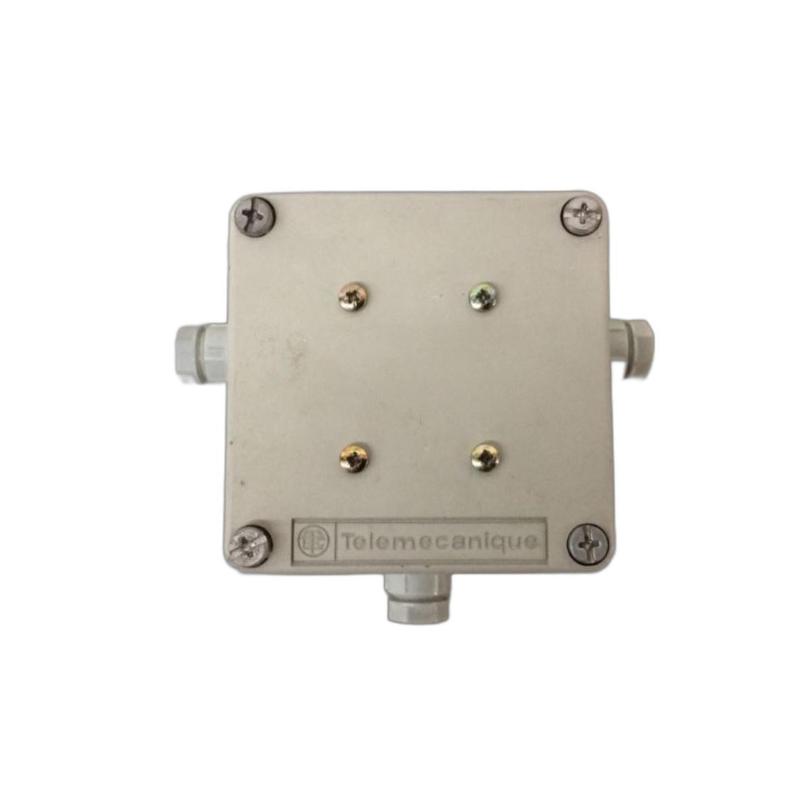
The Schneider EGX100MG Modbus Gateway is an essential solution for integrating Modbus-based devices with Ethernet networks in industrial environments. It serves as a reliable and efficient interface for enabling communication between Modbus RTU devices (such as meters, sensors, and controllers) and Ethernet-enabled systems like SCADA, HMIs, or PLCs. Whether you're in energy management, building automation, or industrial control, the EGX100MG ensures smooth and secure data transmission, supporting real-time monitoring and control across various systems.
With its easy installation, secure communication protocols, and flexible configuration options, the EGX100MG simplifies the connection of Modbus devices to modern Ethernet-based infrastructures. This gateway is ideal for applications where data exchange between different protocols and networks is required, enabling users to gain better control and visibility over their systems.
Technical Specifications
| Specification | Details |
|---|---|
| Model | Schneider EGX100MG Modbus Gateway |
| Supported Protocols | Modbus RTU, Modbus TCP/IP |
| Ethernet Port | 10/100 Mbps Ethernet (RJ45) |
| Serial Port | 1 x RS-485 (Modbus RTU) |
| Power Supply | 12-24V DC, 500mA (via Terminal Block) |
| Dimensions | 4.5 x 3.0 x 1.2 inches (115 x 77 x 30 mm) |
| Weight | 0.3 lbs (0.14 kg) |
| Mounting | DIN Rail Mountable |
| Operating Temperature | -20°C to 60°C (-4°F to 140°F) |
| Certifications | UL Listed, CE Certified, RoHS compliant |
Recommended Related Models
-
Schneider EGX300 – High-performance Modbus Gateway with enhanced communication features
-
Schneider EM6430 – Multi-channel energy meter with Modbus RTU and TCP/IP support
-
Schneider BMXNOE0100 – Modicon X80 Communication Module for EtherNet/IP
Popular Schneider Models
-
Modicon M580 – High-performance Ethernet-enabled PLC with integrated I/O and Ethernet networking
-
Modicon TM3 – Modular I/O for compact and distributed control systems
-
Schneider PowerLogic ION9000 – Advanced energy meter for monitoring and power quality analysis