Yokogawa Electric

  1. Home
  2. Products
  3. Yokogawa Electric
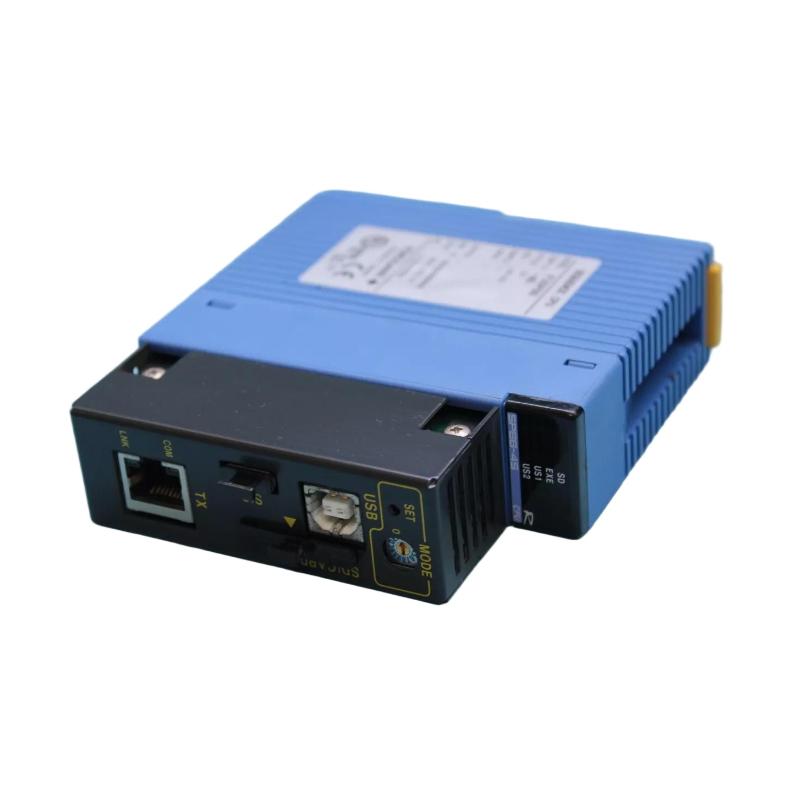
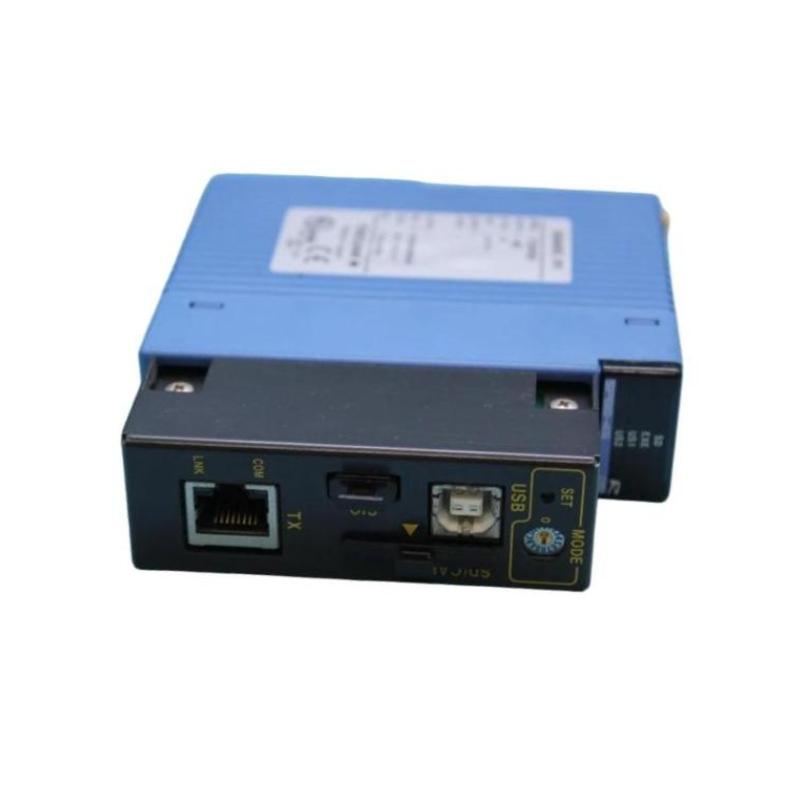
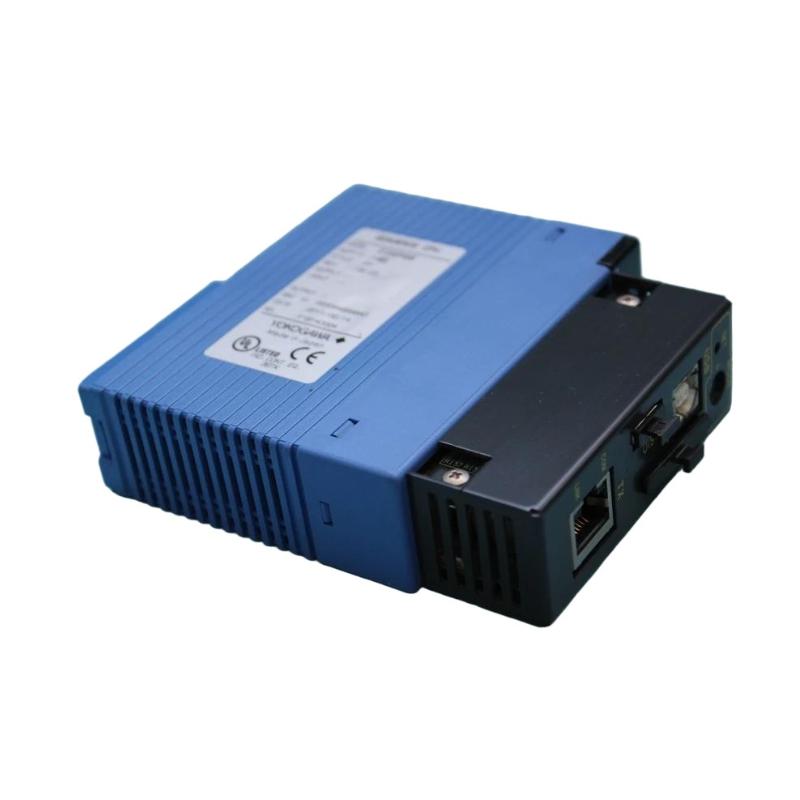
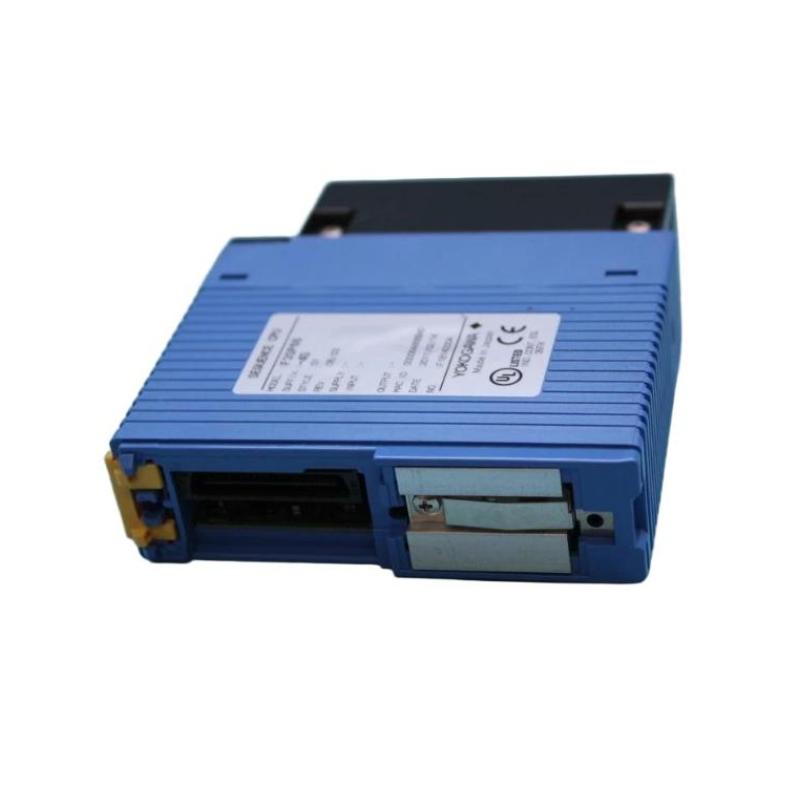
  4. Yokogawa F3SP66-4S Sequential CPU Module
Yokogawa F3SP66-4S Sequential CPU Module

Yokogawa F3SP66-4S Sequential CPU Module

0.0
Points

Brand:Yokogawa Electric
Item No.:F3SP66-4S
Product Origin:Japan
Product Dimensions:28.9 x 100 x 113.2 mm
Product Weight:0.22 kg
Payment:T/T, Western Union, Credit Card
Goods_stock:15
Shipping Port:Xiamen, China
Lead Time:1-3 Days
Condition:Brand New And Original
Warranty:1 Year
Certificate:COO

Add to cart

Introduction

The Yokogawa F3SP66‑4S Sequential CPU Module is a dedicated processing unit designed to execute sequential and state‑based control logic in automated systems. It manages complex step workflows, interlocks, and safety sequences within Yokogawa F3 series architectures. With real‑time diagnostic capability and seamless integration into the F3 platform, this module enhances automation performance and system reliability across a wide range of industrial applications.


Technical Specifications

FeatureSpecification
Product TypeSequential CPU Module
ModelF3SP66‑4S
FunctionSequential control and logic execution
Dimensions28.9 × 100 × 113.2 mm
Weight0.22 kg
CompatibilityYokogawa F3 series systems
Environmental ToleranceIndustrial automation environments

Recommended Related Models

  • Yokogawa F3SP66‑2S – Sequential CPU module optimized for mid‑range control tasks

  • Yokogawa F3SP28‑4S – Standard CPU module with extended control capabilities

  • Yokogawa F3SP66‑8S – High‑performance sequential processor for complex systems

  • Yokogawa F3SL66 – Redundant sequential CPU configuration module


Popular Related Models

  • Yokogawa F3SP66‑4S‑CN – China‑standard compliant version of this sequential CPU module

  • Yokogawa F3SP28‑1S – Base CPU module for general F3 applications

  • Yokogawa F3SP28‑3S – Standard sequencing and control CPU for F3 systems

  • Yokogawa F3SP66‑2S‑CN – Mid‑range sequential CPU with CN compliance

Applications

  • Sequential Control Systems: Executes sequential logic for automated process sequences and interlocks.

  • Distributed Control Architectures: Acts as a dedicated CPU within Yokogawa F3 series control systems.

  • Machine & Production Line Automation: Manages step‑based operations and interdependent control sequences.

  • Process Monitoring & Diagnostics: Provides system status, event logging, and real‑time diagnostic functions.

  • Safety‑Critical Operations: Supports programmed sequences for safety interlocks and controlled transitions.


Advantages

  • Designed specifically to deliver dependable sequential control for complex automation tasks.

  • Seamlessly integrates with Yokogawa F3 series I/O and communication modules.

  • Supports real‑time management of sequences, timers, and state transitions.

  • Enhances system responsiveness and operational repeatability in automated applications.

  • Built to Yokogawa’s quality standards for long‑term industrial reliability.


Technical FAQs

  1. What is the main purpose of the F3SP66‑4S module?
    It executes sequential control logic and state‑based control routines within F3 systems.

  2. Which systems is it compatible with?
    Designed for use with Yokogawa F3 series automation and distributed control platforms.

  3. Can it manage interlock logic and safety sequences?
    Yes, it supports programmed interlocks and safety‑related sequence control.

  4. Is it suitable for continuous industrial operation?
    Yes, it is engineered for reliable 24/7 performance in industrial environments.

  5. Does it support real‑time diagnostics?
    Yes, it provides status feedback and supports event logging for diagnostics.

  6. Does it integrate with other control modules?
    Yes, it interfaces seamlessly with I/O, communication, and control modules within the F3 ecosystem.

  7. Can it handle complex sequencing tasks?
    Yes, it is optimized for step‑based logic, transitions, and timed operations.

  8. Is specialized configuration software required?
    Yes, Yokogawa engineering tools are typically used for logic configuration and deployment.

  9. Can it support redundant configurations?
    Redundancy support depends on the overall system architecture; consult system design guidelines.

  10. Is it robust enough for demanding applications?
    Yes, it is engineered for stability and durability in industrial automation environments.


Look forward to your comments!Comment
Latest comments
Tags:
Need Assistance? Chat with Us on WhatsApp!
Need Assistance? Click to Inquire
Back to top