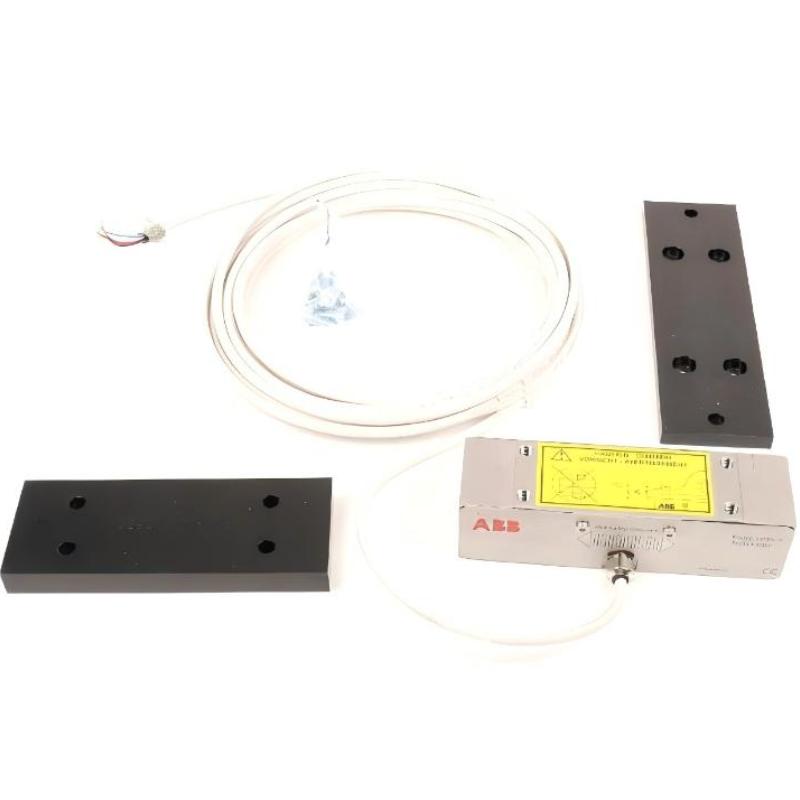
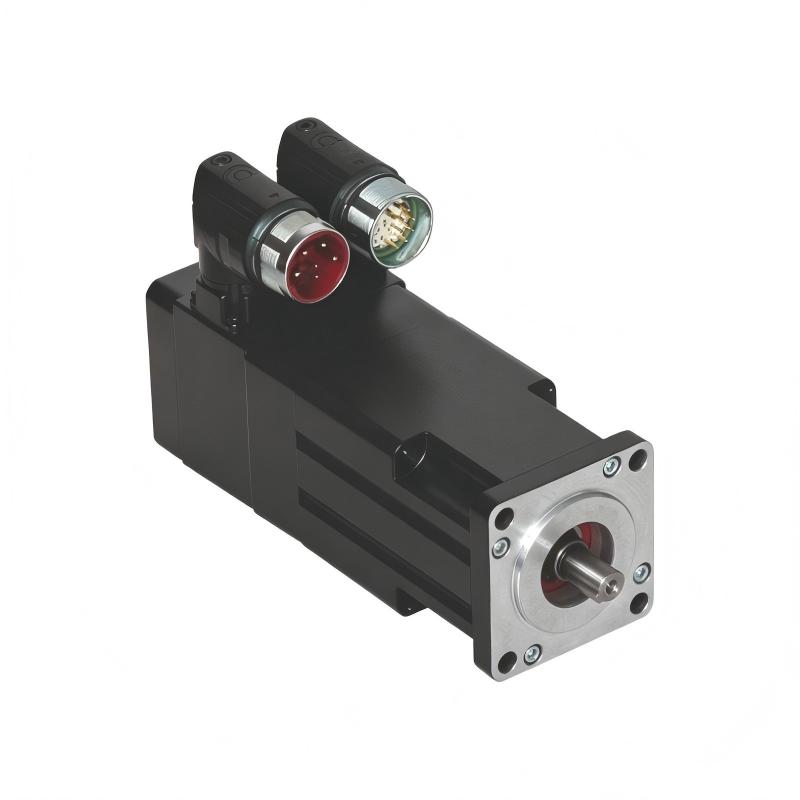
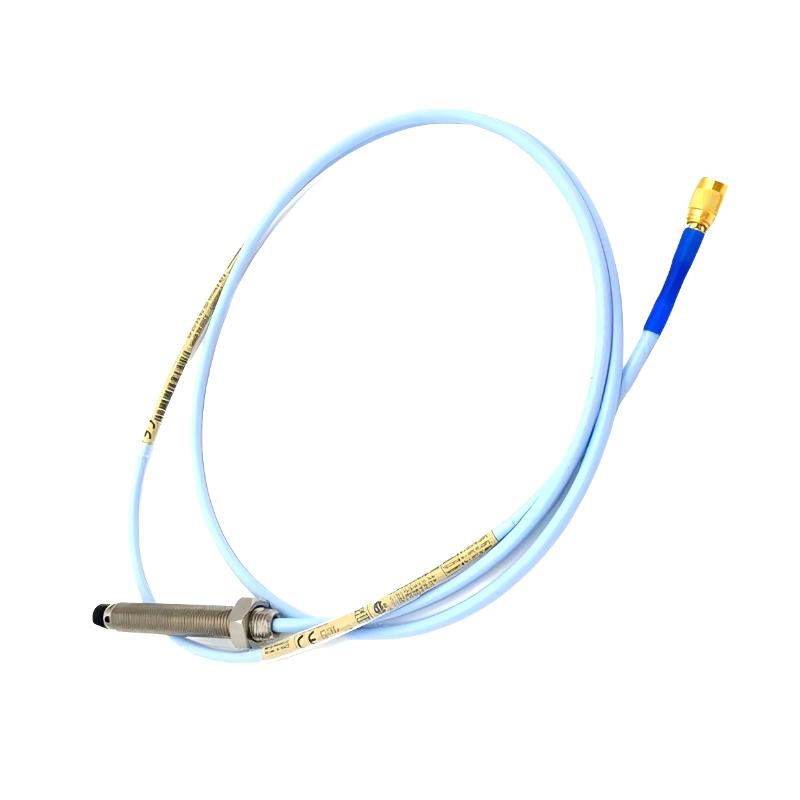
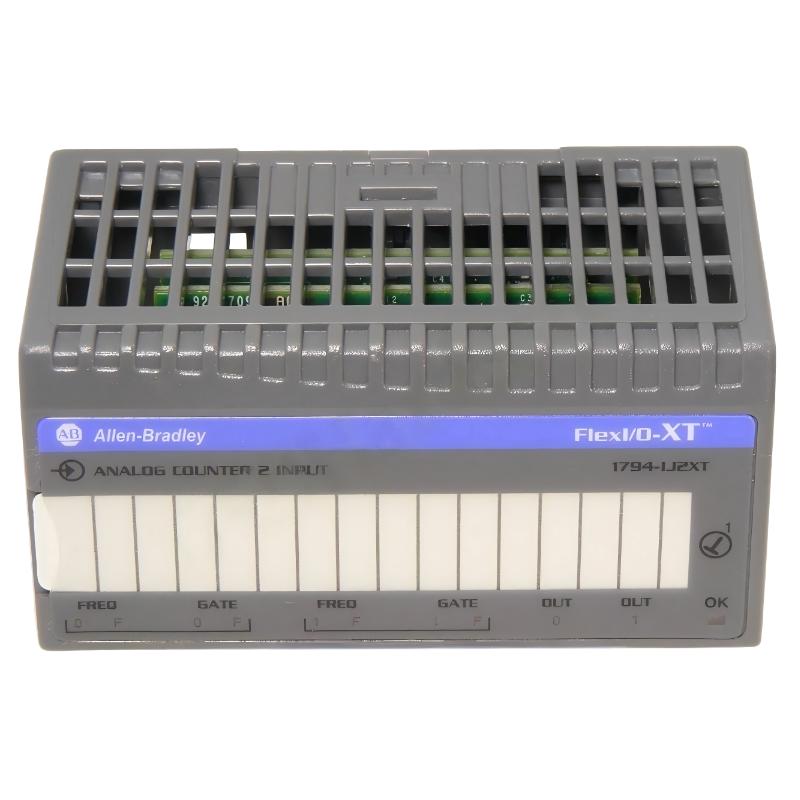
Brand:ABB PLC Item No.:PFTL301E-0.2KN Product Origin:Sweden (SE) Product Dimensions:117 x 129.8 x 387 mm Product Weight:5.75 kg Payment:T/T, Western Union, Credit Card Goods_stock:15 Shipping Port:Xiamen, China Lead Time:1-3 Days Condition:Brand New And Original Warranty:1 Year Certificate:COO
The ABB PFTL301E-0.2KN 3BSE019050R200 Weighing Sensor is part of ABB’s advanced force measurement portfolio, engineered for accurate web tension control. Built for industrial durability and precise measurement, it ensures stable performance in automated manufacturing environments where reliability directly impacts product quality.
ABB PFTL201C-0.5KN 3BSE007913R500 – Compact force measurement sensor
Where It Performs Best
The ABB PFTL301E-0.2KN 3BSE019050R200 Weighing Sensor is designed for precise low-force measurement in demanding industrial applications. It is commonly used in:
Web tension control systems
Paper and pulp production lines
Steel and aluminum strip processing
Cable and wire manufacturing equipment
Printing and converting machinery
Coating and laminating systems
Key Performance Benefits
Optimized 0.2 kN Measuring Range – Perfect for sensitive web tension applications
Industrial-Grade Construction – Withstands mechanical stress and vibration
Excellent Repeatability – Delivers consistent readings over long production cycles
Reliable Signal Integrity – Ensures precise feedback for closed-loop control
Compact Industrial Design – Easy to integrate into tight machinery layouts
Technical FAQs
1. What is the nominal measuring capacity?
The rated measuring capacity is 0.2 kN.
2. Is the sensor suitable for continuous industrial use?
Yes, it is designed for continuous operation in automated environments.
3. Which industries commonly use this model?
Paper mills, metal processing plants, and web handling systems.
4. Does it support integration with ABB drive systems?
Yes, fully compatible with ABB tension control and automation platforms.
5. What type of signal output does it provide?
It uses a strain gauge-based industrial signal output.
6. Can it operate under vibration?
Yes, its design maintains stable readings in vibrating machinery.
7. Is temperature variation compensated?
Yes, built-in compensation maintains measurement stability.
8. How often should calibration be checked?
Calibration intervals depend on plant standards; routine inspection is recommended.
9. What is the advantage of the 0.2 kN range?
High sensitivity for low-tension measurement applications.
10. Is it suitable for high-speed production lines?
Yes, it provides reliable real-time feedback for dynamic control systems.