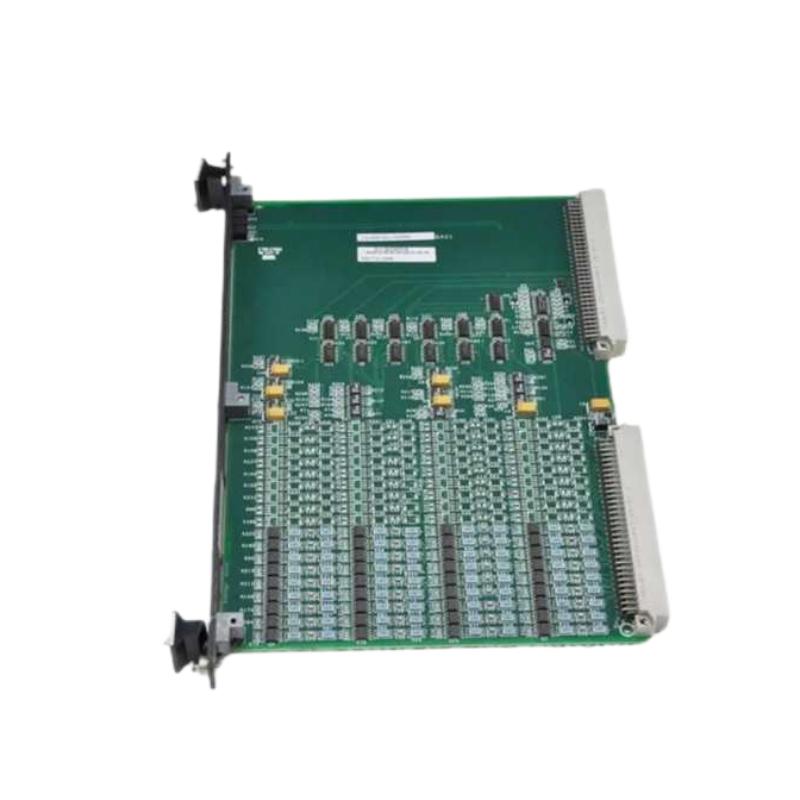

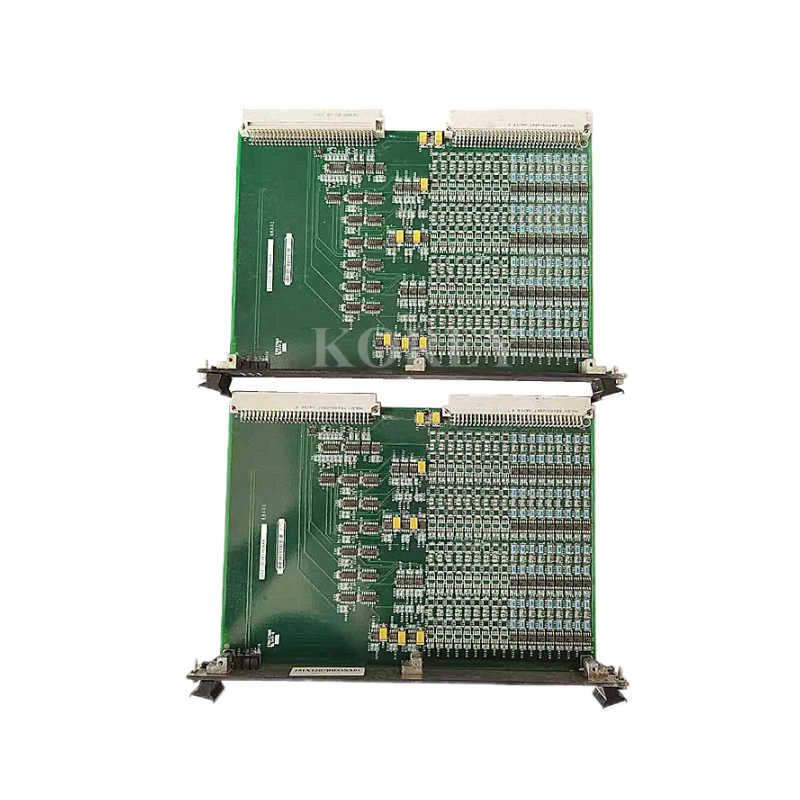
The GE IS200ESELH2A is a high-reliability Exciter Selector Board Module developed for integration within GE EX2100 excitation systems and Mark VI turbine control platforms. This board is responsible for managing redundant excitation control paths, allowing seamless switching between controllers in dual or triple modular redundant (TMR) architectures.
In power generation environments where downtime is not acceptable, the IS200ESELH2A ensures uninterrupted excitation regulation by securely routing control signals between active and standby channels. Its design reflects GE’s long-standing expertise in excitation and turbine automation systems.
Technical Specifications
| Parameter | Specification |
|---|---|
| Model | IS200ESELH2A |
| Module Type | Exciter Selector Board |
| System Compatibility | EX2100 / Mark VI |
| Function | Redundant excitation channel selection & signal routing |
| Redundancy Support | Dual / TMR architectures |
| Installation | Rack-mounted within excitation control cabinet |
| Signal Type | Low-level control and routing signals |
| Operating Environment | Industrial control cabinet conditions |
| Dimensions (L × W × H) | 250 × 120 × 30 mm (approx.) |
| Weight | 0.85 kg (approx.) |
Dimensions are provided in combined L × W × H format for installation planning.
Compatible & Recommended Modules
For a complete excitation control assembly, this board is commonly paired with:
-
IS200EPSMG1A – Excitation Power Supply Module
-
IS200EACFG3A – AC Feedback Board
-
IS200EDCFG1B – DC Feedback Board
-
IS200DSPXH1D – Digital Signal Processor Control Board
-
IS200EMIOH1A – Main I/O Interface Board
These modules together provide voltage regulation, signal processing, and system diagnostics.
Frequently Deployed GE Mark VI / EX2100 Boards
Installations utilizing the IS200ESELH2A often include:
-
IS200ERBPG1A – Remote I/O Backplane Board
-
IS200EHPAG1A – Gate Pulse Amplifier Board
-
IS200EDEXG1B – Excitation Expansion Board
-
IS200EBKPG1C – Backplane Interface Module
-
IS200DRLYH1B – Relay Output Terminal Board
These components collectively support turbine protection, excitation control, and distributed I/O management.