GE Fanuc PLC

  1. Home
  2. Products
  3. GE Fanuc PLC
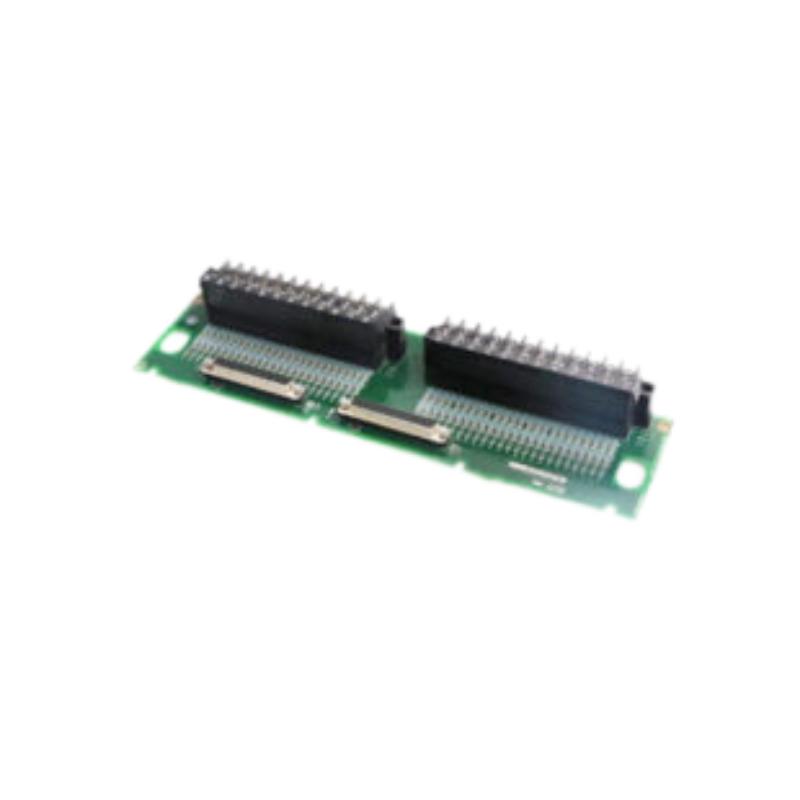
  4. GE IS200TBTCH1C Terminal Board for Turbine Control Signal Interface in Mark VI Systems
GE IS200TBTCH1C Terminal Board for Turbine Control Signal Interface in Mark VI Systems

GE IS200TBTCH1C Terminal Board for Turbine Control Signal Interface in Mark VI Systems

0.0
Points

Brand:GE Fanuc PLC
Item No.:GE IS200TBTCH1C
Product Origin:USA
Product Dimensions:260 × 140 × 40 mm
Product Weight:0.95 kg
Payment:T/T, Western Union, Credit Card
Goods_stock:15
Shipping Port:Xiamen, China
Lead Time:1-3 Days
Condition:Brand New And Original
Warranty:1 Year
Certificate:COO

Add to cart

IS200TBTCH1CBB

IS200TBTCH1CBBIS200TBTCH1CIS200TBTCH1C

The GE IS200TBTCH1C Terminal Board is a dedicated turbine control interface module engineered for use within GE Mark VI control systems. Designed to serve as a structured field wiring termination and signal distribution board, the IS200TBTCH1C provides secure routing of discrete control signals between turbine field devices and the system’s I/O processing modules.

In turbine automation environments where signal integrity and structured wiring are essential, this terminal board ensures stable connectivity, organized cable management, and reliable signal handoff to control processors. Its robust construction and precise layout support long-term performance in high-vibration, high-EMI industrial power applications.


Technical Specifications

ParameterSpecification
ModelIS200TBTCH1C
BrandGE
Module TypeTurbine Control Terminal Board
System CompatibilityMark VI Control System
Primary FunctionField wiring termination & signal distribution
Supported SignalsDiscrete turbine control & monitoring signals
Connection TypeIndustrial terminal blocks
InstallationCabinet-mounted, rack-integrated
Environmental ClassIndustrial control cabinet environment
Dimensions (L × W × H)260 × 140 × 40 mm (approx.)
Weight0.95 kg (approx.)

Recommended Related Models

For a complete Mark VI turbine control architecture, the IS200TBTCH1C is often installed alongside:

  • IS200DSPXH1D – Digital Signal Processor Control Board

  • IS200STCIH2A – Status & Timing Control Input Module

  • IS200STAOH2A – Status & Timing Output Module

  • IS200ERBPG1A – Excitation Backplane Board

  • IS200TBCIH1B – Breaker Contact Input Module

These components collectively support signal processing, protection logic, and turbine sequencing.


Popular GE Mark VI Modules

Common modules found within GE turbine control cabinets include:

  • IS200EACFG3A – AC Feedback Conditioning Board

  • IS200EDCFG1B – DC Feedback Board

  • IS200EXHSG3A – High-Speed Gate Control Board

  • IS200DRLYH1B – Relay Output Terminal Board

  • IS200IGPAG2A – IGBT Gate Pulse Amplifier

These modules are widely implemented in power plants and heavy industrial turbine installations worldwide.
Industrial Applications

The IS200TBTCH1C is typically deployed in:

  • Gas and steam turbine control cabinets

  • Generator protection and monitoring systems

  • Power plant distributed control environments

  • Turbine auxiliary system signal routing

  • Breaker and field device termination assemblies

Its structured terminal layout enhances safety, simplifies troubleshooting, and supports efficient maintenance procedures.


Key Advantages

Structured Field Wiring Management
Provides organized termination points for turbine field signals.

High Reliability in Harsh Environments
Built for power plant conditions with strong mechanical stability.

Improved Signal Integrity
Reduces wiring errors and supports clean signal routing.

Seamless Mark VI Integration
Designed specifically for compatibility with GE turbine control systems.

Maintenance-Friendly Design
Accessible terminal layout simplifies inspection and servicing.


Technical FAQs

  1. What is the purpose of the IS200TBTCH1C?
    It serves as a terminal board for turbine control signal routing and field wiring termination.

  2. Which system is it compatible with?
    GE Mark VI control systems.

  3. Does it process signals directly?
    No, it provides termination and distribution; signal processing occurs in control boards.

  4. What types of signals connect to this board?
    Discrete turbine control and monitoring signals.

  5. Where is it installed?
    Inside turbine or generator control cabinets.

  6. What are the dimensions?
    260 × 140 × 40 mm (approx.).

  7. What is its weight?
    Approximately 0.95 kg.

  8. Is it suitable for high-vibration environments?
    Yes, it is designed for industrial turbine applications.

  9. Does it support easy maintenance?
    Yes, the terminal layout allows simplified troubleshooting and replacement.

  10. Why is a dedicated terminal board important?
    It ensures safe, organized, and reliable field signal connections within complex turbine control systems.


Look forward to your comments!Comment
Latest comments
Tags:
Need Assistance? Chat with Us on WhatsApp!
Need Assistance? Click to Inquire
Back to top