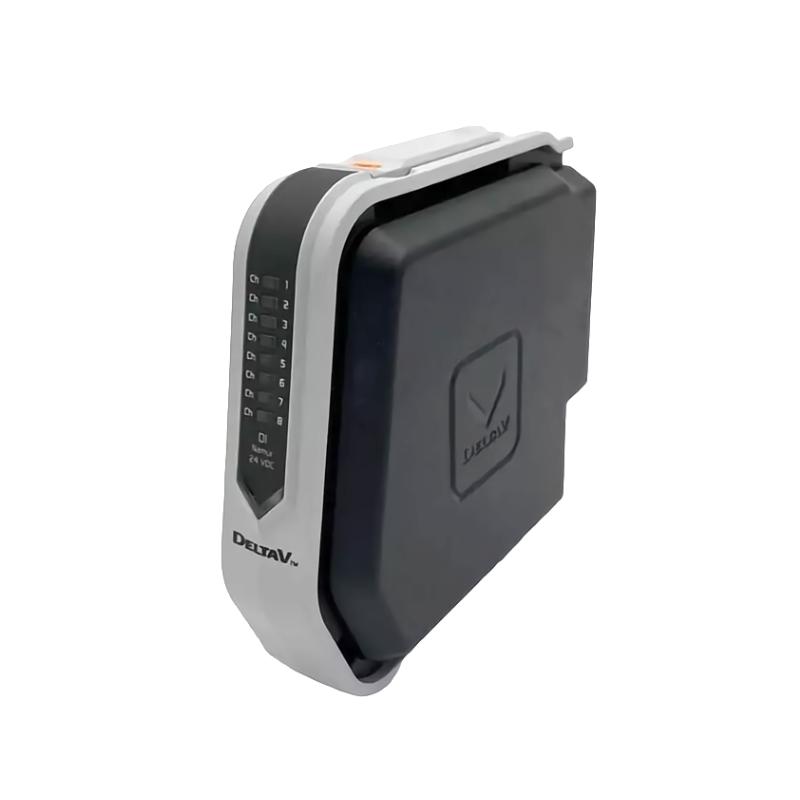
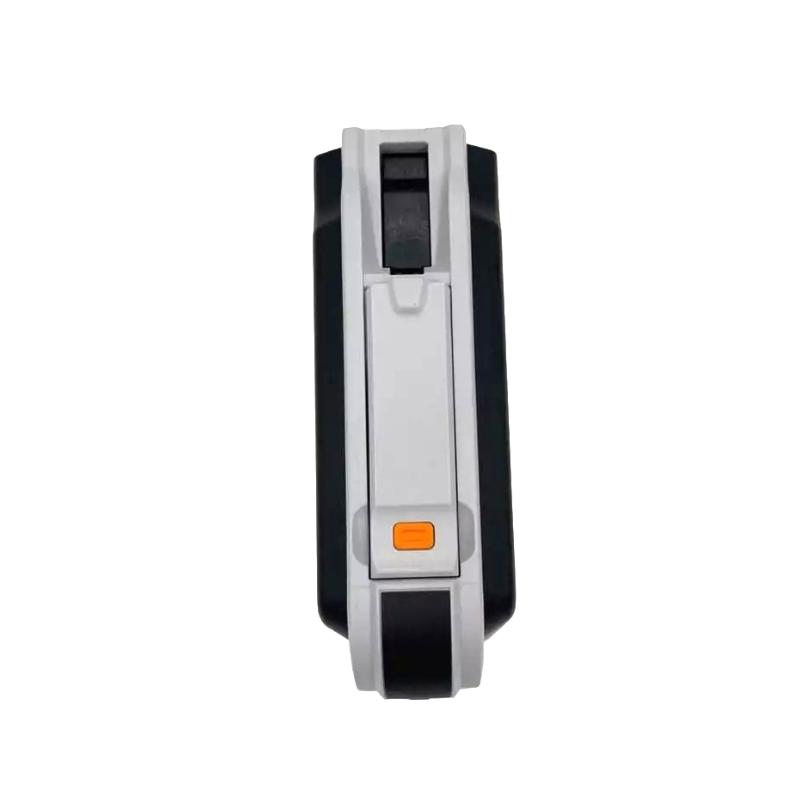
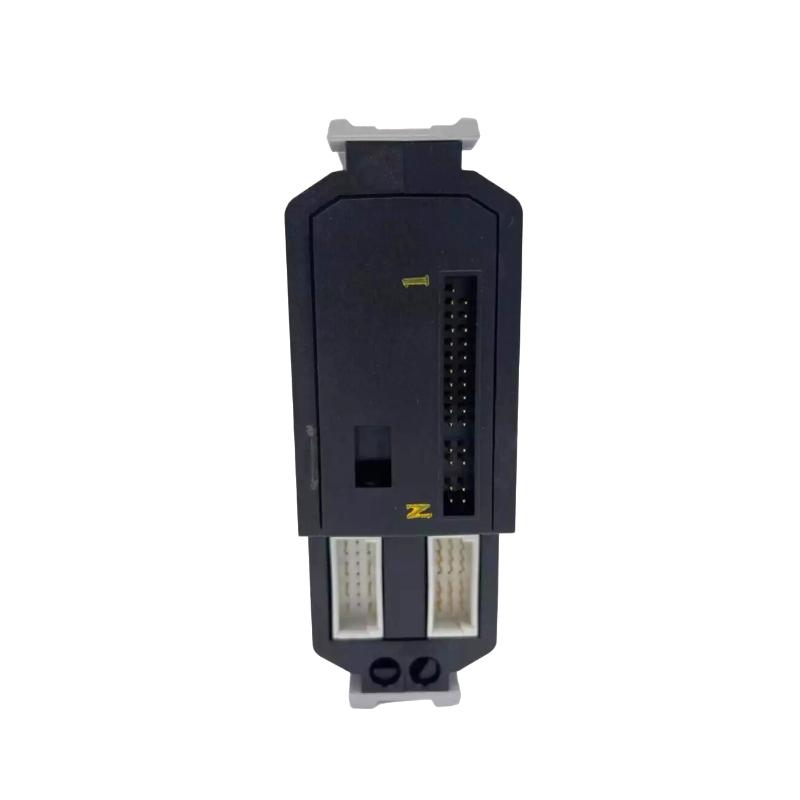
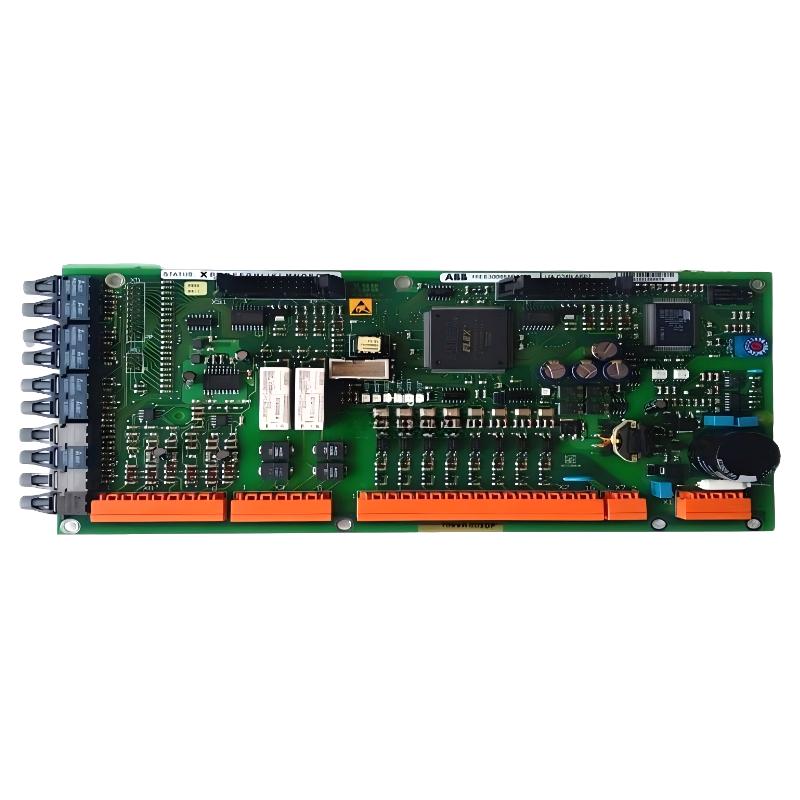
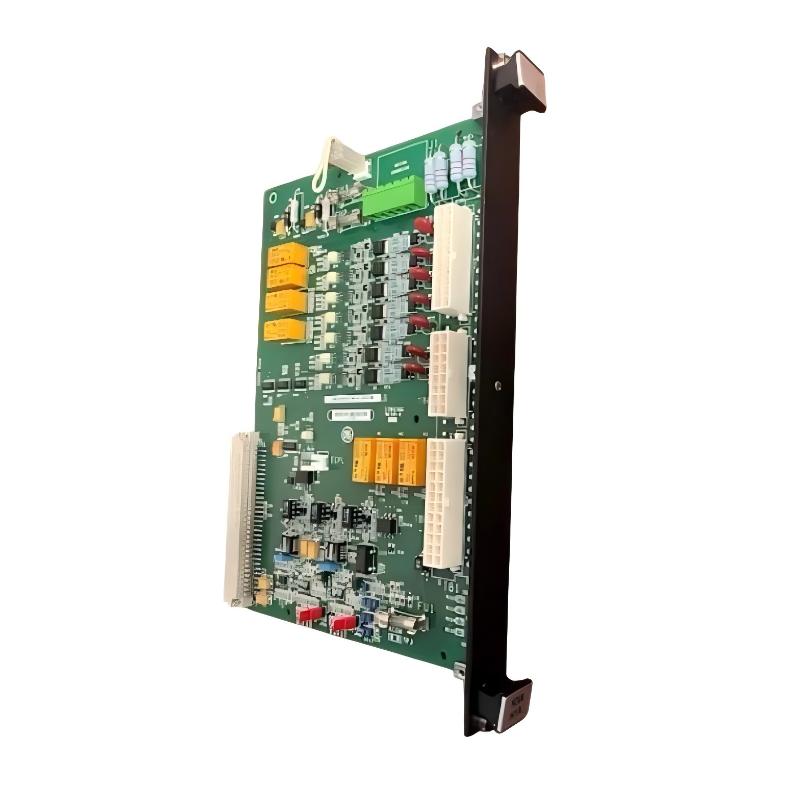
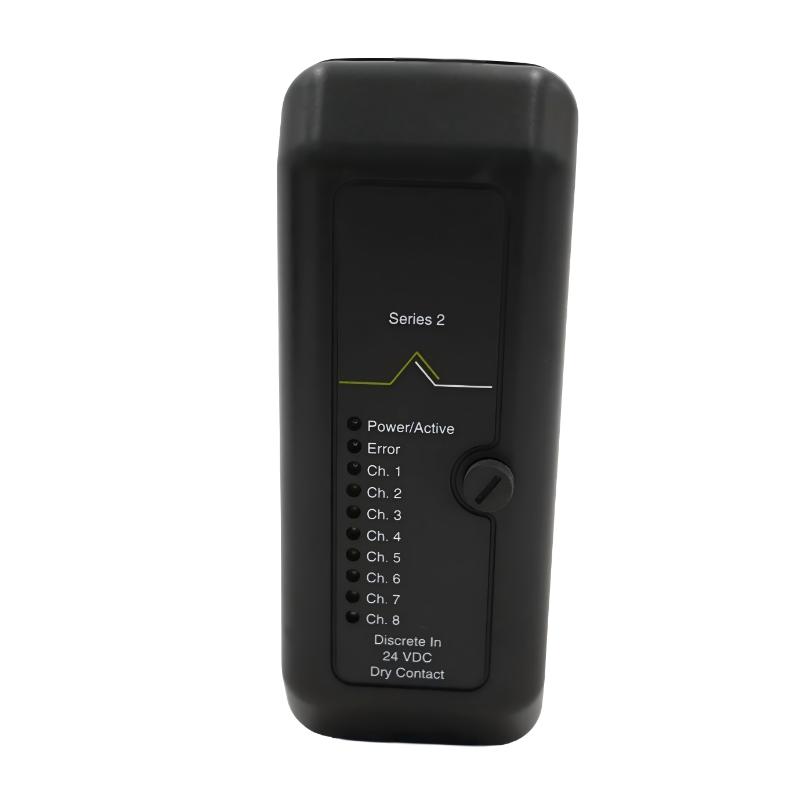
Brand:Emerson Module Item No.:KJ3212X1-BK1 Product Origin:USA Product Dimensions:180 x 130 x 25 mm Product Weight:0.5 kg Payment:T/T, Western Union, Credit Card Goods_stock:15 Shipping Port:Xiamen, China Lead Time:1-3 Days Condition:Brand New And Original Warranty:1 Year Certificate:COO
The Emerson KJ3212X1-BK1 S-series Pulse Counting Input Card provides high-precision pulse acquisition for industrial automation systems. Designed for Emerson DCS and HC900 controllers, it interfaces with flow meters, encoders, and other pulse-output devices to deliver reliable and accurate process data.
Its industrial-grade design, high-speed counting capability, and flexible integration make it ideal for critical applications requiring precise measurement and control in chemical, energy, and manufacturing environments.
Technical Specifications
Parameter
Description
Manufacturer
Emerson
Model
KJ3212X1-BK1 S-series Pulse Counting Input Card
Product Type
Pulse Counting Input Module
Dimensions
180 × 130 × 25 mm
Weight
0.5 kg
Function
Counts pulses from field devices for process monitoring
Input Type
Pulse / Digital Signals
Integration
Emerson Controllers / DCS / HC900 Systems
Operating Environment
Industrial Automation and Process Control
Recommended Related Models
Emerson KJ3212X1-BK2 — Pulse Counting Input Card
Emerson KJ3212X1-BK3 — Pulse Counting Input Card
Emerson KJ3212X1-BK4 — Pulse Counting Input Card
Emerson KJ3212X1-BK5 — Pulse Counting Input Card
Popular Related Models
Emerson KJ3001X1-BK1 — Input Module
Emerson KJ3203X1-BK1 — Dry Contact Card
Emerson KJ2005X1-MQ2 — Controller
Emerson KJ4001X1-CB1 — I/O Terminals
Primary Applications
The Emerson KJ3212X1-BK1 S-series Pulse Counting Input Card is designed for high-precision counting of pulses from industrial devices such as flow meters, encoders, and pulse-output sensors. It provides accurate data acquisition for process monitoring, control, and automation.
Typical applications include:
Counting pulses from flow meters, turbines, and speed sensors
Integration with Emerson DCS, HC900, or other automation platforms
Monitoring rotational speed, batch processes, and totalizers
Expanding pulse input channels for industrial control systems
Supporting alarm triggers and safety interlocks based on counted events
Retrofitting or upgrading existing systems to handle high-speed pulse signals
Key Advantages
High-accuracy pulse counting for precise process measurements
Seamless integration with Emerson controllers and DCS platforms
Supports high-speed pulse inputs for fast-rotating equipment
Industrial-grade construction ensures reliable operation in harsh conditions
Scalable design allows addition of multiple pulse counting cards
Enhances process control, efficiency, and monitoring reliability
Technical FAQs
1. What is the primary function of the KJ3212X1-BK1 card?
It counts pulses from field devices and converts them into data for controllers to process.
2. Which types of devices can it interface with?
Flow meters, rotary encoders, speed sensors, and other pulse-output instruments.
3. Is it compatible with Emerson DCS and HC900 systems?
Yes, it integrates directly with Emerson automation and process control platforms.
4. Can it handle high-speed pulse signals?
Yes, it supports fast pulse counting for high-speed equipment without data loss.
5. Does it support diagnostics or error detection?
Yes, it provides real-time status monitoring and error detection for reliable operation.
6. Can multiple cards be networked together?
Yes, additional cards can be added to expand pulse input capacity.
7. How does it enhance system accuracy?
By providing precise pulse counting, it ensures accurate measurement of flow, speed, and process events.
8. Is it suitable for safety-critical applications?
Yes, it can integrate with alarms, interlocks, and process safety logic.
9. Which industries commonly use this module?
Chemical, petrochemical, power generation, oil & gas, and manufacturing industries.
10. How does it improve overall process control and efficiency?
Accurate pulse counting allows precise monitoring and control, optimizing performance, and minimizing errors in industrial operations.