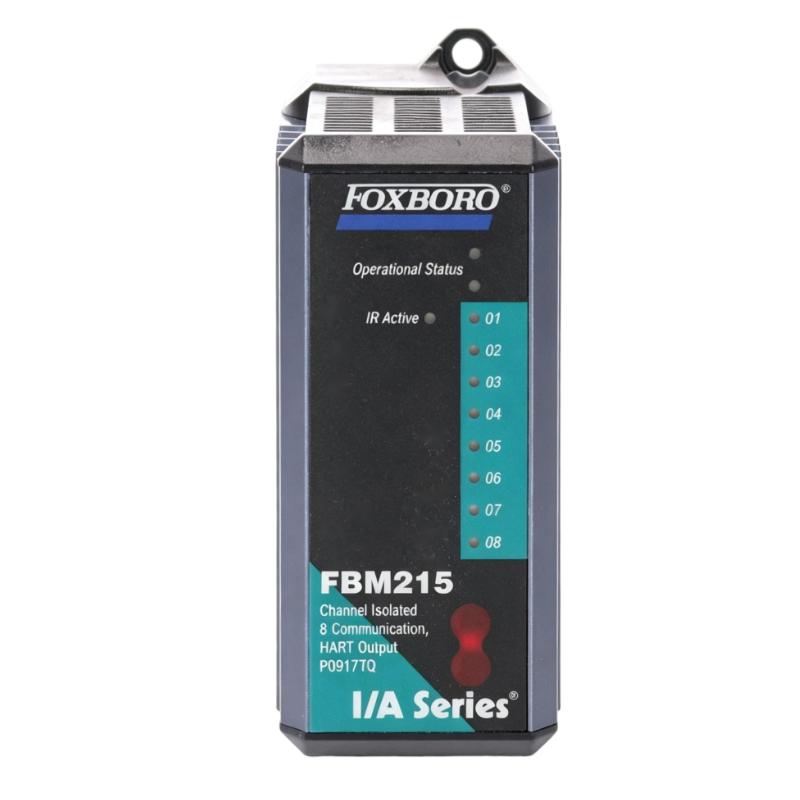
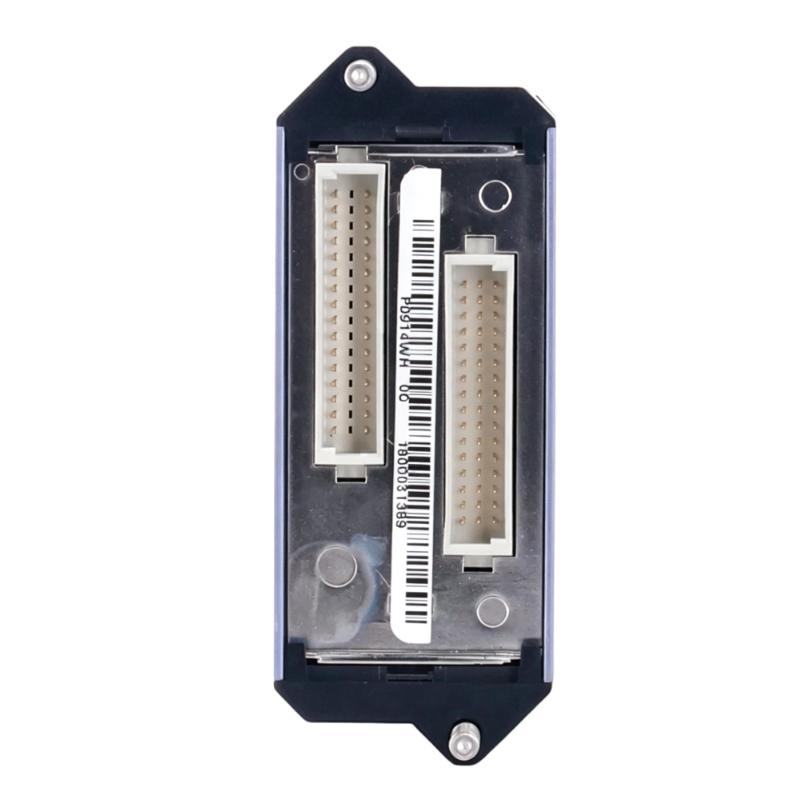
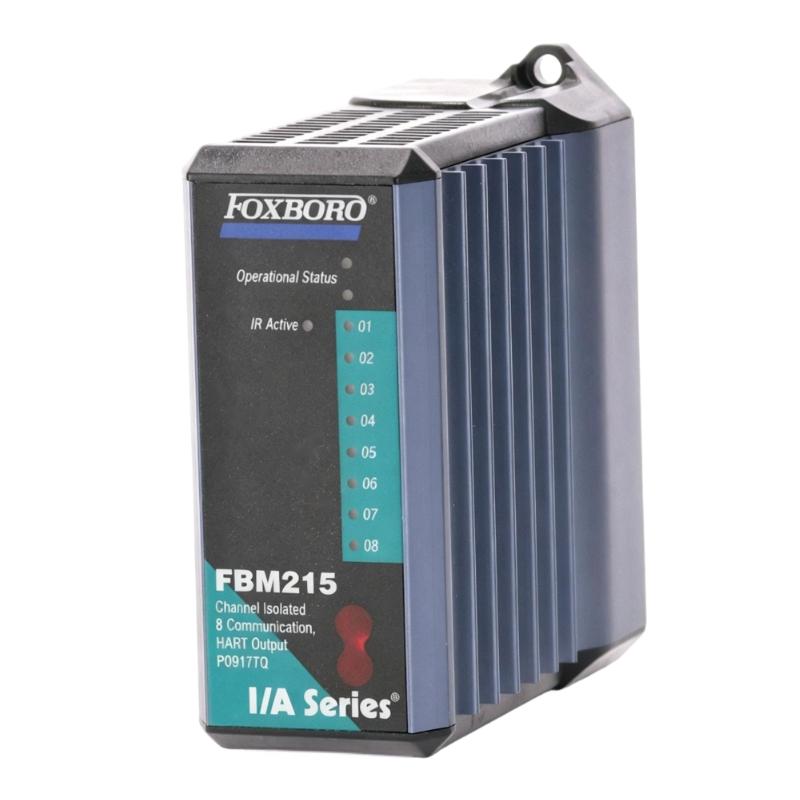
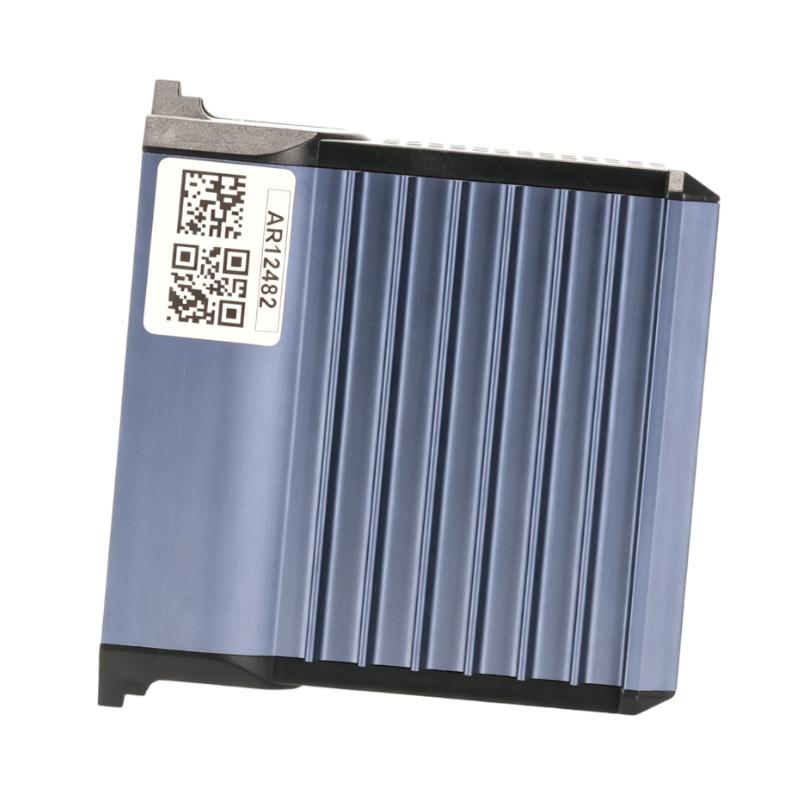
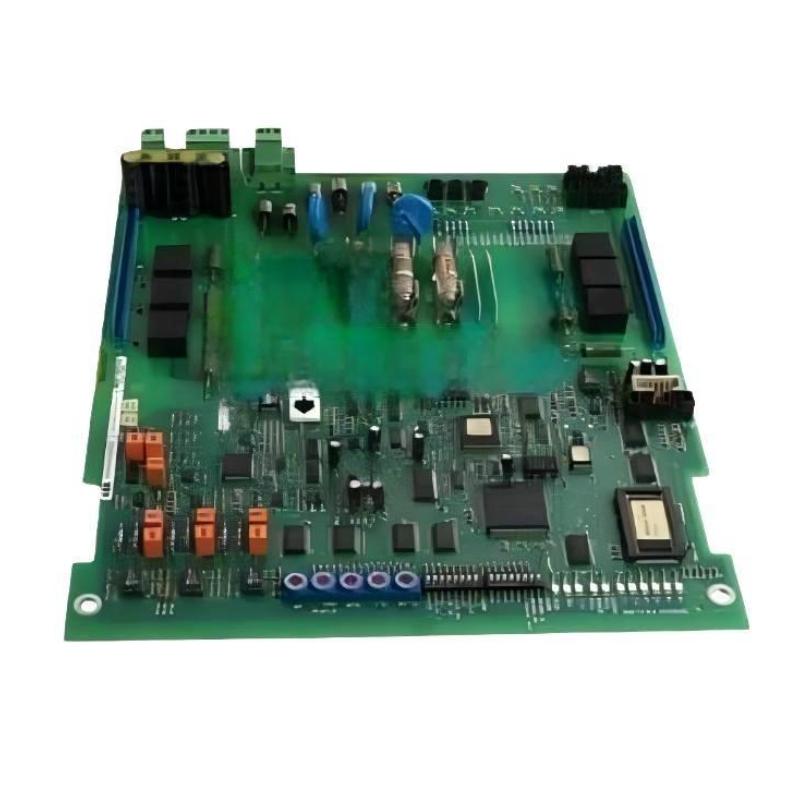
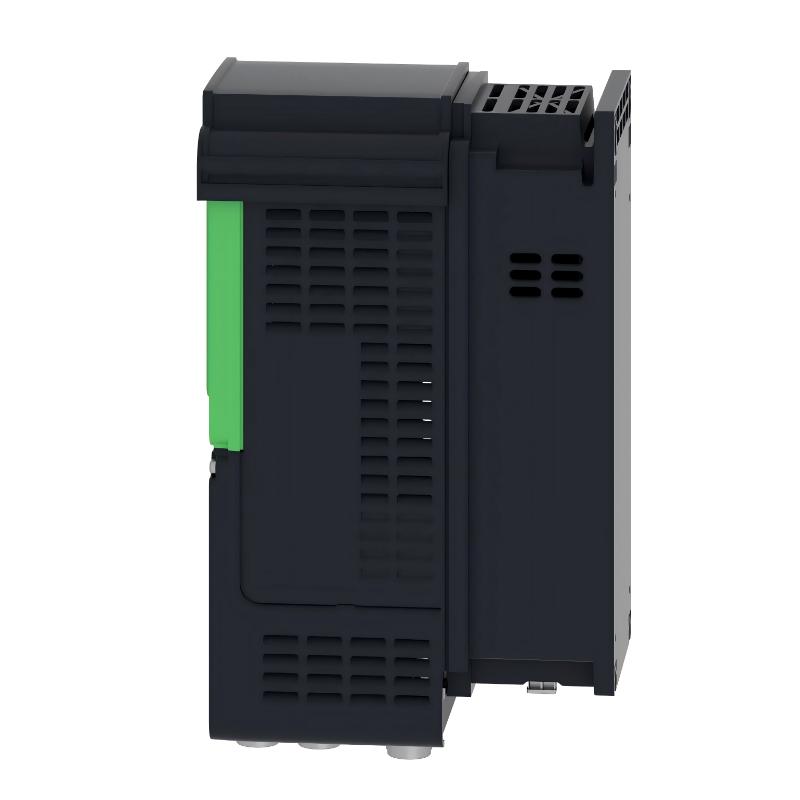
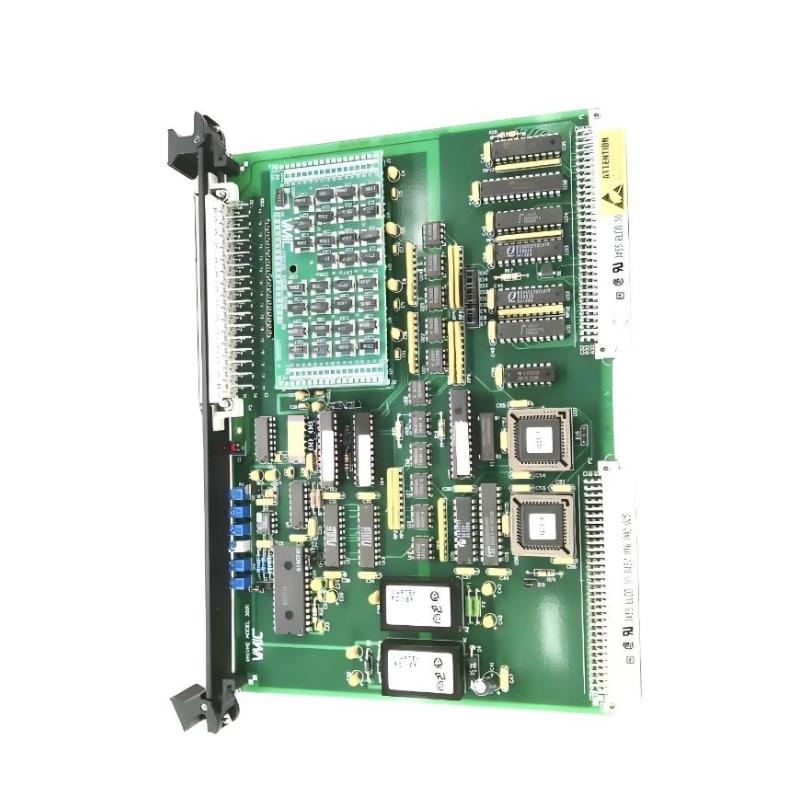
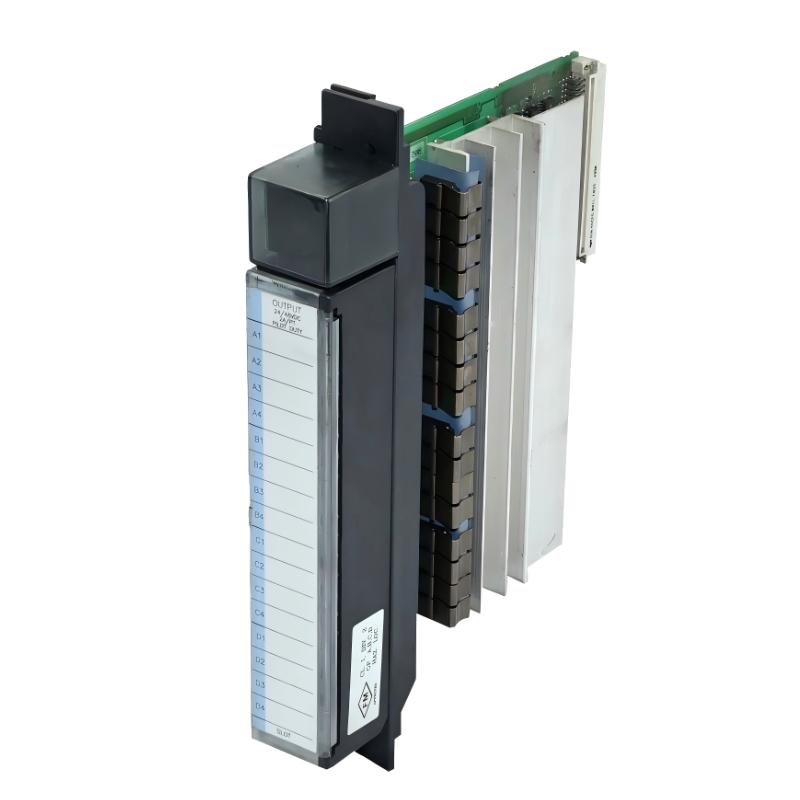
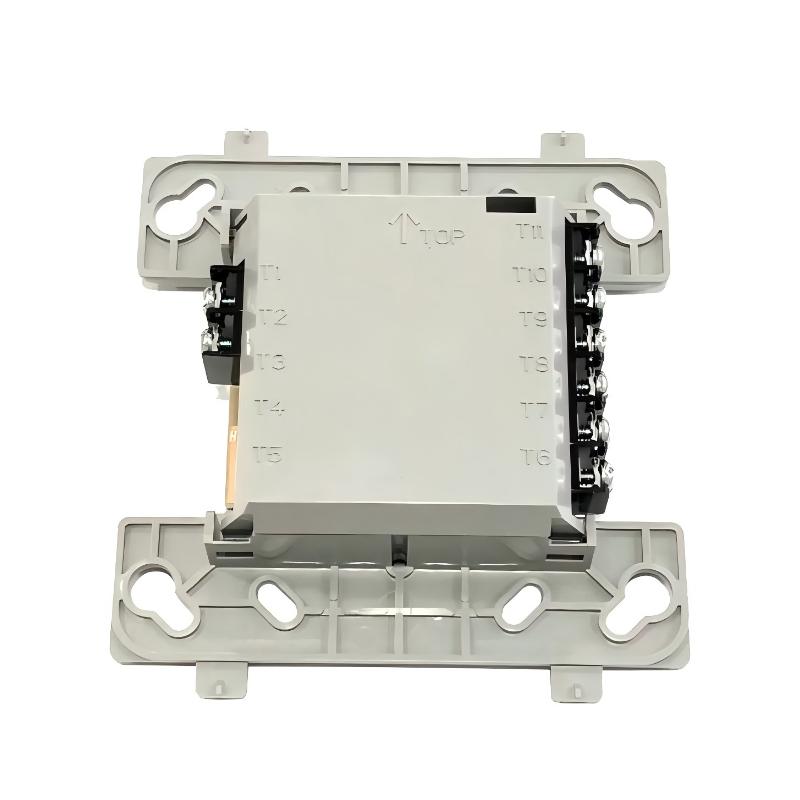
Foxboro FBM215 P0917TQ Communication Output Interface Module
Foxboro FBM215 P0917TQ Communication Output Interface Module
0.0
Points
Brand:Foxboro Module Item No.:FBM215 P0917TQ Product Origin:USA Product Dimensions:139 x 25 x 130 mm Product Weight:0.185 kg Payment:T/T, Western Union, Credit Card Goods_stock:15 Shipping Port:Xiamen, China Lead Time:1-3 Days Condition:Brand New And Original Warranty:1 Year Certificate:COO
The Foxboro FBM215 P0917TQ Communication Output Interface Module provides an interface between a distributed process-control environment and compatible output functions in the field.
While input modules bring information into the control system, output interfaces participate in the reverse direction: they help deliver control information toward field equipment. This command path can be involved in equipment operation, process sequencing, actuator control, and other automated functions.
The FBM215 P0917TQ is intended for installations where output communication needs to be organized within a distributed control architecture. Its compact 139 × 25 × 130 mm format provides a narrow physical footprint for control-system assemblies.
From a maintenance standpoint, output problems should be diagnosed across the entire command path. A control-system command appearing correctly on an operator screen does not necessarily mean that the field device has received or acted upon the command. Module status, communication, wiring, terminals, interlocks, and the field device itself should all be considered.
The complete model designation FBM215 P0917TQ should be recorded accurately when sourcing a replacement. Similar FBM modules can have different signal and communication functions, so selection should always be based on the complete hardware configuration.
For OEMs, system integrators, and maintenance teams working with process-control equipment, the FBM215 P0917TQ offers a compact interface solution for structured output communication applications.
Technical Specifications
Parameter
Specification
Brand
Foxboro
Model
FBM215 P0917TQ
Product Type
Communication Output Interface Module
Module Function
Output and Communication Interface
Application
Industrial Process Control
System Architecture
Distributed Control System
Signal Direction
Output
Installation
Control / Field Interface Assembly
Dimensions
139 × 25 × 130 mm
Weight
0.19 kg (0.41 lb)
Dimensions: 139 × 25 × 130 mm Weight: 0.19 kg (0.41 lb)
Before commissioning, verify the module configuration, output wiring, terminal assignments, communication status, and associated field-device connections. Output testing should be performed under controlled conditions to prevent unintended equipment operation.
Recommended Related Models
Model
Product Type
Application Relationship
FBM215 P0917TQ
Communication Output Interface Module
Primary model
FBM214b RH927AH
Communication Input Interface Module
Related communication interface
FBM214 P0922VT
Communication Input Interface Module
Related communication interface
FBM211 RH914TN
Input Interface Module
Related field input hardware
FBM207c RH917GY
Contact Sensor Input Interface Module
Related field-interface hardware
The related models serve different input, output, or communication functions. They should not be considered direct substitutes without checking the complete system architecture and required signal configuration.
Popular Related Models
FBM214b RH927AH — Communication Input Interface Module
FBM214 P0922VT — Communication Input Interface Module
For replacement and retrofit projects, verify the complete catalog designation, output requirements, communication configuration, field wiring, and system compatibility before installation and commissioning.
Process Output and Communication Applications
The Foxboro FBM215 P0917TQ Communication Output Interface Module is designed for industrial process-control systems where output information must be transferred reliably from the control architecture toward compatible field equipment or downstream interfaces.
In a distributed automation environment, output modules form an important part of the command path. Control logic generates a required action, the interface hardware communicates that command, and the connected field equipment responds accordingly. Stable output communication is therefore essential for predictable plant operation.
Typical application areas include:
Distributed control systems
Process automation installations
Field output interfaces
Industrial equipment control
Process command transmission
Actuator and equipment interfacing
Plant automation systems
Control cabinet installations
Process monitoring and control
Automation system expansion and retrofit
The FBM215 P0917TQ is particularly relevant where communication between the control system and field-side output functions needs to be organized through dedicated interface hardware.
Operational Advantages
Reliable output communication
The FBM215 P0917TQ provides an interface for transferring compatible output information from the control system toward connected field equipment.
Supports distributed control architectures
Its modular design is suitable for distributed process-control installations where output functions are separated from the main controller and organized through dedicated field interfaces.
Clear command path
A dedicated output interface helps establish a defined path between application logic and field equipment, making commissioning and troubleshooting more structured.
Compact physical design
At 139 × 25 × 130 mm, the module has a narrow installation profile that can be useful where control cabinet space is limited.
Maintenance-friendly architecture
When an output does not produce the expected field response, technicians can check the control command, module condition, wiring, terminals, and field device systematically.
Suitable for plant expansion
Modular output-interface hardware can support upgrades and extensions to established automation systems when compatible configurations are selected.
Improved troubleshooting efficiency
Separating the control command from the physical field output provides useful diagnostic points during commissioning and service work.
Professional industrial integration
For process plants where reliable output communication is essential to equipment operation, correctly configured interface hardware can contribute to stable and predictable control.
Technical FAQs
1. What is the primary function of the FBM215 P0917TQ?
It is a communication output interface module designed to transfer compatible output information from an industrial control system toward field-side equipment or interfaces.
2. Why are output interface modules important in process automation?
They provide part of the command path between control logic and physical equipment. Reliable output communication helps ensure that control commands reach the intended field function correctly.
3. What could cause an output command to have no effect in the field?
Potential causes include incorrect configuration, wiring problems, loose terminals, communication interruptions, module faults, field-device problems, or an incorrect control command.
4. What should be checked when an output behaves intermittently?
Inspect the field wiring and terminals first, then check module status, communication diagnostics, configuration parameters, and the connected field device. Repeated functional testing can help identify an unstable connection.
5. Why is correct output configuration important?
The control system must associate the correct output point with the intended field function. Incorrect mapping can cause the wrong device to respond or prevent the expected device from receiving its command.
6. Can a field wiring problem appear to be an output-module failure?
Yes. Open circuits, poor connections, damaged conductors, incorrect terminal assignments, and grounding problems can prevent an otherwise healthy output interface from producing the expected field response.
7. What should be investigated if the control system shows an active output but the equipment remains inactive?
Compare the software command with the actual module status, inspect the output circuit and wiring, verify the field device, and check any associated interlocks or permissives that may prevent the equipment from responding.
8. How can communication-related output faults be isolated?
Review system diagnostics, confirm module recognition, inspect physical connections, verify configuration, and determine whether the problem affects one output point or multiple points. A fault affecting several channels may indicate a common communication or power issue.
9. What precautions should be taken before testing an output circuit?
Follow the plant's approved maintenance and isolation procedures and consider the consequences of activating the connected equipment. Output testing should be performed in a controlled condition to avoid unintended process movement.
10. What should be verified after replacing the module?
Confirm physical installation, wiring, module recognition, configuration, communication status, and output behavior. Each relevant output should be functionally tested against the intended field response before normal operation resumes.