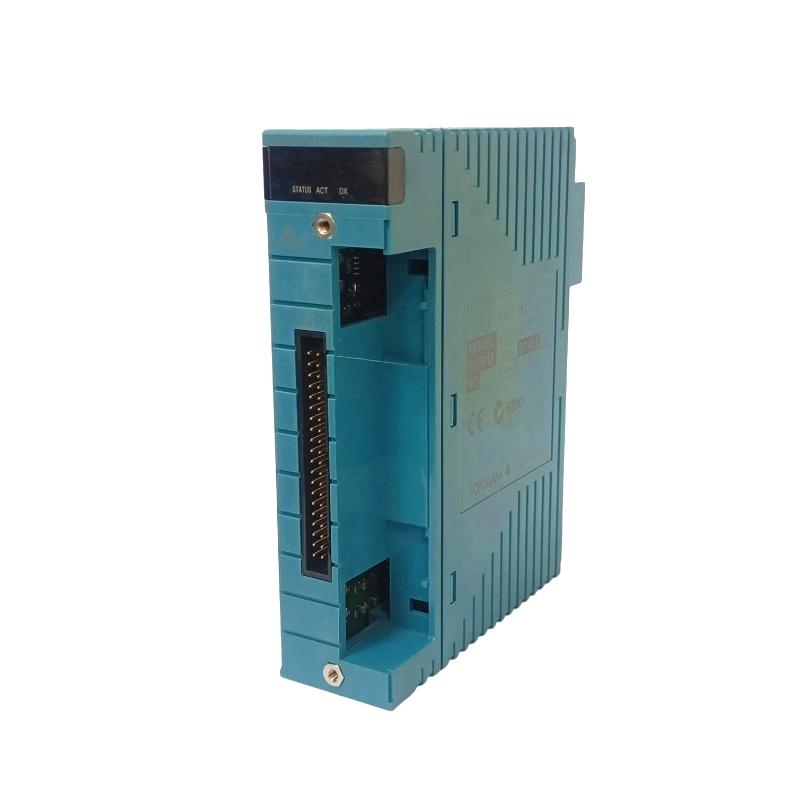
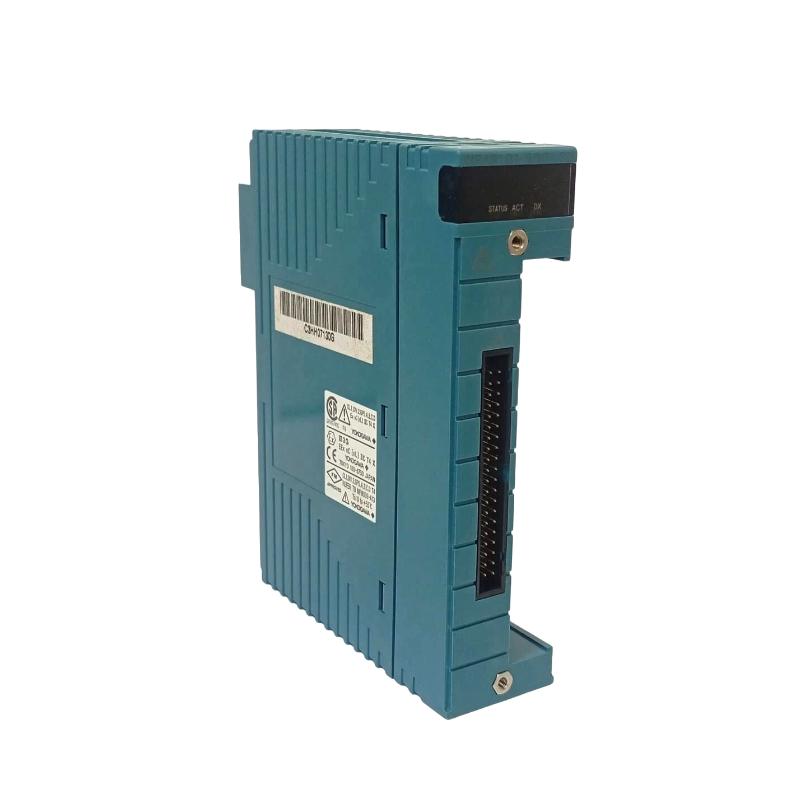
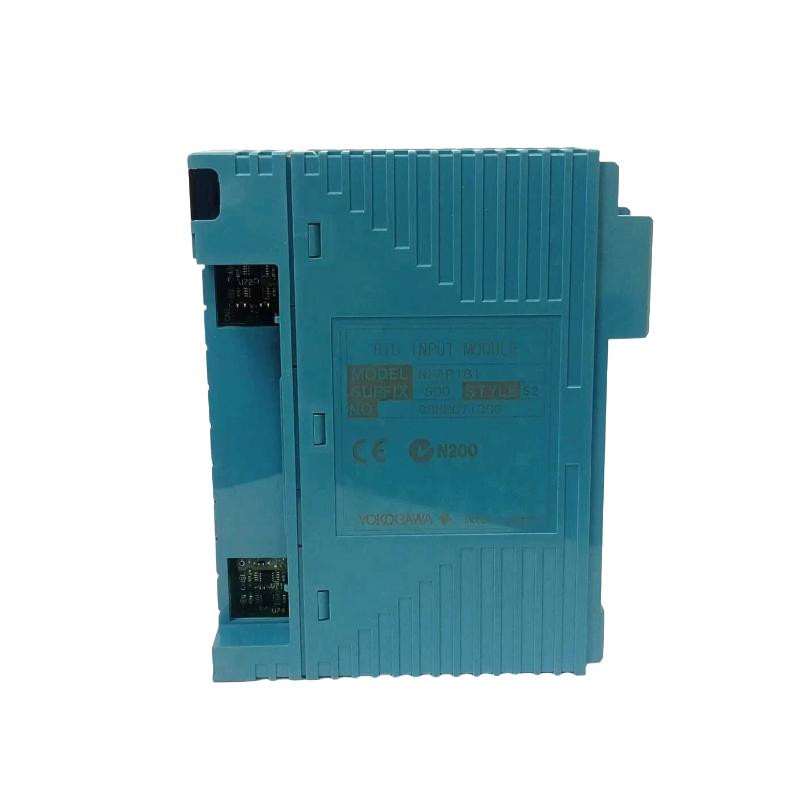
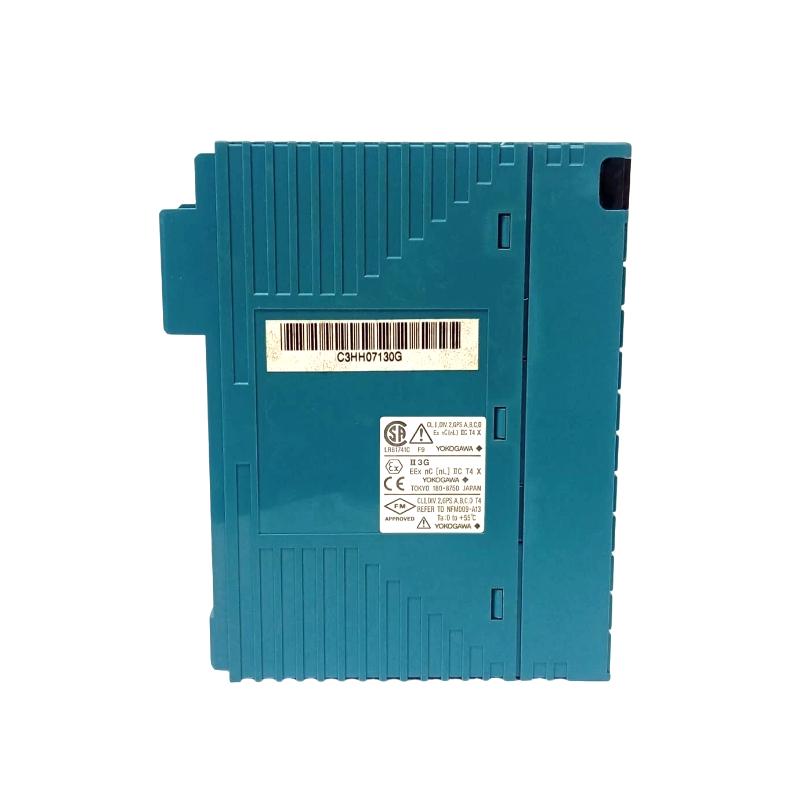
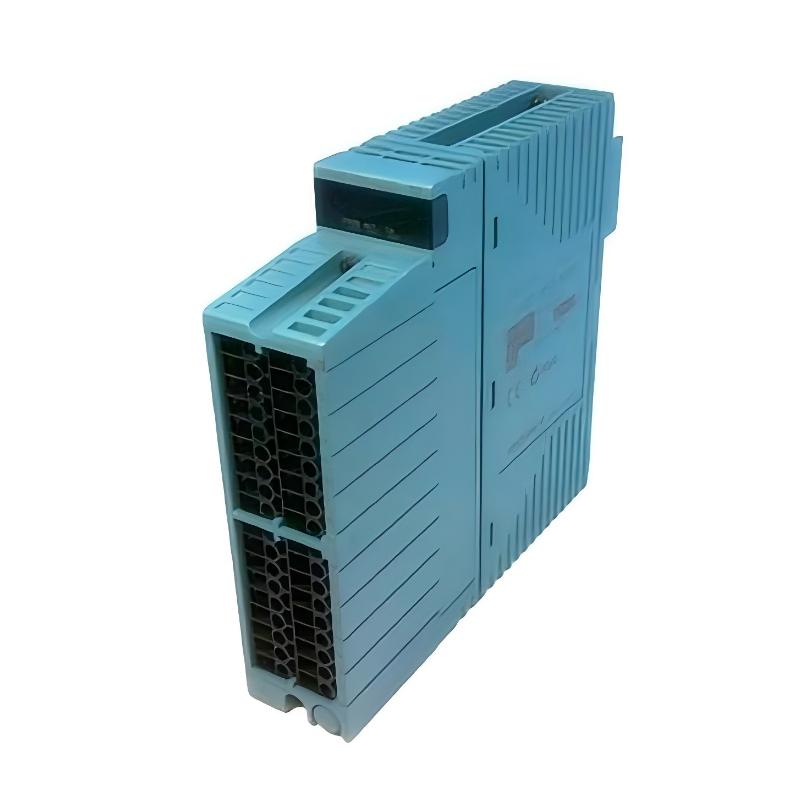
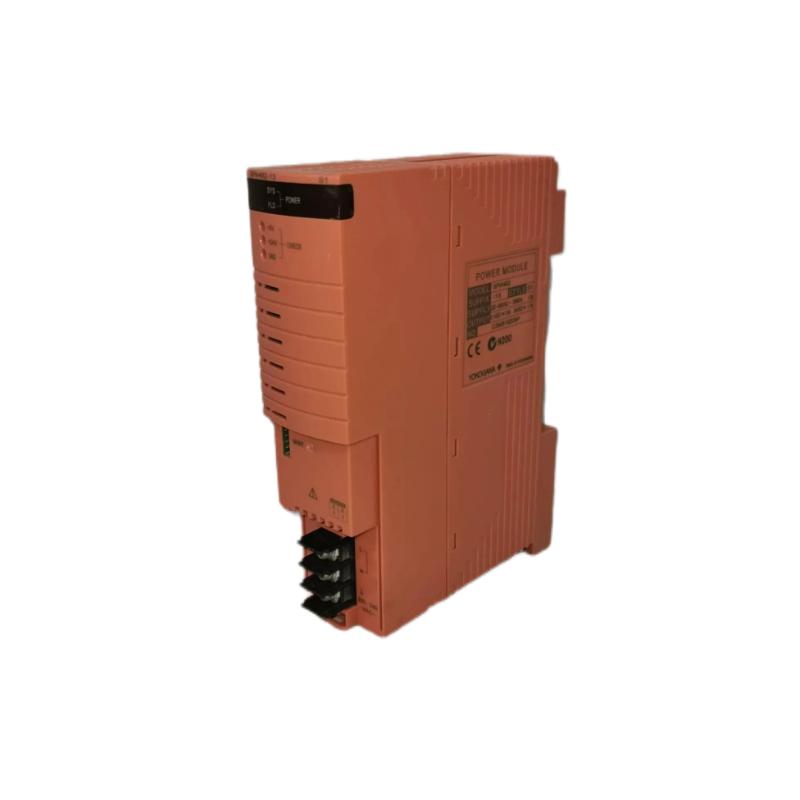
Brand:Yokogawa Electric Item No.:NFAR181-S50 Product Origin:Japan Product Dimensions:130 x 107.5 x 32.8 mm Product Weight:0.2 kg Payment:T/T, Western Union, Credit Card Goods_stock:15 Shipping Port:Xiamen, China Lead Time:1-3 Days Condition:Brand New And Original Warranty:1 Year Certificate:COO
The Yokogawa NFAR181-S50 RTD Input Module is a high-precision interface designed to acquire temperature data from RTD sensors and deliver accurate readings to industrial control systems. Suitable for integration into Yokogawa distributed control architectures, the module provides stable, reliable signal acquisition for real-time temperature monitoring and process control. Its compact and durable design ensures easy installation within control cabinets while supporting efficient and precise temperature management in demanding industrial environments.
Technical Specifications
Parameter
Specification
Model
NFAR181-S50
Product Type
RTD Input Module
Manufacturer
Yokogawa
Compatible System
Yokogawa Process Control System
Input Type
RTD Sensor Input
Mounting Method
System Rack / Control Cabinet Installation
Application Environment
Industrial Automation & Process Control
Dimensions
130 × 107.5 × 32.8 mm
Weight
0.2 kg
Recommended Related Models
Yokogawa NFAR182-S50 – RTD Input Module
Yokogawa NFAI141-H00 – Analog Input Module
Yokogawa NFAO041-S00 – Analog Output Module
Yokogawa NFDV151-P00 – Digital Input Module
Popular Related Models
Yokogawa AAI143-H00 – Analog Input Module
Yokogawa AAI135-S00 – Analog Input Module
Yokogawa ADV151-P00 – Digital Input Module
Yokogawa ADO161-S00 – Digital Output Module
Typical Industrial Applications
Temperature signal acquisition from RTD sensors in distributed control systems (DCS)
Process temperature monitoring in chemical and petrochemical plants
Industrial automation systems in oil & gas production facilities
Temperature control loops in power generation plants
Integration with temperature-sensitive equipment in manufacturing processes
Field instrumentation input for water and wastewater treatment systems
Control panel installation for real-time temperature monitoring
Key Product Advantages
Accurate Temperature Signal Acquisition – Precisely reads RTD sensor data for reliable temperature monitoring in industrial processes.
Continuous Industrial Operation – Designed for long-term stability in demanding automation and process control environments.
Seamless System Integration – Fully compatible with Yokogawa distributed control and automation platforms.
Compact and Space-Saving Design – Slim module profile enables efficient installation in control cabinets and system racks.
Reliable Data Transmission – Ensures stable communication of temperature readings to central controllers for precise process management.
Technical FAQs
1. What is the main function of the NFAR181-S50 module?
It acquires temperature data from RTD sensors and transmits it to the control system for monitoring and automation.
2. What types of sensors can be connected to this module?
The module is designed for RTD (Resistance Temperature Detector) sensors commonly used in industrial temperature measurement.
3. Is the module compatible with Yokogawa DCS systems?
Yes, it integrates seamlessly with Yokogawa distributed control systems for process automation.
4. Can it support continuous temperature monitoring?
Yes, the module is designed for real-time, continuous signal acquisition from RTD sensors.
5. How does the module ensure accurate temperature readings?
It uses precision signal processing circuitry to reliably convert RTD resistance changes into accurate temperature data.
6. Can the module handle multiple RTD channels simultaneously?
Yes, it supports multiple input channels for collecting data from several RTD sensors at once.
7. What industries commonly use this type of module?
Oil & gas, energy, chemical processing, manufacturing, and water treatment industries frequently use RTD input modules.
8. How is the module installed in an automation system?
It is mounted inside a system rack or control cabinet as part of a modular automation platform.
9. Can this module be integrated into larger control networks?
Yes, it can operate as part of a larger automation system within PLC or DCS networks.
10. Does the module require complex setup for operation?
No, configuration is typically performed through the control system software to match application requirements.