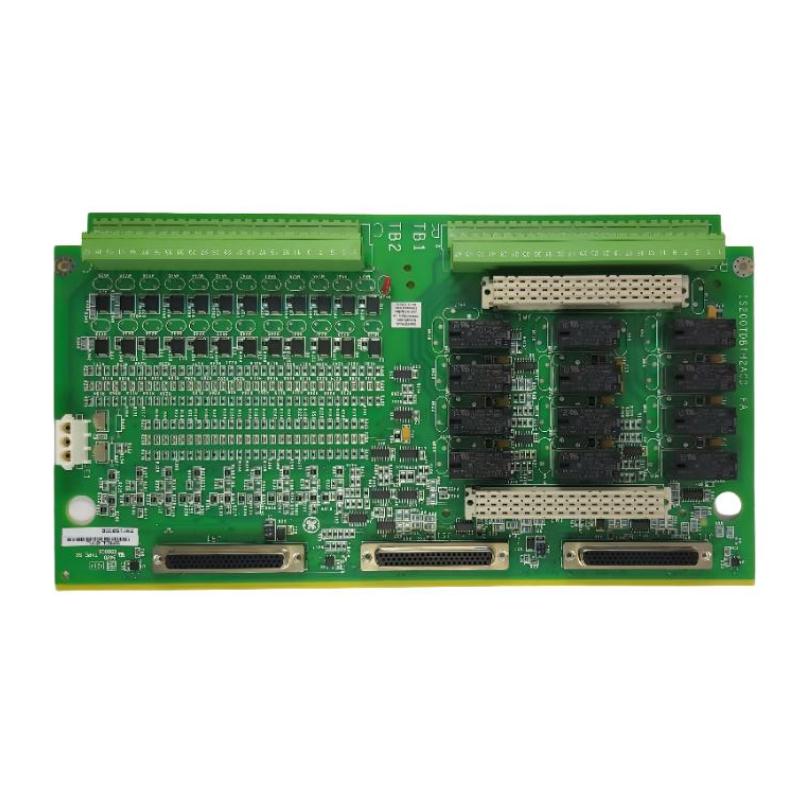
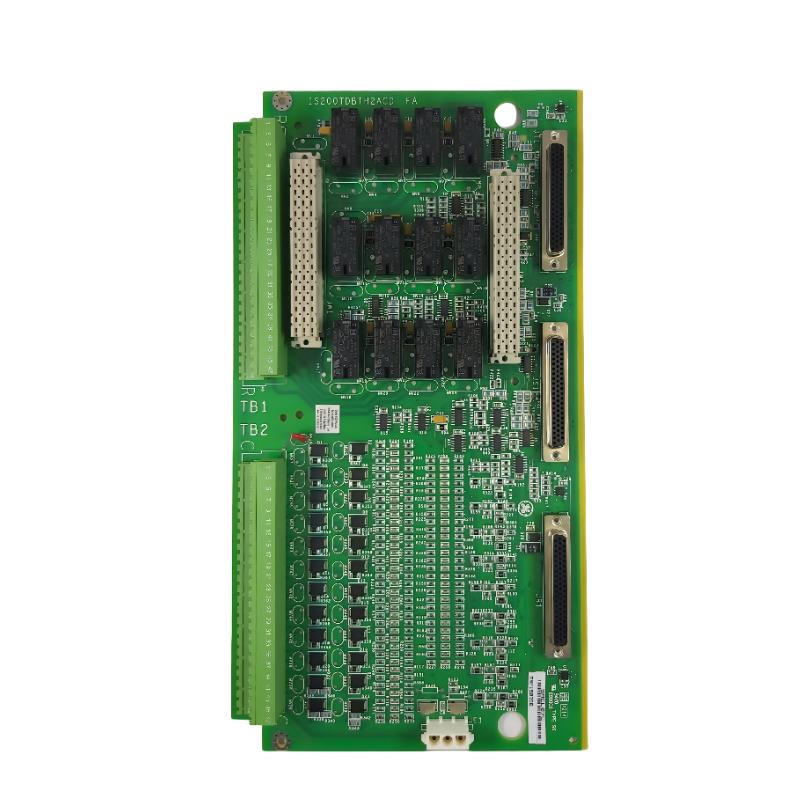
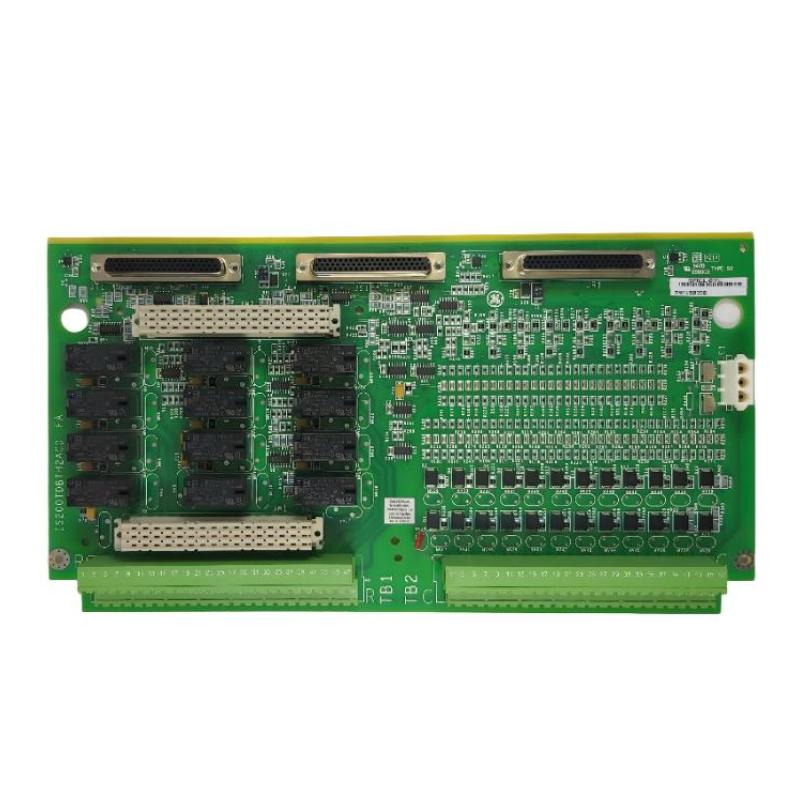
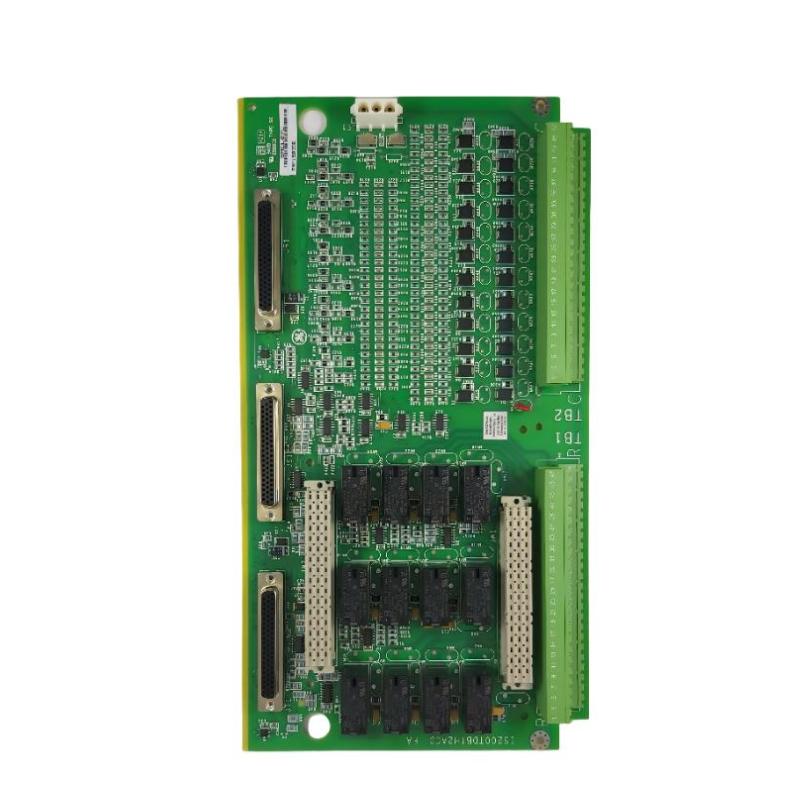
Brand:GE Fanuc PLC Item No.:IS200TDBTH2ACD Product Origin:USA Product Dimensions:200 × 100 × 25 mm Product Weight:1.29 kg Payment:T/T, Western Union, Credit Card Goods_stock:15 Shipping Port:Xiamen, China Lead Time:1-3 Days Condition:Brand New And Original Warranty:1 Year Certificate:COO
The GE Fanuc IS200TDBTH2ACD discrete terminal board is engineered to deliver dependable digital signal interfacing within advanced industrial control systems. As a component of the Mark VI series, it plays a vital role in ensuring accurate communication between field equipment and control processors.
With a focus on durability and ease of integration, this board is well-suited for demanding environments where reliability is non-negotiable. Its thoughtful design not only enhances system performance but also reduces installation time and maintenance effort, making it a practical and trusted choice for modern automation and power generation applications.
Technical Specifications
Parameter
Specification
Product Type
Discrete Terminal Board
Series
Mark VI
Signal Type
Digital (Discrete I/O)
Terminal Type
Screw-type
Mounting
Panel-mounted
Operating Temperature Range
-20°C to +65°C
Material
Industrial-grade PCB
Dimensions
200 × 100 × 25 mm
Weight
1.29 kg
Recommended Related Models
IS200TDBTH2AAA – Discrete Terminal Board
IS200TDBTH2AAB – Discrete Terminal Board
IS200TDBTH2AAC – Discrete Terminal Board
IS200TDBTH2AAD – Discrete Terminal Board
Popular Related Models
IS200TBCIH1BBC – Analog Input Terminal Board
IS200TBAIH1CDC – Analog Input Board
IS200TRLYH1B – Relay Output Terminal Board
IS200TSVOH1B – Servo Control Board
Applications
• Widely implemented in gas and steam turbine control systems, where precise discrete signal handling is essential for operational safety and efficiency.
• Integrated into distributed control systems (DCS) to provide stable and organized field wiring interfaces for digital signals.
• Utilized in power generation environments to ensure consistent communication between field devices and central controllers.
• Applied in industrial automation systems that demand reliable on/off signal transmission under continuous operation.
• Suitable for protection and safety systems, supporting accurate signal delivery in critical scenarios.
Key Advantages
• Designed with a robust terminal structure that enhances signal integrity and minimizes interference in complex systems.
• Offers high durability, allowing it to perform reliably in harsh industrial environments with vibration and temperature fluctuations.
• Simplifies installation through a clear and well-organized terminal layout, reducing wiring complexity and errors.
• Supports efficient maintenance with accessible design, enabling quick inspection and replacement when needed.
Technical FAQs
1. What is the primary function of this board?
It serves as a discrete signal termination interface between field devices and the control system.
2. Which systems is it compatible with?
It is specifically designed for use within GE Mark VI control systems.
3. What types of signals are handled?
It manages digital input and output signals such as status indications and control commands.
4. How are field wires connected?
Connections are made through screw-type terminals that ensure secure and stable contact.
5. Is it suitable for high-interference environments?
Yes, it is engineered to maintain signal integrity even in electrically noisy conditions.
6. Can it support continuous industrial operation?
Yes, it is built for long-term, continuous-duty applications in industrial settings.
7. Does it require special configuration during installation?
No, installation is straightforward with standard wiring practices and system integration procedures.
8. How does it contribute to system reliability?
By providing stable and consistent signal termination, it reduces the risk of communication faults.
9. Is it easy to troubleshoot?
Yes, clear terminal labeling and layout make diagnostics efficient and accurate.
10. What type of maintenance is typically required?
Routine inspection of wiring connections and periodic verification of terminal integrity are recommended.