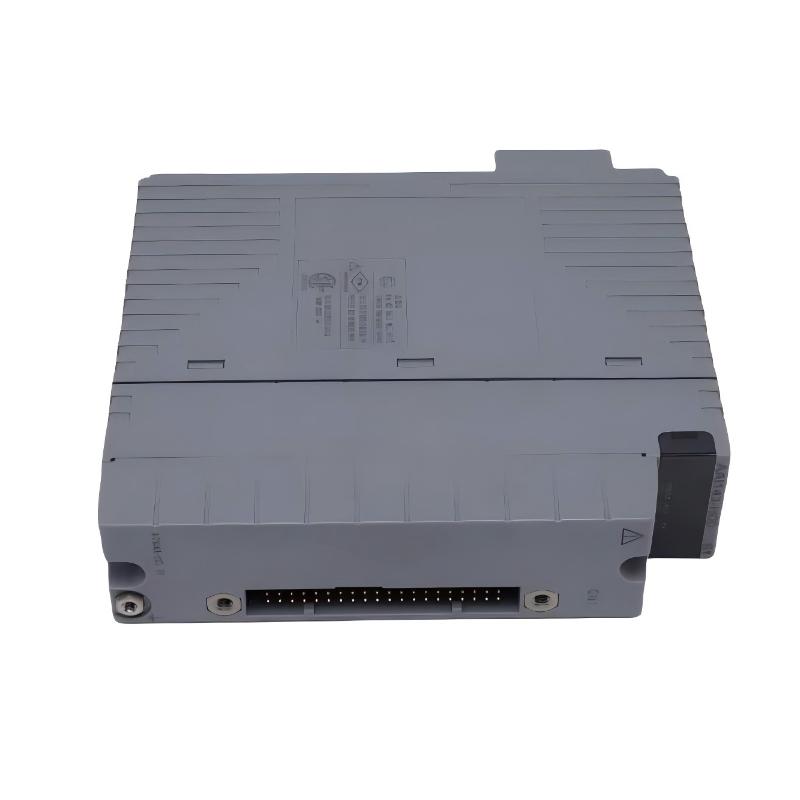
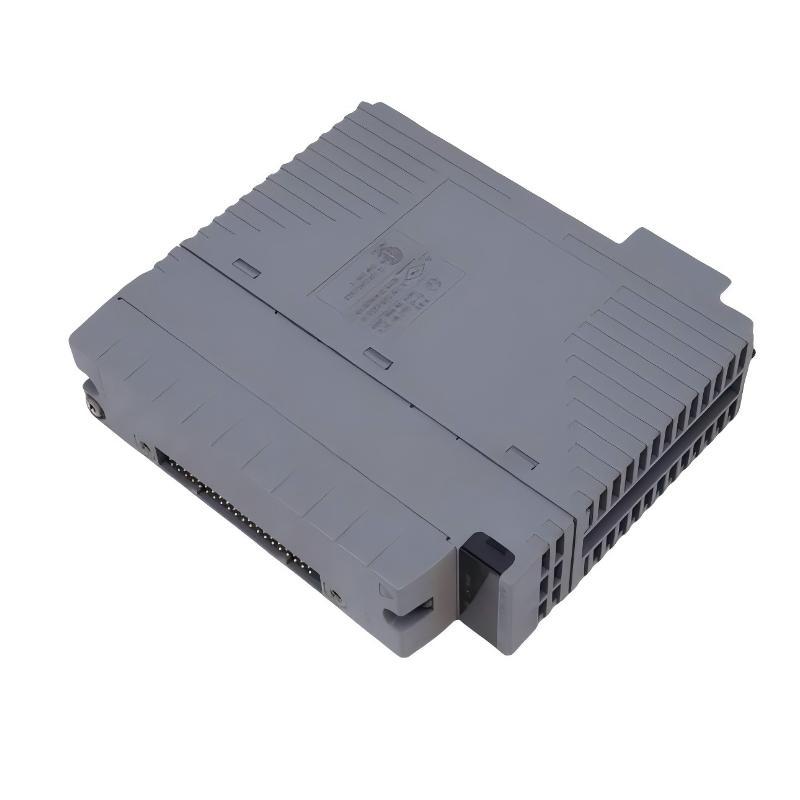
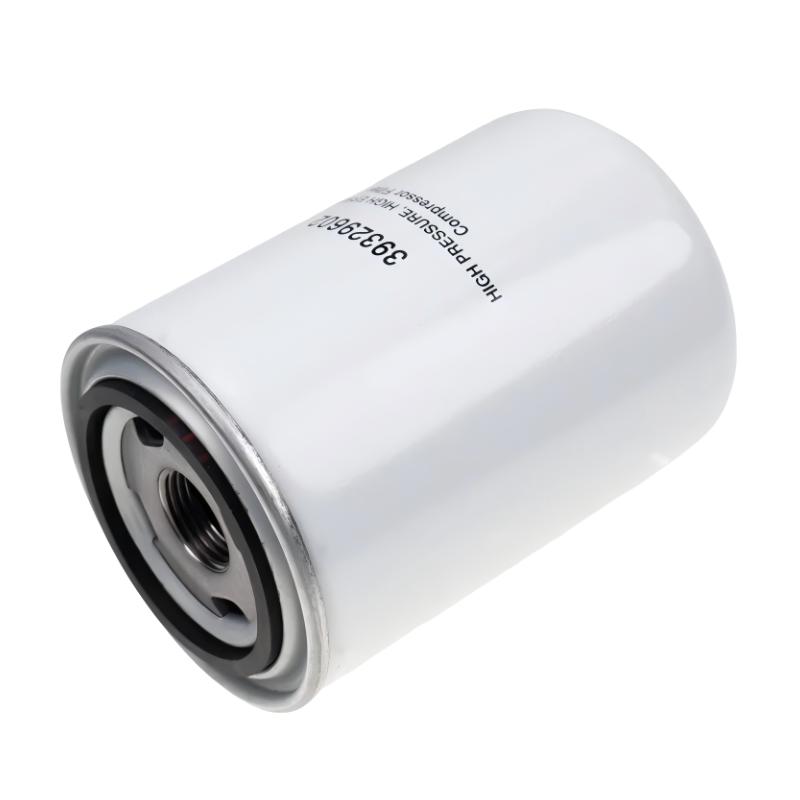
Brand:Yokogawa Electric Item No.:AAI143-H00/A4S00 Product Origin:Japan Product Dimensions:107.5 × 32.8 × 130 mm Product Weight:0.3 kg Payment:T/T, Western Union, Credit Card Goods_stock:15 Shipping Port:Xiamen, China Lead Time:1-3 Days Condition:Brand New And Original Warranty:1 Year Certificate:COO
The Yokogawa AAI143-H00/A4S00 S1 Analog Input Module is crafted to meet the performance expectations of modern automation engineers who demand precision, dependability, and system-level efficiency. This module provides highly accurate analog signal acquisition while maintaining Yokogawa’s reputation for rugged reliability. Its refined design helps users capture cleaner, more consistent process data—making it an asset for plants aiming to strengthen operational intelligence and improve control stability.
Technical Specifications
Specification
Description
Model
AAI143-H00/A4S00 S1
Input Type
Analog (typically 4–20 mA)
Channels
Multi-channel configuration (varies by system)
Input Isolation
Channel-to-channel and channel-to-system isolation
Accuracy
High-precision, low-drift measurement design
Power Requirement
Supplied via host system
Operating Temperature
Industrial range, suitable for harsh plant environments
Mounting
Compatible with Yokogawa I/O base assemblies
Dimensions
107.5 × 32.8 × 130 mm
Weight
0.3 kg
Recommended Related Models
Yokogawa AAI141 Analog Input Module
Yokogawa AAI145 Isolated Analog Input Module
Yokogawa ADV151 Pulse Input Module
Yokogawa AAT141 Analog Output Module
Popular Related Models
Yokogawa AAI835 Current Input Module
Yokogawa AVR10D Remote I/O Module
Yokogawa CP451-10 Processor Module
Yokogawa ADM52 Digital Input Module
Applications
The Yokogawa AAI143-H00/A4S00 S1 Analog Input Module is engineered for demanding industrial control architectures where accuracy and long-term stability are essential. It fits naturally into production lines requiring tight process monitoring—chemical plants, oil & gas facilities, power generation units, water treatment stations, and advanced manufacturing lines. Its robust signal handling makes it suitable for both slow-changing process variables and fast-response instrumentation.
Advantages
High-resolution data acquisition for precise process optimization.
Stable long-term performance, ideal for 24/7 mission-critical automation.
Excellent noise immunity, protecting measurement integrity in harsh electrical environments.
Seamless integration with Yokogawa DCS systems, reducing commissioning workload.
Flexible signal support, making it a versatile choice for multi-application deployments.
Compact design that enables efficient panel layout and easier plant upgrades.
Technical FAQs (10)
What signal types does the AAI143-H00/A4S00 S1 support?
It accepts standard analog signals, typically 4–20 mA, from field transmitters.
Is the module suitable for hazardous-area inputs?
Yes, when used with appropriate barriers or isolators depending on zone classification.
How does it handle electrical noise?
The module incorporates advanced filtering and isolation to ensure stable readings.
Can it be hot-swapped?
In most Yokogawa systems, yes—depending on the mounting base and system configuration.
What is the typical update rate?
It provides fast, reliable scanning suitable for both general and high-precision control loops.
Does it support diagnostics?
Yes, onboard diagnostics help detect wiring issues and module health conditions.
Can it work alongside older Yokogawa modules?
It is compatible with a wide range of legacy and newer system elements.
What maintenance does it require?
Minimal—periodic inspection for terminal tightness and environmental cleanliness.
Does it support redundant architectures?
Yes, it integrates smoothly into redundant control systems for high availability.
Is calibration required?
Factory calibration is stable, with recalibration needed only under special conditions.