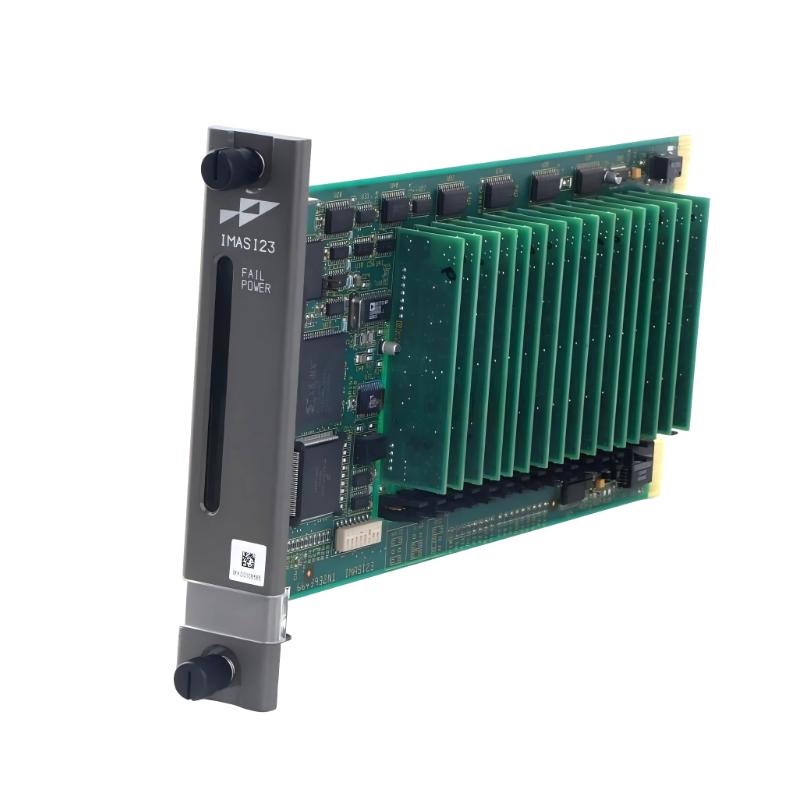
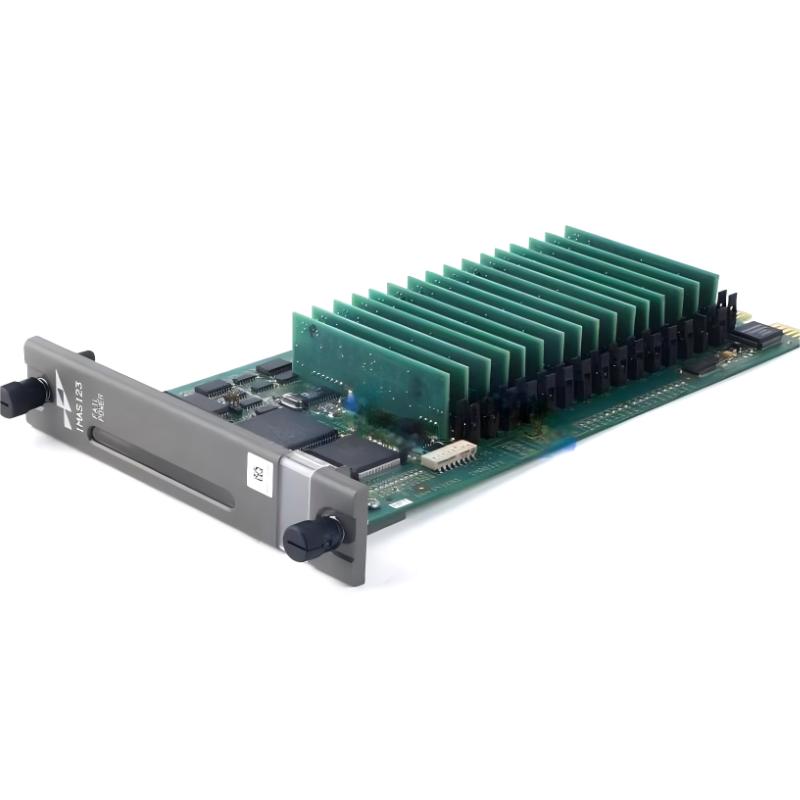
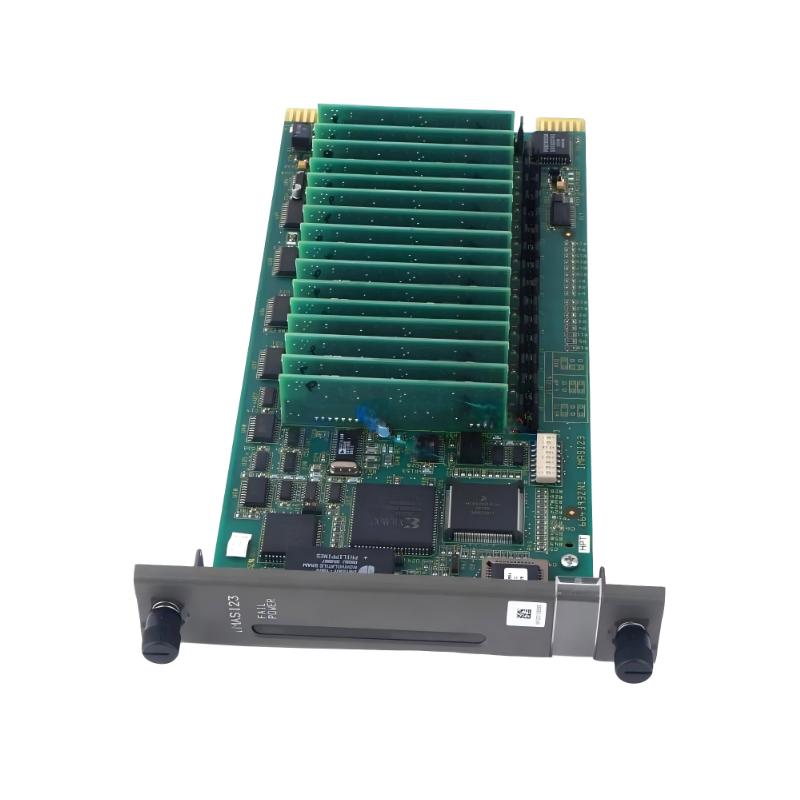
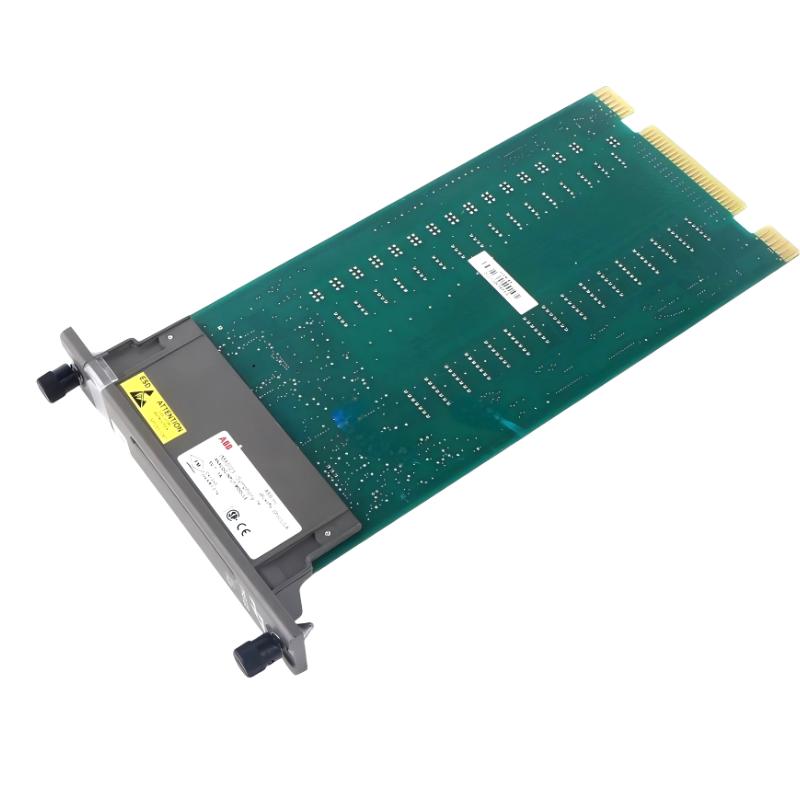
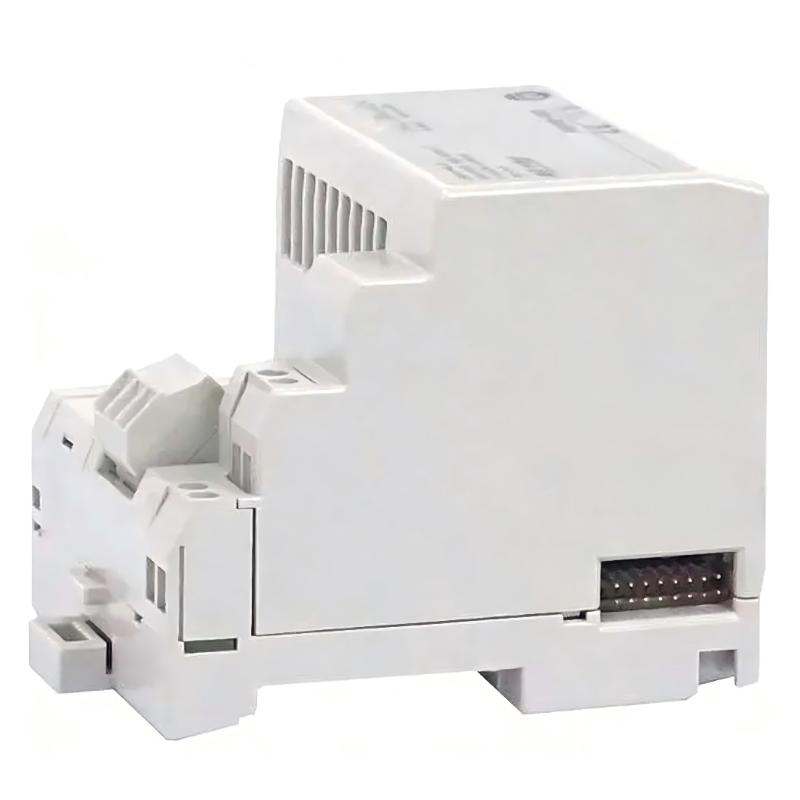
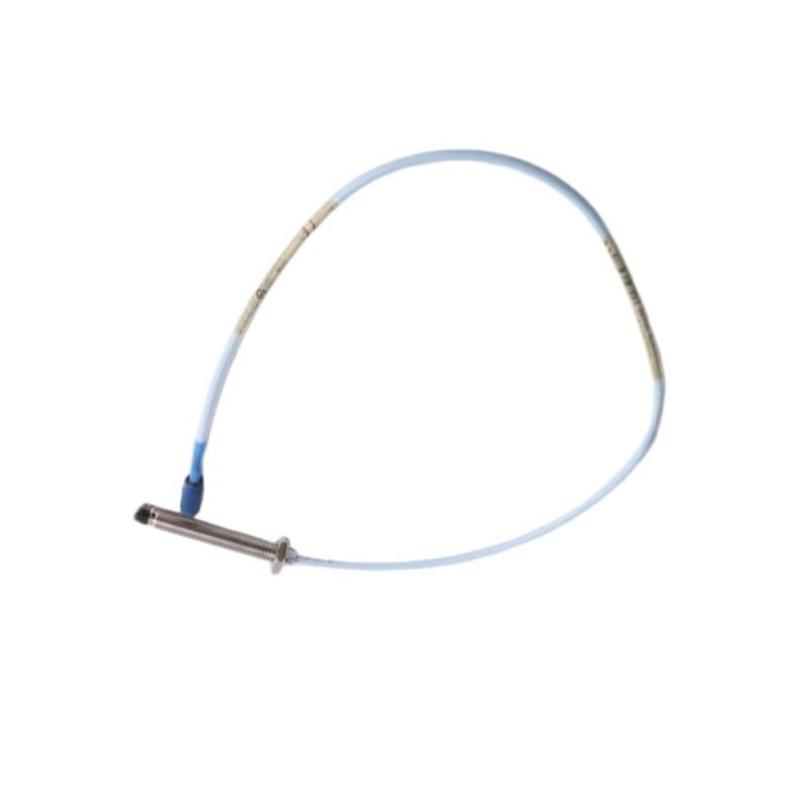
Brand:ABB Bailey Item No.:IMASI23 Product Origin:Sweden (SE) Product Dimensions:166 x 100 x 50 mm Product Weight:0.4 kg Payment:T/T, Western Union, Credit Card Goods_stock:15 Shipping Port:Xiamen, China Lead Time:1-3 Days Condition:Brand New And Original Warranty:1 Year Certificate:COO
The ABB Bailey IMASI23 Analog Input Module combines precision, durability, and versatility for industrial automation. Engineered to provide reliable analog-to-digital conversion, it empowers facilities to maintain optimal process control and efficiency. With proactive diagnostics, fast commissioning, and seamless compatibility across legacy and modern ABB systems, IMASI23 ensures long-term operational reliability. It’s the perfect solution for engineers seeking accuracy, resilience, and future-ready automation.
Technical Specifications
Parameter
Specification
Input Channels
16 analog inputs
Supported Signals
0–20 mA, 4–20 mA, ±10 V, thermocouples
Conversion Time
10 ms per channel
Input Isolation
Galvanic isolation per channel
Operating Temperature
-20°C to +70°C
Humidity
5–95% non-condensing
Power Supply
24 V DC ±10%
Weight
0.4 kg
Dimensions
166 x 100 x 50 mm
Recommended Related Models
Model
Description
IMASI24
High-density analog input module
IMASI26
Advanced diagnostic module with multi-signal support
IMASI31
Analog input module with extended environmental rating
IMASI35
Precision module optimized for chemical processes
Popular Related Models
Model
Description
IMASI21
Standard analog input module for basic automation
IMASI22
Fast-response analog module with flexible configuration
IMASI27
Multi-channel analog module for high-volume processing
IMASI33
Module with integrated diagnostics and predictive support
Applications
• Industrial Process Control: Accurately measures temperature, pressure, and flow to maintain optimal operational performance.
• Power and Energy Management: Ensures reliable signal acquisition in power plants, substations, and renewable energy facilities.
• Chemical & Pharmaceutical Manufacturing: Provides precise analog data for critical process monitoring.
• Automation Upgrades: Perfect for replacing legacy analog input modules in modern ABB control systems.
• Laboratory & Test Facilities: Supports high-precision analog measurement for R&D environments.
Key Advantages
• Precision Performance: Converts analog signals to digital with high accuracy for process optimization.
• Flexible Compatibility: Works seamlessly with both legacy Bailey systems and modern ABB DCS platforms.
• Robust and Reliable: Resistant to vibration, electrical noise, and temperature fluctuations for continuous operation.
• Quick Deployment: Easy configuration and commissioning save time and reduce downtime costs.
Technical FAQs
Q1: What analog signal types are supported by the IMASI23?
The module supports 0–20 mA, 4–20 mA, ±10 V, and thermocouple signals for versatile application needs.
Q2: How many channels can the module process simultaneously?
IMASI23 supports up to 16 analog input channels per module for centralized process monitoring.
Q3: What is the typical response time per channel?
Each channel converts in approximately 10 ms, suitable for real-time control loops.
Q4: Does the module provide electrical isolation?
Yes, every input channel is galvanically isolated to ensure signal integrity and reduce interference.
Q5: Is it compatible with older ABB Bailey systems?
Yes, backward compatibility allows integration into existing Bailey Network setups.
Q6: Can it detect sensor failures automatically?
Yes, open or short circuit conditions are detected and reported by the module.
Q7: What is the operational temperature range?
The module operates reliably between -20°C and +70°C, suitable for industrial environments.
Q8: Can calibration be performed without removing the module?
Yes, field calibration is supported to minimize service disruption and downtime.
Q9: How does it handle electrical noise?
Internal filtering and support for shielded cables maintain signal accuracy.
Q10: Can it integrate with predictive maintenance systems?
Yes, its diagnostic data can feed condition monitoring platforms for predictive maintenance.