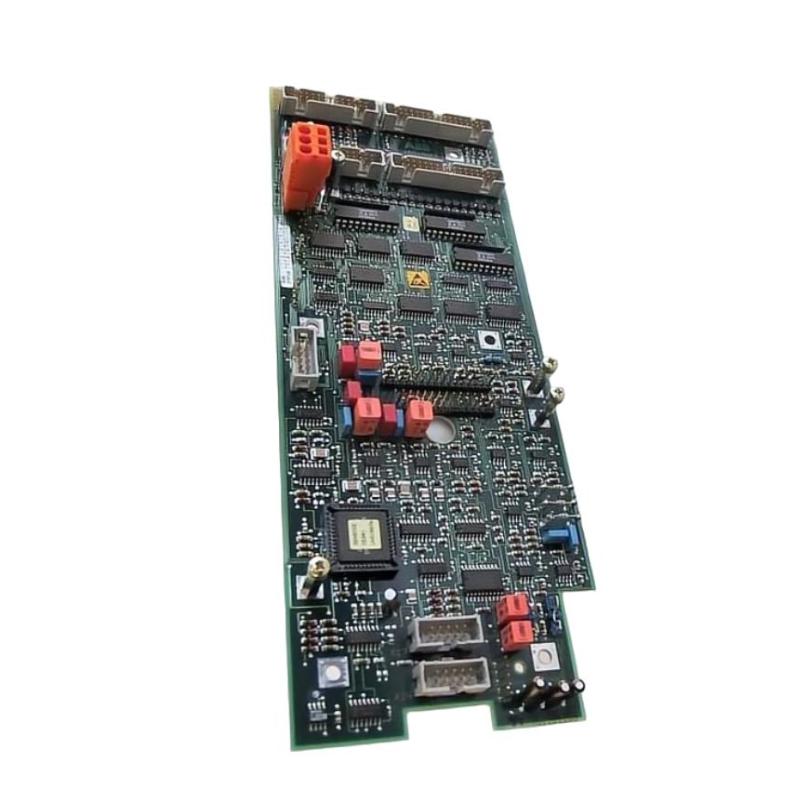
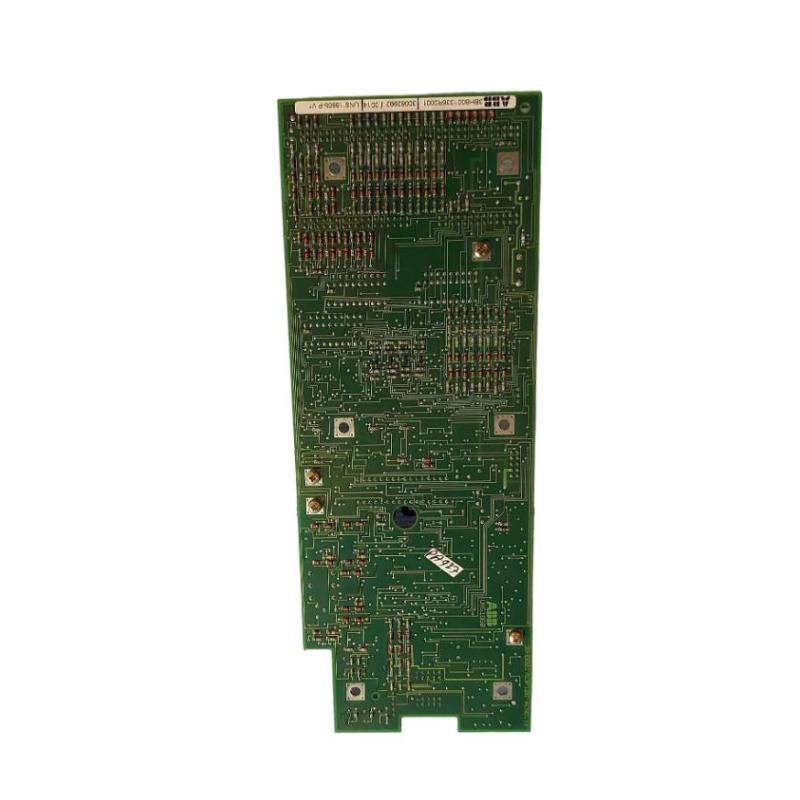
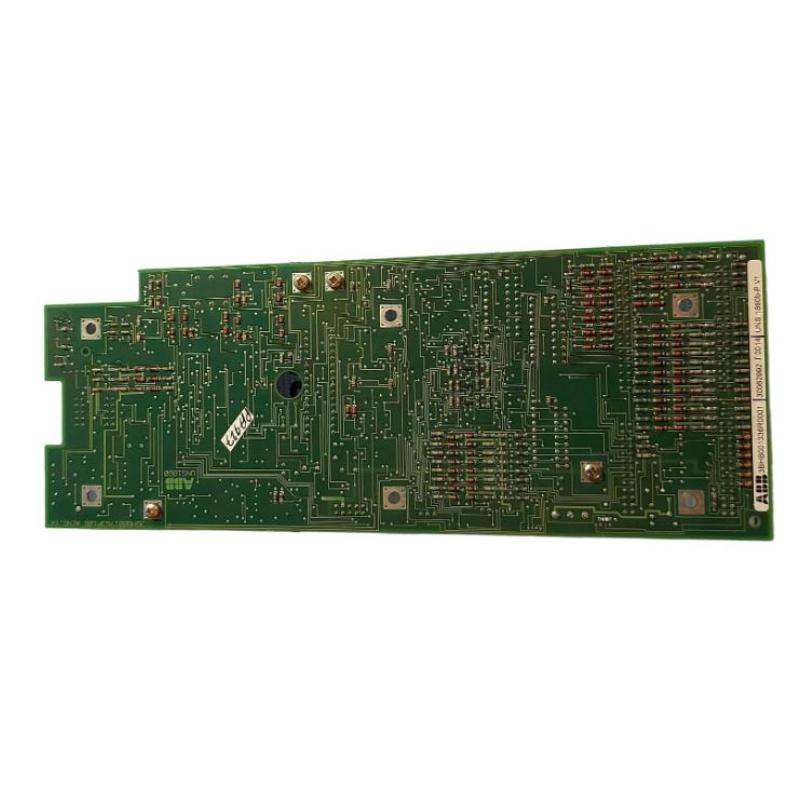
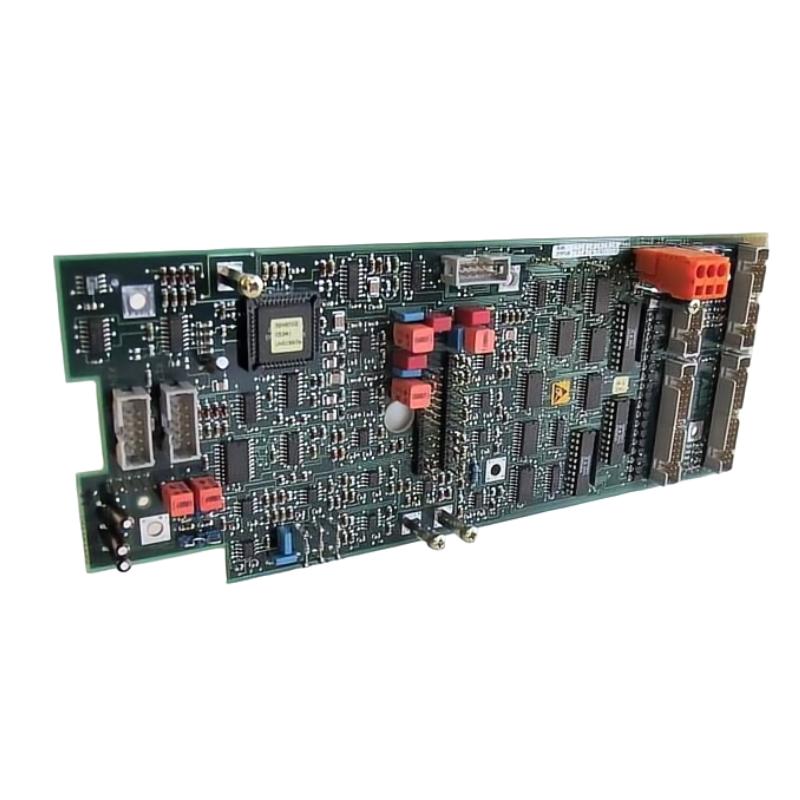
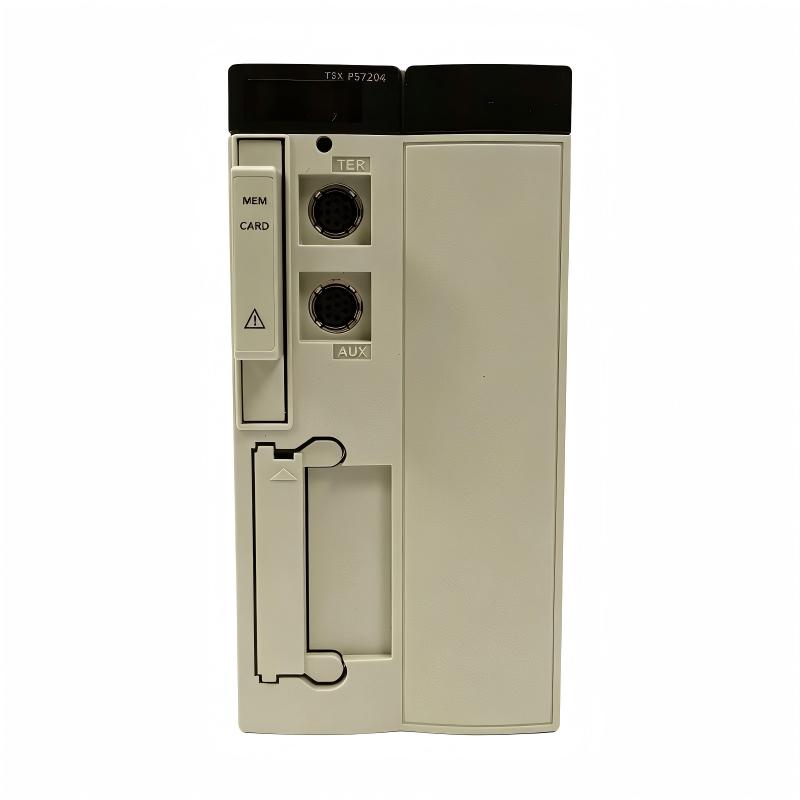
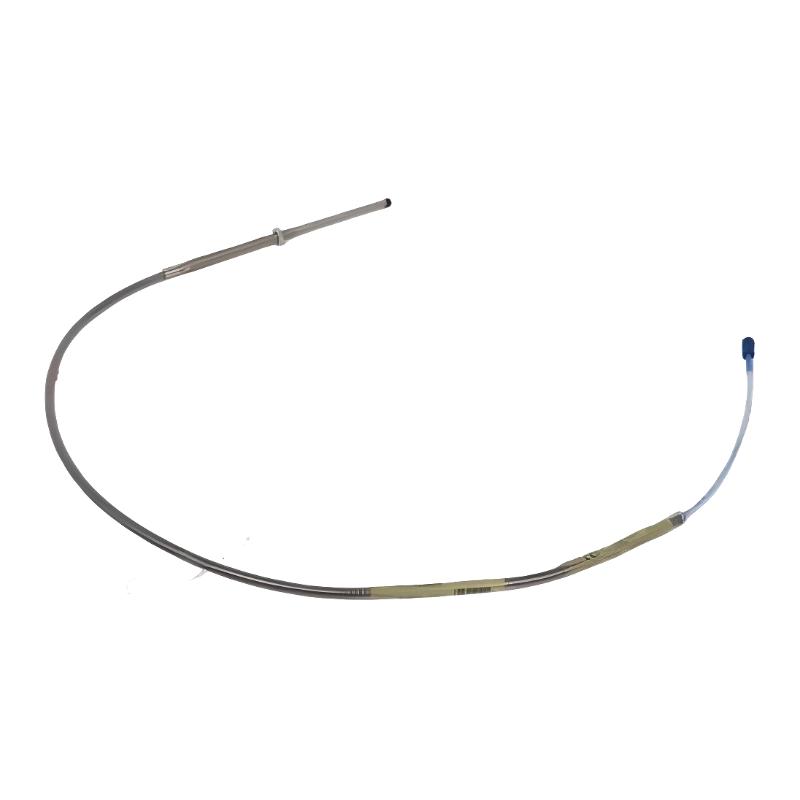
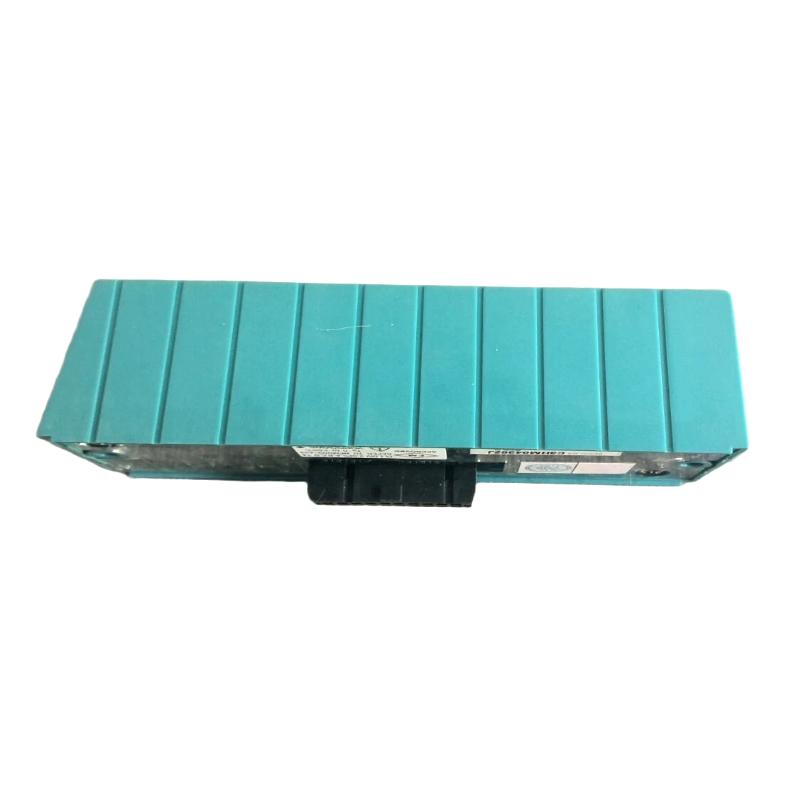
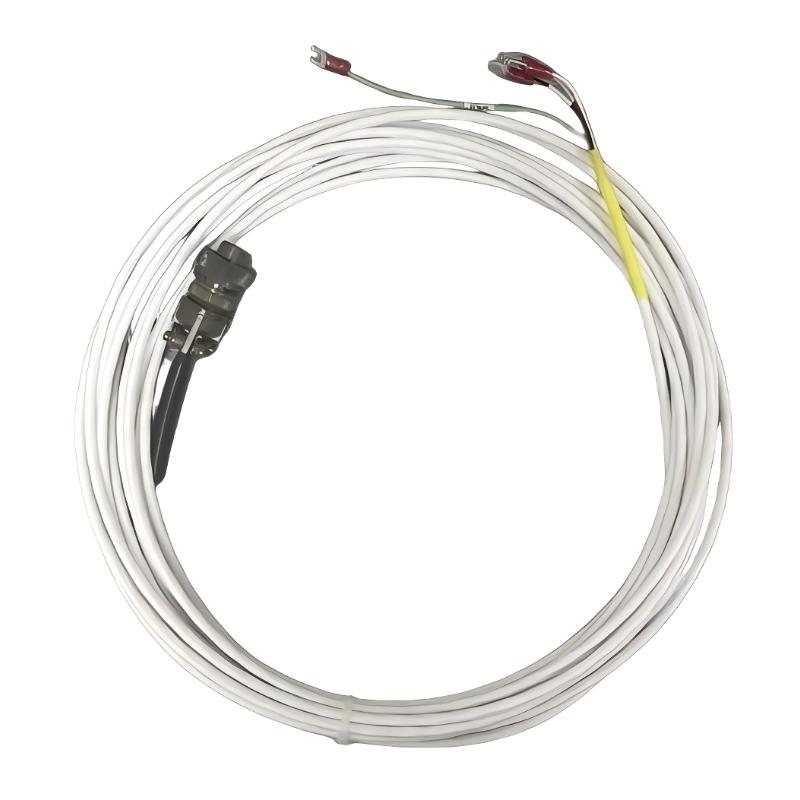
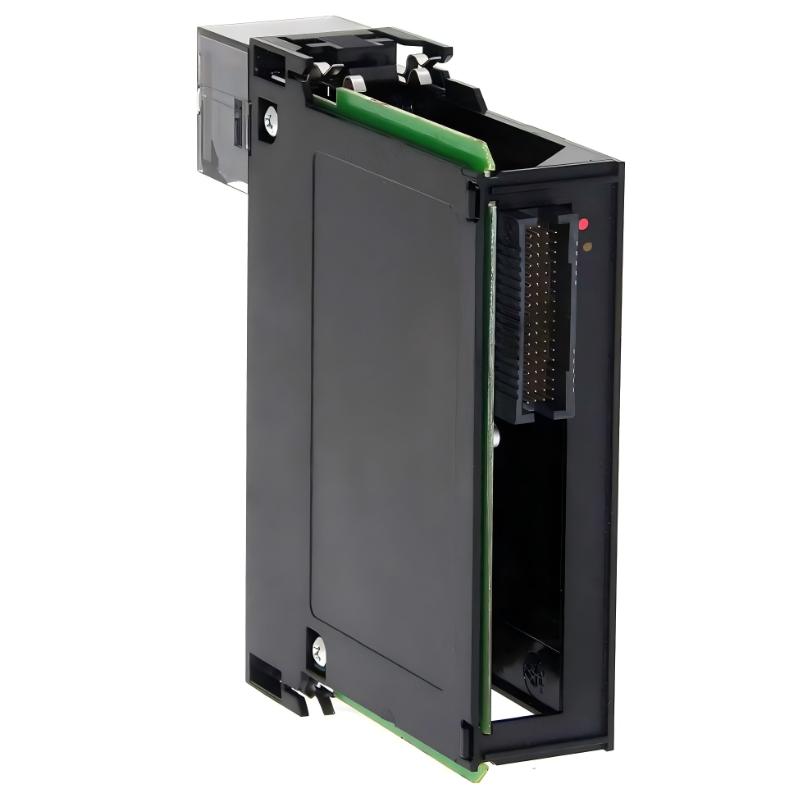
Brand:ABB PLC Item No.:ABB UNS1860B Product Origin:Sweden Product Dimensions:480 × 82 × 180 mm Product Weight:0.7 kg Payment:T/T, Western Union, Credit Card Goods_stock:15 Shipping Port:Xiamen, China Lead Time:1-3 Days Condition:Brand New And Original Warranty:1 Year Certificate:COO
The ABB UNS1860B (commonly seen as UNS1860B-P, V1 – 3BHB001336R0001) is a high-precision analog input and interface module used in ABB industrial automation and control systems.
It is primarily designed for analog signal acquisition, conditioning, and transmission, enabling seamless communication between field instruments (such as temperature, pressure, and flow sensors) and higher-level systems like PLCs or DCS platforms. This module plays a critical role in ensuring accurate process data and stable control performance in demanding industrial environments.
Due to its versatility, the UNS1860B is widely deployed in power plants, petrochemical facilities, metallurgy, and large-scale industrial automation systems, especially within ABB legacy control architectures.
Technical Specifications
Parameter
Specification
Brand
ABB
Model
UNS1860B
Order Code
3BHB001336R0001
Device Type
Analog Input / Interface Module
Function
Signal acquisition, conditioning, and data transmission
Input Signals
4–20 mA / 0–10 V
Analog Channels
8–16 channels (variant dependent)
Accuracy
Up to ±0.1% FS
Power Supply
24 V DC
Communication
RS-485, Modbus RTU, system bus
Operating Temperature
-40°C to +70°C
System Compatibility
ABB DCS / PLC / excitation systems
Physical Characteristics
Item
Specification
Dimensions
Approx. 480 × 82 × 180 mm
Weight
Approx. 0.4 – 0.7 kg
Form Factor
Industrial PCB / interface board
Installation
Rack-mounted / control cabinet
Recommended Related Models
ABB UNS1860B-P V1 – standard configuration variant
ABB UNS1860A series – earlier generation modules
ABB UNS0880A-P – excitation interface module
ABB AC 800M I/O modules – modern DCS replacement
ABB S800 I/O – distributed I/O system
Popular ABB Models
ABB UNS1860B – analog input interface module
ABB AC 800M – advanced DCS controller platform
ABB REF615 – feeder protection relay
ABB RET670 – transformer protection relay
ABB REX640 – modern protection and control platform
Applications
The ABB UNS1860B is widely used in industrial environments requiring reliable analog signal processing:
Power generation systems (turbines, boilers, generators)
Petrochemical and refinery automation
Metallurgy and steel production lines
Water treatment and utility systems
Industrial DCS and PLC-based control systems
Legacy ABB control system maintenance and upgrades
It is particularly critical in systems where accurate real-time data acquisition directly impacts control accuracy and system safety.
Advantages
High-precision analog signal acquisition for reliable control
Strong anti-interference capability in harsh environments
Flexible support for multiple signal types (current & voltage)
Seamless integration with ABB control architectures
Modular design for easy installation and maintenance
Wide operating temperature range for industrial use
Long lifecycle support for legacy systems
Proven ABB reliability in critical infrastructure
Technical FAQs
1. What is ABB UNS1860B used for?
It is used for analog signal acquisition and interfacing in industrial automation systems.
2. Is UNS1860B a PLC?
No, it is an I/O interface module used within PLC/DCS systems.
3. What signals does it support?
Typically 4–20 mA and 0–10 V analog signals.
4. How many channels does it have?
Usually 8 to 16 analog channels depending on configuration.
5. What systems is it compatible with?
ABB DCS, PLC, and excitation/control systems.
6. What is its main function?
To convert field analog signals into digital data for control systems.
7. What is the power supply requirement?
Typically 24 V DC.
8. Is it suitable for harsh environments?
Yes, it supports wide temperature ranges and strong EMI resistance.
9. Is UNS1860B still in production?
It is generally considered a legacy module used for spare parts and maintenance.
10. Why is it still widely used?
Because many ABB legacy systems remain in operation and require reliable replacement modules.