GE Fanuc PLC

  1. Home
  2. Products
  3. GE Fanuc PLC
  4. GE IS200ISBBG1AAB – Mark VIe Bus Interface / Signal Conditioning Module
GE IS200ISBBG1AAB – Mark VIe Bus Interface / Signal Conditioning Module

GE IS200ISBBG1AAB – Mark VIe Bus Interface / Signal Conditioning Module

0.0
Points

Brand:GE Fanuc PLC
Item No.:GE IS200ISBBG1AAB
Product Origin:USA
Product Dimensions:145 × 125 × 32 mm
Product Weight:0.5 kg
Payment:T/T, Western Union, Credit Card
Goods_stock:15
Shipping Port:Xiamen, China
Lead Time:1-3 Days
Condition:Brand New And Original
Warranty:1 Year
Certificate:COO

Add to cart

IS200ISBBG1AAB-1IS200ISBBG1AAB-3IS200ISBBG1AABIS200ISBBG1AAB-2

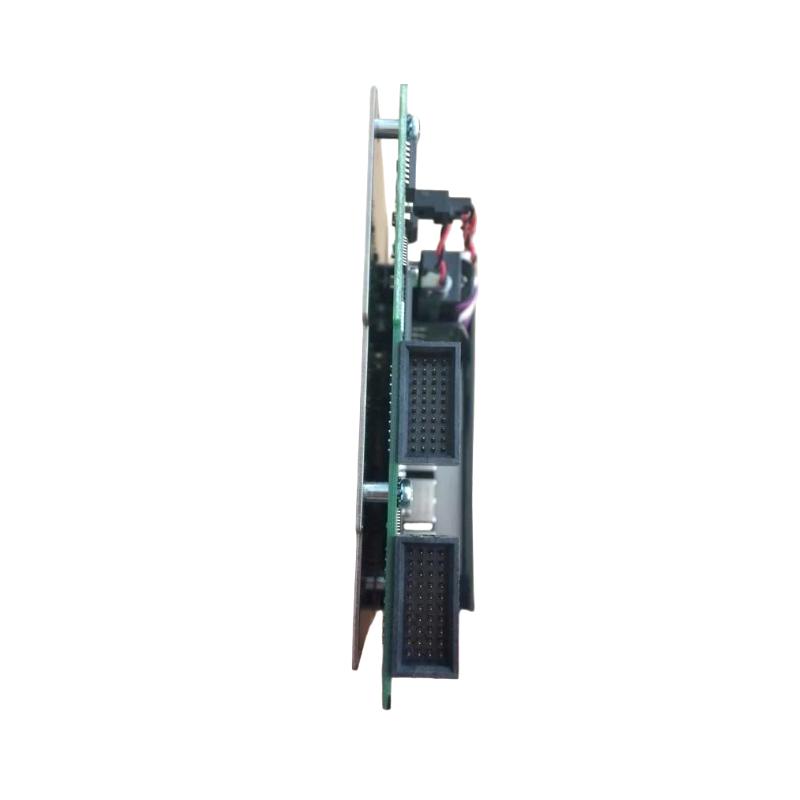
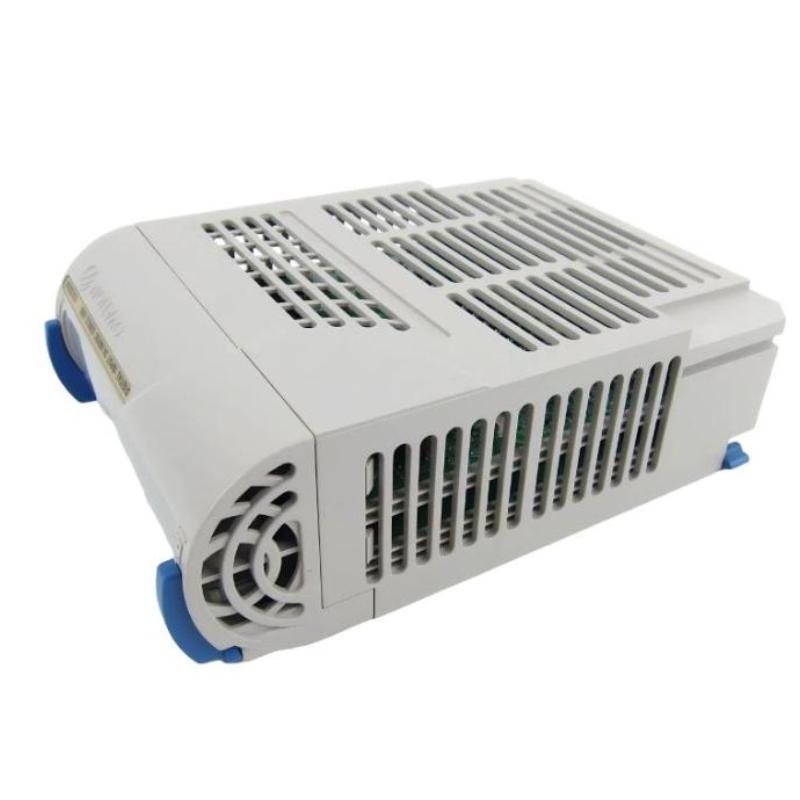
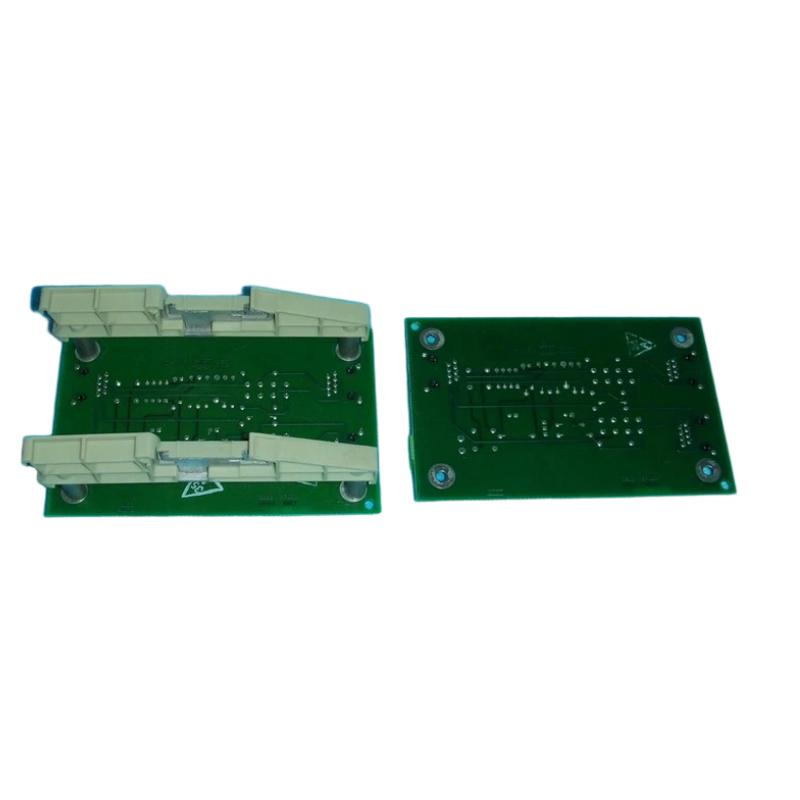
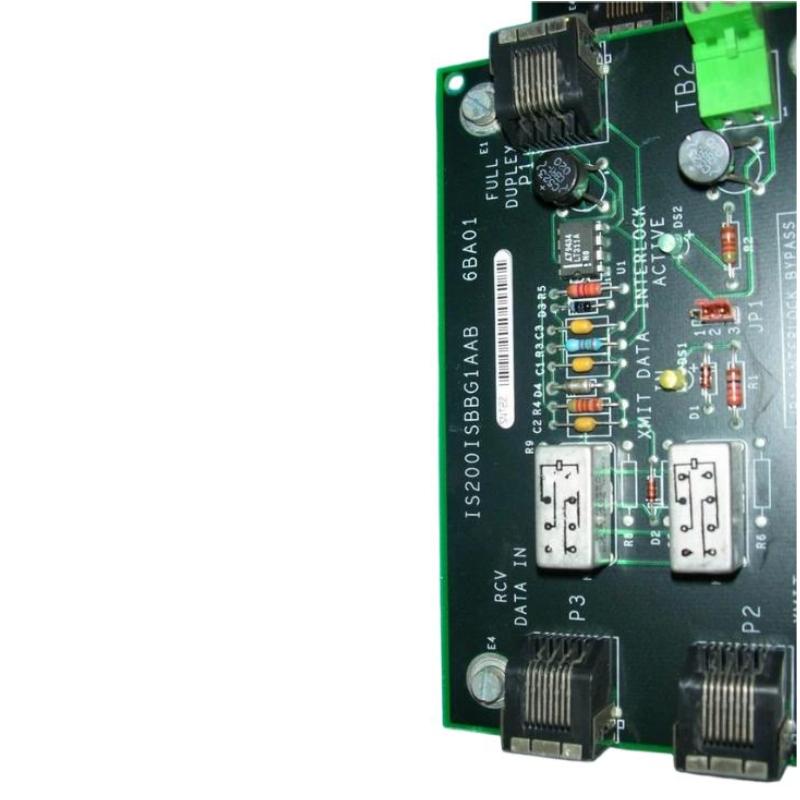
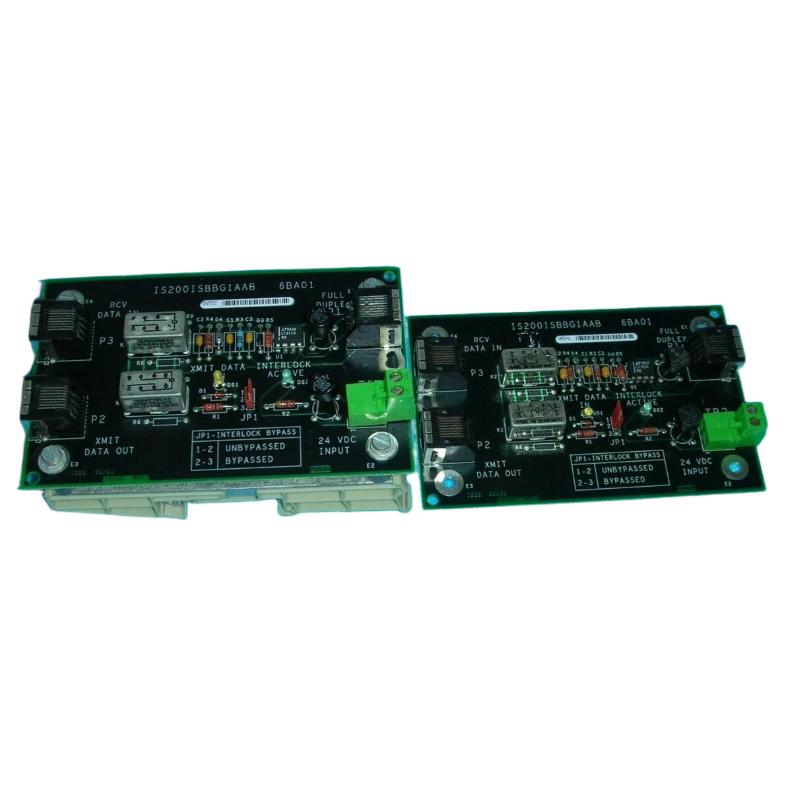
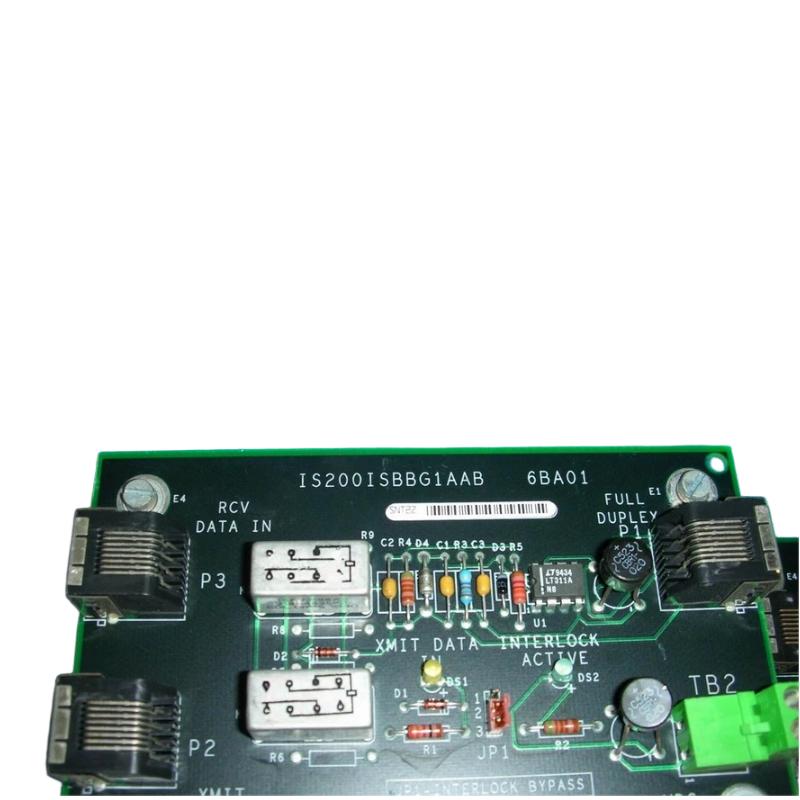
The GE IS200ISBBG1AAB is a Mark VIe system bus interface and signal conditioning module used in GE’s industrial turbine control architectures. It is designed to manage signal routing, conditioning, and communication between field I/O and the Mark VIe control system, ensuring stable and synchronized data exchange in critical turbine applications.

This module is widely used in gas, steam, and combined-cycle power plants, where reliable signal integrity and high-speed control communication are essential for safe turbine operation.

Unlike typical I/O boards, this unit focuses on system-level signal coordination and bus-level communication efficiency, making it a key supporting component in distributed control environments.


Technical Specifications

The IS200ISBBG1AAB is built for industrial-grade signal processing and turbine control communication.

ParameterSpecification
Module TypeBus Interface / Signal Conditioning Module
SeriesGE Mark VIe
FunctionSignal conditioning + bus bypass / communication support
Input SignalsAnalog + digital field signals
Output SignalsConditioned control signals to Mark VIe system
IsolationIndustrial-grade galvanic isolation
CommunicationMark VIe system bus architecture
Signal ProcessingFiltering, isolation, normalization
Operating Temperature-40°C to +70°C (industrial range)
DesignRuggedized PCB for turbine environments
IntegrationDirect compatibility with Mark VIe system controllers
Mechanical SizeCompact industrial module format

Physical Dimensions & Weight

ItemValue
Dimensions (H × W × D)~145 × 125 × 32 mm
Weight< 0.5 kg

Recommended Related Models

  • IS200MACCH1A – Mark VIe control processing module
  • IS200RAPAG1BBA – redundant power supply module
  • IS200TDBPG1A – terminal board module
  • IS200MCCPG1A – communication processing module
  • GE Mark VI / Mark VIe turbine control systems

Popular Industrial Alternatives

  • Siemens SPPA-T3000 turbine control systems
  • ABB 800xA control platforms
  • Emerson Ovation distributed control systems
  • Woodward turbine management systems
  • GE Mark V legacy I/O architecture modules 

Applications

The IS200ISBBG1AAB is used in high-reliability industrial control environments where stable signal transmission is critical:

  • Gas turbine control systems
  • Steam turbine monitoring systems
  • Power generation plants
  • Combined-cycle energy systems
  • Industrial SCADA signal processing layers
  • Turbine sensor signal conditioning networks
  • Auxiliary plant control systems


Advantages

  • Provides stable signal conditioning for turbine control systems
  • Ensures reliable bus-level communication in Mark VIe architecture
  • Strong electrical isolation for industrial noise immunity
  • Improves signal accuracy and system stability
  • Designed for continuous 24/7 operation in power plants
  • Rugged industrial construction for harsh environments
  • Seamless integration with GE turbine control ecosystems
  • Enhances reliability of distributed control signal flow


Technical FAQs

1. What is the GE IS200ISBBG1AAB used for?
It is used for signal conditioning and bus interface functions in GE Mark VIe turbine control systems.

2. What system is it compatible with?
GE Mark VIe turbine control platform.

3. What is its main function?
To process, condition, and route field signals into the control system.

4. Is it an I/O module?
Not directly—it acts more as a signal conditioning and communication interface.

5. What environment is it designed for?
Industrial turbine and power generation environments.

6. What is its temperature range?
Approximately -40°C to +70°C.

7. Does it support isolation?
Yes, industrial-grade signal isolation is included.

8. What is its role in the system architecture?
It acts as a communication and signal integrity layer between field devices and controllers.

9. Is it still manufactured?
It is considered a legacy industrial module.

10. What is its key advantage?
High reliability signal conditioning and stable turbine control communication.


Look forward to your comments!Comment
Latest comments
Tags:
Need Assistance? Chat with Us on WhatsApp!
Need Assistance? Click to Inquire
Back to top