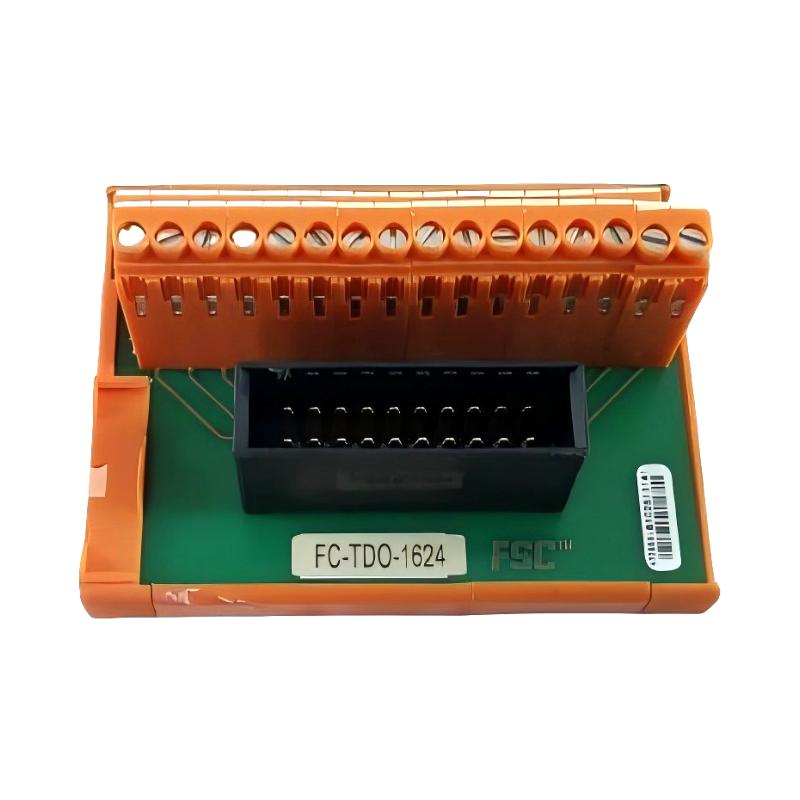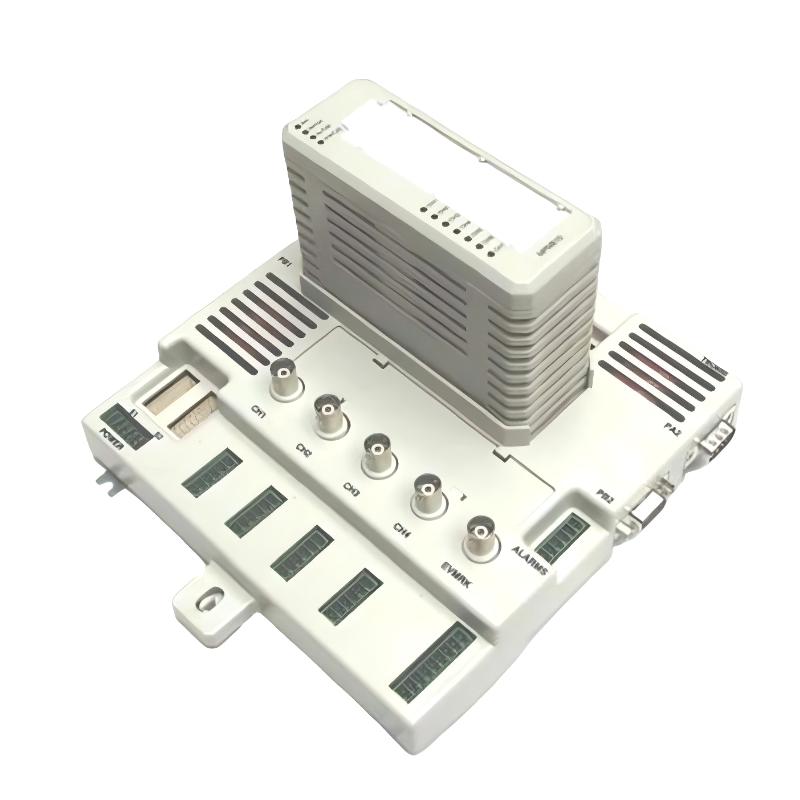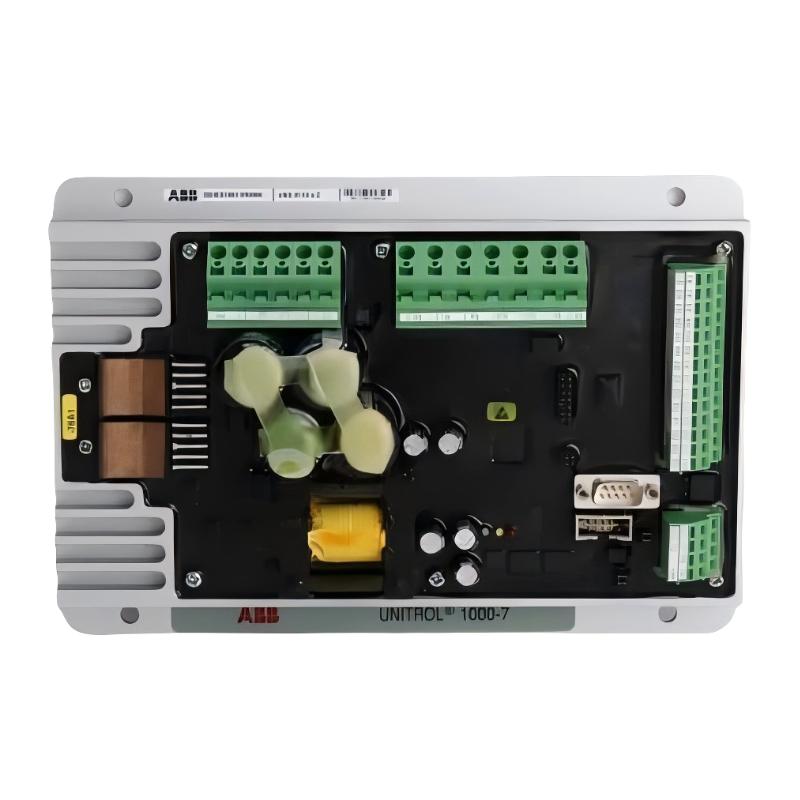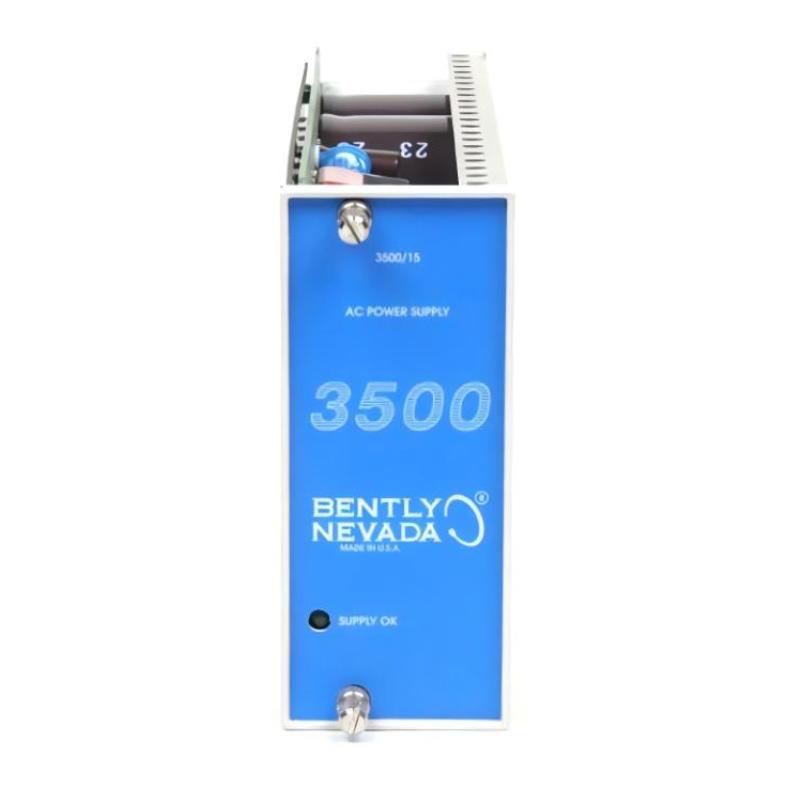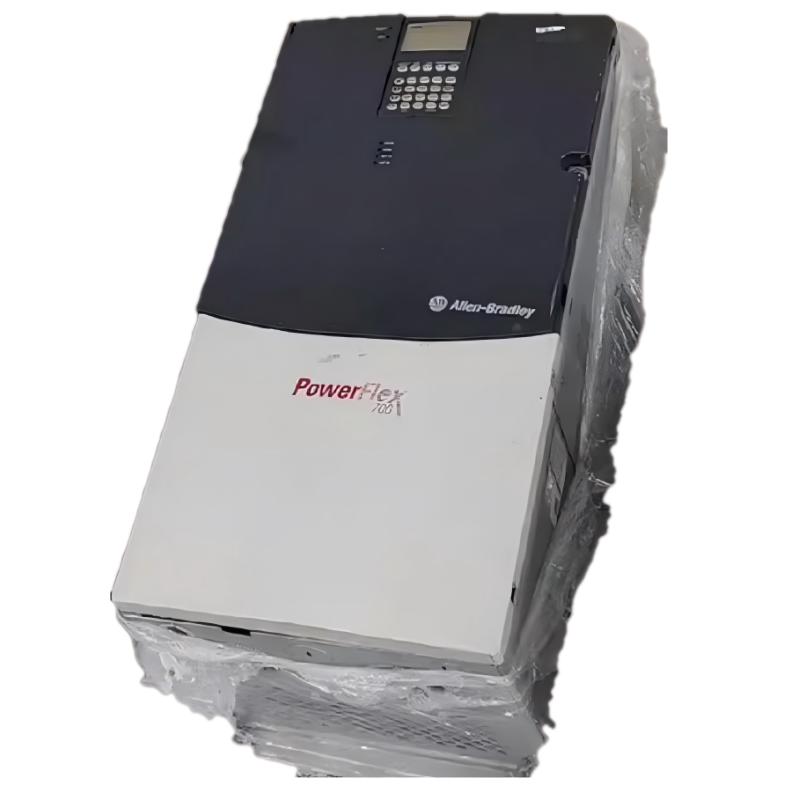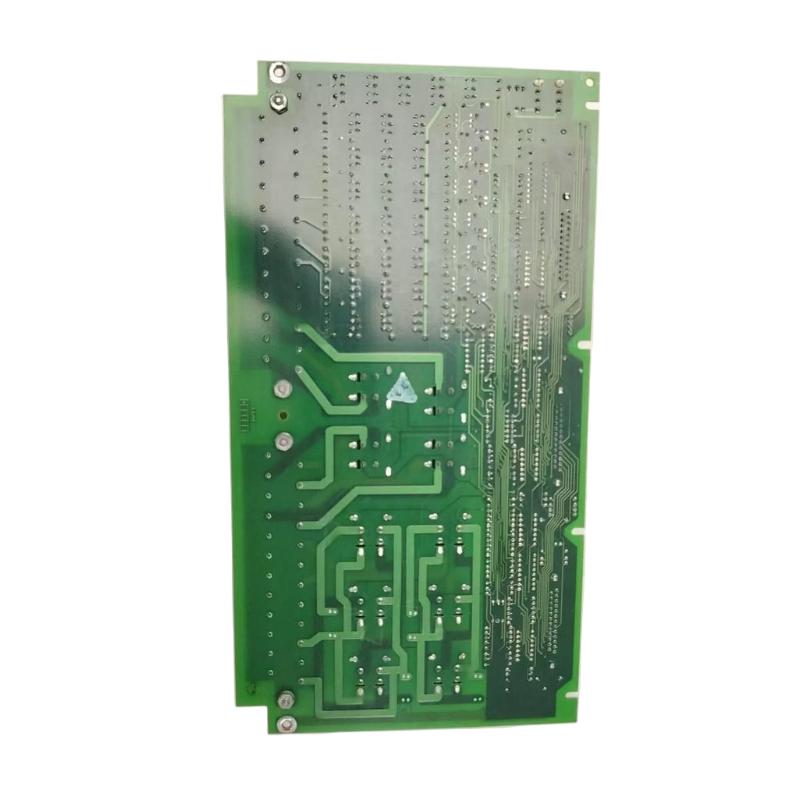
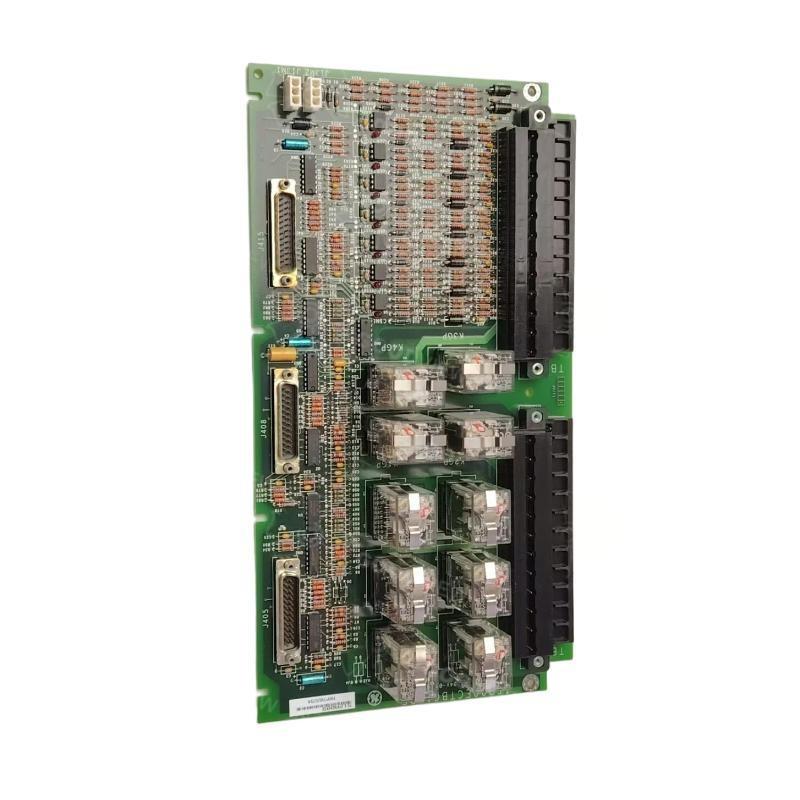
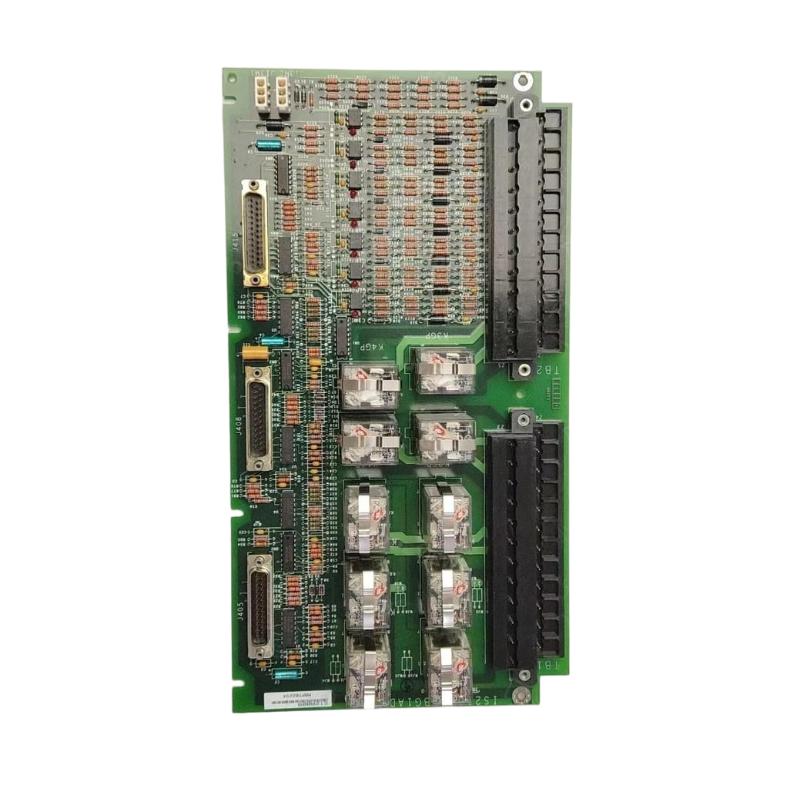
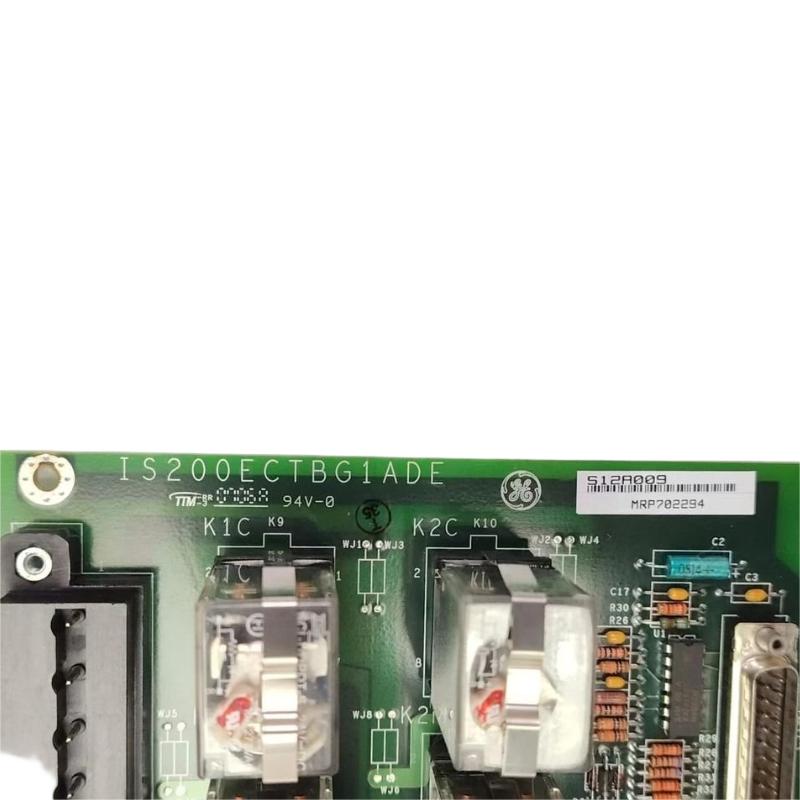
The GE IS200ECTBG1ADE is an Exciter Contact Terminal Board (ECTB) used in the GE EX2100 excitation system, typically integrated with Mark VI turbine control systems.
It is designed to manage digital contact inputs and relay outputs for excitation system interlocking, protection, and turbine control logic. This module is specifically used in redundant (G1) control architectures, where multiple controllers share and vote on critical signals for higher reliability.
Technical Specifications
| Parameter | Specification |
|---|---|
| Module Type | Exciter Contact Terminal Board (ECTB) |
| Series | GE EX2100 / Mark VI |
| Variant | G1 = Redundant control system version |
| Function | Digital contact I/O + relay interface |
| Input Type | 70 VDC wetted auxiliary contacts |
| Output Type | Form-C relay outputs |
| Trip Outputs | 2 lockout/trip outputs |
| Relay Outputs | 4 general-purpose Form-C relays |
| Contact Inputs | 6 auxiliary inputs |
| Special Inputs | 52G, 86G protective contacts |
| Control Interface | EMIO board |
| Power Source | M1 / M2 redundant power supplies |
| Communication | Hardwired + EMIO feedback |
| Installation | EX2100 EPBP backplane |
Physical Characteristics
| Item | Value |
|---|---|
| Dimensions | ~160 × 160 × 120 mm |
| Weight | ~0.5–1.0 kg |
| Board Type | Industrial multilayer PCB |
System Role
The IS200ECTBG1ADE is a critical protection and interlocking interface module, not a processor.
It performs:
- Handling trip and lockout signals (emergency shutdown logic)
- Reading field contact inputs (breakers, permissives, alarms)
- Driving relay outputs for auxiliary control
- Supplying 70 VDC wetting voltage for contact detection
- Supporting redundant voting logic in multi-controller systems
In redundant systems, signals are fanned out to multiple controllers (M1, M2, C) for voting and fault tolerance.
Key Functional Behavior
1. Trip Outputs
- 2 dedicated outputs
- Used for turbine/generator lockout and shutdown
2. Relay Outputs
- 4 Form-C relays
- Controlled by EMIO logic
3. Contact Inputs
- 6 auxiliary inputs
- Includes breaker and protection signals (52G, 86G)
4. Wetting Supply
- Uses 70 VDC contact excitation voltage
- Ensures reliable dry-contact detection