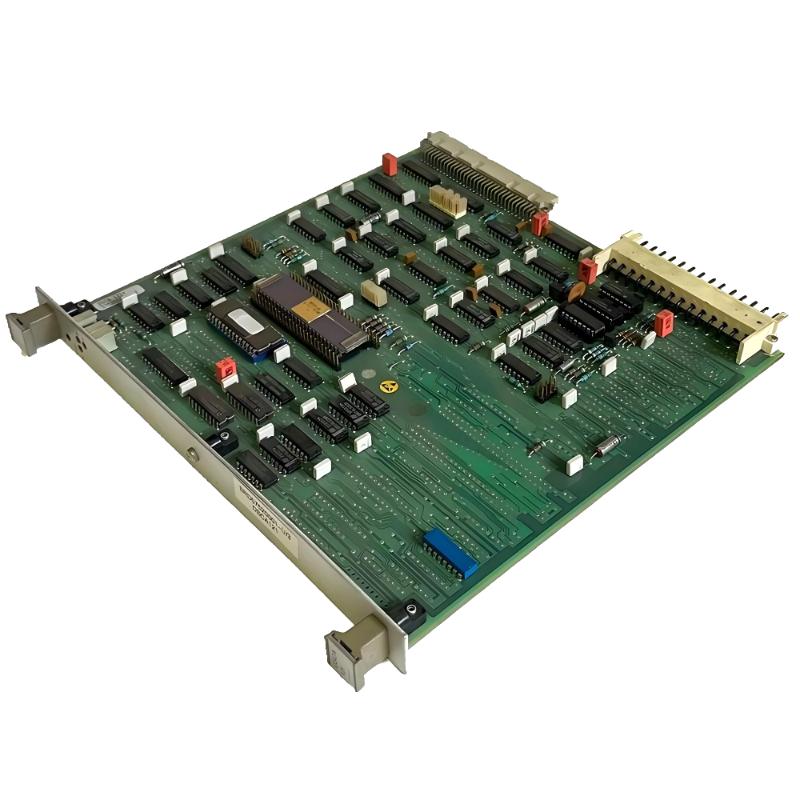
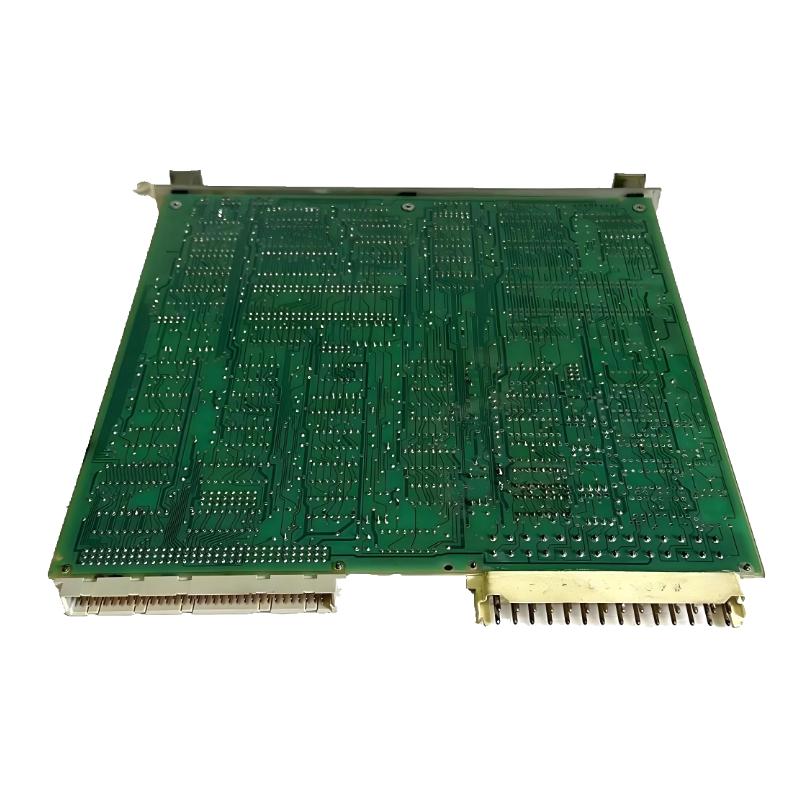
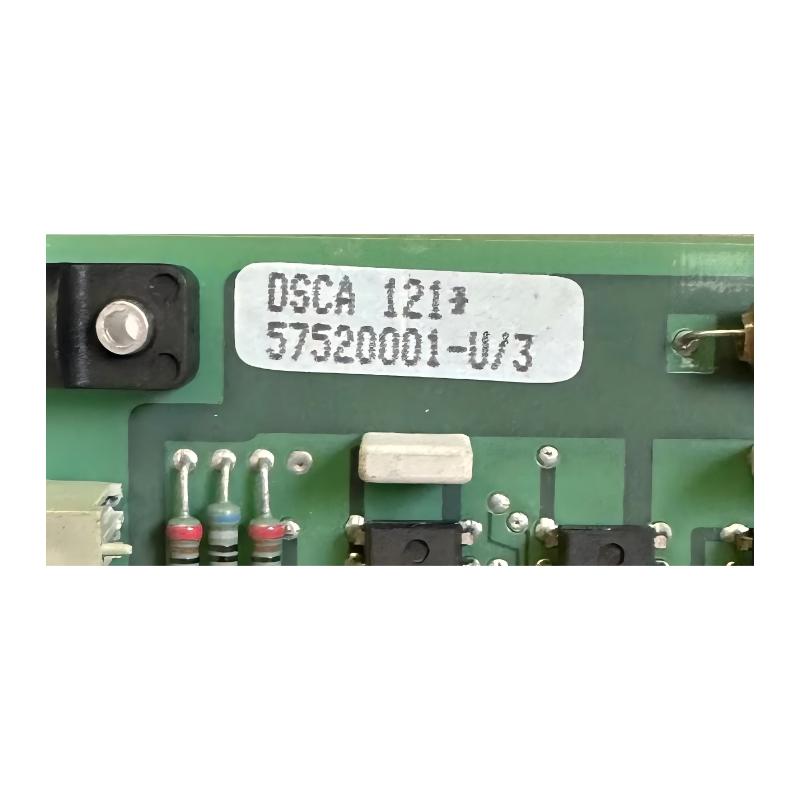
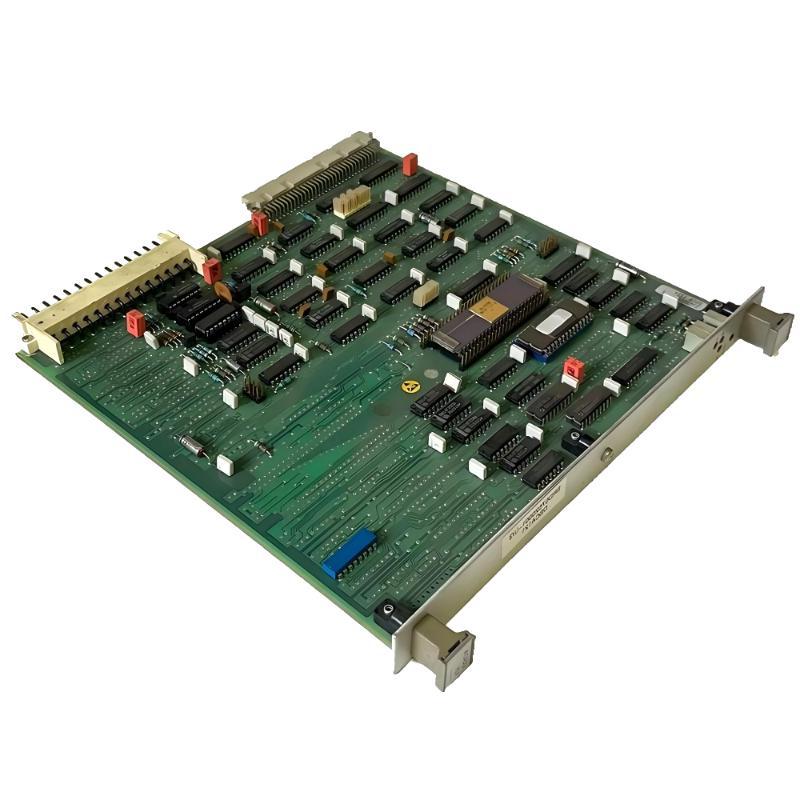
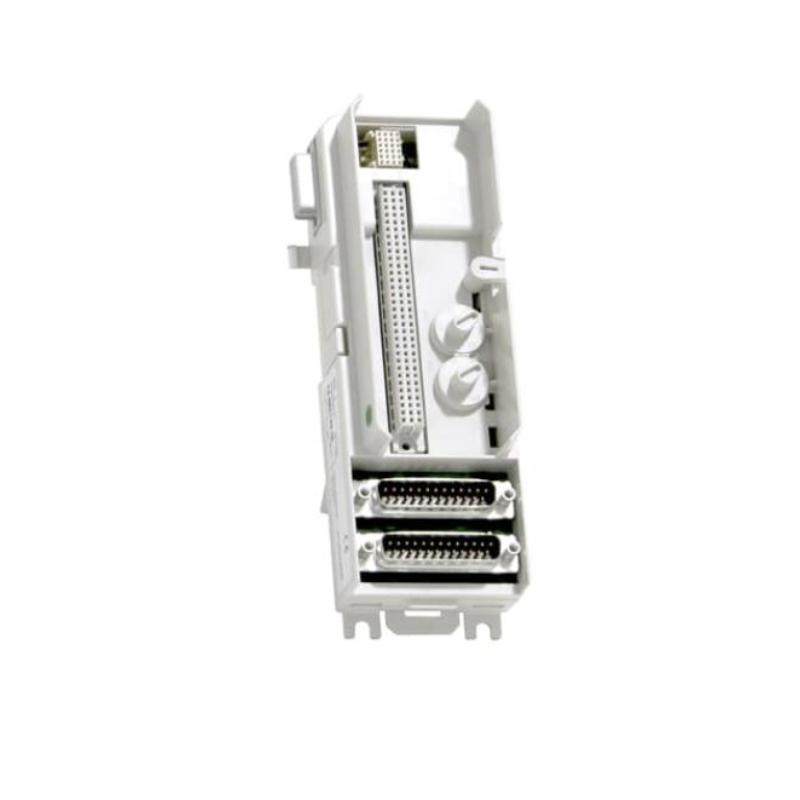
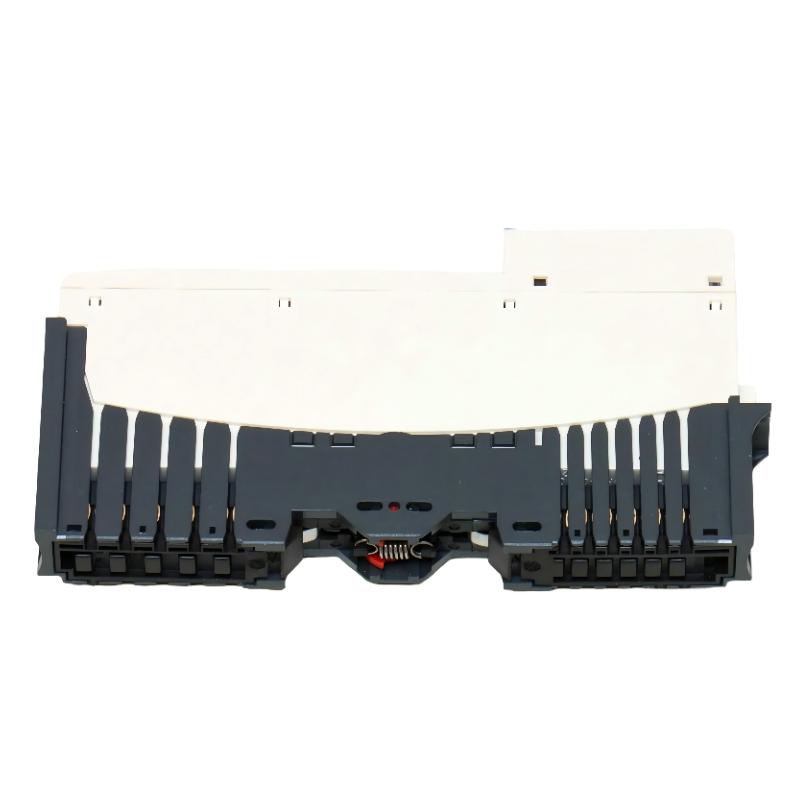
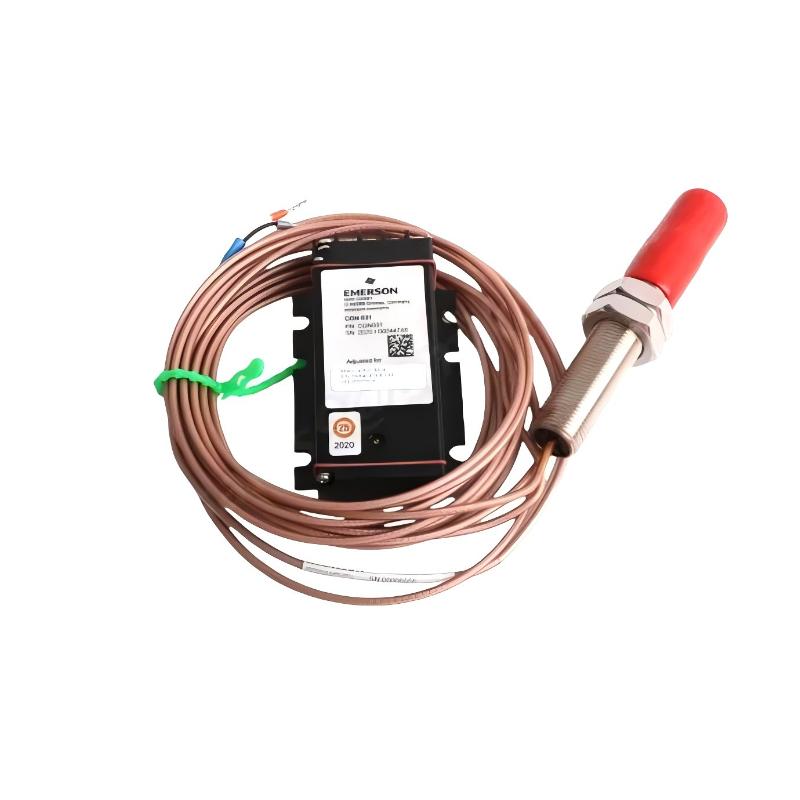
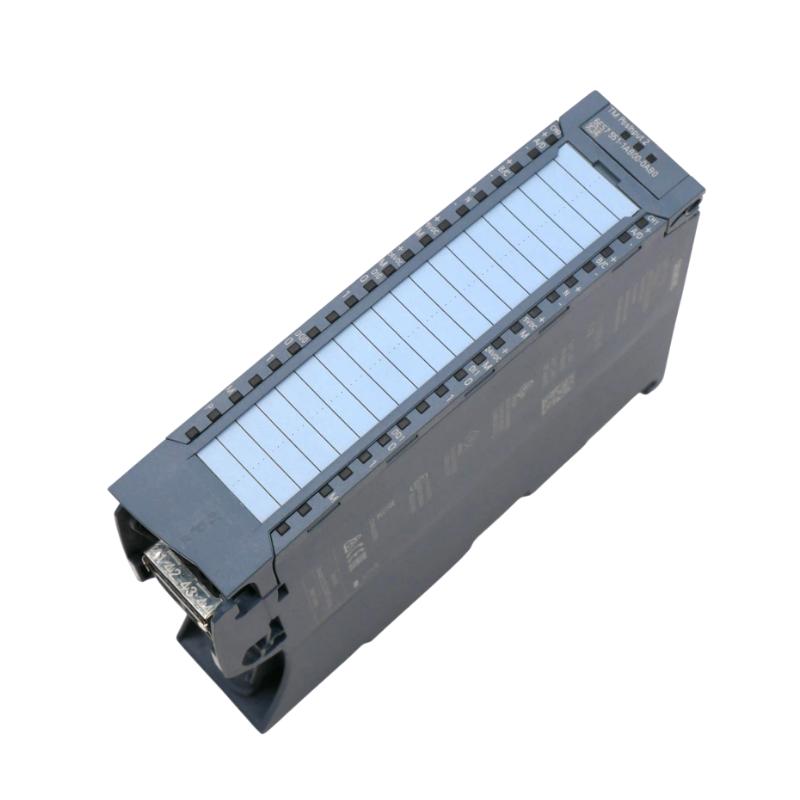
Brand:ABB PLC Item No.:DSCA 121 Product Origin:Sweden (SE) Product Dimensions:324 x 22.5 x 234 mm Product Weight:0.4 kg Payment:T/T, Western Union, Credit Card Goods_stock:15 Shipping Port:Xiamen, China Lead Time:1-3 Days Condition:Brand New And Original Warranty:1 Year Certificate:COO
The ABB DSCA 121 57520001-U/3 Communication Module is a high-reliability interface designed to facilitate seamless data exchange within ABB industrial automation systems. Engineered for robust performance, it enables efficient communication between controllers, I/O modules, and supervisory systems in demanding environments. Its compact and modular design supports easy integration into control cabinets, making it an essential component for achieving synchronized, real-time process control across power, manufacturing, and process industries.
Technical Specifications
Parameter
Specification
Model
DSCA 121 57520001-U/3
Product Type
Communication Module
Manufacturer
ABB
Function
Industrial Data Communication Interface
Compatible System
ABB Distributed Control System
Mounting Method
Control Cabinet Installation
Application Environment
Industrial Automation & Process Control
Dimensions
324 × 22.5 × 234 mm
Weight
0.4 kg
Recommended Related Models
ABB DSCA 114 57510001-AA – Communication Module
ABB DSCS 140 57520001-EV – Communication Processor Module
ABB DSCA 125A 57520001-CY – Communication Interface Module
ABB DSCS 131 57310001-LM – System Communication Module
Popular Related Models
ABB DSCA 190V 57310001-PK – Communication Module
ABB DSCS 150 57520001-KH – Communication Processor Module
ABB DSCA 180A 57520001-GF – Interface Communication Module
ABB DSCS 155 57310001-YP – Control Communication Module
Where It Fits in Your System
Data communication interface between ABB control systems and field devices
Integration within distributed control systems (DCS) for real-time data exchange
Industrial network connectivity in power generation, manufacturing, and process industries
Signal transmission between controllers, I/O modules, and supervisory systems
Automation infrastructure for synchronized control and monitoring
Communication backbone support in large-scale industrial environments
Enhancing interoperability between different control layers
Core Performance Advantages
Reliable Data Transmission – Ensures stable and accurate communication across industrial networks.
High System Compatibility – Designed for seamless integration with ABB automation platforms.
Industrial-Grade Stability – Built to perform under harsh environmental conditions and electrical noise.
Slim and Modular Form Factor – Optimized for dense cabinet installations and scalable configurations.
Efficient System Coordination – Enables synchronized data exchange for improved process control efficiency.
Technical FAQs
1. What is the main function of the DSCA 121 module?
It serves as a communication interface, enabling data exchange between ABB control systems and connected devices.
2. What types of systems is it compatible with?
It is designed for ABB distributed control systems and industrial automation platforms.
3. Can it be used in real-time control environments?
Yes, it supports real-time data communication for critical process operations.
4. How is the module installed?
It is mounted within control cabinets as part of a modular automation system.
5. Does it support continuous industrial operation?
Yes, it is engineered for reliable, long-term use in demanding environments.
6. What industries typically use this module?
Power generation, oil & gas, manufacturing, and heavy industry sectors.
7. Can multiple communication modules be used together?
Yes, multiple modules can be deployed to expand communication capacity.
8. How does it ensure communication reliability?
Through robust hardware design and stable signal processing for consistent data transmission.
9. Is configuration required after installation?
Configuration is typically handled within the ABB control system environment.
10. Does it improve system integration efficiency?
Yes, it enhances connectivity and interoperability across automation system components.