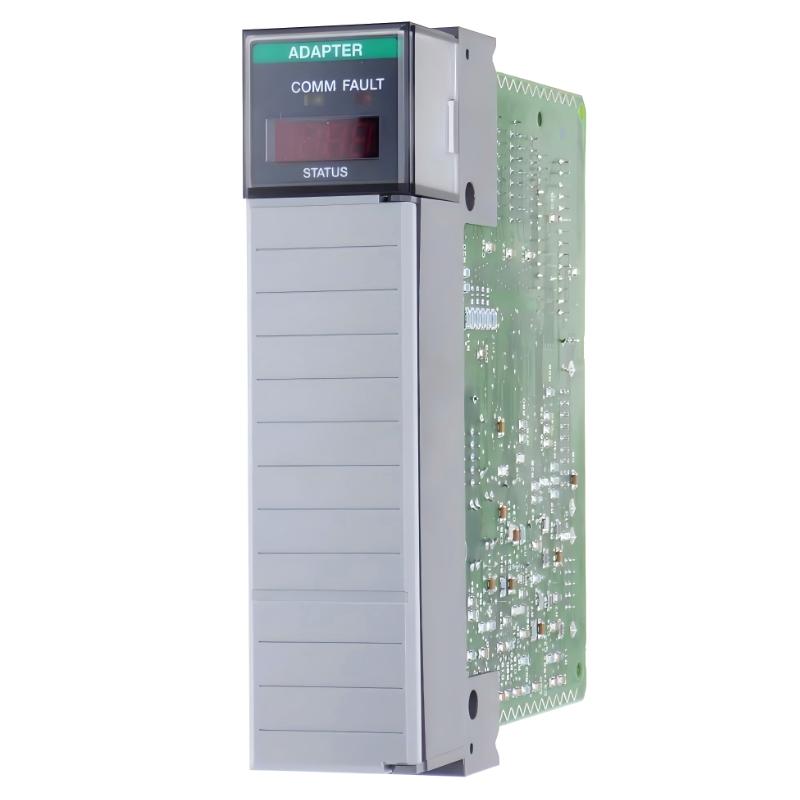
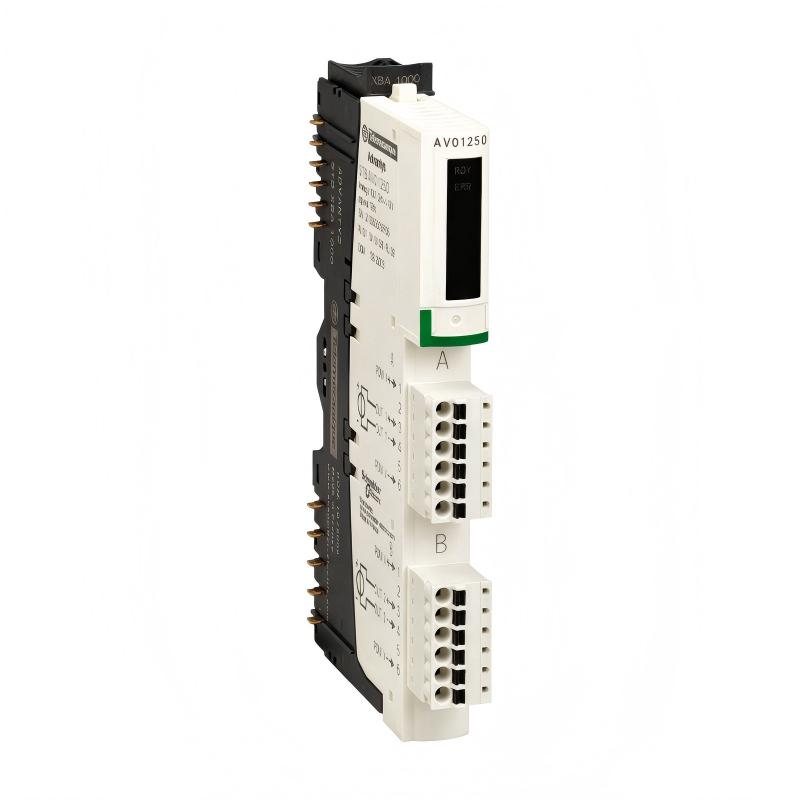
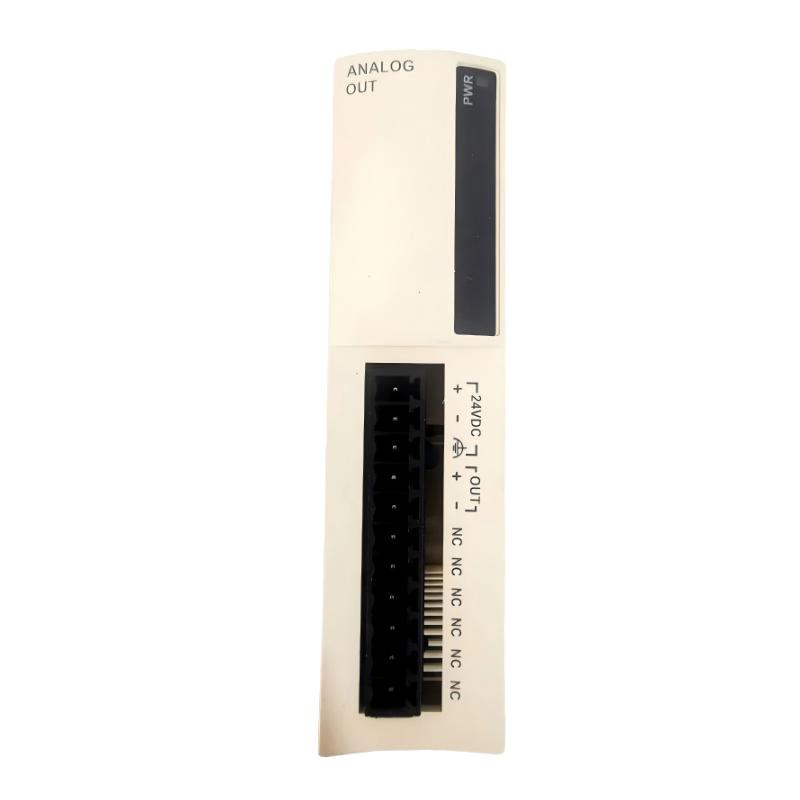
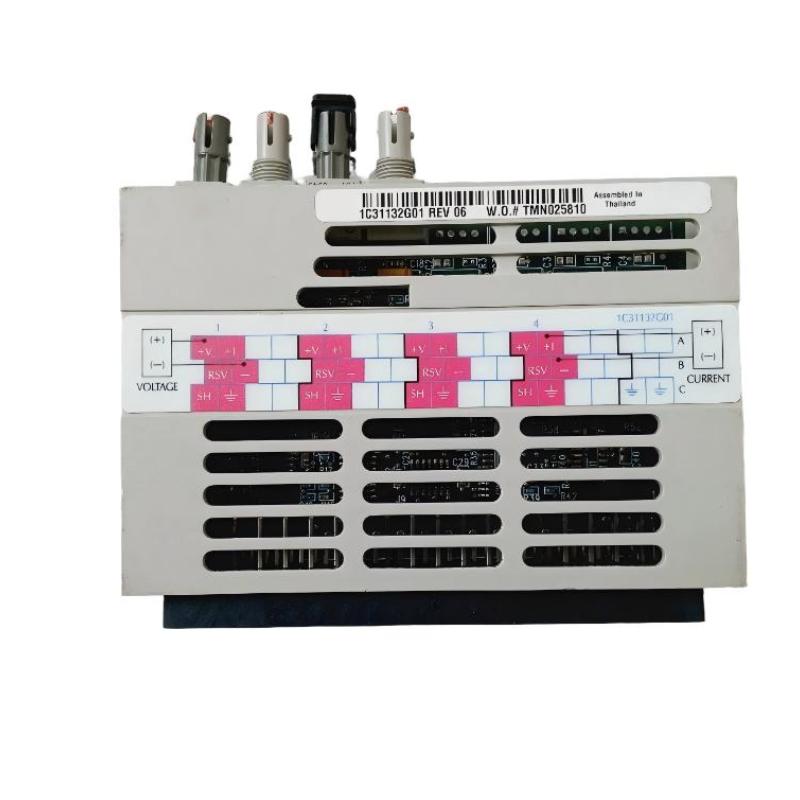
Brand:Yokogawa Electric Item No.:AAI543-H50 S1 Product Origin:Japan Product Dimensions:107.5 × 32.8 × 130 mm Product Weight:0.4 kg Payment:T/T, Western Union, Credit Card Goods_stock:15 Shipping Port:Xiamen, China Lead Time:1-3 Days Condition:Brand New And Original Warranty:1 Year Certificate:COO
The Yokogawa AAI543-H50 S1 Analog Output Module serves as a dependable interface between the control system and field devices. By translating digital control signals into accurate analog current outputs, it ensures precise execution of control strategies at the process level.
Built for industrial reliability, the module supports continuous operation in demanding environments. Its consistent performance and seamless compatibility with Yokogawa automation platforms make it a trusted component in high-availability control systems.
Technical Specifications
Parameter
Description
Product Type
Analog Output Module
Output Signal Type
Analog current output
Channel Structure
Multiple independent output channels
Output Configuration
Software configurable
Diagnostic Functions
Channel-level status monitoring
Electrical Isolation
Channel and system isolation
System Compatibility
Yokogawa DCS I/O systems
Dimensions (W × H × D)
107.5 × 32.8 × 130 mm
Weight
0.4 kg
Recommended Related Models
Model
Module Type
Primary Role
Yokogawa AAI543-H50
Analog Output Module
Standard H50 configuration
Yokogawa AAI543-H10
Analog Output Module
Alternative output variant
Yokogawa AAI543-H03
Analog Output Module
Series configuration option
Yokogawa AAI835
Analog Output Module
General-purpose output
Yokogawa AAI943
Analog Output Module
Advanced diagnostics
Popular Related Models
Model
Module Type
Common Application
Yokogawa AAI833
Analog Output Module
Standard process control
Yokogawa AAI143
Analog Input Module
Process variable monitoring
Yokogawa AAV144
Analog Input Module
High-accuracy measurement
Yokogawa ADV151
Digital Input Module
Discrete signal handling
Yokogawa AAI141
Analog Input Module
Analog signal acquisition
Applications
The Yokogawa AAI543-H50 S1 Analog Output Module is intended for industrial control systems that require a high level of output reliability and consistent signal behavior. It is commonly deployed in continuous-process industries such as oil and gas, petrochemical refining, power generation, and large-scale material processing plants.
This module is used to deliver precise control signals to final control elements including control valves, actuators, and drive interfaces. In complex automation architectures, it supports coordinated control and stable operation by ensuring that output commands are accurately reflected at the field device level, even during dynamic process changes.
Advantages
The AAI543-H50 S1 is engineered to provide dependable analog output performance in demanding operational environments. Its stable signal generation helps maintain accurate control response and reduces unnecessary movement or stress on connected field devices.
Enhanced diagnostic visibility supports efficient system verification and troubleshooting, allowing engineers to assess channel conditions without disrupting operation. The module’s electrical design improves resistance to interference from surrounding equipment, supporting reliable performance in high-density control cabinets. Integration within Yokogawa’s I/O platform ensures predictable system behavior and long-term compatibility.
Technical FAQs
1. What is the primary function of the AAI543-H50 S1 within a control system?
It converts control system commands into precise analog current outputs for field-level execution.
2. How does the S1 variant differ in practical system use?
The S1 variant is designed to meet specific system configuration requirements while maintaining standard AAI543 output performance.
3. Can output channels be used for independent control loops?
Yes, each output channel operates independently, allowing separate loops to be controlled simultaneously.
4. How does the module support stable control during rapid process changes?
Internal signal conditioning ensures smooth and accurate output transitions during dynamic control adjustments.
5. What kind of diagnostic feedback is available to operators?
Channel-level status and abnormal condition indications are reported to the control system.
6. How does the module help reduce the impact of electrical interference?
Electrical isolation and filtering techniques protect output signals from noise and disturbances.
7. Is the module suitable for controlling critical final elements?
Yes, its reliable output behavior makes it suitable for controlling critical valves and actuators.
8. Can the output configuration be adjusted after system commissioning?
Output parameters can be modified through software to accommodate process or control strategy changes.
9. How does the module contribute to overall system stability?
Consistent output performance helps maintain predictable loop behavior and reduces control variability.
10. What types of applications benefit most from this module?
Applications requiring stable, accurate analog outputs for continuous process control benefit the most.