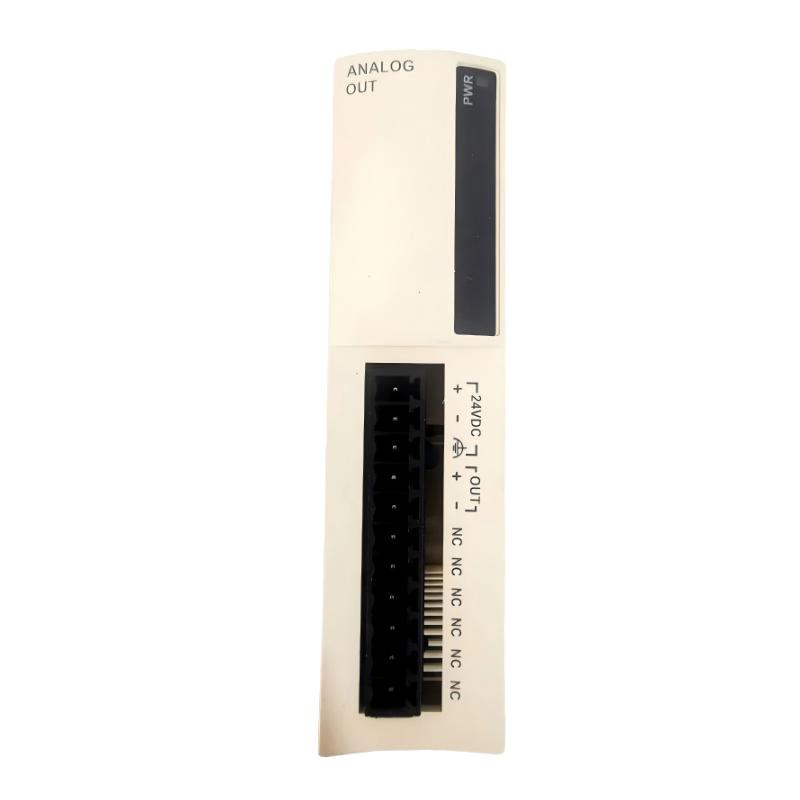
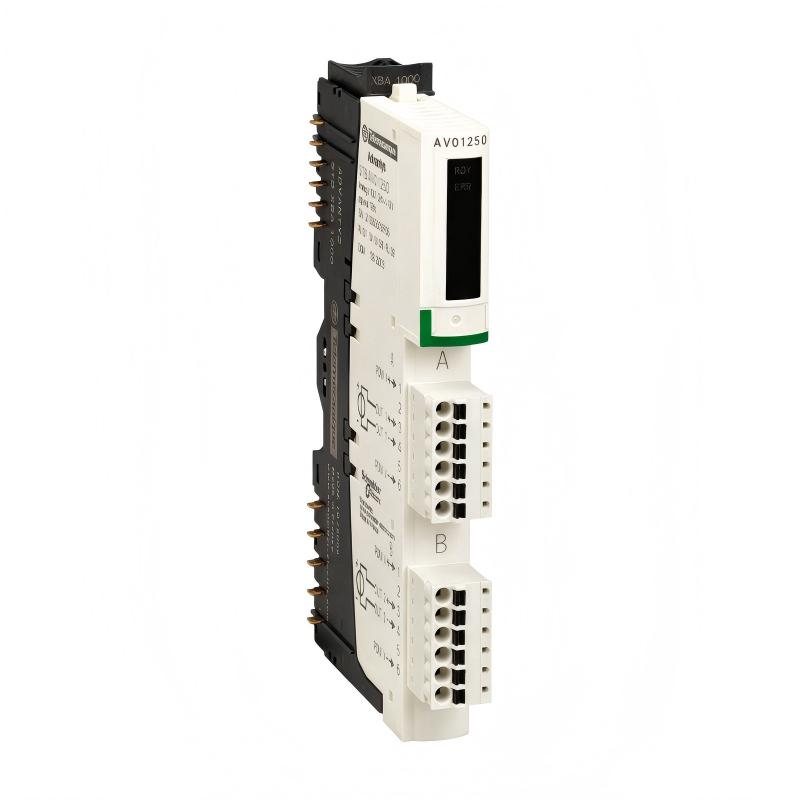
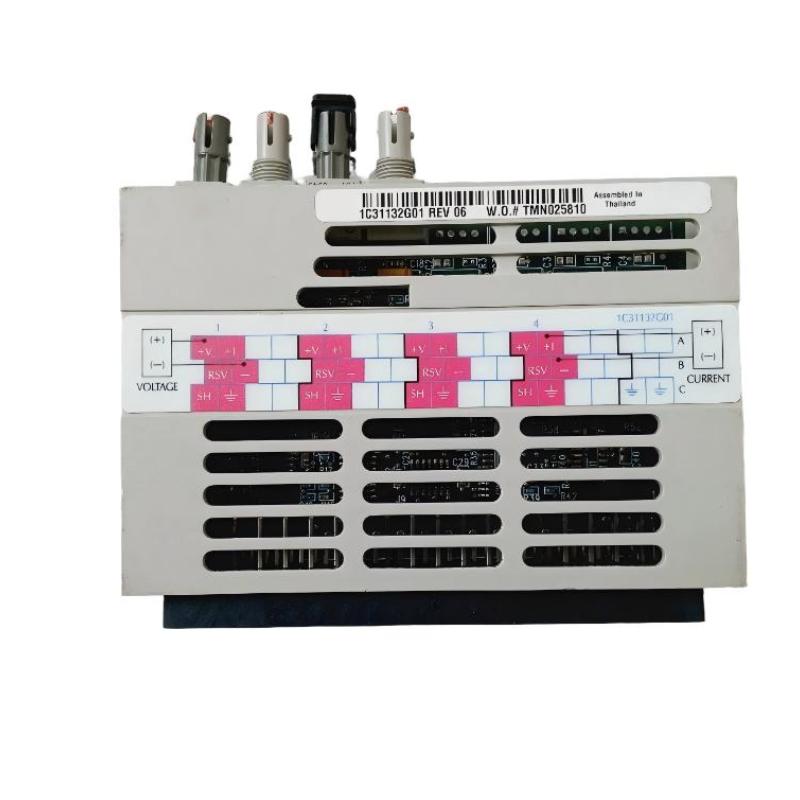
Brand:Yokogawa Electric Item No.:AAI543-H50/A4D00 Product Origin:Japan Product Dimensions:107.5 × 32.8 × 130 mm Product Weight:0.4 kg Payment:T/T, Western Union, Credit Card Goods_stock:15 Shipping Port:Xiamen, China Lead Time:1-3 Days Condition:Brand New And Original Warranty:1 Year Certificate:COO
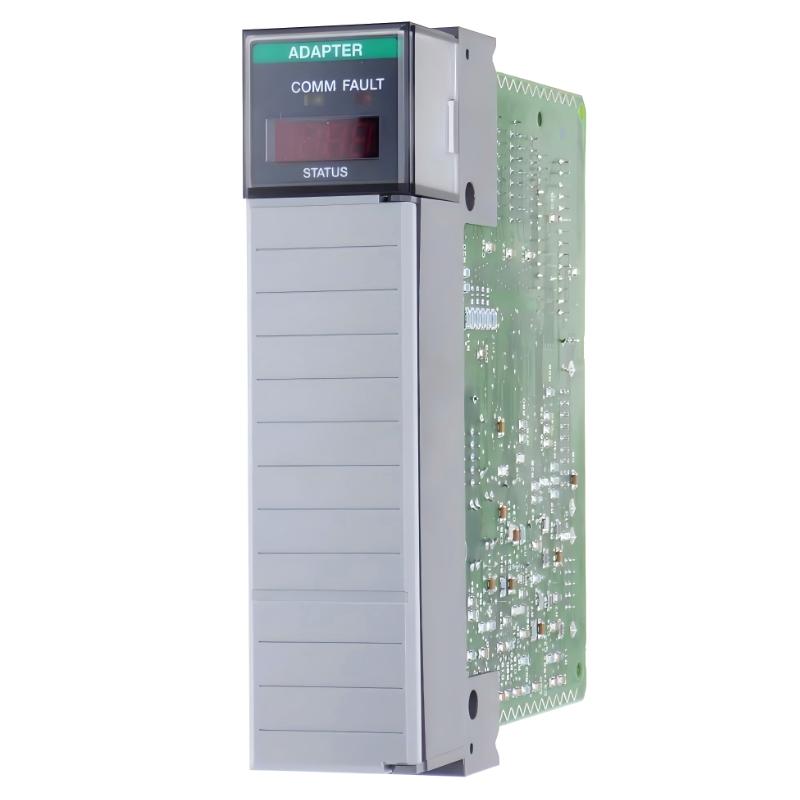
The Yokogawa AAI543-H50/A4D00 Analog Output Module is engineered to deliver reliable and accurate analog current outputs for industrial automation systems. It translates digital control signals into precise field-level commands, enabling consistent execution of control strategies.
Designed for continuous operation in harsh industrial environments, the module emphasizes signal integrity and system compatibility. Its predictable performance makes it a trusted component for engineers managing complex and high-availability control systems.
Technical Specifications
Parameter
Description
Product Type
Analog Output Module
Output Signal Type
Analog current output
Channel Structure
Multiple independent output channels
Output Configuration
Software configurable
Diagnostic Capability
Channel-level status and fault reporting
Electrical Isolation
Channel and system isolation
System Compatibility
Yokogawa DCS I/O systems
Dimensions (W × H × D)
107.5 × 32.8 × 130 mm
Weight
Approx. 0.4 kg
Recommended Related Models
Model
Module Type
Primary Role
Yokogawa AAI543-H50
Analog Output Module
Standard H50 variant
Yokogawa AAI543-H50 S1
Analog Output Module
Enhanced configuration option
Yokogawa AAI543-H10
Analog Output Module
Alternative output variant
Yokogawa AAI835
Analog Output Module
General-purpose output
Yokogawa AAI943
Analog Output Module
Advanced diagnostics
Popular Related Models
Model
Module Type
Common Application
Yokogawa AAI833
Analog Output Module
Process control output
Yokogawa AAI143
Analog Input Module
Process signal monitoring
Yokogawa AAV144
Analog Input Module
High-accuracy measurement
Yokogawa ADV151
Digital Input Module
Discrete signal handling
Yokogawa AAI141
Analog Input Module
Analog signal acquisition
Applications
The Yokogawa AAI543-H50/A4D00 Analog Output Module is designed for high-integrity control systems where output signal consistency and predictable behavior are essential. It is widely applied in large continuous-process environments such as oil and gas processing, petrochemical plants, power generation units, and heavy industrial manufacturing lines.
In practical operation, this module is used to transmit accurate control commands to field devices including control valves, electro-pneumatic positioners, dampers, and drive systems. In systems with layered control strategies or coordinated unit control, it ensures that controller outputs are executed faithfully at the field level, supporting stable process regulation even under varying load conditions.
Advantages
The AAI543-H50/A4D00 provides dependable analog output performance tailored for demanding industrial applications. Its stable signal behavior helps maintain tight control loop performance and reduces unnecessary oscillation in final control elements.
The module offers enhanced operational transparency through channel-level diagnostic feedback, allowing engineers to verify output conditions and detect abnormalities early. Its electrical design improves resistance to noise and interference, supporting reliable operation in densely wired cabinets. As part of Yokogawa’s proven I/O family, it integrates seamlessly into existing systems while maintaining consistent behavior across similar module variants.
Technical FAQs
1. What is the main role of the AAI543-H50/A4D00 in a control architecture?
It serves as the interface that converts control system commands into accurate analog current signals for field devices.
2. How does this module support precise control of final elements?
By delivering stable and repeatable output signals, it ensures accurate positioning and response of connected equipment.
3. Can different control strategies be implemented across its output channels?
Yes, each channel can be assigned to a separate control loop with independent configuration.
4. How does the module assist engineers during system testing?
Diagnostic feedback allows verification of channel operation and output status directly from the control system.
5. What happens if an abnormal condition occurs on an output channel?
The module detects the condition and reports it to the control system for prompt operator awareness.
6. How does the module handle frequent or rapid output changes?
Internal signal processing supports smooth transitions to avoid abrupt disturbances to field devices.
7. Is the module suitable for use in coordinated or multi-loop control schemes?
Yes, its consistent output behavior supports synchronized operation across multiple control loops.
8. How does the module help maintain long-term control stability?
Precision components and controlled output behavior reduce drift and maintain consistent performance.
9. Can the module adapt to changes in process requirements over time?
Output parameters can be adjusted through software to accommodate evolving control needs.
10. What types of control applications benefit most from this variant?
Applications involving critical control valves and dynamically changing processes benefit most from this module.